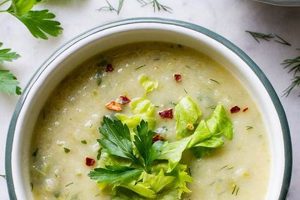
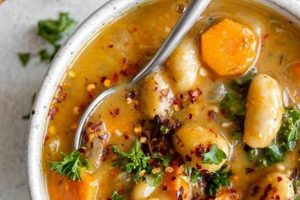
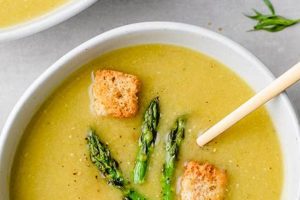
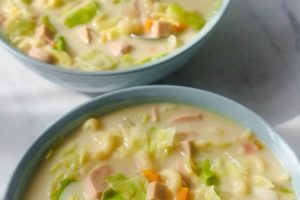
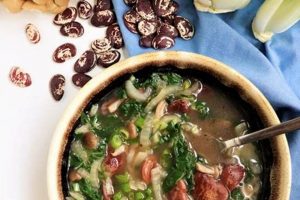
This dish is a variation of a classic comfort food prepared using an electric pressure cooker, excluding animal products. It offers a faster cooking time than traditional stovetop methods and adheres to plant-based dietary principles. The core ingredients typically consist of dried split peas, vegetables such as carrots, celery, and onions, broth (often vegetable-based), and seasonings.
The appeal of this preparation lies in its convenience, nutritional value, and adaptability. The instant pot drastically reduces cooking time, making it a practical choice for busy individuals. Furthermore, it provides a substantial source of plant-based protein, fiber, and essential vitamins and minerals. Its vegan nature caters to a growing segment of the population seeking ethical and environmentally conscious food choices. Pea-based soups have been a staple in various cultures for centuries, reflecting their accessibility and nutritional benefits.
Further discussion will delve into the specific ingredients, pressure cooking techniques, variations, and considerations for optimizing the flavor and texture of the final product, catering to diverse palates and dietary needs. The subsequent sections provide guidance for successful preparation.
Enhancing the Culinary Outcome
Maximizing the flavor and texture requires careful attention to detail during the preparation process. The following suggestions are intended to guide optimal creation.
Tip 1: Pre-Soaking the Peas: While not always essential with an electric pressure cooker, a brief soak for at least one hour can lead to a creamier consistency. Drain and rinse the peas thoroughly before adding them to the pot.
Tip 2: Sauting Aromatics: Before pressure cooking, sauting onions, carrots, and celery in the Instant Pot enhances the depth of flavor. Use the saut function with a small amount of oil or broth to avoid sticking.
Tip 3: Liquid Ratio Management: Maintaining the correct liquid-to-pea ratio is crucial. Generally, a ratio of 4:1 (liquid to peas) yields a desirable consistency. Adjust based on desired thickness.
Tip 4: Herb Infusion: Incorporate herbs such as thyme, bay leaf, or marjoram during the cooking process. Remove the bay leaf before serving.
Tip 5: Pressure Release Method: Natural pressure release results in a slightly creamier texture. Allow the pressure to release naturally for at least 10 minutes before manually releasing any remaining pressure.
Tip 6: Smoked Flavor Enhancement: Adding smoked paprika or a small piece of smoked vegetable (e.g., smoked carrot) can mimic the smoky flavor traditionally associated with ham, enhancing the overall taste profile.
Tip 7: Seasoning Adjustment: Taste and adjust the seasoning after pressure cooking. Salt, pepper, and a touch of lemon juice or vinegar can brighten the flavors.
By implementing these strategies, a flavorful and texturally pleasing result can be consistently achieved. The process combines efficiency with the capacity to produce a nutritionally rich and satisfying meal.
The concluding section will provide serving suggestions and storage information.
1. Pressure Cooking Efficiency

Pressure cooking technology fundamentally alters the traditional preparation time of split pea soup, a factor of particular relevance when adhering to vegan dietary practices. The shortened cooking duration offers a practical advantage, especially given the increased reliance on home-cooked meals within vegan lifestyles.
- Reduced Cooking Time
The primary benefit of pressure cooking lies in its ability to significantly decrease cooking time. Traditional stovetop methods may require simmering for one to two hours to achieve the desired consistency of split pea soup. An electric pressure cooker can accomplish this in approximately 30-40 minutes, including preheating time. This is due to the higher cooking temperatures achieved under pressure, which accelerate the softening of the split peas.
- Energy Conservation
Shorter cooking times translate directly into reduced energy consumption. Less electricity is required to operate an electric pressure cooker compared to maintaining a stovetop burner for extended periods. This aligns with the sustainability considerations often associated with vegan dietary choices.
- Nutrient Retention
The rapid cooking process helps preserve the nutritional content of the ingredients. Prolonged simmering on a stovetop can lead to the degradation of certain vitamins and minerals. Pressure cooking minimizes this loss, ensuring that the finished product retains more of its inherent nutritional value.
- Convenience and Automation
Electric pressure cookers offer programmable settings and automatic shut-off features, enhancing convenience. This allows for a hands-off approach to cooking, freeing up time for other tasks. The automated nature of the process reduces the risk of overcooking or burning, ensuring a consistent outcome.
The impact of pressure cooking efficiency on a split pea soup recipe is substantial. It not only saves time and energy but also contributes to preserving the nutritional integrity of the ingredients. This blend of practicality and health consciousness makes it a compelling choice for vegan meal preparation.
2. Vegan ingredient integrity

Within the context of preparing split pea soup using an electric pressure cooker while adhering to vegan principles, the concept of ingredient integrity assumes paramount importance. The absence of animal-derived components is not merely a superficial characteristic but a fundamental requirement that dictates ingredient selection and preparation methods. Ensuring vegan ingredient integrity means that every element, from the primary split peas to the subtle seasonings, must demonstrably originate from plant-based sources and be processed without animal byproducts.
Failure to maintain vegan ingredient integrity has several adverse effects. A primary concern is the ethical violation of vegan principles, undermining the very foundation of the dietary choice. Introducing non-vegan elements, such as animal-based broth or the use of animal fats in sauting, compromises the dish’s suitability for individuals following vegan lifestyles. Moreover, inaccurate ingredient labeling or cross-contamination during processing can inadvertently introduce non-vegan components, necessitating meticulous scrutiny of product origins and manufacturing processes. For example, certain vegetable broths may contain hidden animal-derived flavor enhancers, and some refined sugars utilize bone char in their processing.
Achieving and verifying vegan ingredient integrity requires a multifaceted approach. It begins with selecting certified vegan products whenever available. When such certifications are absent, careful examination of ingredient lists and communication with manufacturers become essential. In instances where ambiguities persist, it is prudent to opt for alternative ingredients or prepare components from scratch. The conscientious application of these measures is indispensable in upholding the vegan character of pressure-cooked split pea soup, guaranteeing that the dish aligns with the ethical and dietary expectations of its intended consumers.
3. Texture and consistency
Achieving optimal texture and consistency is a critical aspect of preparing split pea soup using an electric pressure cooker. The resulting mouthfeel significantly influences the overall dining experience. Variables inherent to the pressure cooking method and the nature of split peas require careful management to attain a desired outcome.
- Split Pea Variability
Split peas, while generally consistent in composition, can exhibit variations in dryness and age. Older or excessively dry peas may require longer cooking times and potentially more liquid to achieve a smooth consistency. Newly purchased peas, conversely, may soften more quickly. Assessing the condition of the peas prior to cooking is essential.
- Liquid-to-Solid Ratio
The ratio of liquid to solid ingredients directly dictates the final consistency of the soup. Insufficient liquid results in a thick, almost paste-like texture, while excessive liquid yields a watery, thin soup. A standard starting ratio of 4:1 (liquid to dry split peas) is recommended, with adjustments made based on preference and visual assessment during the cooking process.
- Pressure Release Method Impact
The method of pressure releasenatural release versus quick releasecan subtly affect the texture. Natural pressure release, allowing the pressure to dissipate gradually, tends to produce a creamier texture as the peas continue to cook in the residual heat. Quick release, while faster, may result in a slightly grainier texture due to the rapid change in pressure.
- Blending Options
For a completely smooth consistency, an immersion blender can be used after pressure cooking. This creates a velvety texture, particularly desirable for those who prefer a creamy soup. However, caution is advised when blending hot liquids; ensure proper ventilation and gradual immersion to prevent splattering.
Managing these factors allows for a nuanced control over the texture of split pea soup prepared in an electric pressure cooker. By attending to pea quality, liquid ratios, pressure release techniques, and blending options, the cook can tailor the consistency to meet individual preferences, ensuring a satisfying culinary result.
4. Flavor profile enhancement

The manipulation and augmentation of flavor within the context of preparing a split pea soup using an electric pressure cooker, adhering to vegan principles, is a crucial aspect of the culinary process. It distinguishes a bland dish from one that is both satisfying and memorable. The following explores significant facets of augmenting the flavor profile in this particular culinary application.
- Herb and Spice Integration
The incorporation of dried or fresh herbs and spices significantly influences the overall flavor of the soup. Herbs such as thyme, marjoram, and bay leaf, when added during the pressure cooking process, infuse the liquid with subtle aromatic notes. Spices, including smoked paprika, cumin, or coriander, contribute deeper, more pronounced flavor dimensions. The timing of addition affects the final outcome; adding delicate herbs towards the end of cooking preserves their volatile oils. Overuse can lead to a dish that is overly pungent or unbalanced; thus, measured application is critical.
- Umami Enrichment via Vegetables
Certain vegetables naturally contribute umami, a savory flavor profile, to the soup. Onions, celery, carrots, and mushrooms (optional) release glutamates during cooking, enhancing the overall depth and richness of the dish. The degree of browning achieved during the initial sauting phase amplifies this effect through the Maillard reaction, creating more complex flavor compounds. Properly caramelizing the onions, for example, can contribute a sweet and savory nuance that elevates the final product.
- Acidic Balance and Brightness
The judicious use of acidic elements can counteract the inherent earthiness of split peas and provide a refreshing counterpoint to the savory components. A splash of lemon juice or a dash of apple cider vinegar, added towards the end of cooking, brightens the flavor profile and adds a layer of complexity. Over-acidification, however, can result in a dish that is unpleasantly tart. Therefore, the addition of acidic components should be approached with caution and adjusted to taste.
- Salt and Seasoning Optimization
Proper seasoning is paramount for maximizing flavor. Salt not only enhances the inherent flavors of the ingredients but also plays a role in balancing sweetness and acidity. Black pepper provides a subtle heat and complexity, while other seasonings, such as garlic powder or onion powder, can contribute additional depth. Seasoning should be adjusted incrementally during the cooking process, culminating in a final taste test to ensure optimal flavor balance. Undersalting results in a bland soup, while oversalting renders it unpalatable. This careful calibration is vital to the dish’s success.
These elements, acting in concert, allow for the nuanced control and enhancement of the flavor profile of vegan split pea soup prepared in an electric pressure cooker. Skillful application of these techniques transforms a simple collection of ingredients into a complex and satisfying culinary experience.
5. Nutritional composition

The nutritional composition of split pea soup prepared in an electric pressure cooker, adhering to vegan principles, is a primary determinant of its value as a dietary staple. The cause-and-effect relationship is direct: ingredient selection and cooking method profoundly impact the soup’s nutrient profile. This composition represents a significant advantage of this particular dish, offering a concentrated source of plant-based protein, fiber, and essential micronutrients. The absence of animal products further enhances its appeal to individuals seeking health-conscious and ethical food choices. A standard serving provides substantial quantities of vitamins, minerals, and antioxidants, contributing to overall well-being. This understanding is critical for formulating balanced meal plans and making informed dietary decisions.
Specific nutrients of note include dietary fiber, crucial for digestive health and blood sugar regulation; iron, vital for oxygen transport; and potassium, essential for maintaining blood pressure. The high protein content, derived from split peas, supports muscle maintenance and satiety. The use of an electric pressure cooker contributes to nutrient preservation by reducing cooking time and minimizing water-soluble vitamin loss compared to traditional stovetop methods. Moreover, the low fat content, when prepared without added oils or fats, makes it a heart-healthy option. A practical example lies in its suitability for individuals with diabetes, given its high fiber and protein content, which promote stable blood sugar levels. Furthermore, the soup’s affordability and ease of preparation make it a practical and accessible source of nutrition for diverse populations.
In summary, the nutritional composition of vegan split pea soup prepared in an electric pressure cooker is a key factor driving its adoption as a healthy and sustainable meal option. Challenges exist in ensuring consistent nutrient levels due to variations in ingredient quality and preparation techniques. However, the dish’s inherent nutritional density and ease of preparation position it as a valuable asset in promoting individual and public health, underscoring the importance of understanding its components within the broader context of nutrition and well-being.
Frequently Asked Questions
The following addresses common inquiries and concerns regarding the preparation and properties of split pea soup made in an electric pressure cooker while adhering to vegan dietary principles.
Question 1: Does pre-soaking the split peas influence the final consistency of the soup?
Pre-soaking split peas is not strictly necessary when using an electric pressure cooker. However, soaking for at least one hour can result in a slightly creamier texture and potentially reduce cooking time by a small margin. Thorough rinsing after soaking is essential.
Question 2: What type of broth is suitable for maintaining the vegan character of this soup?
Vegetable broth is the appropriate liquid base. Commercial vegetable broths should be scrutinized for hidden animal-derived ingredients. Alternatively, homemade vegetable broth ensures complete adherence to vegan standards.
Question 3: Can this soup be prepared without the use of added oil or fat?
The recipe is readily adaptable to a fat-free preparation. Sauting vegetables can be accomplished using a small amount of vegetable broth in place of oil. The pressure cooking process itself does not require added fat.
Question 4: How long can split pea soup safely be stored after preparation?
Properly stored in an airtight container and refrigerated, split pea soup remains safe for consumption for approximately three to four days. Freezing extends the storage duration to several months; however, slight textural changes may occur upon thawing.
Question 5: Is there a method for mitigating the potential for excessive foaming during pressure cooking?
To minimize foaming, ensure the split peas are thoroughly rinsed prior to cooking. Adding a small amount of oil (if desired) or a knob of vegan butter can also help to reduce foaming. Monitoring the pressure release process is also prudent.
Question 6: Can this soup be adapted to accommodate dietary restrictions beyond veganism, such as gluten intolerance?
The base recipe is inherently gluten-free. However, careful selection of vegetable broth is necessary, as some commercial broths may contain gluten-based additives. Always verify ingredient labels to ensure compliance with gluten-free requirements.
In summary, adhering to straightforward preparation guidelines ensures a satisfactory outcome, and careful attention to ingredients promotes ethical and dietary adherence.
The following section details serving suggestions and potential accompaniments.
Concluding Observations on Split Pea Soup Instant Pot Vegan
The preceding discussion has illuminated key aspects of producing plant-based split pea soup utilizing electric pressure cooking technology. The efficiency of the instant pot, the need for verified vegan ingredients, the optimization of texture and flavor, and the nutritional profile of the dish represent critical considerations. Consistent adherence to these principles ensures a culinary outcome that is both ethically sound and nutritionally beneficial.
The information presented should serve as a foundation for informed preparation and consumption. Further exploration of ingredient variations and flavor enhancements is encouraged. The integration of this nutritious and sustainable meal option into broader dietary practices contributes to individual well-being and environmental responsibility.