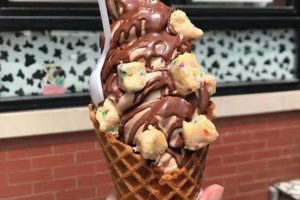
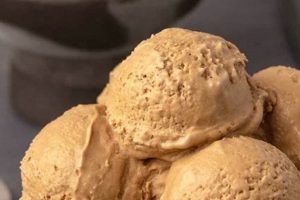
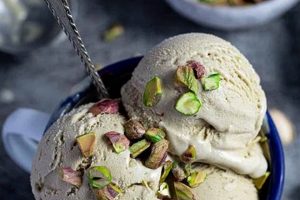
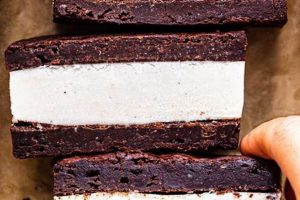
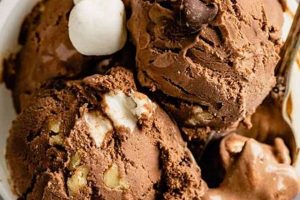
A frozen dessert, distinct in its smooth texture and dairy-free composition, offers an alternative to traditional ice cream. This product replicates the characteristic swirl and creamy consistency typically achieved with milk-based ingredients, but instead utilizes plant-derived components like soy, almond, coconut, or oat milk. Serving as a treat or dessert, it caters to individuals with dietary restrictions or those adhering to a vegan lifestyle.
This dessert option provides several advantages. For individuals with lactose intolerance or dairy allergies, it presents a safe and palatable alternative. Its reliance on plant-based ingredients can contribute to a reduced environmental footprint compared to conventional dairy farming. The emergence of such products reflects a growing consumer demand for sustainable and inclusive food choices, driving innovation within the frozen dessert industry. Historically, limited options existed for those seeking dairy-free alternatives; this category fills a significant gap in the market.
The following sections will delve into specific formulations, production methods, nutritional profiles, and the expanding market for plant-based frozen desserts. It will also explore common challenges faced by manufacturers and strategies for achieving optimal texture and flavor in this increasingly popular product segment.
Production and Enjoyment Tips
Achieving optimal results when producing or enjoying plant-based frozen desserts requires specific considerations, given the absence of dairy components that traditionally contribute to texture and stability.
Tip 1: Ingredient Selection is Critical: Base ingredients such as coconut cream, oat milk, or cashew cream each impart unique flavor profiles and textures. Experiment to determine the preferred base for the desired final product.
Tip 2: Stabilizers are Essential: Plant-based stabilizers, including guar gum, locust bean gum, and tapioca starch, prevent ice crystal formation and contribute to a smooth, creamy texture. Precise measurement is vital to avoid excessive gumminess.
Tip 3: Sugar Content Impacts Texture: Sugar not only contributes to sweetness but also lowers the freezing point, preventing the formation of large ice crystals. Adjust sugar levels based on the specific plant-based base used, as some have naturally higher sugar content than others.
Tip 4: Overrun Management: Overrun, the amount of air incorporated into the mix during churning, directly affects the final density and texture. Adjust overrun settings on the soft serve machine to achieve the desired consistency.
Tip 5: Temperature Control is Paramount: Maintain consistent temperatures throughout the production and storage process. Fluctuations can lead to ice crystal growth and a grainy texture.
Tip 6: Flavor Enhancement Strategies: Plant-based bases may lack the inherent richness of dairy. Consider using concentrated flavor extracts, fruit purees, or high-quality cocoa powders to enhance the overall flavor profile.
Tip 7: Immediate Consumption Recommended: Due to the lack of dairy fats and proteins, the frozen dessert may melt faster than traditional ice cream. Consumption immediately after dispensing from the soft serve machine is advisable for optimal enjoyment.
By carefully considering ingredient selection, stabilization, sugar content, overrun management, temperature control, and flavor enhancement, achieving a high-quality product is attainable. These strategies will contribute significantly to a satisfactory consumer experience.
The subsequent section will explore potential challenges in the production and distribution of this frozen dessert type, and offer strategies for overcoming these obstacles.
1. Texture

The texture of any frozen dessert directly influences consumer perception and overall product acceptability. In the context of plant-based soft serve, achieving a smooth, creamy, and scoopable texture, comparable to its dairy-based counterpart, presents a significant technical challenge. The absence of milk fats and proteins, which naturally contribute to the desired mouthfeel in traditional ice cream, necessitates careful manipulation of alternative ingredients and processing techniques.
Achieving an acceptable texture requires a multifaceted approach. The selection of plant-based milk plays a critical role; different plant sources yield varying levels of solids, fats, and proteins, each impacting the final product’s structure. Stabilizers, such as guar gum, locust bean gum, and carrageenan, are commonly employed to inhibit ice crystal formation and improve creaminess. Furthermore, controlled freezing and aeration (overrun) are essential for achieving the characteristic soft serve consistency. For example, coconut cream, known for its higher fat content, can contribute to a richer texture, while oat milk, with its smoother profile, may require additional stabilization to prevent iciness. Poor ingredient choices or improper processing can result in an undesirable grainy, icy, or gummy texture, diminishing consumer satisfaction.
Ultimately, mastering the texture of plant-based soft serve is paramount for its successful integration into the frozen dessert market. The pursuit of a texture comparable to dairy versions necessitates continuous research and development in ingredient selection, formulation, and processing methodologies. This focus on texture addresses a fundamental consumer expectation and contributes to the broader acceptance of plant-based alternatives.
2. Ingredients

The selection and proportion of ingredients are fundamental determinants of the quality and characteristics of plant-based soft serve. Unlike traditional ice cream, which relies on dairy components for structure and texture, plant-based alternatives necessitate careful consideration of substitute ingredients to mimic these properties. The base ingredient, typically a plant-based milk such as soy, almond, coconut, or oat milk, significantly impacts the final product’s flavor profile and overall consistency. For instance, coconut milk lends a distinct flavor and higher fat content, which can contribute to a creamier texture, while oat milk offers a neutral taste and smoother consistency. The absence of dairy fat requires the incorporation of vegetable fats, such as coconut oil or cocoa butter, to achieve a similar richness and mouthfeel.
Beyond the base and fat components, stabilizers and emulsifiers play a crucial role in preventing ice crystal formation and maintaining a homogenous structure. Common stabilizers include guar gum, locust bean gum, and carrageenan, while emulsifiers, such as sunflower lecithin, aid in the dispersion of fat and water phases. The precise balance of these ingredients is essential, as an excess of stabilizers can result in a gummy texture, while insufficient stabilization can lead to a grainy or icy product. Flavorings, such as fruit purees, extracts, and cocoa powder, are added to enhance the overall taste and appeal. The selection of high-quality flavorings is paramount, as they must complement the plant-based base without overpowering it. For example, using a highly concentrated vanilla extract can mask the inherent flavor of oat milk, creating a more palatable product.
In summary, the successful creation of plant-based soft serve hinges on the careful selection and balanced combination of ingredients. Understanding the functional properties of each ingredient, from the base milk to the stabilizers and flavorings, is essential for achieving the desired texture, flavor, and stability. As consumer demand for plant-based options continues to grow, ongoing research and development in ingredient technology will be crucial for further improving the quality and variety of plant-based frozen desserts.
3. Flavor
The flavor profile is a critical attribute determining consumer acceptance of plant-based soft serve. The absence of dairy necessitates careful flavor development to mask any undesirable notes from the base ingredients and to create a palatable and enjoyable product. Unlike traditional ice cream, which benefits from the inherent richness and sweetness of milk, plant-based formulations require strategic use of flavorings and sweeteners to achieve comparable sensory appeal. The selection of appropriate flavorings must consider the specific plant-based base used, as some bases may have stronger inherent flavors that need to be balanced or masked. For example, coconut milk-based frozen desserts often pair well with tropical fruit flavors, while oat milk provides a more neutral canvas for various flavor combinations. The effectiveness of the flavorings also depends on the quality of the ingredients; high-quality extracts and purees deliver a more authentic and intense flavor experience. Vanilla extract is a common flavoring agent used to enhance the overall sweetness and creaminess, while chocolate and fruit purees add complexity and depth to the flavor profile.
The choice of sweeteners also significantly impacts the flavor of plant-based soft serve. Traditional sucrose provides a clean sweetness, but alternative sweeteners, such as agave nectar, maple syrup, or stevia, are frequently employed to reduce the sugar content or to cater to specific dietary needs. However, these alternative sweeteners often contribute their own distinct flavors, which must be carefully considered during formulation. For example, agave nectar imparts a slightly caramel-like note, while stevia can have a bitter aftertaste. Therefore, the selection of sweeteners must be carefully balanced with the chosen flavorings to create a harmonious and balanced taste experience. In the development of a mango-flavored coconut-based soft serve, the addition of lime juice can enhance the mango flavor and balance the sweetness of the coconut milk. The inclusion of a small amount of sea salt can also enhance the overall flavor and reduce the perception of sweetness.
In summary, achieving an appealing flavor profile in plant-based soft serve requires a comprehensive understanding of ingredient interactions and sensory perception. The careful selection of flavorings and sweeteners, tailored to the specific plant-based base, is crucial for masking undesirable notes and creating a product that meets consumer expectations. The successful development of diverse and appealing flavor options is essential for driving the growth and acceptance of plant-based frozen desserts in the broader market. Continuous innovation in flavor technology and formulation strategies will play a key role in expanding the appeal of plant-based soft serve to a wider consumer base.
4. Stability

The physical stability of plant-based soft serve, its resistance to structural changes over time and under varying conditions, is a paramount concern for manufacturers and consumers alike. Instability manifests primarily as ice crystal formation, separation of ingredients, and loss of textural integrity. These changes negatively impact sensory qualities, rendering the product less appealing and potentially unacceptable. The inherent challenge stems from the absence of milk proteins and fats, which contribute significantly to the stability of conventional ice cream. Therefore, maintaining stability requires strategic manipulation of formulation and processing parameters.
A key factor affecting stability is temperature fluctuation during storage and distribution. Repeated freeze-thaw cycles promote ice crystal growth, resulting in a coarse, icy texture. Stabilizers, such as hydrocolloids like guar gum and locust bean gum, are employed to mitigate this effect by increasing viscosity and binding free water. Emulsifiers, such as sunflower lecithin, enhance the dispersion of fat particles, preventing phase separation. For example, a product lacking sufficient stabilizer may exhibit noticeable ice crystal formation within a week of storage, while a properly formulated product can maintain its smooth texture for several months. Furthermore, packaging plays a crucial role in protecting the product from environmental factors that contribute to instability. Impermeable packaging materials reduce moisture migration and oxidation, preserving the product’s quality and extending its shelf life.
Ultimately, achieving optimal stability in plant-based soft serve necessitates a comprehensive approach encompassing careful ingredient selection, precise formulation, controlled processing, and appropriate packaging. Overcoming stability challenges is essential for delivering a high-quality product that meets consumer expectations and maintains its appeal throughout its shelf life. Addressing these concerns contributes directly to reduced waste, improved consumer satisfaction, and the long-term success of plant-based alternatives in the frozen dessert market.
5. Market

The market serves as a critical component determining the viability and success of plant-based soft serve. Consumer demand, shaped by dietary trends, ethical considerations, and environmental awareness, directly influences product development, distribution strategies, and overall market growth. The rising prevalence of veganism and vegetarianism, coupled with an increasing awareness of lactose intolerance and dairy allergies, has created a substantial demand for dairy-free alternatives. For instance, the proliferation of plant-based options in major fast-food chains demonstrates the broadening acceptance and commercial viability of these products. This demand encourages manufacturers to invest in research and development, leading to improved formulations and wider availability of plant-based soft serve.
Furthermore, effective market analysis guides product positioning and target audience identification. Understanding consumer preferences regarding flavor, texture, and nutritional value allows manufacturers to tailor their offerings to specific market segments. For example, products marketed toward health-conscious consumers may emphasize low sugar content and natural ingredients, while those targeting families may focus on kid-friendly flavors and appealing presentation. Distribution channels, including grocery stores, restaurants, and specialty shops, also play a crucial role in market penetration. Successful placement in high-traffic areas and partnerships with established retailers enhances product visibility and accessibility. The pricing strategy must also align with consumer expectations and competitive offerings. A premium price point may be justified for products with superior ingredients or unique flavor profiles, while more affordable options can appeal to budget-conscious consumers.
In conclusion, the market is inextricably linked to the success of plant-based soft serve. Understanding consumer demand, conducting thorough market analysis, and implementing effective distribution and pricing strategies are essential for manufacturers seeking to capitalize on the growing popularity of plant-based alternatives. The market provides both opportunities and challenges, requiring continuous adaptation and innovation to meet evolving consumer preferences and maintain a competitive edge. The future growth of plant-based soft serve depends on the industry’s ability to address these market dynamics effectively and deliver high-quality products that satisfy the diverse needs and expectations of consumers.
Frequently Asked Questions About Plant-Based Frozen Dessert
The following questions address common inquiries regarding plant-based frozen desserts, providing factual and objective information to clarify misconceptions and enhance understanding.
Question 1: What distinguishes plant-based frozen desserts from traditional dairy ice cream?
Plant-based frozen desserts utilize plant-derived ingredients, such as soy, almond, coconut, or oat milk, as a substitute for dairy milk. This substitution alters the compositional profile, impacting texture, flavor, and nutritional characteristics.
Question 2: Are plant-based soft serve options suitable for individuals with lactose intolerance?
Plant-based frozen dessert options are inherently lactose-free, rendering them suitable for individuals with lactose intolerance or dairy allergies. However, individuals should verify the ingredient list to ensure the absence of other potential allergens.
Question 3: How does the texture of plant-based soft serve compare to that of dairy ice cream?
The texture of plant-based frozen dessert can vary depending on the specific formulation and manufacturing process. Achieving a texture comparable to dairy ice cream requires careful selection of ingredients, stabilizers, and emulsifiers to replicate the creamy mouthfeel.
Question 4: What are the primary ingredients used to create plant-based frozen dessert?
Common ingredients include plant-based milk alternatives (e.g., soy, almond, coconut, oat), vegetable fats (e.g., coconut oil), sweeteners (e.g., sucrose, agave nectar), stabilizers (e.g., guar gum, locust bean gum), and flavorings (e.g., fruit purees, extracts).
Question 5: Does plant-based soft serve offer any nutritional benefits compared to traditional ice cream?
The nutritional profile of plant-based frozen desserts varies depending on the specific formulation. Some options may be lower in saturated fat and cholesterol compared to traditional ice cream. However, it is essential to review the nutritional information panel to assess the specific nutrient content.
Question 6: What are the challenges associated with producing high-quality plant-based soft serve?
Challenges include replicating the texture and flavor of dairy ice cream, maintaining stability during storage and dispensing, and addressing potential allergen concerns. Overcoming these challenges requires expertise in ingredient selection, formulation, and processing techniques.
The information provided clarifies key aspects of plant-based frozen desserts, enabling informed decision-making regarding consumption and product selection. Further research and development continue to refine the quality and characteristics of these alternatives.
The following section will address potential challenges in production and offer mitigation strategies.
In Conclusion
This exploration has illuminated the multi-faceted landscape of soft serve vegan ice cream. It underscored the critical aspects of texture, necessitating precise ingredient selection and processing; flavor, demanding careful masking and enhancement strategies; stability, requiring robust formulations to prevent ice crystal formation; and market dynamics, shaped by evolving consumer preferences. The examination of plant-based alternatives revealed a nuanced production process significantly different from traditional dairy methods.
The ongoing development and refinement of soft serve vegan ice cream is essential to cater to a growing market segment. The industry should continue its pursuit of innovative formulations, improved processing techniques, and expanded distribution channels to meet the evolving demands of consumers seeking sustainable and inclusive dessert options. This continued effort will determine the long-term viability and integration of plant-based alternatives within the broader frozen dessert market.