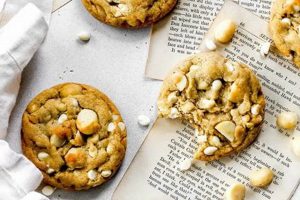
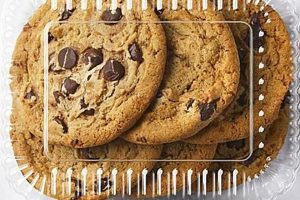
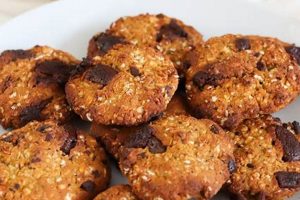
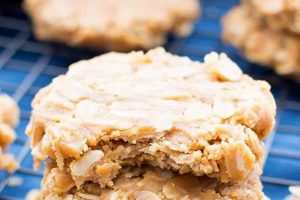
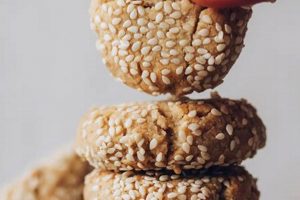
A specific type of baked treat is crafted without using animal products, such as butter, which is traditionally a key component. Plant-based fats like coconut oil or vegan butter alternatives are substituted to achieve a similar tender and crumbly texture. These baked goods offer an inclusive option for individuals following a dietary lifestyle that excludes all animal-derived ingredients.
The adaptation of classic recipes to accommodate plant-based diets is gaining prominence, reflecting increasing awareness of ethical and environmental concerns related to animal agriculture. The absence of dairy enables a wider range of individuals, including those with lactose intolerance or dairy allergies, to enjoy this confection. Furthermore, these variations can potentially offer a different nutritional profile depending on the ingredients used.
The subsequent sections will detail various plant-based ingredients suitable for this baking application, provide guidance on achieving optimal texture and flavor, and explore adaptations to traditional recipes. The purpose is to present practical information for creating and enjoying these baked goods.
Guidance for Plant-Based Shortbread Production
The following recommendations aim to improve the creation of this particular variant of shortbread, ensuring optimal texture, flavor, and structural integrity.
Tip 1: Ingredient Selection: Prioritize high-quality plant-based butter alternatives. These significantly influence the final texture. Opt for brands with a high fat content and minimal water to replicate the richness of traditional butter.
Tip 2: Chilling the Dough: Extended refrigeration of the dough before baking is crucial. A minimum of one hour, ideally longer, allows the fat to solidify, preventing excessive spreading during baking and promoting a crumbly texture.
Tip 3: Precise Measuring: Accuracy in ingredient quantities is paramount. Use a kitchen scale for the most precise measurements, particularly for the flour and fat components. Inconsistent ratios can adversely affect the final product.
Tip 4: Low Baking Temperature: Maintain a consistent, low oven temperature, typically between 300-325F (150-160C). This prevents rapid browning and allows for even baking, ensuring a tender interior.
Tip 5: Docking the Dough: Before baking, prick the dough surface with a fork. This process, known as docking, releases steam and prevents the shortbread from puffing up unevenly.
Tip 6: Cooling Process: Allow the shortbread to cool completely in the baking pan before handling. This allows the structure to firm up, reducing the risk of breakage.
Tip 7: Sugar Selection: Granulated sugar can be used, but powdered sugar (also known as icing sugar or confectioners’ sugar) contributes to a more delicate and melt-in-your-mouth texture. Ensure the powdered sugar is vegan-friendly (some brands may contain bone char processed sugar).
Adhering to these recommendations will increase the likelihood of achieving a palatable product with a desirable crumbly consistency, characteristic of well-executed baked items without animal derivatives.
The subsequent portion of this resource will focus on recipe adaptations and considerations for storage.
1. Ingredient Substitutions

The creation of these particular baked goods necessitates precise ingredient substitutions to replicate the texture and flavor profile of traditional shortbread while adhering to vegan dietary guidelines. The most critical substitution involves replacing butter, a dairy product, with plant-based alternatives. This alteration affects not only the ethical considerations but also the fat content, melting behavior, and overall structure of the baked product. Various vegan butter substitutes, coconut oil, and other plant-based fats are viable options. The choice significantly impacts the final crumb and taste. For instance, coconut oil imparts a subtle coconut flavor, while some vegan butter alternatives more closely mimic the taste and texture of dairy butter. The success of these cookies hinges on selecting the correct substitute for butter.
Beyond butter, ingredient adjustments may be needed for other components. Some refined sugars are processed using bone char, rendering them unsuitable for strict vegan diets. Alternatives include unrefined cane sugar, beet sugar, or other plant-based sweeteners. Furthermore, the type of flour used can influence the texture; a lower protein flour (such as cake flour) is often favored to minimize gluten development and promote a tender crumb. The careful selection of these plant-based substitutes is crucial for achieving the desired outcome.
In summary, skillful ingredient substitutions are fundamental to the successful production of these baked goods. This process is a balancing act, requiring attention to detail and an understanding of how each ingredient contributes to the final product. While the goal is to maintain the essence of traditional shortbread, these replacements open opportunities for flavor variations and dietary inclusivity, thus expanding the appeal of this classic treat.
2. Fat Content
In vegan shortbread production, the fat content dictates the final texture and mouthfeel, directly influencing palatability. The traditional high fat content of shortbread, primarily derived from butter, contributes to its characteristic crumbly texture by inhibiting gluten development and providing a tender, melt-in-the-mouth sensation. Substituting butter with plant-based fats necessitates careful consideration to replicate this effect. Insufficient fat results in a dry, tough cookie, while excessive fat leads to spreading during baking and a greasy texture. Achieving the correct fat content is therefore a critical control point.
Examples of plant-based fats used include vegan butter alternatives, coconut oil, and refined vegetable oils. Each option presents distinct characteristics. Vegan butter alternatives, designed to mimic dairy butter, generally provide the closest approximation to the traditional texture. Coconut oil, in contrast, contributes a subtle coconut flavor and, due to its saturated fat content, can yield a relatively firm cookie. Refined vegetable oils, while neutral in flavor, may lack the emulsifying properties of butter or vegan butter, potentially affecting the dough’s cohesion. Therefore, the specific type and quantity of fat must be carefully calibrated to achieve the desired result.
In summary, maintaining an appropriate fat content is paramount in this context. Successful vegan shortbread relies on skillfully selecting and incorporating plant-based fats to replicate the textural qualities of traditional shortbread. Understanding the unique properties of each fat source, and adjusting the recipe accordingly, represents a key challenge in vegan baking. Overcoming this hurdle is essential to crafting a plant-based version that satisfies consumer expectations and adheres to vegan principles.
3. Gluten Structure

Gluten structure plays a crucial role in determining the texture and overall quality of baked goods. In the context of plant-based shortbread, managing gluten development is essential to achieving the desired crumbly, tender consistency that characterizes this particular treat. Unlike bread, where a strong gluten network is desirable, shortbread requires minimal gluten formation.
- Flour Selection
The type of flour significantly impacts gluten development. Lower-protein flours, such as pastry flour or cake flour, contain less gluten-forming proteins compared to all-purpose or bread flour. Utilizing these lower-protein flours reduces the potential for excessive gluten formation, contributing to a more tender crumb in vegan shortbread.
- Fat Content’s Influence
A high fat content, a hallmark of shortbread, naturally inhibits gluten development. Plant-based fats, when adequately incorporated, coat the flour particles, preventing them from fully hydrating and forming long, elastic gluten strands. This interference ensures the shortbread maintains its characteristic crumbly texture, regardless of the flour type used.
- Mixing Technique
Overmixing activates gluten development, leading to a tougher texture. Minimal mixing, just until the dough comes together, is crucial in plant-based shortbread production. This technique prevents the gluten proteins from forming strong bonds, preserving the desired tenderness. Gentle handling of the dough is key to minimizing gluten development.
- Resting Time
Although extended resting of bread dough often encourages gluten development, chilling the shortbread dough primarily solidifies the fat, not activates gluten. A period of refrigeration before baking is beneficial, but its purpose is to prevent excessive spreading in the oven, rather than to enhance gluten formation. The resting time primarily targets fat solidification.
Controlling gluten structure is paramount in creating plant-based shortbread that mirrors the texture of its traditional counterpart. By selecting appropriate flours, maintaining a high fat content, employing minimal mixing techniques, and understanding the impact of resting time, it is possible to create a vegan shortbread with a delicate, crumbly texture achieved through limiting gluten development.
4. Sweetness Balance
Maintaining a precise sweetness level is critical in the successful execution of plant-based shortbread. The objective is to complement, not overwhelm, the buttery and subtle flavors of the underlying ingredients. An imbalance can detract from the overall sensory experience, impacting consumer satisfaction.
- Sugar Type Influence
Different sugars contribute varying degrees of sweetness and textural properties. Granulated sugar provides a clean, direct sweetness, while powdered sugar, due to its finer consistency and cornstarch content (in some cases), contributes a more delicate, melt-in-the-mouth texture along with a less intense sweetness. The choice of sugar affects the perceived sweetness level and the final product’s structure. Using liquid sweeteners introduces moisture, potentially altering the intended crumbly texture.
- Fat Interference
The high fat content characteristic of shortbread interacts with the perception of sweetness. Fat coats the tongue, slowing the release of sugar molecules and muting the intensity of sweetness. Therefore, the sweetness level must be adjusted to compensate for the masking effect of the plant-based fats. A recipe with a lower fat content necessitates a reduction in sugar to prevent excessive sweetness.
- Ingredient Flavor Profiles
Plant-based butter alternatives and other vegan ingredients possess inherent flavor profiles that interact with the added sweetness. For example, coconut oil imparts a distinct flavor that can complement or clash with certain sweeteners. The sweetness level must be carefully calibrated to harmonize with these underlying flavor notes, creating a balanced and palatable final product. The flavor from ingredients is important in vegan cooking in general.
- Baking Time Impact
Prolonged baking times at elevated temperatures can intensify the sweetness of certain sugars through caramelization. If caramelization occurs, it alters both the flavor and the perceived sweetness. It is important to note that vegan butters often contain more moisture content, affecting bake times when compared to traditional shortbread recipes.
Achieving sweetness balance in plant-based shortbread necessitates a thorough understanding of sugar types, the interplay between fat and sweetness perception, ingredient flavor profiles, and the influence of baking time. Precise measurements and careful adjustments are crucial to creating a confection that satisfies consumer expectations without being overly sweet or lacking in depth of flavor. Vegan shortbread can be a versatile and creative option.
5. Baking Temperature

Baking temperature is a critical determinant in the creation of a satisfactory final product, particularly within the realm of plant-based shortbread. Its precise control influences texture, color, and overall structural integrity, necessitating careful consideration to achieve optimal results.
- Enzyme Activity Modulation
Temperature directly affects enzyme activity within the dough. At lower temperatures, enzymatic reactions proceed more slowly, potentially influencing the breakdown of starches and proteins. This modulation can impact the dough’s plasticity and the cookie’s final crumb structure. For example, insufficient heat retards enzyme activity, potentially leading to a denser cookie.
- Fat Melting Point Interaction
The baking temperature must be considered alongside the melting point of the plant-based fats used. Coconut oil, for instance, has a relatively low melting point. Excessive oven heat before the cookie sets can cause it to spread excessively, resulting in a thin, brittle product. Conversely, a temperature too low may not fully render the fat, affecting the cookie’s tenderness.
- Maillard Reaction Influence
The Maillard reaction, a non-enzymatic browning process, is highly temperature-dependent. At appropriate baking temperatures, this reaction contributes to the development of desirable color and flavor compounds on the cookie’s surface. Insufficient heat inhibits this reaction, resulting in a pale, bland product. Excessive heat promotes rapid browning, potentially leading to a burnt or bitter taste. The time that vegan shortbread should be baking depends on baking temperature.
- Moisture Evaporation Control
Temperature governs the rate of moisture evaporation during baking. Slow, even evaporation promotes a tender, uniform texture, while rapid evaporation can lead to a dry, cracked surface. Plant-based butter alternatives often contain higher water content than dairy butter, necessitating adjustments to baking time and temperature to achieve the desired level of moisture retention.
The successful creation of these baked goods, therefore, hinges on a thorough understanding of the interplay between baking temperature and ingredient properties. Precise control over this parameter is essential for achieving the desired texture, color, and flavor characteristics, ensuring a palatable final product that adheres to plant-based dietary guidelines.
6. Storage Stability

Storage stability, referring to the retention of desired qualities over time, is a critical consideration in the production and distribution of plant-based shortbread. The inherent characteristics of vegan ingredients, particularly fat sources and moisture content, influence the shelf life and sensory attributes of the final product. Proper storage practices are essential to mitigate degradation and maintain consumer satisfaction.
- Fat Oxidation and Rancidity
Plant-based fats, often high in unsaturated fatty acids, are susceptible to oxidation. Exposure to oxygen, light, and heat accelerates this process, leading to rancidity and off-flavors. Proper packaging with barrier properties, such as airtight containers or modified atmosphere packaging, minimizes oxygen exposure. Storage in a cool, dark environment further retards oxidation, preserving flavor and aroma. Antioxidants, natural or synthetic, can be incorporated into the recipe to extend shelf life.
- Moisture Migration and Texture Changes
Plant-based shortbread is susceptible to moisture migration, leading to undesirable texture changes. High-humidity environments cause the cookies to absorb moisture, resulting in a soft, soggy texture. Conversely, dry environments can lead to excessive moisture loss, causing the cookies to become brittle and crumbly. Proper packaging that minimizes moisture transfer, such as moisture-proof films, is crucial. Desiccants may be included in the packaging to absorb excess moisture.
- Starch Retrogradation and Staling
Starch retrogradation, the recrystallization of starch molecules, contributes to staling and texture deterioration. This process is accelerated by cold temperatures, thus affecting the crumbly texture. Proper storage strategies, such as airtight containers at room temperature, slow down starch retrogradation. The addition of specific ingredients, such as modified starches or hydrocolloids, can further mitigate staling.
- Microbial Growth and Spoilage
While the low water activity of shortbread generally inhibits microbial growth, certain mold species can still proliferate under specific conditions. Proper sanitation during production and packaging minimizes microbial contamination. The inclusion of preservatives, such as potassium sorbate or sodium benzoate, can inhibit mold growth, extending the shelf life. Careful attention to water content is an important aspect.
These factors collectively emphasize the importance of careful attention to storage stability when creating plant-based shortbread. Implementing appropriate packaging, storage conditions, and, if necessary, preservatives is essential to ensure that the product retains its desired qualities throughout its intended shelf life, delivering a satisfactory consumer experience that reflects both product quality and adherence to ethical dietary guidelines.
Frequently Asked Questions
The following addresses common inquiries regarding the production and characteristics of shortbread crafted without animal-derived ingredients.
Question 1: Does the absence of butter significantly alter the flavor profile?
The flavor is altered, although not necessarily detrimentally. Plant-based butter alternatives aim to mimic the taste of dairy butter. However, slight variations are often discernible. The specific plant-based fat used (e.g., coconut oil, vegan butter blend) will impart its own subtle nuance to the overall flavor.
Question 2: Is it possible to achieve the same crumbly texture without butter?
Yes, achieving a similar crumbly texture is attainable. The key lies in selecting appropriate plant-based fat with a high fat content and carefully managing gluten development. Extended chilling of the dough before baking also contributes significantly to a crumbly texture.
Question 3: Are these shortbread suitable for individuals with nut allergies?
Suitability for individuals with nut allergies depends entirely on the recipe and the specific ingredients used. Some plant-based butter alternatives may contain nut-derived oils. Ingredient labels should be thoroughly reviewed to ensure compliance with dietary restrictions.
Question 4: What is the optimal storage method to maintain freshness?
Optimal storage involves an airtight container at room temperature. This minimizes moisture absorption and retards the staling process. Refrigeration is generally not recommended, as it can accelerate starch retrogradation and lead to a drier texture.
Question 5: How does the baking time compare to traditional shortbread?
Baking time may vary depending on the specific recipe and oven characteristics. Plant-based fats often have different melting points and moisture contents compared to dairy butter, influencing the required baking time. Careful monitoring is advised to prevent over-baking or under-baking.
Question 6: Are there significant nutritional differences compared to traditional shortbread?
Nutritional differences are dependent on the specific ingredients used. Plant-based versions may contain different fatty acid profiles, potentially lower cholesterol levels (as no animal products are used), and different levels of certain vitamins and minerals. A detailed nutritional analysis requires specific knowledge of the recipe composition.
In summary, skillful execution and adherence to proper techniques are essential for successfully creating plant-based shortbread that retains the desired characteristics of the traditional confection.
The following section will delve into recipe variations and creative adaptations of this culinary treat.
Conclusion
This exploration has illuminated the key considerations surrounding plant-based shortbread production, specifically “shortbread cookies vegan”. Critical aspects, including ingredient substitutions, fat content management, gluten structure control, sweetness balance, baking temperature regulation, and storage stability, have been examined. Mastery of these elements is crucial for achieving a palatable and ethically aligned product.
As dietary preferences evolve and ethical considerations gain prominence, the demand for plant-based alternatives will likely increase. Continued refinement of recipes and techniques will be essential to ensure that these “shortbread cookies vegan” maintain the desired texture, flavor, and overall quality that consumers expect. Further research into alternative ingredients and processing methods may unlock new possibilities for improving the sensory and nutritional attributes of this classic treat.