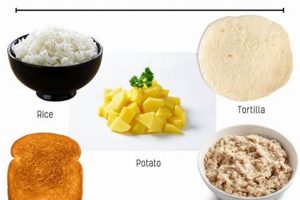
Plant-based morning meals that prioritize umami, salty, and tangy flavors, as opposed to sweet ones, constitute a distinct culinary category. Examples include tofu scrambles seasoned with turmeric and black salt, vegetable-packed breakfast burritos with plant-based chorizo, and savory oatmeal enriched with nutritional yeast and sauteed greens. These options offer a departure from traditional breakfast fare often dominated by sugary cereals, pastries, and fruit-based dishes.
The increasing interest in alternatives to conventionally sweet morning meals stems from several factors, including health considerations such as managing blood sugar levels and promoting sustained energy. A focus on savory flavors allows for greater incorporation of vegetables, legumes, and whole grains, contributing to a more nutrient-dense and balanced dietary intake. Historically, savory breakfasts have been prevalent in various cultures around the world, demonstrating a global appreciation for diverse flavor profiles in the morning.
The subsequent discussion will delve into specific recipes, ingredient considerations, and preparation techniques for creating satisfying and nourishing plant-based, non-sweet morning meals. This will cover utilizing various protein sources, maximizing flavor through spice combinations, and achieving desirable textures to ensure a fulfilling culinary experience.
Essential Considerations for Plant-Based Savory Morning Meals
The following guidelines offer practical advice for creating delicious and nutritionally balanced plant-based, non-sweet morning meals. These tips emphasize flavor development, nutrient optimization, and ingredient selection.
Tip 1: Prioritize Plant-Based Protein Sources: Incorporate protein-rich ingredients such as tofu, tempeh, lentils, beans, and seeds. These provide essential amino acids for satiety and muscle maintenance. Example: A tofu scramble with black beans and salsa.
Tip 2: Embrace Umami-Rich Ingredients: Utilize ingredients that enhance savory flavors. Mushrooms, sun-dried tomatoes, nutritional yeast, and miso paste contribute depth and complexity. Example: Adding sauteed mushrooms and nutritional yeast to a vegan breakfast burrito.
Tip 3: Master Spice Blends: Experiment with spice combinations to create unique flavor profiles. Smoked paprika, cumin, chili powder, turmeric, and garlic powder can transform simple dishes. Example: Using a blend of smoked paprika, cumin, and chili powder to season vegan chorizo.
Tip 4: Incorporate Vegetables Generously: Include a variety of vegetables to increase nutrient density and textural interest. Leafy greens, bell peppers, onions, and tomatoes are versatile additions. Example: A breakfast hash with potatoes, onions, bell peppers, and spinach.
Tip 5: Explore Grain and Seed Options: Consider incorporating grains and seeds beyond oats. Quinoa, millet, and chia seeds can be used in savory porridges or as additions to breakfast bowls. Example: Savory quinoa porridge with sauteed vegetables and a sprinkle of hemp seeds.
Tip 6: Prepare Components in Advance: Save time by preparing ingredients ahead of time. Chopping vegetables, cooking grains, and making spice blends can streamline the morning cooking process. Example: Pre-chopping vegetables on Sunday for quick and easy weekday breakfast scrambles.
These guidelines provide a foundation for crafting fulfilling and healthful plant-based morning meals that challenge conventional sweetness preferences. By focusing on nutrient-rich ingredients and strategic flavor combinations, it is possible to create satisfying alternatives that support overall well-being.
The subsequent sections will explore specific recipe ideas and address common challenges encountered in plant-based cooking, further enhancing the reader’s ability to create innovative and delicious non-sweet morning meals.
1. Tofu Versatility

Tofu’s capacity to assume diverse textures and flavors renders it a cornerstone ingredient in the creation of plant-based, non-sweet morning meals. Its mild inherent taste allows it to readily absorb seasonings, making it suitable for mimicking the savory profiles of meat and eggs. This adaptability directly contributes to the feasibility of creating satisfying and familiar breakfast dishes without animal products. For example, firm or extra-firm tofu can be crumbled and seasoned with turmeric and black salt to emulate the appearance and flavor of scrambled eggs. The texture can be further adjusted by pressing the tofu to remove excess moisture, resulting in a drier, more substantial mouthfeel.
The practical application of tofu’s versatility extends beyond simple egg replacements. Tofu can be incorporated into breakfast burritos, frittatas, and even breakfast sausages. Its capacity to bind with other ingredients makes it an effective base for creating cohesive dishes. Furthermore, silken tofu can be blended into savory sauces or used as a creamy component in breakfast bowls, providing a smooth texture and a subtle protein boost. The nutritional profile of tofu, including its high protein content and essential amino acids, also contributes to its value as a breakfast staple.
In summary, the adaptability of tofu is integral to the success of plant-based, non-sweet morning meals. Its neutral flavor and variable texture enable the creation of a wide range of savory dishes, overcoming the limitations often associated with traditional vegetarian or vegan breakfast options. The challenges of achieving satisfying textures and flavors in plant-based cuisine are effectively addressed through strategic utilization of this protein source, furthering the accessibility and appeal of plant-based diets.
2. Umami maximization

The strategic enhancement of umami flavors is critical in formulating satisfying plant-based, non-sweet morning meals. Umami, often described as a savory or meaty taste, contributes depth and complexity to dishes, mitigating the reliance on sweetness prevalent in conventional breakfast options. Effectively maximizing umami is essential for creating palatable and compelling culinary experiences within the realm of plant-based cuisine.
- Glutamate-Rich Ingredients
Incorporating ingredients naturally high in glutamates, such as tomatoes, mushrooms, and seaweed, provides a foundation for umami-rich dishes. Sun-dried tomatoes, roasted mushrooms, and nori flakes significantly amplify savory qualities. For example, adding sauteed shiitake mushrooms and sun-dried tomatoes to a tofu scramble elevates the flavor profile, providing a richer, more substantial taste that mimics the savory satisfaction associated with meat-based breakfasts. The inherent glutamates in these components create a base layer of umami complexity.
- Fermented Foods
Fermented products, including miso, soy sauce, and nutritional yeast, serve as potent umami boosters. These ingredients undergo fermentation processes that increase glutamate levels, resulting in intensified savory notes. Incorporating miso paste into a savory oatmeal or sprinkling nutritional yeast on a breakfast hash introduces a layer of depth that enhances the overall gustatory experience. The concentrated umami derived from fermentation provides a significant impact, effectively balancing other flavors and creating a more compelling dish.
- Strategic Cooking Techniques
Employing cooking methods that promote Maillard reactions and caramelization can unlock umami potential. Searing, roasting, and caramelizing vegetables intensifies their inherent flavors and generates additional savory compounds. For example, caramelizing onions or roasting bell peppers before adding them to a breakfast burrito elevates their inherent sweetness and contributes a layer of savory complexity. These techniques transform simple vegetables into powerful umami components, adding depth and character to plant-based dishes.
- Synergistic Ingredient Combinations
Combining ingredients that individually possess umami qualities can create a synergistic effect, resulting in a more pronounced and complex savory flavor. Pairing tomatoes with mushrooms or soy sauce with seaweed amplifies the overall umami impact. A breakfast bowl containing quinoa, roasted vegetables, avocado, and a drizzle of tamari exemplifies this principle, creating a holistic and satisfying savory experience. The strategic combination of multiple umami sources ensures a well-rounded and compelling flavor profile.
The application of these umami maximization strategies is paramount in formulating plant-based, non-sweet morning meals that compete with the appeal of traditional breakfast fare. By carefully selecting ingredients, employing appropriate cooking techniques, and strategically combining flavors, it is possible to create dishes that are not only nutritious but also profoundly satisfying. The deliberate focus on umami is a critical factor in expanding the horizons of plant-based cuisine and attracting a wider audience to its potential.
3. Plant-based protein sources

The integration of adequate protein is paramount in the design and execution of plant-based, non-sweet morning meals. Protein contributes to satiety, muscle maintenance, and overall nutritional balance. Sourcing protein from plant-based origins necessitates a conscious approach to ingredient selection and preparation, given the absence of animal-derived options.
- Tofu and Tempeh
Tofu and tempeh, derived from soybeans, offer complete protein profiles suitable for savory morning meals. Tofu, with its mild flavor, readily absorbs seasonings, making it adaptable to scrambles, breakfast burritos, or as a component in savory breakfast bowls. Tempeh, with its firmer texture and nutty flavor, can be crumbled and seasoned to mimic breakfast sausage or bacon. Their incorporation ensures a substantial protein intake without animal products.
- Legumes: Lentils and Beans
Lentils and beans provide a cost-effective and versatile source of protein and fiber. Green or brown lentils can be incorporated into savory oatmeal or used as a base for a breakfast hash. Black beans or pinto beans are common fillings in plant-based breakfast burritos. Their inclusion not only boosts protein content but also contributes to sustained energy levels due to their high fiber content.
- Seeds and Nuts
Seeds, such as chia, hemp, and flax seeds, and nuts, including almonds and walnuts, offer concentrated sources of protein and healthy fats. Chia seeds can be added to savory porridges or sprinkled atop breakfast bowls for increased nutritional value. Nuts can be incorporated into granola or used as a topping for savory dishes, contributing both protein and textural diversity.
- Plant-Based Protein Powders
Plant-based protein powders, derived from sources such as pea, brown rice, or soy, can be added to smoothies or savory breakfast creations to augment protein intake. These powders offer a convenient way to increase protein levels without significantly altering the flavor or texture of the dish. They are particularly useful for individuals with elevated protein requirements or those seeking a quick and efficient protein boost.
The deliberate incorporation of these plant-based protein sources is essential for creating satisfying and nutritionally complete non-sweet morning meals. Strategic combinations of these ingredients can ensure adequate protein intake while adhering to plant-based dietary principles. By understanding the unique properties of each protein source, culinary professionals and home cooks can effectively design and execute innovative and healthful plant-based breakfast options.
4. Nutritional yeast utilization

Nutritional yeast serves as a key component in the realm of plant-based, non-sweet morning meals due to its unique flavor profile and nutritional benefits. It provides a savory, umami-rich flavor, often described as cheesy or nutty, that enhances the palatability of vegan dishes. Its inherent flavor characteristics effectively mimic the taste of cheese, a common ingredient in traditional savory breakfasts, thereby bridging the gap for individuals transitioning to a plant-based diet. A direct consequence of nutritional yeast utilization is the amplified flavor depth in dishes such as tofu scrambles, breakfast hashes, and savory oatmeal, making them more appealing and satisfying.
The practical significance of understanding nutritional yeast’s role extends beyond its flavor-enhancing properties. It is a valuable source of B vitamins, including vitamin B12, which is often lacking in plant-based diets. This nutritional contribution makes it a beneficial addition to plant-based morning meals, addressing potential nutrient deficiencies. For example, sprinkling nutritional yeast on a breakfast burrito or incorporating it into a savory sauce not only improves the taste but also increases the nutritional value of the meal. Its texture, often described as flaky or powdery, readily integrates into various dishes without significantly altering the overall consistency.
In summary, the deliberate incorporation of nutritional yeast into plant-based, non-sweet morning meals offers a multifaceted approach to flavor enhancement and nutritional fortification. It effectively addresses the challenge of replicating savory flavors in the absence of animal products and contributes to the overall nutritional adequacy of plant-based diets. Understanding its properties and applications allows for the creation of more compelling and healthful plant-based breakfast options, expanding the accessibility and appeal of vegan cuisine.
5. Vegetable integration

Vegetable integration forms a cornerstone of plant-based, non-sweet morning meals. The absence of animal products necessitates a reliance on plant-derived nutrients, with vegetables playing a pivotal role in providing vitamins, minerals, fiber, and antioxidants. Their incorporation contributes to the nutritional density and flavor complexity of plant-based breakfasts, mitigating the dependence on processed ingredients or simple carbohydrates. For instance, a tofu scramble incorporating spinach, bell peppers, and onions offers a more balanced nutritional profile and a more nuanced flavor compared to a plain tofu scramble. The cause-and-effect relationship is direct: increased vegetable inclusion results in enhanced nutritional value and sensory appeal.
The practical significance of understanding this connection is evident in recipe development and dietary planning. Plant-based, non-sweet morning meals are often designed around a base of vegetables, to which protein sources and flavor enhancers are added. Examples include breakfast hashes featuring potatoes, sweet potatoes, and root vegetables, or breakfast burritos filled with roasted vegetables and plant-based chorizo. The selection of vegetables can be tailored to seasonal availability and personal preferences, allowing for diverse and creative breakfast options. The key lies in strategic combinations that complement each other in both flavor and texture, ensuring a satisfying and well-rounded culinary experience.
In summary, vegetable integration is not merely an optional addition but an essential element in the creation of plant-based, non-sweet morning meals. Its impact extends beyond nutritional considerations, influencing flavor profiles and overall culinary appeal. The challenge lies in mastering the art of vegetable preparation and combination, ensuring that these ingredients are showcased effectively. Understanding this dynamic is crucial for those seeking to create delicious, healthful, and sustainable plant-based breakfast options, aligning with broader goals of promoting plant-forward dietary patterns.
6. Creative spice blends
The formulation of inventive spice combinations is paramount in crafting compelling plant-based, non-sweet morning meals. The absence of animal-derived ingredients necessitates a strategic approach to flavor development, with spices serving as a critical tool for achieving desired savory profiles.
- Enhancement of Umami and Depth
Spice blends can significantly amplify umami notes and add depth to plant-based dishes. Combinations incorporating smoked paprika, garlic powder, and onion powder contribute to a savory base reminiscent of traditional meat-based breakfasts. A breakfast burrito, for example, can be transformed by a blend of cumin, chili powder, and coriander, creating a flavor profile comparable to chorizo. Such strategic use of spices addresses the challenge of replicating savory flavors in the absence of meat.
- Mimicking Traditional Flavors
Spice blends are instrumental in replicating the flavors of conventional breakfast items. A combination of turmeric, black salt (kala namak), and nutritional yeast can effectively mimic the taste of eggs in a tofu scramble. The black salt imparts a sulfuric aroma, closely resembling the distinctive smell of cooked eggs, while turmeric provides a visual cue, mimicking the color. This approach allows for the creation of familiar and comforting dishes within a plant-based framework.
- Balancing and Complexity
Spice blends contribute to overall flavor balance and complexity in plant-based meals. A blend of warming spices, such as cinnamon, nutmeg, and ginger, can be incorporated into savory oatmeal or quinoa porridge to create a balanced and aromatic dish. The addition of a pinch of cayenne pepper can introduce a subtle heat that contrasts with the other flavors, adding a layer of complexity. This strategic balancing prevents dishes from becoming monotonous or one-dimensional.
- Masking and Complementing Ingredients
Spice blends can be used to mask undesirable flavors or complement the inherent tastes of certain ingredients. For instance, a spice blend containing ginger and garlic can effectively mask the slightly bitter taste of some vegetables, such as kale or collard greens. Furthermore, spices like thyme and rosemary can complement the earthy flavors of mushrooms and root vegetables, enhancing their overall appeal. This approach allows for the utilization of a wider range of plant-based ingredients, promoting dietary diversity.
The strategic deployment of creative spice blends is thus a crucial element in the successful formulation of plant-based, non-sweet morning meals. These blends not only enhance flavor but also contribute to the overall nutritional profile and culinary appeal of these dishes. The ability to replicate familiar flavors, balance taste profiles, and mask undesirable components underscores the importance of mastering spice combinations in plant-based cuisine.
7. Alternative grains exploration

The exploration of alternative grains is a significant component in the formulation of diverse and nutritious plant-based, non-sweet morning meals. The reliance on conventional grains, such as oats and wheat, can limit the variety of flavors, textures, and nutrient profiles available in such diets. The substitution or addition of alternative grains expands the culinary possibilities and ensures a more comprehensive intake of essential nutrients, thus directly impacting the quality and appeal of savory plant-based breakfasts. Examples include incorporating quinoa, millet, buckwheat, or amaranth into morning meals, each offering unique textures and nutritional benefits distinct from traditional options.
The practical application of alternative grain exploration is evident in numerous recipe adaptations. Quinoa, for instance, can be prepared as a savory porridge, seasoned with vegetables, herbs, and spices, providing a protein-rich and gluten-free alternative to oatmeal. Millet can be used as a base for breakfast bowls, topped with sauteed greens, roasted vegetables, and a plant-based protein source. Buckwheat flour can be utilized to create savory pancakes or crepes, filled with vegetable-based fillings. Amaranth, with its small size and slightly nutty flavor, can be added to breakfast hashes or used as a topping for breakfast salads. The integration of these grains addresses the need for diverse flavors and textures, while also contributing valuable nutrients such as fiber, vitamins, and minerals.
In summary, the exploration of alternative grains is an integral aspect of developing innovative and healthful plant-based, non-sweet morning meals. It mitigates the limitations associated with conventional grains, enhances culinary diversity, and promotes a more balanced nutritional intake. The challenge lies in familiarizing oneself with the unique properties and preparation methods of these grains, ensuring their effective integration into existing recipes or the creation of novel breakfast options. Understanding the link between grain diversity and dietary quality is crucial for those seeking to optimize the nutritional value and palatability of plant-based breakfasts.
Frequently Asked Questions
The following section addresses common inquiries regarding the preparation and consumption of plant-based, non-sweet morning meals. The information presented aims to clarify misconceptions and provide practical guidance.
Question 1: Are plant-based, non-sweet morning meals nutritionally complete?
The nutritional completeness of plant-based, non-sweet morning meals depends on the diversity and balance of ingredients. A well-planned meal should include a source of plant-based protein (e.g., tofu, tempeh, lentils), complex carbohydrates (e.g., whole grains, vegetables), and healthy fats (e.g., avocado, nuts, seeds). Particular attention should be paid to micronutrient intake, including vitamin B12, iron, and calcium, as deficiencies are possible in poorly planned plant-based diets.
Question 2: Can plant-based, non-sweet morning meals provide adequate satiety?
Satiety in plant-based, non-sweet morning meals is primarily achieved through the inclusion of fiber-rich vegetables, whole grains, and protein sources. Fiber promotes feelings of fullness and helps regulate blood sugar levels, preventing rapid energy crashes. Protein contributes to satiety by slowing digestion and stimulating the release of appetite-regulating hormones. Combining these macronutrients creates a meal that provides sustained energy and reduces cravings.
Question 3: How can savory flavors be effectively achieved in plant-based breakfasts?
Savory flavors in plant-based breakfasts are cultivated through the strategic use of umami-rich ingredients, spice blends, and cooking techniques. Ingredients such as mushrooms, sun-dried tomatoes, nutritional yeast, and miso paste contribute depth and complexity. Spice blends containing smoked paprika, cumin, and garlic powder can replicate the flavors of traditional meat-based dishes. Searing, roasting, and caramelizing vegetables intensify their inherent flavors, adding further layers of savoriness.
Question 4: Are plant-based, non-sweet morning meals time-consuming to prepare?
The preparation time for plant-based, non-sweet morning meals varies depending on the complexity of the recipe. However, many quick and easy options are available, such as tofu scrambles, breakfast burritos with pre-cooked vegetables, and savory oatmeal. Meal prepping components in advance, such as chopping vegetables or cooking grains, can significantly reduce morning preparation time. With proper planning, plant-based breakfasts can be as convenient as traditional options.
Question 5: Can plant-based, non-sweet morning meals be suitable for individuals with dietary restrictions?
Plant-based, non-sweet morning meals can be adapted to accommodate various dietary restrictions, including gluten intolerance, soy allergies, and nut allergies. Gluten-free grains, such as quinoa and millet, can be substituted for wheat-based products. Soy-free alternatives, such as tempeh made from chickpeas or fava beans, can replace tofu. Nut-free seed butters, such as sunflower seed butter, can be used in place of nut butters. Careful ingredient selection and recipe modification allow for customization to meet individual needs.
Question 6: Is a plant-based, non-sweet morning meal suitable for athletes or individuals with high energy demands?
Plant-based, non-sweet morning meals can be suitable for athletes and individuals with high energy demands, provided they are adequately calorie-dense and protein-rich. Incorporating ingredients such as legumes, tofu, tempeh, nuts, seeds, and whole grains ensures sufficient protein and carbohydrate intake. Adding healthy fats from avocado, nuts, and seeds contributes to overall calorie density. Athletes may benefit from consuming larger portions or supplementing with plant-based protein powders to meet their increased energy and protein requirements.
In summary, plant-based, non-sweet morning meals offer a viable and nutritious alternative to traditional breakfast options, provided that careful attention is paid to ingredient selection, meal planning, and individual dietary needs.
The subsequent section will explore specific recipe ideas and modifications to further aid in the creation of innovative and satisfying non-sweet morning meals.
Savory Breakfast Ideas Vegan
The preceding exploration has illuminated the multifaceted nature of plant-based, non-sweet morning meals. The analysis encompassed strategic protein sourcing, umami maximization, vegetable integration, the formulation of creative spice blends, and the diversification of grain selection. Understanding these core principles enables the crafting of nutritious and palatable alternatives to traditionally sweet breakfast fare. The presented guidelines and responses to frequently asked questions are intended to equip individuals with the knowledge necessary to create satisfying and well-balanced plant-based morning meals.
The adoption of such dietary practices extends beyond mere culinary preference, potentially impacting personal health and environmental sustainability. Further investigation and practical application of these principles may lead to a broader acceptance and appreciation of plant-based diets, contributing to a more informed and conscientious approach to food consumption. The continued evolution and refinement of plant-based culinary techniques remain essential for fostering a more inclusive and sustainable food system.