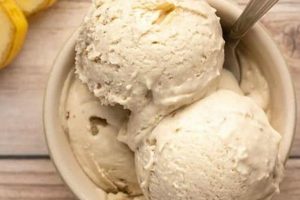
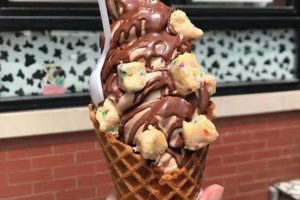
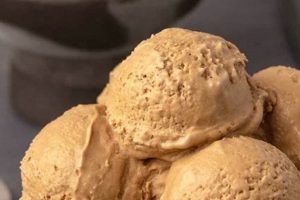
A frozen dessert alternative prepared without animal products or heating ingredients above a specified temperature, typically around 118F (48C). It relies on fruits, nuts, seeds, and natural sweeteners for flavor and texture, differentiating it from conventional dairy-based or even traditionally prepared vegan frozen desserts. Consider, for example, a blend of frozen bananas, cashews, dates, and vanilla bean processed to achieve a creamy, ice cream-like consistency.
This dessert option appeals to individuals adhering to both raw foodism and veganism, offering a guilt-free treat that aligns with their dietary principles. Benefits can include a high concentration of naturally occurring vitamins, minerals, and enzymes, depending on the ingredients used. Its historical context arises from the intersection of the raw food movement’s emphasis on preserving nutritional value and the vegan movement’s commitment to animal welfare.
The following sections will delve into ingredient selection, preparation techniques, nutritional considerations, and the growing popularity of this specialized frozen dessert category.
Raw Vegan Ice Cream
Achieving optimal results requires careful attention to ingredient selection, preparation techniques, and storage considerations. The following tips offer guidance for producing high-quality raw vegan frozen desserts.
Tip 1: Optimize Ingredient Temperature: Freezing fruits, particularly bananas, to a solid state before blending is crucial for achieving a creamy texture. Ensure fruits are frozen for at least 24 hours prior to use.
Tip 2: Employ High-Powered Blending Equipment: Standard blenders may struggle to process frozen ingredients to a smooth consistency. Utilize a high-powered blender or food processor to avoid graininess and achieve a desirable texture.
Tip 3: Hydrate Nuts and Seeds Adequately: Soaking nuts and seeds, such as cashews or sunflower seeds, for several hours or overnight softens them and improves their blendability, resulting in a smoother final product.
Tip 4: Incorporate Natural Sweeteners Strategically: Dates, maple syrup, or agave nectar can be used as natural sweeteners. Add them gradually and taste-test to achieve the desired level of sweetness without overpowering the other flavors.
Tip 5: Avoid Over-Blending: Prolonged blending can generate heat, potentially compromising the “raw” aspect of the dessert and altering the texture. Blend only until the ingredients are fully incorporated and smooth.
Tip 6: Consider Flavor Pairings Carefully: Experiment with complementary flavors to create unique and balanced profiles. Classic combinations include chocolate and peanut butter, berry and vanilla, or mango and coconut.
Tip 7: Utilize Stabilizers (Optional): For a firmer consistency, consider adding small amounts of natural stabilizers such as agar-agar or lecithin. Use these sparingly to avoid altering the natural texture.
Tip 8: Properly Freeze for Serving: Transfer the blended mixture to a freezer-safe container and freeze for at least 2-3 hours to achieve a scoopable consistency. Avoid prolonged freezing, which can lead to ice crystal formation.
Adhering to these preparation guidelines can significantly enhance the quality, texture, and flavor profile of raw vegan frozen desserts, ensuring a satisfying and palatable experience.
The subsequent section will explore the nutritional benefits and potential drawbacks associated with this specialized dietary choice.
1. Ingredient Sourcing

Ingredient sourcing represents a critical determinant in the quality, nutritional profile, and ethical implications of raw vegan ice cream. The selection process dictates the dessert’s overall integrity, influencing its taste, texture, and alignment with consumer values.
- Origin Transparency
The geographic origin of ingredients directly impacts their quality and potential environmental footprint. For example, sourcing mangoes from regions with sustainable farming practices ensures minimal harm to local ecosystems and supports fair labor standards. Conversely, opaque sourcing practices obscure potential issues related to pesticide use or worker exploitation.
- Organic Certification
Obtaining certified organic ingredients mitigates exposure to synthetic pesticides, herbicides, and genetically modified organisms (GMOs). This certification provides a verifiable assurance that the ingredients meet specific standards throughout the cultivation and processing stages, contributing to a healthier and more environmentally conscious product. However, organic certification may not always be accessible or affordable for all producers, presenting a sourcing challenge.
- Seasonality and Locality
Prioritizing seasonal and locally sourced ingredients reduces transportation distances and supports local economies. Using seasonal fruits, such as berries in the summer, maximizes flavor and nutrient density while minimizing carbon emissions associated with long-distance shipping. This approach also fosters a closer connection between consumers and producers, promoting transparency and accountability within the supply chain.
- Fair Trade Practices
Adhering to fair trade principles ensures that farmers and workers receive fair compensation and work under safe conditions. Sourcing ingredients like cocoa or vanilla through fair trade certified suppliers supports ethical labor practices and promotes sustainable development in developing countries. This aspect appeals to consumers who prioritize social responsibility and ethical consumption.
The convergence of these sourcing factors collectively shapes the final product. Strategic decisions regarding origin transparency, organic certification, seasonality, and fair trade practices directly influence the nutritional value, environmental impact, and ethical considerations associated with raw vegan ice cream, highlighting the significance of informed sourcing strategies.
2. Nutrient Preservation
The preparation of raw vegan ice cream inherently prioritizes nutrient preservation. Because ingredients are not subjected to high heat, heat-sensitive vitamins, enzymes, and antioxidants remain largely intact. This distinguishes it from conventional ice cream production, where pasteurization and cooking processes can degrade some of these beneficial compounds. For example, the enzyme activity in raw cacao, often used in chocolate-flavored varieties, is better maintained in raw preparations compared to roasted cacao.
The use of specific ingredients further contributes to nutrient retention. Fruits, a primary component, contribute vitamins like Vitamin C, which is known to degrade with heat. Nuts and seeds, typically unroasted, provide essential fatty acids and minerals, also vulnerable to high-temperature processing. Furthermore, the avoidance of artificial additives and preservatives aligns with a focus on wholesome ingredients, preventing the introduction of substances with limited nutritional value. The specific choice of ingredients, such as incorporating berries known for their high antioxidant content, actively boosts the product’s nutritional density.
Despite the focus on preservation, certain factors can still impact nutrient levels. Prolonged storage, even at freezing temperatures, can lead to gradual degradation. The maturity of fruits at the time of preparation and the method of freezing both influence final nutrient content. Therefore, while raw vegan ice cream presents a viable means of preserving nutrients relative to cooked alternatives, careful ingredient selection and storage practices remain essential to maximize its nutritional potential. A challenge lies in accurately quantifying the nutrient content of individual preparations, as variability in ingredient quality and preparation techniques can introduce inconsistencies.
3. Texture Optimization

Texture optimization in raw vegan ice cream represents a critical factor determining its palatability and consumer acceptance. Unlike conventional ice cream that relies on dairy fats for its characteristic creaminess, raw vegan variations must derive their texture from plant-based sources, often requiring sophisticated techniques to emulate the desired mouthfeel. Improper texture yields a product that can be icy, grainy, or excessively hard, thereby detracting from the overall sensory experience. Consider, for instance, a cashew-based recipe; insufficient blending or inadequate soaking of the cashews leads to a gritty texture, negating the intended smoothness. Conversely, over-blending can generate excessive heat, compromising its ‘raw’ status and potentially altering its structure. Therefore, precise manipulation of ingredients and blending parameters are essential for achieving optimal texture.
The practical implications of texture optimization extend to ingredient selection and preparation methods. High-powered blenders or food processors are frequently employed to pulverize frozen fruits, nuts, and seeds into a homogenous mixture. The strategic use of natural stabilizers, such as lecithin or agar-agar, can further improve the structural integrity and prevent ice crystal formation during freezing. The temperature of ingredients also plays a pivotal role; pre-freezing fruits before blending significantly enhances the creaminess of the final product. For example, bananas, when frozen and blended, contribute a naturally creamy texture, reducing the need for excessive amounts of nuts or other fats. Proper soaking of nuts, like cashews, is crucial to soften them and improve their blendability, resulting in a smoother consistency.
In conclusion, texture optimization stands as a non-negotiable aspect of successful raw vegan ice cream production. Addressing challenges in ingredient selection, specialized equipment requirements, and precise blending techniques becomes essential to achieve a product that emulates the desired creamy texture of traditional ice cream. The understanding and application of these principles elevate the sensory appeal, making it a commercially viable and palatable alternative. The broader theme links back to the overarching goal of providing plant-based alternatives without sacrificing the enjoyment and textural satisfaction associated with conventional desserts.
4. Flavor Complexity

The inherent challenge in raw vegan ice cream lies in achieving flavor complexity comparable to traditional dairy-based counterparts. Flavor complexity, defined as the presence of multiple interacting flavor notes that evolve over time, is intrinsically linked to fat content and protein interactions found in dairy. Raw vegan alternatives must, therefore, rely on strategic combinations of fruits, nuts, seeds, and spices to mimic this intricate flavor profile. The absence of dairy fat necessitates a sophisticated approach to ingredient selection and processing to compensate for the lack of inherent richness and depth.
One common technique involves layering complementary flavors to create a multi-sensory experience. For example, a chocolate-based raw vegan ice cream might incorporate raw cacao powder for bitterness, dates for sweetness, vanilla extract for aroma, and a pinch of sea salt to enhance the overall flavor perception. The careful balancing of these elements is crucial to prevent any single flavor from overpowering the others. Furthermore, the fermentation of certain ingredients, such as cashew cream, can introduce subtle tangy notes that add another layer of complexity, mirroring the lactic acid fermentation found in dairy products. Consider also the integration of spices such as cardamom or cinnamon, which contribute warmth and aromatic depth, further elevating the flavor profile beyond simple sweetness.
The pursuit of flavor complexity in raw vegan ice cream is not merely an aesthetic goal but a fundamental requirement for its widespread adoption. Overcoming the perception that plant-based desserts lack richness and depth demands innovative techniques and a thorough understanding of flavor interactions. While replicating the exact flavor profile of dairy ice cream may be unattainable, achieving a comparable level of complexity and satisfaction is essential for establishing raw vegan options as viable and compelling alternatives. Ongoing research and experimentation with novel ingredients and processing methods hold the key to unlocking further advancements in flavor complexity, solidifying the position of raw vegan ice cream within the broader dessert landscape.
5. Equipment Needs

The production of raw vegan ice cream necessitates specific equipment to achieve desired textures and maintain the integrity of raw ingredients. Standard kitchen tools may prove insufficient, requiring investment in specialized appliances.
- High-Powered Blenders
Conventional blenders often lack the power required to process frozen fruits, nuts, and seeds into a smooth, creamy consistency. High-powered blenders, equipped with robust motors and hardened blades, are essential for breaking down these ingredients without generating excessive heat. Models designed for commercial use, while expensive, offer superior performance and durability, especially in high-volume production. The use of an inadequate blender results in a grainy, icy product, undermining the intended texture of raw vegan ice cream.
- Food Processors
Food processors serve a complementary role in raw vegan ice cream production. They are particularly useful for chopping nuts, seeds, and dates into smaller pieces before blending, reducing the strain on the blender and ensuring even incorporation. Food processors also facilitate the creation of nut butters or seed pastes, which contribute to the creamy texture of certain recipes. The absence of a food processor may necessitate manual chopping, increasing preparation time and potentially leading to uneven ingredient distribution.
- Freezer with Adequate Cooling Capacity
Maintaining a consistently low temperature is crucial for proper freezing and storage of raw vegan ice cream. Freezers with insufficient cooling capacity may result in ice crystal formation, compromising the texture and quality of the product. Stand-alone freezers or deep freezers are preferable to standard refrigerator freezers, as they offer more consistent and lower temperatures. Precise temperature control is vital for preventing the degradation of delicate flavors and textures in raw preparations.
- Ice Cream Maker (Optional)
While not strictly necessary, an ice cream maker can enhance the texture and consistency of raw vegan ice cream. Models equipped with a built-in compressor eliminate the need for pre-freezing the bowl, streamlining the production process. The churning action of the ice cream maker introduces air into the mixture, resulting in a lighter and creamier final product. However, the effectiveness of an ice cream maker depends on the recipe and the pre-blended consistency of the ingredients. It serves as an auxiliary tool, refining the final product rather than replacing the need for high-quality blending equipment.
Acquiring appropriate equipment represents a significant investment in raw vegan ice cream production. The choice of equipment directly impacts the texture, flavor, and overall quality of the final product, necessitating careful consideration of cost, performance, and durability.
6. Dietary Alignment

The selection of raw vegan ice cream as a dietary component reflects adherence to specific and often restrictive dietary principles. This alignment is not arbitrary but is predicated on core tenets of both raw foodism and veganism, influencing ingredient choices and preparation methods.
- Vegan Ethical Considerations
Veganism prohibits the consumption of all animal products, including dairy, eggs, and honey. Raw vegan ice cream inherently complies with this ethical stance by utilizing only plant-based ingredients. This alignment is fundamental, representing the primary motivation for many consumers seeking this dessert alternative. The implications extend beyond personal consumption, often reflecting a broader commitment to animal welfare and environmental sustainability.
- Raw Foodism Principles
Raw foodism emphasizes the consumption of uncooked and unprocessed foods, ideally maintaining them below a specific temperature threshold (typically around 118F or 48C) to preserve enzymes and nutrients. Raw vegan ice cream adheres to this principle by employing methods that avoid cooking or pasteurization. For instance, the blending of frozen fruits and pre-soaked nuts exemplifies a raw preparation technique, ensuring enzyme activity is retained. This facet distinguishes raw vegan ice cream from traditionally made vegan ice cream, which may involve cooking or baking processes.
- Ingredient Purity and Minimal Processing
Both raw and vegan diets prioritize whole, unrefined foods. Raw vegan ice cream typically excludes artificial additives, preservatives, and refined sugars. Ingredients like dates, maple syrup, or coconut sugar are preferred as natural sweeteners. This emphasis on purity aligns with a broader commitment to minimizing processed food intake, often driven by health concerns or a desire for cleaner eating. The implications involve careful scrutiny of ingredient labels and a preference for organic or locally sourced components.
- Dietary Restriction Management
For individuals with specific allergies or intolerances (e.g., dairy, gluten, soy), raw vegan ice cream can provide a suitable dessert option. Careful ingredient selection allows for the exclusion of common allergens, making it accessible to a wider range of dietary needs. This adaptability underscores its value as a customizable and inclusive dessert, catering to individuals who may have limited choices in conventional dessert offerings. However, cross-contamination risks must be carefully considered, particularly when purchasing commercially prepared versions.
The convergence of these facets underscores the deliberate nature of incorporating raw vegan ice cream into a dietary regimen. The desserts alignment with both vegan ethical standards and raw foodism principles, coupled with its emphasis on ingredient purity and its suitability for managing dietary restrictions, positions it as a specialized and consciously chosen dietary component.
7. Freezing process

The freezing process represents a critical control point in raw vegan ice cream production, significantly influencing the final texture, stability, and overall palatability of the product. Deviation from optimal freezing parameters can result in undesirable outcomes, ranging from excessive ice crystal formation to textural instability during thawing.
- Ice Crystal Formation
The rate of freezing directly impacts ice crystal size. Slow freezing promotes the growth of larger ice crystals, leading to a grainy or icy texture. Conversely, rapid freezing inhibits crystal growth, resulting in a smoother, creamier consistency. Commercial blast freezers, often employed in large-scale production, facilitate rapid freezing. Home freezers, typically slower, require strategies such as pre-chilling the mixture and using small containers to mitigate ice crystal formation. The absence of stabilizers, common in conventional ice cream, necessitates meticulous control over the freezing rate in raw vegan formulations.
- Texture Stability
The freezing process influences the long-term texture stability of raw vegan ice cream. Repeated freeze-thaw cycles promote ice recrystallization, leading to a progressive coarsening of the texture. Proper storage practices, including maintaining a consistently low temperature and minimizing temperature fluctuations, are crucial for preventing this degradation. The inherent lack of dairy fats, which contribute to texture stability in conventional ice cream, necessitates careful formulation and adherence to optimal freezing and storage protocols to maintain a desirable texture over time. Air tight container is really effective for texture stability.
- Ingredient Interactions
The freezing process affects the interactions between different ingredients in raw vegan ice cream. The solubility and crystallization behavior of sugars, the hydration of nuts and seeds, and the emulsification of fats all undergo changes during freezing. These interactions influence the final texture and flavor perception. For example, the type and concentration of natural sweeteners, such as dates or maple syrup, impact the freezing point and the resulting hardness of the ice cream. Understanding and controlling these interactions is essential for creating a balanced and harmonious flavor profile.
- Fat Emulsification and Distribution
While raw vegan ice cream lacks dairy fat, it typically contains plant-based fats from nuts, seeds, or coconut. The freezing process affects the emulsification and distribution of these fats, which contribute to the perceived creaminess of the product. Insufficient emulsification results in a greasy or oily texture, while excessive emulsification can lead to a dense or gummy texture. Techniques such as using high-speed blending equipment and incorporating emulsifiers like lecithin can improve fat distribution and enhance the overall sensory experience. This is a vital key for raw vegan ice cream because no dairy.
The interplay of these factors underscores the complexity of the freezing process in raw vegan ice cream production. Controlling ice crystal formation, maintaining texture stability, understanding ingredient interactions, and optimizing fat emulsification are all essential for creating a high-quality product that meets consumer expectations. These considerations highlight the importance of precise process control and careful formulation in achieving the desired characteristics of raw vegan frozen desserts.
Frequently Asked Questions About Raw Vegan Ice Cream
This section addresses common inquiries and misconceptions surrounding raw vegan ice cream, providing clear and concise information to aid understanding.
Question 1: Is all vegan ice cream inherently “raw”?
No. The terms “vegan” and “raw” are distinct. Vegan ice cream excludes animal products, whereas raw ice cream also avoids heating ingredients above a specified temperature, generally accepted to be around 118F (48C). Many commercially available vegan ice creams utilize cooked or pasteurized ingredients, thereby disqualifying them as “raw.”
Question 2: What equipment is truly essential for making raw vegan ice cream at home?
While specialized equipment enhances the process, a high-powered blender is the most critical investment. It is necessary to break down frozen fruits, nuts, and seeds into a smooth consistency. A standard freezer with adequate cooling capacity is also vital. Optional, but helpful, additions include a food processor and ice cream maker.
Question 3: How does raw vegan ice cream achieve a creamy texture without dairy fats?
Creaminess is primarily derived from plant-based fats found in nuts, seeds, and coconut, coupled with the manipulation of ice crystal size. Soaking nuts before blending and rapidly freezing the mixture after blending contribute to a smoother texture. Certain ingredients, such as bananas, also contribute natural creaminess when frozen and blended.
Question 4: Can raw vegan ice cream be stored long-term, and how should it be done?
While it can be stored, long-term storage may impact texture due to ice crystal formation. It is best stored in airtight containers in a freezer with a consistent low temperature. Minimizing temperature fluctuations and avoiding repeated freeze-thaw cycles helps preserve the quality. Consume within a reasonable timeframe (ideally within a few weeks) for optimal results.
Question 5: Are there specific health risks associated with consuming raw vegan ice cream?
Potential risks primarily relate to food safety. Improper handling or storage of raw ingredients can lead to bacterial contamination. It is vital to source ingredients from reputable suppliers and to maintain strict hygiene practices during preparation. Individuals with compromised immune systems should exercise caution.
Question 6: Is raw vegan ice cream nutritionally superior to traditional ice cream?
The nutritional profile varies depending on the ingredients used. Raw vegan ice cream can be higher in vitamins, minerals, and antioxidants compared to traditional ice cream, particularly if it incorporates fruits, nuts, and seeds. However, it can also be higher in sugar and fat, depending on the recipe. A balanced dietary approach and awareness of portion sizes are essential.
In summary, raw vegan ice cream represents a specialized dessert choice that requires careful consideration of ingredients, preparation techniques, and storage practices. Understanding its unique characteristics enables informed consumption.
The subsequent section will address commercial availability and market trends related to raw vegan ice cream.
Raw Vegan Ice Cream
This exploration of raw vegan ice cream has illuminated its multifaceted nature, extending beyond a simple dessert alternative. The intricacies of ingredient sourcing, the criticality of nutrient preservation, the challenges of texture optimization, and the pursuit of flavor complexity collectively define its production landscape. The equipment demands, dietary alignment, and freezing process require diligent consideration to yield a palatable and ethically sound product. This is to produce a high-quality raw vegan ice cream that meets consumer expectations.
The information presented herein serves as a foundation for informed decision-making, both for producers and consumers. The continued refinement of techniques and the adoption of responsible sourcing practices will determine the sustained viability and acceptance of raw vegan ice cream within the broader food market. Future advancements must address scalability, cost-effectiveness, and enhanced nutritional profiles to solidify its position as a compelling and sustainable dessert option.