Plant-based diets, when carefully constructed, can provide ample protein through the strategic combination of legumes, grains, nuts, seeds, and certain vegetables. These dietary strategies focus on maximizing protein intake from non-animal sources, addressing a common nutritional concern associated with veganism. A lentil soup paired with quinoa, for instance, delivers a substantial amount of protein alongside essential amino acids.
Adequate protein consumption is critical for tissue repair, muscle development, and overall physiological function. Individuals following a completely plant-based dietary pattern can achieve optimal protein intake by prioritizing protein-rich plant foods. This approach ensures they receive the necessary building blocks for a healthy and active lifestyle, while aligning with ethical or environmental values.
The following sections will detail a range of specific food options and recipe ideas that demonstrate how to achieve a high protein intake within a vegan framework. These examples aim to provide practical guidance for individuals seeking to optimize their plant-based nutrition.
Strategies for Optimizing Protein Intake on a Vegan Diet
The following recommendations are designed to assist individuals in maximizing protein consumption while adhering to a vegan dietary pattern. Proper planning is crucial for ensuring nutritional adequacy.
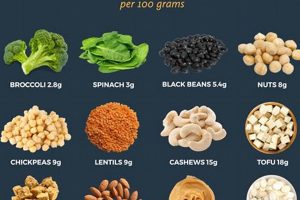
Tip 1: Prioritize Legumes: Incorporate beans, lentils, peas, and chickpeas into daily meals. These foods are excellent sources of protein and fiber. For example, a cup of cooked lentils provides approximately 18 grams of protein.
Tip 2: Integrate Whole Grains: Choose whole grains like quinoa, brown rice, and oats, which offer more protein and nutrients than refined grains. Quinoa, in particular, is a complete protein, containing all nine essential amino acids.
Tip 3: Include Nuts and Seeds: Consume a variety of nuts and seeds, such as almonds, chia seeds, and hemp seeds. These are rich in protein, healthy fats, and micronutrients. A serving of hemp seeds provides a significant amount of protein and omega-3 fatty acids.
Tip 4: Consider Tofu and Tempeh: Tofu and tempeh are soy-based products that are high in protein and can be used in a variety of dishes. They offer a versatile base for incorporating plant-based protein into meals.
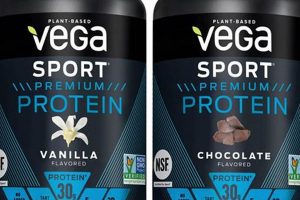
Tip 5: Utilize Protein Powders Strategically: Vegan protein powders, such as pea protein or brown rice protein, can supplement protein intake when needed. These are useful for individuals with increased protein requirements or those seeking a convenient protein source.
Tip 6: Diversify Vegetable Choices: Include protein-rich vegetables like spinach, broccoli, and asparagus in the diet. While vegetables provide less protein per serving compared to legumes, they contribute to overall nutrient intake.
These strategies aim to provide practical guidance for increasing protein intake within a vegan framework, ensuring adequate nutrition for optimal health.
Further research into specific recipes and meal planning techniques will further enhance the ability to maintain a high-protein vegan diet.
1. Legumes are essential

Legumes are foundational to achieving substantial protein intake within a vegan dietary pattern. Their high protein content, coupled with their relative affordability and versatility, makes them indispensable components. The absence of legumes from a vegan diet significantly complicates the process of meeting daily protein requirements, often necessitating reliance on less efficient or more expensive protein sources.
The direct impact of legume consumption on protein intake is readily demonstrable. For instance, a single cup of cooked chickpeas provides approximately 15 grams of protein. When integrated into meals such as in hummus, chickpea salads, or stews this contribution is significant. Individuals consistently incorporating legumes into their diet are more likely to satisfy their protein needs compared to those who do not. The high fiber content of legumes also contributes to satiety, aiding in weight management, and supporting stable blood sugar levels.
Therefore, a strategic approach to vegan meal planning necessitates the prioritization of legumes. While other plant-based protein sources contribute, legumes serve as the cornerstone, ensuring both adequate protein provision and a broader array of nutritional benefits. The consistent and informed consumption of legumes is a critical determinant of the nutritional success of a high-protein vegan diet.
2. Grains increase protein

The inclusion of grains within vegan meal planning directly impacts the overall protein content. While often recognized primarily as sources of carbohydrates, certain grains, particularly whole grains, contribute a significant quantity of protein to a diet. This contribution is integral to formulating vegan meals that are sufficiently protein-rich to meet nutritional requirements. The effect of incorporating protein-rich grains is quantifiable and demonstrable through dietary analysis. For example, quinoa, a pseudocereal, offers a complete amino acid profile, providing approximately 8 grams of protein per cooked cup. This contrasts with refined grains, such as white rice, which offer comparatively less protein per serving.
The practical significance of understanding the protein contribution of various grains lies in the ability to strategically combine them with other plant-based protein sources. For instance, a meal pairing lentils, rich in lysine, with brown rice, which is comparatively higher in methionine, creates a complementary amino acid profile, maximizing the usable protein from the meal. Conversely, neglecting the protein content of grains and relying solely on vegetables may result in meals that are calorically adequate but deficient in essential amino acids. This knowledge is especially crucial for athletes or individuals with elevated protein needs who adhere to vegan dietary patterns.
In conclusion, recognizing grains as a contributing protein source is essential for designing nutritionally complete vegan meals. While grains alone may not provide all the necessary protein, their integration with other protein-rich plant foods optimizes the overall protein intake. The challenge lies in selecting whole grains over refined options and understanding the amino acid profiles of various grains to create complementary protein combinations. This understanding ensures the effective implementation of high-protein vegan dietary strategies.
3. Nuts and seeds supplementation

The strategic incorporation of nuts and seeds is a significant factor in achieving optimal protein intake within vegan dietary constructs. While nuts and seeds contribute to overall caloric and micronutrient intake, their protein density makes them a valuable supplemental component, particularly when formulating meals designed to be protein-rich. The effect of this supplementation is demonstrable through nutritional analysis, which consistently highlights the enhanced protein profile of meals incorporating nuts and seeds compared to those that omit them.
The practical application of this understanding involves the deliberate selection and integration of diverse nuts and seeds into daily meals and snacks. For example, the addition of a quarter cup of almonds (approximately 6 grams of protein) to a morning oatmeal or the inclusion of sunflower seeds (approximately 6 grams of protein per quarter cup) in a lunchtime salad augments the protein content. Nut and seed butters, such as peanut butter or tahini (sesame seed butter), also provide concentrated sources of protein and healthy fats. Regularly incorporating these elements is essential for individuals relying solely on plant-based sources to meet their protein requirements.
In conclusion, strategic supplementation with nuts and seeds is an effective method for enhancing the protein density of vegan meals. While nuts and seeds should be consumed in moderation due to their caloric density, their protein contribution is undeniable. Utilizing a variety of nuts and seeds, and incorporating them intentionally into meals, represents a practical approach to achieving adequate protein intake within the confines of a vegan dietary pattern.
4. Tofu, tempeh versatility

Tofu and tempeh, both derived from soybeans, offer exceptional versatility as protein sources within the framework of vegan diets. Their adaptability extends across a wide spectrum of culinary applications, facilitating the creation of numerous protein-rich meals.
- Flavor Neutrality as a Culinary Asset
Tofu’s relatively bland flavor profile allows it to absorb and complement a diverse range of seasonings and sauces. This characteristic makes tofu suitable for adaptation into various cultural cuisines, from Asian stir-fries to Western-style scrambles and even desserts. Tempeh, while possessing a slightly nutty and fermented flavor, similarly lends itself to diverse preparations, including grilling, frying, and baking.
- Textural Adaptability for Diverse Applications
Tofu is available in varying degrees of firmness, enabling its use in both smooth purees and substantial, chewy preparations. Silken tofu contributes a creamy texture to sauces and desserts, while extra-firm tofu can be pressed to remove excess moisture, yielding a dense and meat-like consistency suitable for grilling or stir-frying. Tempeh’s inherently firm and chewy texture makes it an ideal substitute for meat in sandwiches, stir-fries, and even crumbled “meat” sauces.
- Nutritional Profile and Protein Content
Both tofu and tempeh are complete proteins, containing all nine essential amino acids required by the human body. A single serving of either provides a substantial amount of protein, making them efficient choices for those seeking to increase protein intake on a vegan diet. Additionally, they are relatively low in saturated fat and provide other essential nutrients, such as iron and calcium.
- Ease of Preparation and Incorporation
Tofu and tempeh require minimal preparation, making them convenient options for quick and easy meals. Tofu can be pan-fried, baked, or added directly to soups and stews. Tempeh can be steamed, grilled, or crumbled into sauces. Their readily available nature and ease of integration into various recipes further contribute to their versatility as protein sources in vegan meal planning.
The combined attributes of flavor neutrality, textural adaptability, nutritional density, and ease of preparation render tofu and tempeh indispensable components of a well-planned, protein-rich vegan diet. Their capacity to seamlessly integrate into diverse culinary traditions and accommodate various cooking methods underscores their importance in achieving dietary goals while adhering to vegan principles. The strategic utilization of tofu and tempeh enhances the nutritional quality and palatability of vegan meals.
5. Protein powders valuable additions

Vegan protein powders serve as a targeted strategy for augmenting dietary protein intake, especially when aligning with the principles of formulating meals designed to be nutritionally complete and high in protein. Their relevance lies in addressing potential protein deficiencies or enhancing protein intake for individuals with elevated requirements.
- Addressing Dietary Gaps
Vegan diets, while nutritionally sound, may present challenges in achieving optimal protein levels, particularly for individuals with increased protein demands, such as athletes or those recovering from illness. Protein powders, derived from sources like pea, brown rice, or soy, provide a concentrated protein source to bridge these gaps and ensure adequate intake. A post-workout smoothie incorporating vegan protein powder exemplifies this application.
- Convenience and Time Efficiency
The preparation of protein-rich vegan meals can sometimes be time-consuming, necessitating careful planning and preparation of whole food sources. Protein powders offer a convenient and rapid means of increasing protein consumption, allowing for quick incorporation into shakes, smoothies, or even baked goods. This aspect is particularly valuable for individuals with demanding schedules.
- Targeted Amino Acid Supplementation
While a well-planned vegan diet can provide all essential amino acids, strategic supplementation with specific protein powders can optimize the amino acid profile of meals. For example, combining rice protein, which is lower in lysine, with pea protein, which is rich in lysine, creates a more complete amino acid profile. This targeted approach allows for the creation of nutritionally superior meals.
- Enhanced Palatability and Texture
The incorporation of protein powders can improve the palatability and texture of certain vegan meals. They can be used to create smoother, creamier smoothies, enhance the texture of baked goods, or even add a protein boost to soups and sauces. This enhancement can improve adherence to a high-protein vegan diet, particularly for individuals who may find it challenging to consume sufficient protein from whole food sources alone.
The utilization of protein powders, therefore, represents a tactical approach to maximizing the protein content of vegan meals, addressing specific dietary needs, and enhancing the overall nutritional profile. While whole food sources should remain the foundation of a healthy vegan diet, protein powders serve as a valuable adjunct, particularly when formulating protein-packed meals for individuals with specific protein requirements.
6. Vegetables provide support

While legumes, grains, nuts, seeds, and soy-based products constitute the primary protein sources in a vegan diet, vegetables offer crucial support in achieving optimal nutritional balance and ensuring adequate protein consumption.
- Amino Acid Complementarity
Although vegetables are not typically considered high-protein foods, they contribute valuable amino acids to the overall dietary profile. Combining vegetables with other plant-based protein sources enhances the amino acid complementarity of a meal. For instance, pairing a grain-based dish with a serving of leafy green vegetables provides a more balanced amino acid intake than relying solely on the grain. Green peas are rich in lysine which is necessary for protein packed vegan meals.
- Micronutrient Enhancement
Vegetables are rich sources of vitamins, minerals, and antioxidants that are essential for overall health and well-being. These micronutrients play a critical role in supporting protein synthesis, digestion, and other metabolic processes necessary for utilizing protein effectively. A diet focused exclusively on isolated protein sources, devoid of sufficient vegetable intake, may lack the necessary micronutrients to optimize protein utilization.
- Dietary Fiber Contribution
Vegetables are significant sources of dietary fiber, which promotes satiety and supports healthy digestion. Adequate fiber intake helps regulate blood sugar levels and prevents excessive calorie consumption, facilitating weight management and overall metabolic health. These benefits are crucial for maintaining a healthy body composition while consuming a high-protein vegan diet.
- Volume and Satiety
The high volume and low caloric density of many vegetables contribute to satiety, helping individuals feel fuller for longer periods. This can be particularly beneficial when adhering to a high-protein diet, as it can help prevent overeating and support weight management goals. Incorporating a variety of vegetables into meals increases their overall volume without significantly increasing calorie intake, making it easier to manage hunger and cravings.
In conclusion, while vegetables may not be the primary drivers of protein intake in a vegan diet, their contribution to amino acid complementarity, micronutrient provision, dietary fiber, and satiety is undeniable. Integrating a diverse range of vegetables into meals supports the efficient utilization of protein from other sources, promotes overall health, and contributes to the long-term sustainability of a protein-packed vegan dietary pattern.
Frequently Asked Questions
The following questions address common concerns and misconceptions surrounding the implementation and efficacy of high-protein vegan dietary strategies. The information presented aims to provide clarity and evidence-based guidance.
Question 1: Is it genuinely feasible to obtain sufficient protein on a completely vegan diet?
Yes, it is demonstrably feasible. Strategic planning, informed food selection, and the prioritization of protein-rich plant sources enable individuals to meet their protein requirements without consuming animal products. This requires diligent attention to dietary composition and awareness of individual protein needs.
Question 2: What are the primary plant-based protein sources to focus on for optimal intake?
Key sources include legumes (lentils, beans, chickpeas), grains (quinoa, amaranth), nuts and seeds (almonds, hemp seeds, chia seeds), and soy-based products (tofu, tempeh). These foods provide substantial quantities of protein and essential amino acids. Combining these sources strategically ensures a complete amino acid profile.
Question 3: How does the protein quality of plant-based sources compare to animal-based sources?
While some plant-based protein sources are incomplete proteins (lacking one or more essential amino acids in sufficient quantities), combining complementary protein sources throughout the day ensures adequate intake of all essential amino acids. This approach mitigates the limitations associated with individual plant-based sources.
Question 4: Is it necessary to supplement with protein powders to meet protein requirements on a vegan diet?
Supplementation is not universally necessary but can be beneficial in specific circumstances. Athletes, individuals with increased protein needs, or those struggling to meet their requirements through whole foods may benefit from incorporating vegan protein powders into their diets. Consultation with a registered dietitian is recommended to determine individual needs.
Question 5: Are there any potential downsides or risks associated with consuming a high-protein vegan diet?
Potential downsides include inadequate intake of certain micronutrients (vitamin B12, iron, calcium) if the diet is not properly planned. Furthermore, excessive consumption of certain plant-based protein sources (e.g., soy) may present concerns for individuals with specific sensitivities or medical conditions. A balanced and varied diet, coupled with appropriate supplementation, minimizes these risks.
Question 6: How does one effectively track protein intake to ensure adequacy on a vegan diet?
Tracking protein intake can be accomplished through various methods, including utilizing food tracking apps, consulting with a registered dietitian for personalized meal planning, and familiarizing oneself with the protein content of common plant-based foods. Consistent monitoring and adjustments are essential for maintaining optimal protein levels.
Achieving adequate protein intake on a vegan diet requires informed planning and a commitment to prioritizing protein-rich plant sources. Addressing potential nutritional gaps and seeking professional guidance when needed is crucial for optimizing health and well-being.
The subsequent section will delve into practical strategies for meal planning and recipe development, further empowering individuals to implement protein-packed vegan dietary strategies.
Protein Packed Vegan Meals
The preceding analysis demonstrates that the implementation of a protein-packed vegan dietary pattern is not only feasible but also nutritionally sound. The strategic combination of legumes, grains, nuts, seeds, and soy-based products, coupled with careful attention to micronutrient intake, facilitates the attainment of optimal protein levels and overall health. The exploration of these food groups and dietary strategies provides a solid foundation for individuals seeking to embrace plant-based nutrition without compromising protein intake.
The ongoing evolution of plant-based food options and increased awareness of vegan nutritional principles present a promising future for sustainable and ethical dietary practices. Further research and education will continue to refine strategies for optimizing protein intake and addressing potential nutritional gaps, solidifying the role of protein-packed vegan meals as a viable and impactful dietary choice for a growing segment of the population. Individuals are encouraged to seek guidance from qualified nutrition professionals to personalize their dietary plans and ensure long-term adherence and well-being.