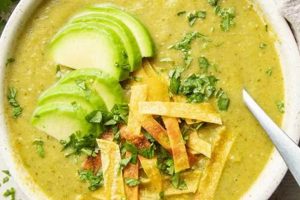
A plant-based dish featuring the starchy root vegetable and leafy green, alongside other ingredients, crafted without any animal-derived products, represents a complete and balanced meal option. This preparation exemplifies a commitment to dietary choices that exclude meat, dairy, eggs, and honey.
Its significance stems from its nutritional profile, offering fiber, vitamins, and minerals. Furthermore, such a culinary approach often aligns with ethical considerations, promoting environmental sustainability and animal welfare. The incorporation of hearty ingredients provides satiety, potentially aiding in weight management and promoting overall well-being.
The following sections will explore variations in recipe development, offering guidance on ingredient selection, cooking techniques, and strategies for enhancing flavor profiles of this type of soup. Considerations for dietary modifications and allergy awareness will also be addressed, providing a holistic understanding.
Preparation Guidance
The following guidelines provide actionable steps to optimize the creation of a specific type of soup.
Tip 1: Utilize Appropriate Potato Varieties: Select potatoes based on desired texture. Waxy potatoes, such as red potatoes, maintain their shape during cooking, while starchy potatoes, like Russets, will contribute to a creamier consistency. The choice influences the overall mouthfeel of the finished product.
Tip 2: Optimize Kale Preparation: Remove the tough stems from kale leaves prior to cooking. Chopping the kale into uniform pieces ensures even cooking. Massaging kale with olive oil or lemon juice can tenderize the leaves before adding them to the soup.
Tip 3: Enhance Flavor Depth with Aromatics: Sauting onions, garlic, and celery in olive oil before adding the remaining ingredients lays a foundational flavor base. Proper caramelization of these aromatics enhances the overall savory profile.
Tip 4: Employ a High-Quality Vegetable Broth: The quality of the vegetable broth directly impacts the final taste. Consider using homemade broth or a low-sodium, organic variety to control sodium levels and enhance flavor clarity.
Tip 5: Consider Blending for Texture: For a creamier soup without dairy, blend a portion of the finished soup using an immersion blender or standard blender. This integrates the flavors and creates a smoother consistency.
Tip 6: Incorporate Nutritional Yeast: Adding nutritional yeast provides a cheesy, savory element to the soup, enriching its umami character. Start with a small amount and adjust to taste preference.
Tip 7: Season Judiciously: Seasoning should be adjusted throughout the cooking process. Salt, pepper, and other herbs and spices should be added gradually to achieve a balanced and complex flavor profile.
Adherence to these recommendations will contribute to a more flavorful and texturally appealing culinary product. Emphasis on quality ingredients and proper technique are essential for optimal results.
The subsequent sections will address specific recipe examples, providing concrete applications of these guidelines.
1. Affordable ingredients

The utilization of affordable ingredients is a defining characteristic of the dish and a primary driver of its accessibility. Potatoes, a globally available and inexpensive staple crop, form the base of the soup, providing bulk and nutritional value at a low cost. Similarly, kale, a widely cultivated leafy green, offers essential vitamins and minerals without significantly impacting the overall expense. The incorporation of these items, alongside commonly available and budget-friendly aromatics such as onions, garlic, and carrots, ensures the dish remains a viable option for individuals and families with limited financial resources. The cause-and-effect relationship is evident: the use of affordable ingredients directly translates to a lower cost per serving, enhancing the appeal of the meal.
The significance of affordability extends beyond mere cost savings. It allows for consistent incorporation of nutritious meals into the diet, especially for those who may otherwise rely on less healthy, processed alternatives. Example recipes often feature pantry staples such as dried herbs, vegetable bouillon cubes, and canned beans to further reduce expenses. The practical outcome is that access to healthy, plant-based meals becomes more equitable, bridging the gap between dietary needs and financial constraints. This consideration is especially relevant in regions or communities with limited access to fresh produce or economic hardships.
In summary, the core connection between affordability and the specified vegan soup stems from the deliberate selection of ingredients that minimize cost while maximizing nutritional benefit. This emphasis on accessible components ensures that the meal remains a practical and sustainable dietary choice for a wide range of individuals, particularly those seeking budget-friendly, plant-based options. Challenges may arise in regions with limited access to even basic produce, necessitating creative substitutions, but the core principle of affordability remains paramount.
2. Nutrient density

The inherent link between the specified soup and nutrient density arises from the inherent vitamin and mineral composition of its primary ingredients. Potatoes, despite being often viewed primarily as a carbohydrate source, contribute significant amounts of vitamin C, vitamin B6, potassium, and manganese. Kale, renowned for its nutritional profile, delivers substantial quantities of vitamins A, K, and C, as well as calcium, iron, and antioxidants. The combination of these components yields a dish rich in essential micronutrients, far exceeding the nutritional value of many processed or less nutritionally complete meal options. The direct cause is the intentional selection of nutrient-rich items; the subsequent effect is a soup with a high concentration of vitamins and minerals per calorie. This aspect holds particular importance for individuals seeking to optimize their nutrient intake through dietary choices.
The practical significance of nutrient density becomes apparent when considering the broader context of dietary guidelines and health recommendations. Public health initiatives frequently emphasize the importance of consuming nutrient-dense foods to prevent deficiencies and promote overall well-being. An example of the practical application of the information is the incorporation of this soup into meal plans aimed at addressing specific nutritional needs, such as iron deficiency (addressed through kale) or potassium imbalance (addressed through potatoes). Further, the nutrient density of the dish can be augmented by adding other components such as lentils, beans, or other vegetables, creating a customizable and complete meal. It is a source of food for people of all ages including babies.
In summary, the relationship between the soup and nutrient density rests upon the inherent nutritional contributions of its core ingredients. This characteristic transforms it into a meal that not only provides satiety but also contributes significantly to meeting daily micronutrient requirements. While preparation methods and additional ingredients may slightly alter the overall nutrient profile, the underlying principle of a high concentration of essential vitamins and minerals remains central. The challenge, however, lies in maintaining this density through proper cooking techniques that minimize nutrient loss.
3. Adaptable seasoning

The capacity for adaptable seasoning constitutes a fundamental aspect of plant-based potato and kale soup. The soup’s inherently neutral flavor profile allows for a wide range of seasoning adjustments, accommodating diverse palates and dietary needs.
- Global Flavor Profiles
The base recipe facilitates seamless integration of international culinary traditions. A dash of smoked paprika and cumin can evoke Spanish flavors, while ginger and soy sauce can emulate Asian-inspired profiles. This versatility allows for a dynamic and culturally diverse culinary experience within the confines of a single recipe, providing individuals with the opportunity to explore various flavor combinations without requiring extensive culinary expertise or specialized ingredients. An example may includes Italian herb blend or curry powder.
- Dietary Modification Integration
Adaptable seasoning directly addresses the needs of individuals with specific dietary restrictions or preferences. Sodium intake can be meticulously controlled through the use of low-sodium broths and a focus on herbs and spices instead of salt. Spice blends can be tailored to accommodate allergies or sensitivities, eliminating potentially problematic ingredients. This level of customization enables the dish to serve as a cornerstone of various restricted diets, promoting both health and culinary satisfaction. This customization could address allergies and sensitivities by using salt or herbs and spices
- Seasonal Ingredient Incorporation
The adaptability of seasoning allows for the incorporation of seasonal ingredients to enhance flavor and nutritional value. Fresh herbs, such as basil or thyme in the summer, and root vegetables, such as parsnips or turnips in the winter, can be used to complement and enrich the soup’s inherent flavors. This approach not only supports local agriculture but also introduces dynamic and nuanced flavor variations throughout the year, preventing culinary monotony and ensuring optimal ingredient freshness. Example recipes showcase addition of seasonal vegetable into the soup.
- Spice Level Customization
The level of spiciness can be precisely controlled, accommodating varying tolerances for heat. Mild seasonings, such as paprika or turmeric, can be used to impart subtle warmth and color, while more potent spices, such as cayenne pepper or chili flakes, can be added to increase the intensity of flavor. This adaptability ensures that the soup can be enjoyed by individuals with diverse preferences for spice levels, ranging from those who prefer a mild and comforting dish to those who seek a more robust and fiery culinary experience. A practical application of this is allowing those with sensitivities to spicy food to still enjoy the meal, while others can add heat to their portion.
In summary, adaptable seasoning is a defining feature, transforming a simple potato and kale soup into a highly customizable culinary canvas. This aspect facilitates dietary modification, enables the exploration of diverse flavor profiles, and promotes the integration of seasonal ingredients, thereby enhancing both the nutritional and culinary value of the dish. By empowering individuals to tailor the seasoning to their specific needs and preferences, the soup becomes a versatile and appealing meal option for a wide range of palates and dietary requirements.
4. Creamy texture

The attainment of a creamy texture in plant-based potato and kale soup, absent of dairy, is a significant indicator of culinary technique. The starch content inherent in potatoes serves as the primary agent for achieving this desirable mouthfeel. When potatoes are cooked and subsequently processed, either through blending or mashing, the released starch acts as a natural thickener, contributing to a smooth and velvety consistency. The proportional relationship between the volume of potatoes and the liquid content of the soup directly influences the degree of creaminess achieved. An example is that using starchy potatoes versus waxy potatoes will affect the creaminess.
The practical significance of achieving a creamy texture in this soup lies in its enhancement of palatability and overall satisfaction. This texture addresses the common perception that vegan soups lack richness or substance. Culinary techniques, such as incorporating cooked and pureed white beans or blending a portion of the soup, further augment the creamy effect. The outcome is a soup that rivals its dairy-based counterparts in terms of texture and flavor complexity. The successful execution of these techniques addresses a primary concern for consumers seeking satisfying plant-based alternatives. Moreover, achieving the right creamy texture can improve the consumption of vegetables, as people are more likely to enjoy a good dish than a regular dish.
In summary, the creamy texture in potato and kale soup is not merely a superficial characteristic; it represents a successful manipulation of plant-based ingredients to replicate the sensory qualities typically associated with dairy. This attribute contributes significantly to the appeal and acceptance of the soup as a satisfying and nutritionally complete meal. Challenges exist in consistently achieving the desired texture across varying potato varieties and cooking methods, necessitating a refined understanding of the interplay between ingredients and technique. However, the reward is a soup that transcends the limitations of its plant-based composition.
5. Vegan certification

Vegan certification provides assurance that a product, in this instance plant-based potato and kale soup, aligns with established ethical and dietary standards. This endorsement holds particular significance for consumers adhering to vegan principles.
- Ingredient Sourcing Verification
Vegan certification entails a rigorous examination of ingredient origins to ensure the absence of animal-derived components or byproducts. This extends beyond obvious elements like meat or dairy to include hidden sources such as bone char-processed sugar or animal-derived flavorings. Certification bodies typically require detailed documentation from suppliers, tracing each ingredient back to its source. The implications for consumers are clear: it offers confidence that the product aligns with their values, regardless of potential complexities within the supply chain.
- Cross-Contamination Prevention Protocols
The certification process assesses manufacturing facilities to ensure adequate measures are in place to prevent cross-contamination with non-vegan products. This includes dedicated production lines, thorough cleaning procedures, and employee training programs designed to minimize the risk of accidental contamination. For example, a facility producing both vegan and non-vegan soups must demonstrate a clear separation of processes to avoid any transfer of animal-derived ingredients. This provides assurance that the final product remains free from unintended animal-based components.
- Ethical Production Standards Adherence
Vegan certification often incorporates ethical considerations extending beyond the mere absence of animal ingredients. Some certifying bodies assess labor practices, environmental impact, and commitment to sustainable sourcing. For instance, a certified product may prioritize suppliers who adhere to fair trade principles or employ environmentally responsible farming methods. This holistic approach aligns with the broader values of many vegan consumers, who seek products that reflect a commitment to ethical and sustainable practices throughout the supply chain.
- Label Transparency and Traceability
Certification necessitates clear and accurate labeling practices, providing consumers with readily accessible information about the product’s vegan status. This includes a recognized certification logo, ingredient lists that explicitly identify all components, and contact information for the certifying body. For consumers, this transparency facilitates informed purchasing decisions and allows for easy verification of the product’s vegan credentials. Traceability mechanisms, such as batch codes, enable consumers to trace the product back to its source and confirm its adherence to certification standards throughout the production process.
These components provide a comprehensive overview of the role of certification in validating the plant-based composition of potato and kale soup. The existence of standardized practices and verification procedures lends increased credibility to the food. This can provide the end user with assurance.
6. Digestibility
Digestibility, referring to the ease with which food is broken down and absorbed by the digestive system, holds significant relevance to plant-based potato and kale soup. The inherent characteristics of the ingredients and the method of preparation influence the overall digestibility of the dish.
- Fiber Content Modulation
The fiber content, primarily derived from kale and potatoes, plays a dual role in digestion. While fiber promotes healthy bowel movements and satiety, excessive amounts can lead to digestive discomfort, particularly in individuals unaccustomed to high-fiber diets. The key resides in moderation and gradual introduction. For instance, individuals with sensitive digestive systems may benefit from using finely chopped kale or opting for potato varieties with lower fiber content. The cooking process also influences fiber digestibility, with prolonged cooking times potentially softening the fiber and reducing its irritant effect.
- Starch Breakdown Optimization
Potatoes contribute a significant amount of starch, which requires enzymatic breakdown in the digestive tract. Overconsumption of poorly cooked or undigested starch can result in bloating, gas, and abdominal discomfort. Proper cooking methods, such as boiling or steaming potatoes until thoroughly softened, facilitate starch gelatinization and improve its digestibility. Moreover, the inclusion of acidic components, such as lemon juice or vinegar, can aid in the breakdown of starch and reduce the likelihood of digestive issues. Therefore, cooking potatoes all the way is crucial for proper digestion.
- Cruciferous Vegetable Considerations
Kale, belonging to the cruciferous vegetable family, contains compounds that can produce gas in some individuals. Strategies to mitigate this effect include cooking the kale thoroughly, adding digestive aids such as ginger or fennel to the soup, and consuming the soup in smaller portions. Blanching kale before adding it to the soup is a simple method to diminish any potential for gastrointestinal unease. These steps enhance digestive comfort, making the dish more accessible to people who have a sensitivity.
- Fat Content and Preparation Methods
Fat content, even in a vegan preparation, can affect digestibility. Excessive fat, particularly from fried aromatics or added oils, can slow down gastric emptying and potentially lead to indigestion. Utilizing low-fat cooking methods, such as sauting vegetables in water or broth instead of oil, reduces the overall fat content. The type of fat used also impacts digestibility; unsaturated fats, such as those found in olive oil, are generally easier to digest than saturated fats. Moderation and mindful selection of fats are key in keeping this soup easy to digest.
The cumulative effect of these considerations directly impacts the overall digestive experience associated with potato and kale soup. Attending to fiber modulation, starch breakdown, cruciferous vegetable properties, and fat content allows for the creation of a dish that is not only nutritious and flavorful but also gentle on the digestive system. While individual tolerances may vary, these guidelines provide a framework for optimizing digestibility and maximizing the benefits of this plant-based meal.
7. Simple preparation

The correlation between ease of preparation and plant-based potato and kale soup is a crucial determinant of its widespread adoption and practicality as a dietary staple. A streamlined cooking process reduces the barriers to entry, making the dish accessible to individuals with limited culinary experience or time constraints. The cause of this accessibility lies in the inherent simplicity of the core ingredients and the straightforward cooking techniques employed. The subsequent effect is an increase in the likelihood of its frequent consumption, fostering a sustainable and healthy dietary pattern. The use of inexpensive tools increases preparation.
The significance of simple preparation extends beyond mere convenience. It empowers individuals to actively participate in meal planning and preparation, fostering a sense of ownership and control over their dietary choices. For instance, a busy professional seeking a quick and nutritious meal can readily prepare potato and kale soup with minimal effort, eliminating the reliance on processed or take-out alternatives. Furthermore, the adaptable nature of the recipe allows for customization and improvisation based on available ingredients and personal preferences. Another example is parents teaching their children how to cook.
In summary, the uncomplicated nature of plant-based potato and kale soup preparation is intrinsically linked to its practicality and potential for widespread consumption. By minimizing the complexity of the cooking process, the dish becomes a readily accessible and sustainable dietary option for individuals across diverse lifestyles and skill levels. Challenges may arise in consistently achieving optimal flavor and texture with minimal effort, necessitating a balanced approach to ingredient selection and cooking techniques. However, the inherent simplicity of the recipe remains a central advantage, promoting its integration into regular meal planning.
Frequently Asked Questions About Potato and Kale Soup (Vegan)
The following questions address common inquiries regarding plant-based potato and kale soup, providing clear and concise answers to assist in understanding its preparation, nutritional aspects, and suitability for diverse dietary needs.
Question 1: Is dairy inherently required for creamy texture in potato soup?
Dairy is not a prerequisite. Proper cooking and blending techniques, utilizing the starch content of potatoes, can create a creamy texture without the need for milk, cream, or other dairy products.
Question 2: Can alternative greens be substituted for kale?
Yes, other leafy greens, such as spinach, collard greens, or chard, can serve as suitable alternatives. The substitution may affect the overall flavor profile and nutritional composition of the soup.
Question 3: How can sodium content be effectively managed?
Employing low-sodium vegetable broth, omitting added salt, and utilizing herbs and spices for flavor enhancement effectively reduces sodium content. Careful attention to ingredient selection is paramount.
Question 4: What potato varieties are optimal for this preparation?
Starchy potato varieties, such as Russet or Yukon Gold, contribute to a creamier consistency when blended. Waxy varieties, such as red potatoes, maintain their shape better if a chunkier soup is preferred.
Question 5: Is this preparation appropriate for individuals with gluten sensitivities?
The soup is inherently gluten-free, provided that the vegetable broth and any added thickeners do not contain gluten. Careful label reading is essential to confirm the absence of gluten-containing ingredients.
Question 6: How long can this soup be safely stored?
When stored properly in an airtight container in the refrigerator, plant-based potato and kale soup can be safely consumed for up to three to four days. Freezing extends the storage duration to several months.
This information provides a concise overview of common considerations regarding potato and kale soup. Further exploration of specific recipes and dietary modifications is encouraged.
The subsequent sections will detail practical recipes incorporating the principles outlined above.
Concluding Remarks
The preceding analysis has explored the multifaceted nature of potato and kale soup vegan, underscoring its nutritional value, culinary versatility, and accessibility. Factors such as ingredient affordability, adaptable seasoning, and potential for creamy texture were examined. Attention was given to certification, digestibility, and ease of preparation. These elements establish its viability as a sustainable dietary choice.
Continued research and refinement of plant-based recipes will be crucial in promoting wider adoption of sustainable and healthful eating habits. The cultivation of innovative culinary techniques and transparent labeling practices contributes to informed consumer choices. Consideration should be given to the long-term implications of dietary patterns and their effect on both individual health and environmental well-being.