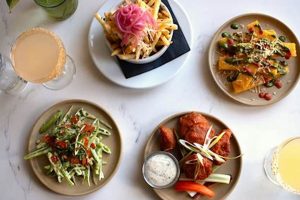
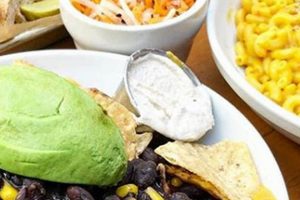
Planning a meal outdoors that aligns with plant-based dietary choices necessitates creative and thoughtful preparation. These culinary preparations encompass a variety of dishes, snacks, and beverages suitable for consumption in an outdoor setting, while adhering to vegan principles. A typical example might include a selection of fresh fruit, a hearty grain salad, and plant-based sandwiches or wraps.
The rise in popularity of such menus reflects a growing awareness of both health and environmental concerns. Plant-based eating can offer various health benefits, and reducing reliance on animal products is often seen as an environmentally sound choice. Historically, outdoor meals have often centered on meat-based items; however, contemporary culinary trends show a clear shift towards more diverse and inclusive options.
Subsequent sections will explore specific recipe suggestions, logistical considerations for transport and preservation, and considerations for addressing diverse dietary needs and preferences when planning an outdoor plant-based meal. This will facilitate the creation of memorable and satisfying experiences for all participants.
Planning Considerations for Plant-Based Outdoor Meals
Careful planning is essential for a successful outdoor meal adhering to plant-based principles. Consideration of food safety, transport, and environmental impact is paramount.
Tip 1: Prioritize Non-Perishable Ingredients: Select ingredients with inherent stability at ambient temperatures. Grains, legumes, and certain fruits and vegetables offer reduced risk of spoilage compared to delicate greens or creamy sauces.
Tip 2: Employ Effective Cooling Methods: Utilize insulated containers with ice packs or frozen water bottles to maintain safe temperatures for perishable items. Proper cooling inhibits bacterial growth and preserves food quality.
Tip 3: Pre-Portion and Package Strategically: Divide food into individual servings to minimize handling and potential contamination. Reusable containers are preferable for environmental reasons and ease of transport.
Tip 4: Choose Recipes Designed for Portability: Opt for dishes that maintain their integrity during transport and service. Salads with sturdy greens, wraps, and hearty grain bowls are generally more resilient than delicate or easily crushed items.
Tip 5: Address Hydration Needs Adequately: Provide an ample supply of water and other refreshing beverages. Infused water with fruits or herbs can be a flavorful and hydrating option.
Tip 6: Minimize Waste Generation: Pack reusable utensils, plates, and napkins. Designate a specific container for collecting any waste generated, ensuring responsible disposal or recycling.
Tip 7: Consider Allergen Awareness: Inquire about any dietary restrictions or allergies among participants. Clearly label dishes and ingredients to avoid accidental exposure to allergens such as nuts, soy, or gluten.
Proper execution of these strategies will help to minimize potential health risks and allow for a more enjoyable outdoor dining experience.
The following section will delve into specific recipe suggestions that align with these planning considerations, offering practical solutions for creating satisfying and safe plant-based outdoor meals.
1. Portability

Portability, in the context of plant-based outdoor meals, refers to the ease and safety with which food items can be transported and handled without compromising their quality, structural integrity, or safety for consumption. The inherent connection between portability and the success of these culinary events is undeniable, stemming from the practical challenges of consuming food in environments lacking standard kitchen facilities.
The significance of portability is highlighted by considering the logistical constraints of outdoor settings. Fragile or messy dishes are unsuitable due to the risk of spillage, contamination, or damage during transit. For example, a delicate tofu scramble would likely be less portable than a pre-made quinoa salad. Pre-packaging portions in sealed containers, selecting robust ingredients that can withstand temperature fluctuations, and avoiding dishes with excessive liquids are crucial strategies for maximizing portability. In essence, the suitability of a given food item is heavily determined by its capacity to be transported without a degradation of quality or an increase in risk.
A lack of attention to portability considerations can result in compromised enjoyment, increased food waste, and potential health risks. Prioritizing ease of transport and handling is therefore essential for effectively planning and executing plant-based outdoor dining experiences. Dishes such as vegan wraps, fruit skewers, vegetable sticks with hummus, or durable salads are therefore often the best choices. In conclusion, ensuring the selection of easily transportable food is a key element in the seamless provision of plant-based meals.
2. Freshness
The attribute of “freshness” is intrinsically linked to the success of outdoor plant-based dining. It directly influences the safety, palatability, and perceived quality of the prepared food, and dictates the overall enjoyment of the meal.
- Minimizing Bacterial Growth
Fresh ingredients, particularly fruits and vegetables, have a lower initial bacterial load than older produce. Utilizing recently harvested or purchased items reduces the risk of bacterial proliferation during transport and storage, especially crucial in outdoor environments where temperature control may be limited. For example, freshly picked greens are less susceptible to spoilage compared to those that have been stored for an extended period.
- Optimizing Flavor and Texture
Fresh ingredients offer superior flavor profiles and textures. Crisp vegetables, ripe fruits, and fragrant herbs contribute significantly to the sensory appeal of a plant-based meal. Aged or wilted produce compromises these qualities, leading to a less satisfying culinary experience. A salad prepared with freshly cut cucumber and tomatoes will be notably more palatable than one using older, less vibrant alternatives.
- Maximizing Nutrient Retention
Nutrient content in fruits and vegetables diminishes over time. Utilizing fresh ingredients ensures that the meal provides the maximum possible nutritional benefit. Vitamins, minerals, and antioxidants are more readily available in freshly prepared dishes. A smoothie crafted with just-picked berries retains a higher concentration of beneficial compounds compared to one made with frozen berries that have been stored for months.
- Enhancing Visual Appeal
The visual presentation of a meal is critical to its overall enjoyment. Fresh ingredients contribute to a more vibrant and appetizing presentation. Bright colors and crisp textures enhance the perceived quality of the food. A colorful fruit platter assembled with freshly cut melon, grapes, and berries is visually appealing and immediately conveys a sense of freshness and quality.
The multifaceted relationship between “freshness” and successful outdoor plant-based dining underscores its importance. Prioritizing the use of fresh, high-quality ingredients is essential for ensuring a safe, flavorful, and nutritionally beneficial meal that maximizes the enjoyment of the experience. These principles support planning considerations when preparing plant-based outdoor meals.
3. Sustainability

Sustainability, within the context of plant-based outdoor meal planning, encompasses the minimization of environmental impact across the entire lifecycle of the food consumed. This includes ingredient sourcing, preparation methods, packaging, transportation, and waste disposal. The connection between plant-based meals and sustainability is direct: vegan diets inherently reduce the demand for animal agriculture, a sector with significant environmental consequences regarding greenhouse gas emissions, deforestation, and water consumption. However, adopting a vegan diet alone does not guarantee sustainability; careful consideration of sourcing and waste management is also critical.
The practical application of sustainable practices in this context includes several key areas. Locally sourced, seasonal produce reduces transportation emissions and supports local economies. Reducing food miles, the distance food travels from production to consumption, is a vital sustainability strategy. Choosing reusable containers and utensils eliminates single-use plastics, a major contributor to pollution. Composting food scraps minimizes landfill waste and creates nutrient-rich soil. For instance, a plant-based picnic featuring a salad made with locally grown vegetables, carried in reusable containers, with compostable food scraps, embodies these sustainable principles. Conversely, a vegan meal purchased from a chain restaurant, individually wrapped in plastic, generates a considerably larger environmental footprint.
In conclusion, integrating sustainability into outdoor plant-based meal planning necessitates a holistic approach. It requires conscious decisions about ingredient origins, waste reduction strategies, and a commitment to minimizing environmental harm throughout the process. While a plant-based diet offers a significant advantage, the full benefits of its impact can only be realized through the active application of sustainable principles, ensuring responsible and environmentally conscious consumption. However, even with this approach, challenges still exist such as the limited availability of locally sourced ingredients in certain regions, the affordability of sustainable alternatives, and the lack of awareness among consumers.
4. Nutritional Balance

Nutritional balance is a critical component of successfully executed plant-based outdoor dining experiences. A well-composed plant-based menu addresses essential macronutrient and micronutrient requirements, ensuring the meal provides sustained energy, supports bodily functions, and prevents nutritional deficiencies. Failing to prioritize nutritional balance can lead to inadequate caloric intake, insufficient protein consumption, or a lack of essential vitamins and minerals, negating some of the inherent health benefits associated with plant-based diets. For example, a picnic consisting solely of fruit salad, while refreshing, would lack sufficient protein and healthy fats, resulting in a short-term energy boost followed by a rapid decline in blood sugar and potential hunger.
To achieve adequate nutritional balance, meal planning requires careful selection of ingredients. Legumes, such as chickpeas and lentils, offer a valuable source of plant-based protein and fiber. Whole grains, including quinoa and brown rice, provide complex carbohydrates for sustained energy release. Nuts and seeds contribute healthy fats, essential for hormone production and nutrient absorption. A balanced outdoor meal might include a quinoa salad with black beans, roasted vegetables, and a tahini dressing, delivering a comprehensive nutrient profile. Understanding the nutritional composition of various plant-based foods enables informed decisions regarding portion sizes and ingredient combinations, ultimately contributing to a more satisfying and healthful dining experience.
In conclusion, the successful execution of plant-based outdoor dining hinges on prioritizing nutritional balance. By consciously incorporating a variety of nutrient-dense ingredients and understanding their individual contributions, it is possible to create meals that are both delicious and nutritionally complete. Although planning may require slightly more effort initially, the long-term health benefits and overall satisfaction gained from prioritizing proper nutrition are substantial, making this a critical consideration for those adhering to plant-based dietary practices. This nutritional information assists planners of such events.
5. Flavor Combinations

The strategic deployment of diverse and complementary flavors significantly elevates the appeal and enjoyment of plant-based outdoor meals. Effective flavor pairings can transform simple ingredients into complex and satisfying culinary experiences, mitigating any perceived limitations associated with vegan cuisine.
- Sweet and Savory Contrasts
The juxtaposition of sweet and savory elements introduces complexity and depth to plant-based dishes. The inclusion of fruits in savory salads, such as grapes with kale or apples with walnuts and vegan cheese, creates a balanced taste profile that stimulates the palate. This approach prevents flavor fatigue and enhances the overall sensory experience.
- Acidic and Rich Counterpoints
The strategic use of acidic ingredients, such as citrus juices or vinegars, cuts through the richness of heavier plant-based components like nuts, avocados, or plant-based oils. A squeeze of lemon on a creamy avocado-based dip or a vinaigrette dressing on a hearty grain salad provides brightness and prevents the dish from becoming overly heavy or cloying. This balance of acidity enhances digestibility and overall flavor perception.
- Herb and Spice Harmonization
The judicious application of herbs and spices elevates the flavor profile of plant-based meals. Fresh herbs, such as basil, cilantro, or mint, introduce aromatic complexity and visual appeal. Spices, such as cumin, coriander, or smoked paprika, add depth and warmth. The strategic combination of complementary herbs and spices can transform simple dishes into memorable culinary experiences. For example, combining cilantro and lime in a black bean salad or using smoked paprika in a vegan “chorizo” brings enhanced flavors.
- Textural Variation
While not strictly a flavor combination, textural contrasts contribute significantly to overall palatability. The inclusion of crunchy elements, such as toasted nuts, seeds, or crispy vegetables, alongside softer components, like cooked grains or creamy sauces, enhances sensory interest and prevents monotony. The interplay of textures elevates the eating experience and makes the meal more satisfying. Incorporating items such as toasted pumpkin seeds into a salad introduces textural variation.
These facets of flavor combination strategies are applicable to a wide array of dishes suitable for plant-based outdoor dining, from simple salads and wraps to more elaborate grain bowls and appetizers. The intentional design of flavor pairings elevates plant-based options, ensuring a memorable and satisfying culinary experience. This mindful balancing of flavors creates a harmonious and delightful picnic.
6. Minimal Preparation

The principle of minimal preparation assumes critical importance when planning plant-based outdoor meals. Time constraints, limited access to kitchen facilities, and the desire for relaxed leisure activities necessitate the selection and execution of recipes requiring streamlined processes and reduced on-site effort.
- Pre-Assembled Components
The utilization of pre-assembled or partially prepared ingredients significantly reduces on-site preparation time. Pre-chopped vegetables, pre-cooked grains, and store-bought sauces eliminate lengthy steps, allowing for quick assembly at the picnic site. For instance, employing pre-washed salad greens and pre-made hummus accelerates the creation of a vegetable wrap, minimizing the need for extensive chopping or cooking in situ.
- One-Step Recipes
Prioritizing recipes that require minimal cooking or assembly further streamlines the process. Cold salads, sandwiches, and wraps necessitate little to no on-site cooking, reducing the need for portable cooking equipment. Packing a pre-made pasta salad or bean salad can bypass all cooking requirements, saving valuable time and resources.
- Simplified Ingredient Lists
Choosing recipes with fewer ingredients reduces both preparation time and the likelihood of forgotten components. A recipe relying on a small number of flavorful ingredients simplifies the packing and execution process. For example, a simple fruit salad with a single lime juice dressing is easier to prepare and manage than a complex recipe with multiple exotic fruits and a multi-ingredient dressing.
- Portable-Friendly Dishes
Selecting dishes that maintain their integrity during transportation simplifies the overall process. Recipes that are easily packed, resistant to spoilage, and require minimal on-site assembly are advantageous. Vegan wraps, fruit skewers, and grain bowls are naturally portable and require minimal preparation once at the outdoor site.
These strategies, when implemented effectively, contribute to a stress-free and enjoyable plant-based outdoor dining experience. By minimizing the time and effort required for food preparation, individuals can maximize their leisure time and focus on the social and recreational aspects of the event. Minimal preparation is the element of successful plant-based outdoor dining that is often overlooked. It must be taken seriously to make your events more enjoyable.
Frequently Asked Questions
The following section addresses commonly encountered inquiries concerning the planning and execution of outdoor meals adhering to plant-based principles.
Question 1: Is the nutritional adequacy of plant-based options a point of concern for outdoor meals?
The nutritional adequacy of plant-based meals warrants careful consideration. The provision of sufficient protein, iron, vitamin B12, and omega-3 fatty acids must be intentionally addressed through the selection of appropriate ingredients. Legumes, fortified plant-based products, and algal oil supplements are potential sources for these nutrients.
Question 2: What are effective strategies for maintaining food safety in outdoor environments?
Maintaining food safety requires adherence to stringent protocols. Refrigerated transport using insulated containers with ice packs is essential. Preventing cross-contamination through the use of separate cutting boards and utensils for raw and cooked items is crucial. Perishable items should not be left at ambient temperatures for extended periods.
Question 3: Are there cost-effective approaches to plant-based meal preparation for outdoor events?
Cost-effective solutions exist through strategic planning. Purchasing seasonal produce, utilizing bulk ingredients, and preparing meals from scratch can reduce expenses. Minimizing reliance on processed vegan products, which tend to be more expensive, is advisable.
Question 4: How can individual dietary restrictions and allergies be effectively accommodated?
Accommodation of diverse dietary needs necessitates clear communication. Inquiring about allergies and intolerances beforehand allows for appropriate menu adjustments. Clearly labeling dishes with ingredient information mitigates the risk of accidental exposure.
Question 5: What are optimal methods for waste reduction during outdoor dining events?
Waste reduction strategies are paramount. Utilizing reusable containers, utensils, and napkins minimizes single-use disposables. Composting food scraps, when feasible, further reduces environmental impact. Designating separate receptacles for recyclable materials promotes responsible disposal.
Question 6: What are some suggested recipes to bring to a picnic that meet the picnic vegan food ideas?
Viable plant-based recipe options include grain salads with roasted vegetables, wraps with hummus and falafel, fruit skewers, and lentil salads. These items offer portability, nutritional value, and minimal preparation requirements.
In summary, careful planning and attention to detail are essential for ensuring successful, safe, and enjoyable plant-based outdoor dining experiences.
The subsequent section provides resources for locating plant-based recipes and additional information.
Conclusion
The preceding discussion has extensively explored the various facets of picnic vegan food ideas. Emphasis was placed on the necessity of considering portability, freshness, sustainability, nutritional balance, flavor combinations, and preparation efficiency when planning such meals. Addressing potential challenges and optimizing these elements contributes to a successful and enjoyable plant-based outdoor dining experience.
The widespread adoption of thoughtful planning, coupled with readily available resources and recipes, positions plant-based outdoor meals as a viable and increasingly prevalent option. Continued focus on refinement and accessibility will further solidify the importance of thoughtful picnic vegan food ideas for both individual well-being and environmental responsibility.