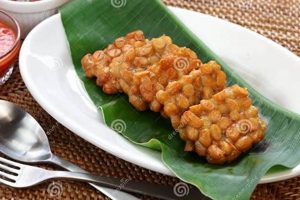
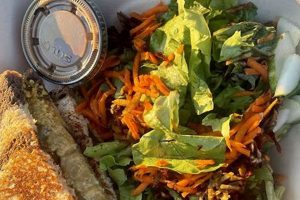
The cuisine of Peru, known for its vibrant flavors and diverse ingredients, is increasingly adaptable to plant-based diets. Dishes traditionally centered around meat and seafood can be reimagined using vegetables, grains, and legumes indigenous to the region. For instance, the classic causa, typically made with mashed potatoes and tuna or chicken, can be prepared with avocado or other vegetable fillings.
Adapting culinary traditions to exclude animal products presents multiple advantages. It aligns with growing ethical and environmental concerns related to animal agriculture. This culinary shift can also promote the consumption of a wider variety of plant-based foods, potentially improving nutritional intake. Furthermore, exploring these alternatives can revitalize interest in traditional Andean crops, supporting local agriculture and biodiversity.
This article will delve into several specific aspects of this evolving culinary landscape. It will examine iconic dishes that have been successfully rendered plant-based, explore the key ingredients used, and discuss the challenges and opportunities involved in preserving authentic Peruvian flavors without animal products.
Successfully exploring the realm of plant-based Peruvian food requires a mindful approach to ingredients and preparation techniques. The following guidelines offer insights into creating authentic and flavorful dishes without animal products.
Tip 1: Embrace Andean Staples: Prioritize the incorporation of indigenous Andean ingredients such as quinoa, amaranth, potatoes (various varieties), olluco, and maca. These offer unique flavors and textures that are central to Peruvian cuisine.
Tip 2: Utilize Aji Peppers Strategically: Aji peppers are fundamental to Peruvian flavor profiles. Experiment with different types (e.g., aji amarillo, aji panca) to understand their individual heat levels and flavor nuances. Use them in sauces, stews, and marinades, mindful of the desired spice intensity.
Tip 3: Recreate Creaminess with Plant-Based Alternatives: Dairy products are often used for creaminess. Substitute with plant-based alternatives like cashew cream, blended silken tofu, or coconut milk. Ensure the chosen alternative complements the overall flavor profile of the dish.
Tip 4: Leverage the Power of Mushrooms: Mushrooms provide a savory, umami flavor that can mimic the depth of meat in dishes like lomo saltado. Explore different varieties, such as portobello or shiitake, for varied textures and tastes.
Tip 5: Master Plant-Based Marinades: Marinades are crucial for infusing flavor. Create marinades using aji peppers, garlic, onions, lime juice, soy sauce (tamari for gluten-free), and herbs to replicate the traditional flavors used for meat dishes.
Tip 6: Experiment with Texture: Texture is important in any culinary experience. Incorporate a variety of textures through different cooking methods (e.g., grilling, roasting, frying) and ingredient combinations to prevent monotony.
Tip 7: Source Authentic Ingredients: Wherever possible, source authentic Peruvian ingredients. Specialty stores or online retailers often carry items like aji paste, rocoto peppers, and dried corn kernels. Using authentic ingredients significantly enhances the final product.
Successfully adapting Peruvian dishes to plant-based diets requires a careful consideration of flavors, textures, and ingredient substitutions. By embracing the rich diversity of Andean ingredients and mastering plant-based techniques, it is possible to create authentic and flavorful meals.
The following sections will further explore the application of these principles in specific Peruvian dishes and offer insights into creating compelling plant-based versions of culinary classics.
1. Andean Ingredients

Andean ingredients are foundational to plant-based Peruvian cuisine. The geography of the Andes Mountains and surrounding regions has fostered a unique biodiversity, resulting in a wealth of plant-based foods that form the basis of many traditional dishes. This makes the transition to plant-based alternatives more seamless than in cuisines reliant on animal products. Examples include quinoa, a complete protein source utilized in stews and salads; various potato varieties, essential for dishes like causa and potato-based stews; and legumes such as tarwi and beans, offering substantial protein and fiber.
The availability and diversity of Andean ingredients have a direct impact on the feasibility and authenticity of plant-based versions of Peruvian staples. For instance, dishes often incorporating meat can readily be adapted using quinoa or other plant-based proteins in combination with traditional Andean vegetables. The effect is a meal that retains its cultural identity while catering to plant-based dietary preferences. The utilization of these ingredients not only contributes to flavor and texture but also provides essential nutrients, making it possible to create nutritionally complete plant-based meals. The historical context of these ingredients, deeply rooted in Peruvian culture, adds another layer of authenticity.
In summary, Andean ingredients are not merely substitutes within plant-based Peruvian food; they are integral components that define its character and nutritional value. Their prominence facilitates the creation of dishes that are both culturally resonant and aligned with plant-based principles. Challenges may lie in accessibility outside of Peru or specialized markets, but a deeper understanding of these ingredients is crucial for accurately replicating authentic flavors and textures. The emphasis on Andean ingredients directly supports the core concept of viable and compelling plant-based versions of Peruvian cuisine.
2. Aji Pepper Usage

Aji peppers are intrinsic to the flavor profile of Peruvian cuisine. Their strategic employment becomes especially crucial when adapting traditional dishes to exclude animal products. Aji peppers provide depth, complexity, and heat, compensating for flavors traditionally derived from meat, fish, or dairy.
- Flavor Enhancement in Plant-Based Dishes
Aji peppers contribute nuanced flavors beyond simple spiciness. Aji amarillo, for example, imparts a fruity and slightly sweet note alongside its heat, enhancing plant-based stews and sauces. Aji panca delivers a smoky, earthy flavor that complements beans and vegetable-based dishes, effectively replacing the umami often associated with meat. The skillful application of aji peppers enriches the sensory experience of plant-based dishes.
- Replicating Traditional Flavor Profiles
Many Peruvian dishes rely on a complex interplay of flavors. Aji peppers are key to recreating these profiles without animal products. A well-balanced combination of different aji peppers can mimic the depth and richness present in traditional meat-based dishes like lomo saltado or seco de cordero, creating a satisfactory plant-based alternative.
- Variety and Regional Specificity
Peru boasts a wide array of aji peppers, each with unique characteristics and regional significance. Using the appropriate aji pepper is essential for maintaining the authenticity of regional Peruvian plant-based dishes. Substituting one aji for another can significantly alter the flavor, potentially detracting from the intended culinary experience. Understanding regional pepper usage is critical.
- Considerations for Heat Levels
The heat level of aji peppers varies significantly. Precise application is necessary to achieve the desired level of spiciness. Overuse can overwhelm other flavors, while insufficient use will leave the dish lacking depth. Careful consideration must be given to heat tolerance and the intended audience when incorporating aji peppers into plant-based Peruvian food.
In conclusion, the mindful application of aji peppers is paramount in successfully creating authentic and appealing plant-based Peruvian meals. Aji peppers enhance flavor, replicate traditional profiles, respect regional specificity, and require careful attention to heat levels. Mastering aji pepper usage is essential for anyone seeking to adapt Peruvian cuisine to plant-based diets while preserving its culinary heritage.
3. Plant-Based Substitutions

The adaptation of Peruvian cuisine to exclude animal products necessitates the strategic application of plant-based substitutions. These replacements aim to replicate the flavors, textures, and nutritional profiles of traditional ingredients while adhering to plant-based dietary guidelines. The successful implementation of these substitutions is crucial for authentically recreating Peruvian dishes in a plant-based format.
- Dairy Replacements
Dairy products are frequently used in Peruvian cuisine, particularly in sauces and desserts. Plant-based substitutions such as cashew cream, coconut milk, and blended silken tofu provide similar creamy textures. Cashew cream can mimic the richness of dairy-based sauces in dishes like aji amarillo, while coconut milk offers a suitable alternative in desserts. The choice of substitution depends on the desired flavor profile, with considerations for sweetness and potential allergen concerns.
- Meat Alternatives
Meat often serves as a central component in Peruvian dishes like lomo saltado and anticuchos. Plant-based alternatives, including mushrooms (portobello, shiitake), seitan, and textured vegetable protein (TVP), can effectively replicate the texture and savory qualities of meat. Careful seasoning and marination are essential to infuse these substitutions with the flavors traditionally associated with meat dishes, often involving aji peppers, garlic, and soy sauce.
- Seafood Mimicry
Given Peru’s extensive coastline, seafood plays a prominent role in its cuisine, as seen in dishes like ceviche and causa. Replicating seafood flavors and textures presents a unique challenge. Options include using marinated hearts of palm or young coconut meat for texture, and incorporating seaweed or other marine-derived flavors to evoke the taste of the sea. The success of these substitutions lies in balancing the flavors and textures to create a convincing seafood-free alternative.
- Egg Replacement
Eggs are frequently utilized in baking and as binding agents in various Peruvian dishes. Plant-based alternatives, such as flax eggs (ground flaxseed mixed with water) or chickpea flour, can provide similar binding properties. In baking, these substitutions help to create the necessary structure and moisture. The selection depends on the specific application, considering flavor neutrality and desired texture.
The strategic selection and preparation of plant-based substitutions are integral to producing compelling iterations of Peruvian culinary classics that align with plant-based dietary practices. These substitutions must not only replicate textures and flavors but also maintain the nutritional integrity of the original dishes. Successful implementation supports the feasibility and appeal of this culinary adaptation.
4. Umami-Rich Options

The concept of umami, often described as a savory or meaty taste, is critical in creating satisfying plant-based iterations of Peruvian cuisine. Traditional Peruvian dishes often derive umami from animal products, requiring plant-based alternatives to provide comparable flavor depth and complexity. The effective use of umami-rich options significantly enhances the overall palatability and perceived authenticity of plant-based Peruvian food.
- Mushroom Varieties and Their Application
Mushrooms, particularly shiitake, portobello, and cremini, are potent sources of umami. Their earthy and savory notes can replicate the depth of flavor found in meat-based dishes. Sauted mushrooms can serve as a primary ingredient in plant-based lomo saltado, while mushroom broths can enhance the umami profile of soups and stews. The specific mushroom variety influences the final flavor, allowing for tailored applications in diverse recipes.
- Seaweed and Marine-Derived Flavors
Nori, kombu, and other seaweeds contain glutamates, which contribute significantly to umami. Small amounts of seaweed added to broths or sauces can amplify their savory character. Nori flakes can be used as a condiment to impart a subtle umami note to finished dishes. Marine-derived flavors are particularly useful in mimicking the taste of seafood in plant-based versions of ceviche or other coastal Peruvian specialties.
- Fermented Foods and Flavor Intensification
Fermented foods, such as soy sauce (or tamari for gluten-free diets), miso paste, and nutritional yeast, are rich in umami. A small amount of soy sauce can enhance marinades and sauces, adding depth and complexity. Nutritional yeast, with its cheesy and savory flavor, can be used as a topping or ingredient in sauces. Fermentation processes naturally increase the levels of glutamates, intensifying the umami character of these ingredients.
- Vegetable-Based Umami Sources
Certain vegetables, including roasted tomatoes, caramelized onions, and sundried tomatoes, possess notable umami characteristics. Roasting or caramelizing these vegetables concentrates their natural sugars and enhances their savory notes. Sundried tomatoes can be finely chopped and added to sauces or stews to provide a concentrated burst of umami. Employing these vegetables strategically can add depth and complexity to plant-based Peruvian dishes.
The incorporation of umami-rich options is essential to successfully adapting Peruvian cuisine to plant-based diets. By leveraging mushrooms, seaweed, fermented foods, and specific vegetables, it becomes possible to recreate the complex and satisfying flavors of traditional dishes without relying on animal products. The strategic application of these elements significantly contributes to the perceived authenticity and overall appeal of Peruvian cuisine.
5. Flavorful Marinades

Flavorful marinades are a critical element in adapting Peruvian cuisine to plant-based dietary practices. They compensate for the absence of animal-derived flavors, providing depth, complexity, and characteristic Peruvian taste profiles to vegetables, legumes, and plant-based proteins.
- Infusion of Aji Pepper Profiles
Aji peppers are central to Peruvian cuisine, and marinades provide an effective means of infusing their flavors. Different aji varieties (e.g., aji amarillo, aji panca, rocoto) contribute unique heat levels and flavor notes. Marinades allow these peppers to permeate ingredients, replicating the nuanced tastes typically associated with meat or seafood-based dishes. For example, a marinade using aji panca can impart a smoky, earthy flavor to plant-based proteins, mimicking the taste of grilled meats.
- Acidic Components for Tenderization and Flavor
Traditional Peruvian marinades often include acidic components like lime juice or vinegar. These acids serve to tenderize proteins and enhance flavor penetration. In plant-based applications, these acids work similarly, softening plant-based proteins and vegetables while adding a bright, tangy counterpoint to the other flavors. The use of citrus can elevate the brightness of a plant-based ceviche.
- Herb and Spice Blends for Complexity
Marinades benefit from complex blends of herbs and spices. Peruvian cuisine utilizes ingredients like garlic, cumin, oregano, and cilantro, each contributing to the overall flavor profile. Marinades facilitate the incorporation of these herbs and spices, distributing their flavors evenly throughout the ingredients. A well-balanced herb and spice blend can create a savory depth that offsets the lack of animal-derived umami.
- Oil as a Flavor Carrier and Moisture Preserver
Oil serves as a carrier for flavors in marinades, facilitating their absorption into the marinated ingredients. Oil also helps to retain moisture during cooking, preventing plant-based proteins and vegetables from drying out. The type of oil used can further influence the flavor profile. Olive oil adds a fruity note, while neutral oils allow other flavors to dominate.
The strategic use of flavorful marinades is essential for creating satisfying and authentic plant-based versions of Peruvian cuisine. Marinades compensate for the absence of animal products by infusing ingredients with complex flavor profiles, replicating textures, and preserving moisture. The effective application of these techniques allows chefs and home cooks to create Peruvian food that is both plant-based and delicious.
6. Textural Variety

Textural variety is a critical component in culinary experiences, particularly in plant-based iterations of Peruvian cuisine. The absence of animal products necessitates a heightened focus on achieving diverse and appealing textures to compensate for the loss of familiar mouthfeels associated with meat, seafood, and dairy.
- Contrasting Soft and Crisp Elements
Achieving a balance between soft and crisp textures is essential for a satisfying culinary experience. In plant-based Peruvian dishes, this may involve combining creamy sauces with crunchy toasted quinoa or pairing tender vegetables with crispy fried plantains. This interplay of textures prevents monotony and enhances the overall enjoyment of the meal. For example, in a plant-based version of causa, the soft, mashed potato base can be complemented by a crisp vegetable filling.
- Employing Diverse Cooking Methods
Different cooking methods yield distinct textures. Roasting vegetables caramelizes their surfaces, creating a slightly crisp exterior and a tender interior. Steaming produces a softer, more delicate texture. Frying adds a crispy exterior that contrasts with the softer interior of the ingredient. Using a variety of cooking methods in a single dish, like incorporating both roasted and steamed vegetables in a plant-based stew, increases textural complexity.
- Incorporating Natural Textural Contrasts of Ingredients
Plant-based ingredients inherently possess a wide range of textures. Utilizing this diversity is key to creating compelling dishes. Nuts and seeds offer a crunchy texture, while avocados provide a creamy richness. Root vegetables like potatoes and sweet potatoes offer a starchy mouthfeel, while leafy greens provide a more delicate texture. Strategically combining these ingredients creates natural textural contrasts that enhance the eating experience. For example, adding toasted walnuts to a plant-based salad provides a satisfying crunch that complements the softer textures of the greens and vegetables.
- Textural Mimicry of Traditional Dishes
Replicating the textures of traditional Peruvian dishes is crucial for maintaining authenticity in plant-based versions. This may involve using specific techniques or ingredients to mimic the textures of meat or seafood. For example, marinated hearts of palm can replicate the flaky texture of fish in a plant-based ceviche, while shredded jackfruit can mimic the stringy texture of pulled pork in a plant-based sandwich. The goal is to create a similar sensory experience, even without the original animal products.
Textural variety is not merely an aesthetic consideration but an essential aspect of creating satisfying and authentic plant-based iterations of Peruvian cuisine. By strategically combining diverse cooking methods, leveraging natural ingredient textures, and replicating the textures of traditional dishes, it becomes possible to produce plant-based Peruvian meals that are both flavorful and texturally compelling.
7. Culinary Adaptations
Culinary adaptations are central to the evolving landscape of plant-based Peruvian cuisine. They represent the processes by which traditional dishes, historically reliant on animal products, are modified to align with vegan dietary principles. The success of these adaptations hinges on retaining the authentic flavors and textures that define Peruvian food while omitting meat, seafood, dairy, and eggs.
- Ingredient Substitution and Innovation
Ingredient substitution forms the cornerstone of culinary adaptations. This involves replacing animal-derived ingredients with plant-based alternatives that mimic their functional properties. For example, mushrooms can replace meat in lomo saltado, while cashew cream can substitute for dairy in sauces. Innovation extends beyond direct substitutions, with chefs exploring new ways to utilize native Andean ingredients to create unique flavors and textures. The outcome is a dish that, while adhering to vegan principles, still resonates with familiar Peruvian culinary cues.
- Flavor Profile Reconstruction
Many traditional Peruvian dishes derive their distinctive flavors from animal fats and broths. Culinary adaptations must compensate for the absence of these elements by intensifying other flavor components. This may involve utilizing umami-rich ingredients like seaweed or fermented soy products, or employing complex marinades with aji peppers and herbs. The goal is to reconstruct the characteristic flavor profile of the dish without relying on animal products, often requiring experimentation and precise balancing of ingredients.
- Textural Engineering
Texture plays a vital role in culinary satisfaction. Replicating the textures of meat, seafood, or dairy products with plant-based ingredients presents a significant challenge. Culinary adaptations often involve creative techniques to achieve desired textures. For example, marinated hearts of palm can mimic the flakiness of fish in ceviche, while jackfruit can be manipulated to replicate the stringy texture of pulled pork. The careful manipulation of plant-based ingredients is crucial for creating a satisfying and authentic textural experience.
- Preservation of Cultural Identity
Culinary adaptations must navigate the delicate balance between innovation and preserving cultural identity. While it is necessary to modify traditional recipes to meet vegan requirements, it is equally important to retain the core elements that define Peruvian cuisine. This involves understanding the historical and cultural significance of ingredients and dishes and adapting recipes in a way that honors these traditions. The ultimate objective is to create vegan versions of Peruvian food that are both authentic and accessible to a wider audience.
These facets collectively illustrate the intricacies of culinary adaptations within the context of plant-based Peruvian cuisine. Successful adaptations require a deep understanding of Peruvian flavors, textures, and traditions, as well as a willingness to experiment with plant-based ingredients. The continued exploration and refinement of these techniques will be essential for ensuring the ongoing viability and appeal of vegan Peruvian food.
Frequently Asked Questions
The following questions address common concerns and misconceptions regarding the adaptation of Peruvian cuisine to vegan dietary practices. The information provided aims to offer clarity and guidance for individuals interested in exploring plant-based versions of Peruvian dishes.
Question 1: Is it genuinely possible to create authentic Peruvian dishes without animal products?
The preservation of authentic flavor profiles is achievable through strategic ingredient substitutions and careful application of traditional cooking techniques. Andean staples like quinoa, potatoes, and aji peppers contribute distinct characteristics, allowing for the creation of dishes that resonate with traditional Peruvian flavors. Success hinges on understanding ingredient properties and flavor balances.
Question 2: What are the primary challenges in adapting Peruvian recipes for vegan diets?
Challenges primarily revolve around replicating the umami flavor typically derived from meat and seafood and achieving textural complexity without animal products. Strategic utilization of mushrooms, seaweed, and fermented ingredients can help address the umami deficit. Creative cooking methods and ingredient combinations are essential for achieving diverse and satisfying textures.
Question 3: Are there specific Peruvian dishes that are easier to adapt to vegan diets than others?
Certain dishes, such as those based on potatoes, corn, and beans, lend themselves more readily to vegan adaptation. Dishes featuring heavy cream or requiring extended cooking with meat may require more significant modifications. The selection of adaptable dishes depends on ingredient flexibility and the ability to replicate essential flavor components.
Question 4: How can one ensure sufficient protein intake when following a vegan Peruvian diet?
Adequate protein intake is attainable through the incorporation of quinoa, amaranth, beans, lentils, and other legumes. These plant-based protein sources can be integrated into traditional Peruvian dishes, providing a balanced nutritional profile. Careful meal planning ensures sufficient protein consumption within the context of a plant-based diet.
Question 5: Where can one find authentic Peruvian ingredients suitable for vegan cooking?
Specialty stores, online retailers, and international markets often carry Peruvian ingredients such as aji paste, dried corn, and Andean grains. Direct sourcing from Peruvian suppliers may also be an option. The availability of specific ingredients can vary based on location and seasonality.
Question 6: How can one balance the desire for authenticity with the need for culinary creativity in plant-based Peruvian food?
A balanced approach involves understanding the fundamental flavor profiles and cooking techniques of Peruvian cuisine while remaining open to innovative adaptations. Respect for traditional ingredients and methods should be tempered with a willingness to experiment with plant-based substitutes and culinary techniques. The goal is to create dishes that are both authentic and accessible to individuals following vegan diets.
In summary, achieving delicious and authentic plant-based Peruvian cuisine requires careful consideration of ingredient substitutions, flavor balancing, and textural engineering. By understanding the fundamental principles of Peruvian cooking and embracing plant-based alternatives, it is possible to create satisfying meals that honor both dietary preferences and culinary traditions.
The subsequent sections will further explore the practical application of these adaptations by examining specific Peruvian dishes and providing detailed recipes.
Conclusion
This exploration of plant-based adaptations within Peruvian culinary traditions reveals a complex interplay between authentic flavors, ingredient substitutions, and culinary innovation. The strategic utilization of Andean staples, aji peppers, and umami-rich plant-based options proves pivotal in replicating the depth and complexity characteristic of Peruvian cuisine. Furthermore, a mindful approach to textural variety and flavorful marinades is essential for ensuring a satisfying and authentic dining experience in dishes devoid of animal products.
The evolution of peruvian food vegan represents a significant development in culinary diversity, offering a means of aligning cultural heritage with contemporary dietary preferences. Continued exploration of ingredient combinations, cooking techniques, and recipe adaptations will be crucial for expanding the availability and appeal of plant-based Peruvian cuisine. The pursuit of both authenticity and culinary innovation ensures the ongoing viability and evolution of this culinary segment.