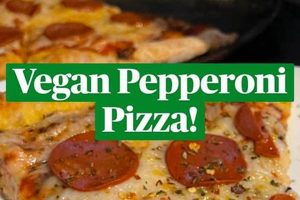
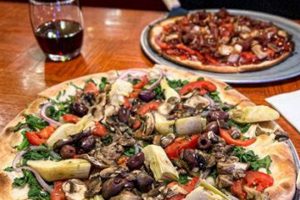
Papa John’s, a prominent pizza chain, offers menu options that cater to individuals adhering to a plant-based diet. These selections typically involve modifications to existing menu items, such as omitting cheese or meat toppings, and utilizing a specific sauce that does not contain animal-derived ingredients. An example involves ordering a pizza with the original crust, pizza sauce, and vegetables such as mushrooms, onions, green peppers, and tomatoes, while requesting the absence of cheese.
The availability of plant-based choices from mainstream pizza establishments provides increased accessibility for vegans and those with dairy intolerances or preferences. This inclusion can broaden dietary options, enabling more individuals to participate in shared meals and social gatherings centered around pizza. The historical context reflects a growing demand for vegan options within the fast-food industry, prompting companies to adapt their menus to accommodate diverse dietary needs.
Understanding the available crusts, sauces, and topping selections becomes vital when navigating the menu. Further examination includes an analysis of cross-contamination risks during food preparation and the potential for hidden animal-derived ingredients in seemingly plant-based components. A discussion of customer experiences and independent verification of ingredient lists will offer a comprehensive overview.
The following guidance assists individuals in making informed choices when seeking plant-based meals at Papa John’s, minimizing the risk of unintended consumption of animal products.
Tip 1: Verify Crust Composition. Confirm the absence of dairy or egg ingredients in the crust. The original crust is generally considered plant-based; however, ingredient formulations may vary. Contact Papa John’s customer service or consult their online allergen information for definitive assurance.
Tip 2: Scrutinize Sauce Ingredients. Standard pizza sauce is usually plant-based, but double-check for any hidden animal derivatives or cross-contamination risks at the specific location. Other sauces may contain dairy or other animal products; verify their composition.
Tip 3: Customize Topping Selections. Specify plant-based toppings exclusively. Common choices include mushrooms, onions, green peppers, tomatoes, spinach, and pineapple. Explicitly request the omission of cheese and meat-based toppings.
Tip 4: Address Cross-Contamination Concerns. Inquire about preparation procedures to mitigate cross-contamination. Request that the pizza be prepared on a separate surface and with clean utensils to avoid contact with animal products.
Tip 5: Review Allergen Information. Access and carefully analyze Papa John’s official allergen information, typically available on their website or upon request. This document provides a detailed breakdown of potential allergens present in their ingredients.
Tip 6: Confirm Ingredients Regularly. Product formulations can change. Re-verify ingredients each time an order is placed to ensure adherence to dietary requirements.
Consistent application of these guidelines enhances the likelihood of successfully ordering a plant-based pizza from Papa John’s. Vigilance and direct communication with the establishment remain crucial.
The concluding section will provide a summary of these considerations and outline further resources for navigating plant-based dining options.
1. Crust Composition

Crust composition forms a foundational element in determining the suitability of Papa John’s pizza for vegan consumption. The presence of animal-derived ingredients, such as dairy (milk, whey) or eggs, within the crust renders the pizza unsuitable for individuals adhering to a strict plant-based diet. Therefore, understanding the exact formulation of the crust is a prerequisite before considering additional toppings or sauces. For example, if the Papa John’s original crust recipe contains whey powder, a dairy derivative, it would preclude the entire pizza from being considered vegan, regardless of other toppings.
The significance of crust composition extends beyond mere ingredient identification. It necessitates an understanding of potential cross-contamination during the manufacturing and preparation processes. Even if a crust recipe is theoretically vegan, shared production lines or handling procedures involving non-vegan ingredients introduce the possibility of trace amounts of animal products. This is particularly relevant in fast-food environments where speed and efficiency are prioritized. Consequently, diligent inquiry into the crust’s composition, encompassing both ingredients and production practices, is essential.
In conclusion, the connection between crust composition and the availability of plant-based choices at Papa John’s is direct and fundamental. A crust containing animal products immediately disqualifies the pizza as a vegan option. Challenges arise from inconsistent ingredient disclosure, potential cross-contamination, and evolving recipes. Therefore, proactive verification and consistent communication with Papa John’s representatives are crucial for individuals seeking accurate and reliable information to align with their dietary choices.
2. Sauce Verification

Sauce verification constitutes a critical step in determining the vegan status of Papa John’s pizza. While the base pizza sauce may be formulated without animal-derived ingredients, potential variations and manufacturing processes necessitate careful evaluation. The presence of seemingly innocuous additives, such as honey, whey, or casein, would render the sauce non-compliant with vegan dietary standards. As such, confirmation that the sauce adheres to vegan guidelines is essential for ensuring the pizza is indeed suitable. For example, if Papa John’s introduces a limited-time sauce containing Parmesan cheese powder, failing to verify the sauce would invalidate the entire effort to create a vegan pizza.
The significance of sauce verification extends beyond ingredient lists to encompass preparation protocols. Cross-contamination during sauce handling and application presents a potential concern. If the sauce is processed or dispensed using equipment that also handles non-vegan ingredients, trace amounts of animal products could contaminate the sauce. Similarly, sauces intended for pizzas with meat toppings might be prepared in close proximity to the vegan pizza sauce, increasing the risk of unintentional contact. A practical application of this understanding involves explicitly requesting that the sauce be dispensed from a clean, uncontaminated source to mitigate this risk.
In summary, thorough sauce verification is indispensable for confirming the vegan status of a Papa John’s pizza. The careful scrutiny of ingredient lists, coupled with an understanding of potential cross-contamination risks, allows individuals to make informed dietary choices. The evolving nature of menu items and preparation practices necessitates ongoing vigilance to ensure continued compliance with vegan principles, and emphasizes the necessity of direct communication with the establishment regarding specific preparation requirements.
3. Topping Customization

Topping customization forms a critical component in constructing a plant-based pizza at Papa John’s. Given the standard menu’s incorporation of animal-derived ingredients, omitting meat and cheese becomes essential. The selection of plant-based alternatives, such as vegetables, determines whether a pizza aligns with vegan dietary requirements. For example, a pizza ordered with only sauce, crust, and pepperoni would inherently fail vegan criteria, irrespective of crust or sauce formulations. Therefore, the active substitution of animal-based toppings with plant-based options constitutes a necessary step in creating a vegan Papa John’s pizza.
The importance of topping customization extends beyond mere substitution to encompass an understanding of potential cross-contamination. Even with plant-based toppings, shared preparation surfaces or utensils could introduce trace amounts of animal products. This risk necessitates explicit communication with the establishment to ensure separate preparation procedures are employed. A practical illustration involves requesting that plant-based toppings be applied using clean utensils and on a surface that has not been in contact with meat or cheese. The impact of this request, if honored, directly mitigates the risk of non-vegan elements infiltrating the intended plant-based pizza.
In summary, topping customization is integral to achieving a vegan Papa John’s pizza. The active replacement of animal products with plant-based alternatives, coupled with vigilance regarding cross-contamination, determines the dietary suitability of the final product. Challenges arise from inconsistent ingredient information and potential variations in preparation practices across different locations. A thorough understanding of these factors, along with proactive communication, is essential for individuals seeking to adhere to vegan principles when ordering from Papa John’s.
4. Cross-Contamination
Cross-contamination presents a significant challenge when seeking plant-based pizza options at Papa John’s. The risk of unintended exposure to animal products during food preparation necessitates careful consideration and proactive communication.
- Shared Preparation Surfaces
The use of common surfaces for preparing both vegan and non-vegan pizzas introduces the potential for cross-contamination. Residual meat, cheese, or other animal-derived ingredients can transfer to a supposedly plant-based pizza, compromising its dietary integrity. For example, if a pizza maker prepares a pepperoni pizza on a countertop and then proceeds to assemble a vegetable pizza on the same surface without proper cleaning, the vegetable pizza may contain trace amounts of meat.
- Shared Utensils and Equipment
Utensils, such as pizza cutters, spatulas, and ingredient scoops, can act as vectors for cross-contamination. If these tools are used interchangeably between vegan and non-vegan ingredients, they can transfer animal products to the plant-based pizza. Consider a scenario where a scoop is used to distribute cheese onto a pizza and then, without cleaning, is used to add vegetables to a vegan pizza. This directly contaminates the vegan offering.
- Airborne Contamination
In environments with high concentrations of airborne particles, such as flour or cheese dust, the potential for contamination increases. These particles can settle onto prepared food items, including pizzas. A pizza station where flour is used extensively and cheese is grated continuously can result in the deposition of these airborne contaminants onto all pizzas being prepared, regardless of their intended composition.
- Lack of Standardized Procedures
Inconsistent or inadequate food handling procedures within a restaurant can contribute to elevated cross-contamination risks. If staff members are not properly trained on vegan-specific protocols, such as using separate gloves or cleaning surfaces thoroughly, the likelihood of contamination rises. Without standardized procedures, relying on individual staff member diligence is insufficient to guarantee the vegan status of the pizza.
Addressing cross-contamination requires vigilance and clear communication with Papa John’s staff. Requesting specific preparation procedures, such as the use of clean surfaces and utensils, can help minimize the risk. However, ultimately, the effectiveness of these measures depends on the restaurant’s commitment to adhering to proper food safety practices and the understanding of the potential for cross-contamination in their food handling procedures.
5. Allergen Information

Allergen information serves as a crucial resource for individuals seeking plant-based options at Papa John’s, particularly those with food allergies or sensitivities. It provides details regarding potential allergens present in ingredients and preparation processes, enabling informed dietary decisions.
- Dairy Content Disclosure
Papa John’s allergen information specifies whether dairy is present in crusts, sauces, or toppings. Dairy represents a primary concern for individuals adhering to a vegan diet. Accurate disclosure allows the informed selection of dairy-free alternatives, mitigating the risk of unintended consumption. For example, verifying that a specific crust does not contain whey or casein is essential before adding any toppings.
- Gluten Presence Identification
While not directly related to veganism, gluten content is significant for individuals with celiac disease or gluten sensitivities who may also be seeking vegan options. The allergen information details the presence of gluten in various pizza components. This enables individuals to identify gluten-free plant-based alternatives, ensuring both dietary needs are met. Gluten-free crusts may be available, allowing for a wider selection of vegan toppings.
- Cross-Contamination Warnings
Allergen information often includes warnings about potential cross-contamination during food preparation. Shared equipment or surfaces may introduce trace amounts of allergens, even if an ingredient list does not explicitly indicate their presence. These warnings highlight the importance of inquiring about preparation procedures to minimize the risk of unintended exposure. For instance, the warning may specify that pizzas are prepared in an environment where dairy and gluten are present, suggesting a need for additional caution.
- Ingredient List Verification
Allergen information often provides access to detailed ingredient lists for various menu items. This enables individuals to independently verify the composition of sauces, toppings, and crusts, confirming the absence of animal-derived ingredients or other allergens of concern. Consistent verification is necessary due to potential formula changes. For instance, a previously vegan-friendly sauce may be altered to include honey or another non-vegan ingredient.
Comprehensive allergen information is vital for individuals pursuing plant-based choices at Papa John’s. Its accurate interpretation and consistent verification, coupled with direct communication with the establishment, enable informed dietary decisions. Neglecting this information carries the risk of unintended allergen exposure or the consumption of non-vegan ingredients.
6. Ingredient Updates

The adherence to a vegan diet, specifically when ordering Papa John’s pizza, is directly impacted by ingredient updates. Papa John’s, like many fast-food establishments, periodically modifies its recipes and ingredient sources. These changes can inadvertently introduce animal-derived components into products previously considered plant-based. For example, a change in the vegetable oil supplier could introduce a frying process involving animal fats, or a modification to the crust recipe might include whey powder. These alterations, if unnoticed, can result in a non-vegan product being consumed, highlighting the cause-and-effect relationship between ingredient updates and dietary adherence.
The importance of monitoring ingredient updates stems from the practical necessity of maintaining dietary integrity. Accessing the most current ingredient list allows informed choices regarding pizza customization. If Papa John’s introduces a new marinara sauce with added honey, an individual relying on outdated information might mistakenly order it, unknowingly consuming a non-vegan product. Regularly checking for changes, either through Papa John’s website, customer service, or on-site allergen information, enables proactive adjustments to pizza orders, ensuring compliance with dietary restrictions. This proactive approach transforms potential dietary missteps into informed choices. For instance, a customer can proactively identify a change in crust composition and opt for a different menu item or request a modification to align with their dietary needs.
In summary, ingredient updates are a dynamic element significantly influencing the plant-based status of Papa John’s pizza. Regularly consulting the most current ingredient information represents the best practice to counter the potential pitfalls of changing formulations. The challenge lies in actively seeking out these updates and interpreting them accurately, as ingredient labels can sometimes be ambiguous. By prioritizing this information gathering, individuals can navigate the menu with confidence, making informed decisions that align with their vegan dietary choices. This vigilance ensures the practical application of vegan principles when ordering from Papa John’s.
Frequently Asked Questions
The following addresses prevalent inquiries regarding plant-based options available within Papa John’s pizza offerings. These questions are answered based on currently available information and are subject to change. It is advisable to independently verify details with Papa John’s directly.
Question 1: Is Papa John’s pizza inherently vegan?
No, Papa John’s standard pizza offerings typically contain animal-derived ingredients such as cheese and processed meats. Achieving a plant-based pizza requires specific modifications and ingredient substitutions.
Question 2: Which crust options at Papa John’s are generally considered vegan?
The original crust is often cited as plant-based; however, ingredients are subject to change. Direct verification with Papa John’s regarding current crust composition is recommended before ordering.
Question 3: What sauce choices are suitable for a vegan pizza at Papa John’s?
The standard pizza sauce is generally plant-based. Scrutinizing ingredient lists to confirm the absence of animal-derived ingredients is a necessary step.
Question 4: Which toppings can be selected to create a plant-based Papa John’s pizza?
Plant-based toppings include vegetables such as mushrooms, onions, green peppers, and tomatoes. It is crucial to explicitly request the omission of all meat and cheese options.
Question 5: How can the risk of cross-contamination be minimized when ordering a vegan pizza from Papa John’s?
Request that the pizza be prepared on a separate surface and with clean utensils to minimize the potential for contact with animal products. Specific inquiries regarding preparation procedures are advised.
Question 6: Where can definitive allergen and ingredient information for Papa John’s products be found?
The Papa John’s website or customer service channels typically provide the most current allergen and ingredient details. This information is critical for informed decision-making.
In summary, while Papa John’s does not offer inherently plant-based pizzas, modifications and specific ingredient selections can facilitate a vegan-friendly meal. Ongoing vigilance regarding ingredient updates and cross-contamination risks remains paramount.
The next section will offer a summary of ordering strategies to confidently navigate the Papa John’s menu while adhering to a plant-based diet.
Papa John’s Pizza Vegan
The preceding analysis has illuminated the complexities associated with acquiring plant-based pizza options from Papa John’s. While not inherently designed for vegan consumption, the potential for customization exists. Success hinges on the meticulous verification of crust, sauce, and topping compositions, coupled with proactive management of cross-contamination risks and a consistent awareness of ingredient updates. Access to accurate allergen information further empowers informed decision-making. The process necessitates continuous vigilance and direct communication with the establishment to ensure compliance with dietary standards.
The availability and accessibility of compliant options remain contingent on the individual’s commitment to thorough investigation and clear communication. The consumer bears the ultimate responsibility for confirming the suitability of menu items. Therefore, ongoing scrutiny and a critical approach to ingredient verification are essential for those seeking to navigate the Papa John’s menu while adhering to a plant-based dietary framework. Only through diligent effort can a suitably compliant pizza option be secured with confidence.