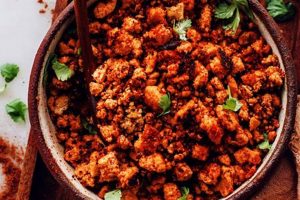
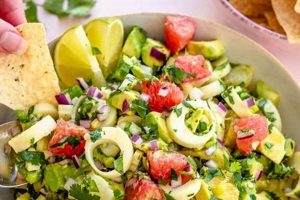
Dietary guidelines adhering to both Paleolithic and plant-based principles represent a challenge in nutritional planning. It involves constructing meals that exclude grains, legumes, and dairy products (hallmarks of a paleo diet) while simultaneously avoiding all animal-derived products (a core tenet of veganism). This often translates to dishes featuring fruits, vegetables, nuts, seeds, and certain plant-based fats like avocado and olive oil.
The merit of these combined dietary approaches lies in their potential to promote increased consumption of micronutrient-rich foods and reduced intake of processed ingredients. Proponents suggest benefits such as improved blood sugar regulation and reduced inflammation. Historically, interest in primal eating patterns coincided with the rise of plant-based ethical and environmental concerns, prompting individuals to explore hybrid approaches.
Subsequent sections will delve into the specifics of macronutrient considerations, recipe adaptation strategies, and potential nutrient deficiencies to monitor within the framework of combining ancestral nutritional concepts with strict plant-based protocols.
Guidance for Integrating Paleolithic and Vegan Dietary Approaches
Effective implementation requires careful attention to nutritional balance and ingredient selection. The following recommendations aim to provide a structured approach to navigating this combined dietary path.
Tip 1: Prioritize Nutrient Density: Concentrate on consuming foods naturally rich in micronutrients, such as dark leafy greens, colorful vegetables, and antioxidant-rich fruits. These should form the foundation of each meal.
Tip 2: Strategic Fat Consumption: Ensure adequate fat intake from plant-based sources, like avocados, nuts, seeds, and olive oil, is crucial for satiety and hormone production. Monitor the ratio of omega-3 to omega-6 fatty acids.
Tip 3: Protein Sourcing Alternatives: Due to the absence of both animal products and legumes, explore less common protein sources, such as hemp seeds, chia seeds, spirulina, and nutritional yeast. Combine these to create complete amino acid profiles.
Tip 4: Creative Culinary Adaptation: Modify conventional recipes by substituting disallowed ingredients with compatible alternatives. For example, use cauliflower rice instead of grains, or coconut cream in place of dairy.
Tip 5: Supplementation Considerations: Evaluate the need for vitamin B12, vitamin D, and calcium supplementation, as these nutrients are often lacking in strictly plant-based regimens. Consult a healthcare professional for personalized recommendations.
Tip 6: Monitor Caloric Intake: Given the potentially lower caloric density of plant-based meals, diligently track energy intake to prevent unintended weight loss or nutritional deficiencies.
Tip 7: Minimize Processed Foods: Focus on whole, unprocessed foods to maximize nutrient bioavailability and minimize the intake of added sugars, unhealthy fats, and artificial ingredients. Even when labeled “vegan,” a product may not be paleo compliant due to processing.
By carefully considering these guidelines, individuals can successfully integrate both paleo and vegan principles into a cohesive dietary plan. Such integration demands consistent vigilance in nutrient monitoring and thoughtful meal planning.
The subsequent segment will address specific challenges related to adapting recipes and managing potential deficiencies, providing further insight into maximizing the benefits of this particular nutritional approach.
1. Ingredient compatibility

Ingredient compatibility forms a foundational pillar when formulating dietary plans adhering to both Paleo and vegan guidelines. Identifying items that meet the restrictions of both dietary frameworks is essential for creating viable and nutritionally complete recipes.
- Exclusion of Grains and Legumes
The absence of grains and legumes is a defining characteristic of ingredient compatibility in this context. Traditional staples such as wheat, rice, beans, and lentils are prohibited. This necessitates the exploration of alternative carbohydrate and protein sources, significantly impacting recipe structure and macronutrient ratios.
- Rejection of Animal-Derived Products
Strict adherence to vegan principles excludes all animal products, including meat, dairy, eggs, and honey. This further limits ingredient selection, demanding reliance on plant-based fats, seeds, and specialized vegan protein sources to achieve nutritional adequacy.
- Focus on Acceptable Plant-Based Options
Successfully navigating ingredient compatibility requires concentrating on fruits, vegetables, nuts, seeds, and certain plant-based fats. Recipes should be structured around these permissible components, emphasizing creative combinations and preparation methods to maximize nutrient density and palatability. Coconut, avocado, and leafy greens become key ingredients.
- Assessment of Processed “Paleo” and “Vegan” Foods
While certain commercially available products may be marketed as Paleo or vegan, careful scrutiny of ingredient lists remains paramount. Many processed foods, even those labeled as such, may contain additives or ingredients that violate the principles of either diet. Prioritizing whole, unprocessed foods is crucial for maintaining compatibility.
The identification and strategic utilization of compatible ingredients allows for the creation of recipes that satisfy the requirements of both dietary frameworks. Understanding these limitations and focusing on acceptable options allows the creation of recipes that are not only nutritionally balanced but also align with the restrictions inherent in both the Paleolithic and vegan approaches to eating.
2. Nutrient balancing
Nutrient balancing presents a critical challenge within the domain of dietary plans adhering to both Paleolithic and vegan restrictions. The simultaneous exclusion of animal products, grains, and legumes necessitates meticulous attention to micronutrient and macronutrient ratios to prevent deficiencies and ensure optimal physiological function.
- Protein Adequacy
Achieving sufficient protein intake requires strategic sourcing from plant-based foods. Hemp seeds, chia seeds, spirulina, and nutritional yeast represent viable options. Combinations of these sources must be carefully planned to provide a complete amino acid profile, mimicking the protein quality found in animal-derived products that are excluded in a vegan framework. Inadequate protein consumption can lead to muscle loss and impaired immune function.
- Fatty Acid Ratios
Maintaining a balanced ratio of omega-3 to omega-6 fatty acids is essential for mitigating inflammation. Plant-based sources of omega-3 fatty acids, such as flax seeds and walnuts, should be prioritized. Limiting the intake of processed vegetable oils high in omega-6 fatty acids is advisable to promote overall health and minimize the potential for inflammatory responses within the body.
- Micronutrient Sufficiency
Vitamin B12, iron, calcium, and vitamin D often require specific attention, as they may be less bioavailable or present in lower concentrations in plant-based diets. Supplementation may be necessary to address potential deficiencies. Regular monitoring of nutrient levels through blood testing can provide valuable insights into individual needs and inform appropriate dietary adjustments.
- Carbohydrate Sources and Fiber Intake
Reliance on non-starchy vegetables and low-glycemic fruits becomes essential for providing carbohydrates while adhering to both dietary guidelines. Adequate fiber intake, critical for digestive health and satiety, should be prioritized through consumption of a variety of vegetables and fruits. Strategic selection of carbohydrate sources can help maintain stable blood sugar levels and prevent energy fluctuations.
The careful integration of these considerations is imperative for formulating sustainable and nutritionally sound Paleo and vegan recipes. A deep understanding of nutrient bioavailability, strategic food combinations, and potential supplementation needs are crucial for successfully navigating the intersection of these two restrictive dietary approaches and promoting long-term well-being. Continuous education and consultation with qualified healthcare professionals are advised.
3. Recipe adaptation

Recipe adaptation constitutes a crucial skill for individuals adhering to both Paleo and vegan dietary guidelines. The inherent restrictions of each diet, when combined, necessitate significant modifications to conventional recipes to align with permissible ingredients and maintain nutritional adequacy.
- Ingredient Substitution Strategies
Recipe adaptation often involves replacing prohibited ingredients with compatible alternatives. For instance, dairy products are substituted with coconut cream or nut-based cheeses; grains are replaced with cauliflower rice or zucchini noodles. Successful substitution requires understanding the functional properties of the original ingredient to ensure acceptable texture and flavor in the final dish. Furthermore, potential allergenic cross-reactivity must be considered.
- Macronutrient Balancing Adjustments
The exclusion of grains, legumes, and animal products can significantly alter the macronutrient profile of a recipe. Adaptation necessitates strategic adjustments to ensure adequate protein, fat, and carbohydrate intake. For example, incorporating hemp seeds or chia seeds can boost protein content, while adding avocado or olive oil can increase healthy fat intake. Careful monitoring of portion sizes and nutrient densities is vital for maintaining balance.
- Flavor Profile Recreation
Many traditional recipes rely on ingredients prohibited in both Paleo and vegan diets for their characteristic flavors. Adapting these recipes requires creative use of herbs, spices, and umami-rich vegetables to replicate desired taste profiles. For example, smoked paprika can mimic the smoky flavor of bacon, while nutritional yeast can impart a cheesy flavor. Successful adaptation balances flavor accuracy with adherence to dietary restrictions.
- Nutritional Enhancement Techniques
Beyond simply replacing ingredients, adaptation can be used to enhance the nutritional value of a recipe. Adding micronutrient-rich foods, such as leafy greens or seaweed, can compensate for potential nutrient deficiencies arising from dietary restrictions. Employing techniques like sprouting or fermenting can improve the bioavailability of nutrients in certain ingredients. Effective adaptation prioritizes not only compliance but also nutritional optimization.
The capacity to effectively adapt recipes is paramount for long-term adherence to Paleo and vegan dietary principles. Such adaptation extends beyond mere ingredient replacement, encompassing strategic macronutrient adjustments, flavor profile recreation, and nutritional enhancement. Mastery of these skills allows for the creation of a diverse and satisfying culinary repertoire, mitigating the challenges associated with combined dietary restrictions.
4. Protein alternatives

The formulation of combined Paleolithic and vegan recipes necessitates a comprehensive understanding and strategic application of protein alternatives. Due to the exclusion of both animal products and legumes traditional protein sources alternative options become critical for meeting daily protein requirements. Inadequate protein intake can lead to muscle loss, impaired immune function, and decreased satiety, making the identification and implementation of suitable plant-based alternatives a paramount concern. For instance, a typical Paleo diet relies heavily on meat, fish, and eggs, while a vegan diet often features beans, lentils, and tofu. The combined restrictions eliminate these options, compelling a focus on less conventional protein sources such as hemp seeds, chia seeds, spirulina, and nutritional yeast. Recipe development, therefore, hinges on creatively incorporating these alternatives to ensure adequate protein content.
Practical application involves carefully calculating the protein contribution of each ingredient in a recipe. Consider a Paleo-vegan egg-free frittata where blended silken tofu (if deemed an acceptable ingredient within a modified Paleo framework) or a mixture of pureed cauliflower and nut butter serves as a base. The recipe must be augmented with ingredients like pumpkin seeds and spinach, not only for flavor and texture but also to significantly elevate the overall protein content. Furthermore, supplementation with vegan protein powders, derived from sources like brown rice or peas, is sometimes integrated to bridge any remaining protein deficit. Strategic ingredient selection, combined with attention to serving sizes and protein density, is essential. Consider a recipe for “grain-free granola” utilizing a base of nuts and seeds and coconut flakes. Hemp hearts and chia seeds can be added to significantly increase the protein content without drastically altering the base flavor profile.
In summary, protein alternatives are an indispensable component of successful Paleo and vegan recipes. The challenge lies in navigating the restrictive ingredient list and maximizing protein intake through less conventional means. The careful selection of nutrient-dense, protein-rich plant-based ingredients is crucial for maintaining adequate protein intake and overall nutritional well-being. Failure to address this requirement can result in nutritional deficiencies, highlighting the practical significance of understanding and applying protein alternatives in the context of combined Paleolithic and vegan dietary approaches.
5. Fat sourcing
The selection and utilization of dietary fats represent a critical consideration in the formulation of combined Paleolithic and vegan recipes. Given the exclusion of many traditional fat sources inherent in both dietary frameworks, careful attention must be paid to identifying and incorporating compatible alternatives that fulfill essential nutritional requirements.
- Avocado Utilization
Avocado serves as a primary fat source, offering monounsaturated fatty acids beneficial for cardiovascular health. Its versatility allows for incorporation into various dishes, from salads to smoothies, thereby enhancing both the nutritional profile and palatability of recipes. However, reliance on avocado necessitates consideration of sustainability practices and sourcing ethics given its environmental impact.
- Nut and Seed Derivatives
Nuts and seeds, along with their respective oils and butters, contribute essential fatty acids, vitamins, and minerals. Walnuts, flax seeds, chia seeds, and almonds provide omega-3 fatty acids, fiber, and various micronutrients. The inclusion of nut butters can enhance the creaminess and satiety of recipes. Consideration must be given to potential allergens and the sourcing of unrefined, minimally processed products to avoid added sugars and unhealthy fats.
- Coconut-Based Products
Coconut oil, coconut milk, and coconut cream contribute saturated fatty acids, adding richness and texture to dishes. While coconut oil has been debated for its potential impact on cholesterol levels, its use in moderation can provide flavor and functional benefits in cooking. Coconut milk and cream serve as dairy substitutes, offering creamy textures in desserts and sauces. Choosing unsweetened varieties is important to minimize added sugar intake.
- Olive Oil Application
Extra virgin olive oil is a staple source of monounsaturated fats and antioxidants. Its application in salad dressings, sauting vegetables, and drizzling over finished dishes provides both nutritional and culinary benefits. Opting for cold-pressed, extra virgin olive oil ensures a higher concentration of beneficial compounds. The oil’s low smoke point necessitates careful temperature control during cooking to prevent degradation and preserve its nutritional value.
The effective sourcing of dietary fats, through strategic incorporation of avocados, nuts, seeds, coconut-based products, and olive oil, is essential for developing nutritionally complete and palatable combined Paleolithic and vegan recipes. Careful attention to sourcing, processing, and moderation is crucial for maximizing the benefits and minimizing the potential drawbacks associated with each fat source, ensuring a balanced and sustainable dietary approach.
6. Micronutrient density

Micronutrient density constitutes a paramount consideration within the framework of Paleo and vegan recipes. This is a direct consequence of the combined dietary restrictions, necessitating strategic ingredient selection to compensate for the exclusion of nutrient-rich food groups commonly relied upon in conventional diets. Failure to prioritize micronutrient density can lead to deficiencies in essential vitamins and minerals, impacting overall health and well-being. For instance, the elimination of dairy products, a significant source of calcium and vitamin D, necessitates the incorporation of alternative sources such as fortified plant-based milks, dark leafy greens, and strategic sunlight exposure. Similarly, the absence of meat, a primary provider of iron and vitamin B12, mandates the consumption of iron-rich plant foods and supplementation with vitamin B12 to prevent anemia and neurological complications. Proper planning is, therefore, the primary action to take.
The strategic incorporation of micronutrient-dense ingredients into Paleo and vegan recipes is exemplified by dishes that feature dark leafy greens like spinach and kale, cruciferous vegetables such as broccoli and cauliflower, and colorful fruits such as berries and citrus. These ingredients provide a spectrum of vitamins, minerals, and antioxidants that support immune function, cellular health, and overall physiological processes. For example, a salad incorporating a variety of colorful vegetables, nuts, and seeds dressed with a lemon-tahini vinaigrette delivers vitamins A, C, and E, along with essential minerals like magnesium and zinc. A breakfast smoothie made with spinach, berries, and a source of plant-based protein can provide a concentrated dose of micronutrients to kickstart the day.
Prioritizing micronutrient density in Paleo and vegan recipes presents both challenges and opportunities. The limited ingredient selection demands creativity and careful planning to ensure nutritional adequacy. However, it also encourages the exploration of lesser-known plant-based foods and the development of innovative recipes that maximize nutrient bioavailability. By emphasizing whole, unprocessed foods and employing strategies to enhance nutrient absorption, individuals can successfully meet their micronutrient needs while adhering to the principles of both the Paleo and vegan diets. The long-term success depends on a commitment to understanding nutritional requirements, experimenting with diverse ingredients, and monitoring individual health indicators to make informed dietary adjustments. Ensuring a balanced intake of nutrients is key for overall well-being and a healthy lifestyle.
7. Flavor profiles

Flavor profiles, the complex interplay of taste, aroma, and texture, significantly influence the palatability and long-term adherence to any dietary regimen. Their importance is amplified within the realm of paleo and vegan recipes due to the inherent restrictions that necessitate creative ingredient substitutions and flavor combinations. Successfully navigating these constraints requires a deep understanding of both culinary techniques and the inherent flavor characteristics of permissible ingredients.
- Umami Enhancement
Umami, often described as a savory or meaty flavor, is frequently lacking in diets devoid of animal products. Within paleo and vegan recipes, ingredients like mushrooms, sun-dried tomatoes, and nutritional yeast are strategically employed to replicate this essential flavor component. Fermentation processes can further enhance umami, as demonstrated by the use of miso or fermented vegetables to add depth and complexity to dishes. Proper umami balancing is often the key to palatable meals.
- Herb and Spice Blending
Herbs and spices assume a central role in defining flavor profiles within restricted dietary contexts. Blending complementary spices, such as cumin, coriander, and turmeric, can create warm and inviting flavor notes reminiscent of traditional dishes. Fresh herbs, like basil, cilantro, and mint, provide brightness and aromatic complexity. Precise control over spice ratios and cooking times is necessary to optimize flavor extraction and avoid overpowering other ingredients.
- Acidic Balancing
Acidity plays a critical role in balancing sweetness and richness, preventing dishes from becoming monotonous. In paleo and vegan recipes, acidic components like lemon juice, lime juice, apple cider vinegar, and balsamic vinegar are used to brighten flavors and enhance the overall sensory experience. Fermented ingredients, such as sauerkraut or kimchi, also contribute acidity along with beneficial probiotics.
- Texture Variation
Texture contributes significantly to the overall sensory experience of food. Achieving texture variation in paleo and vegan recipes requires creative use of ingredients and cooking techniques. Nuts and seeds provide crunch, while pureed vegetables create creaminess. Roasting, grilling, and steaming methods offer different textural outcomes, adding complexity to the finished dish. The final key to textural meals relies on how each ingredient balances to each other.
Successfully manipulating these facets of flavor profiles is crucial for creating palatable and satisfying paleo and vegan recipes. By understanding the inherent flavor characteristics of permissible ingredients and employing strategic culinary techniques, cooks can overcome the challenges posed by dietary restrictions and develop innovative dishes that appeal to a wide range of palates. Without thoughtful consideration of flavor profiles, adherence to these combined dietary principles can become unsustainable, highlighting the importance of flavor engineering in ensuring long-term dietary success.
Frequently Asked Questions
The following section addresses common inquiries and misconceptions surrounding the formulation and implementation of recipes adhering to both Paleolithic and vegan dietary guidelines. Clarity on these points is essential for successful adherence and optimized nutritional outcomes.
Question 1: Is the combination of Paleo and vegan principles inherently restrictive?
Yes, the convergence of these dietary frameworks presents significant restrictions. The exclusion of grains, legumes, dairy, and all animal products limits ingredient selection, demanding careful planning and nutritional awareness.
Question 2: What are the primary protein sources in Paleo and vegan recipes?
Viable protein sources include hemp seeds, chia seeds, spirulina, nutritional yeast, and certain nuts and seeds. Strategic combinations are necessary to achieve complete amino acid profiles comparable to animal-derived proteins.
Question 3: How can micronutrient deficiencies be addressed in this dietary approach?
Focus on micronutrient-dense ingredients such as dark leafy greens, colorful vegetables, and seaweed. Supplementation with vitamin B12, vitamin D, and other nutrients may be necessary based on individual needs and dietary assessment.
Question 4: What fats are permissible and beneficial in Paleo and vegan recipes?
Acceptable fat sources include avocados, nuts, seeds, coconut oil, and olive oil. Emphasis should be placed on monounsaturated and omega-3 fatty acids while minimizing processed vegetable oils.
Question 5: How are conventional recipes adapted to meet both Paleo and vegan requirements?
Adaptation involves ingredient substitution, macronutrient balancing, and creative flavor manipulation. For example, cauliflower rice replaces grains, and nut-based cheeses substitute for dairy products. Herbs and spices are used to enhance flavor in the absence of traditional seasonings.
Question 6: Are commercially available Paleo and vegan products reliably compliant?
Scrutiny of ingredient lists is essential. Many processed foods marketed as Paleo or vegan may contain additives or ingredients inconsistent with either dietary approach. Prioritization of whole, unprocessed foods is recommended.
Effective implementation of Paleo and vegan recipes necessitates a thorough understanding of dietary restrictions, nutrient balancing, and culinary adaptation techniques. Diligent planning and adherence to these guidelines are crucial for achieving optimal health outcomes.
The subsequent section will delve into specific examples of successful Paleo and vegan recipes, demonstrating the practical application of the principles discussed herein.
Conclusion
The preceding exploration underscores the complexities inherent in formulating “paleo and vegan recipes.” The intersection of Paleolithic and vegan dietary restrictions necessitates a comprehensive understanding of nutrient sourcing, ingredient compatibility, and culinary adaptation. The challenges associated with meeting protein requirements, balancing macronutrient ratios, and addressing potential micronutrient deficiencies demand diligent planning and informed decision-making.
The successful integration of both dietary frameworks hinges on a commitment to continuous learning, strategic ingredient selection, and a proactive approach to nutritional monitoring. Future research should focus on optimizing nutrient bioavailability within this restricted dietary context and identifying innovative protein sources to enhance the sustainability and accessibility of these combined nutritional principles. The pursuit of balanced and palatable recipes remains a critical endeavor in promoting adherence and maximizing the potential health benefits associated with “paleo and vegan recipes.”