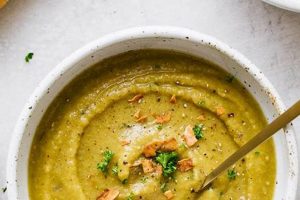
A plant-based adaptation of a classic comfort food, this creamy and hearty dish features earthy mushrooms, chewy wild rice, and a rich broth typically achieved without animal products. The recipe excludes common ingredients like dairy milk, butter, or animal-based stock, relying instead on plant-derived alternatives to create a flavorful and satisfying culinary experience. For example, cashew cream or coconut milk can provide the desired creamy texture, while vegetable broth offers a suitable foundation for the soup’s flavor profile.
The appeal of this variation extends beyond dietary restrictions. It offers a nutritious and sustainable option for individuals seeking to reduce their environmental impact or embrace a healthier lifestyle. Wild rice, a nutrient-rich grain, contributes fiber, vitamins, and minerals. Mushrooms provide essential nutrients and a savory umami flavor. Historically, similar grain and vegetable soups have been staples in various cultures, adapted to incorporate local ingredients and evolving dietary preferences. This specific iteration reflects a modern emphasis on plant-based cuisine without sacrificing taste or satisfaction.
The subsequent sections will explore specific ingredient substitutions, techniques for achieving optimal flavor and texture, nutritional considerations, and potential variations on this popular recipe. This will encompass discussion on sourcing high-quality ingredients, adjusting seasoning to personal preference, and addressing common challenges in plant-based cooking.
Tips for Exceptional Mushroom Wild Rice Soup, Vegan Style
Achieving optimal flavor and texture in a plant-based version requires careful consideration of ingredients and techniques. These tips provide guidance for producing a superior dish.
Tip 1: Utilize a Variety of Mushrooms: Employing a mix of mushroom varieties, such as cremini, shiitake, and oyster, enhances the complexity and depth of the flavor profile. Each type contributes unique textural and aromatic qualities to the final soup.
Tip 2: Toast Wild Rice Before Cooking: Lightly toasting the wild rice in a dry pan before boiling unlocks its nutty flavor and prevents it from becoming overly sticky during the cooking process. Monitor carefully to avoid burning.
Tip 3: Build Flavor with Aromatic Vegetables: Sauting onions, carrots, and celery (mirepoix) in olive oil or vegan butter before adding the mushrooms creates a flavorful base. Allow sufficient time for the vegetables to soften and release their natural sweetness.
Tip 4: Deglaze the Pot with Dry White Wine (Optional): After sauting the vegetables and mushrooms, deglazing the pot with a splash of dry white wine lifts any browned bits from the bottom, adding another layer of flavor complexity. Ensure the alcohol evaporates before proceeding.
Tip 5: Employ High-Quality Vegetable Broth: The broth serves as the foundation of the soup’s flavor. Using a high-quality vegetable broth, preferably homemade or low-sodium, is essential for achieving a rich and satisfying taste.
Tip 6: Achieve Creaminess with Plant-Based Alternatives: Coconut milk (full-fat), cashew cream, or blended silken tofu are effective dairy-free alternatives for creating a creamy texture. Adjust the amount according to desired consistency and flavor profile.
Tip 7: Season Generously and Adjust Accordingly: Seasoning is crucial. Use a combination of salt, pepper, dried thyme, and bay leaf. Taste frequently during the cooking process and adjust the seasoning as needed to achieve a balanced flavor.
Tip 8: Allow Flavors to Meld: After simmering, allow the soup to sit for at least 30 minutes before serving. This allows the flavors to meld and deepen, resulting in a more cohesive and flavorful final product.
By implementing these strategies, one can significantly elevate the quality of the resulting dish, ensuring a flavorful, nutritious, and satisfying experience.
The subsequent sections will delve into variations on this basic recipe, exploring options for incorporating different vegetables, spices, and cooking techniques to further personalize and enhance the dish.
1. Umami enhancement

Umami, often described as a savory or meaty flavor, plays a crucial role in the overall gustatory satisfaction of the plant-based soup. Since traditional recipes may derive umami from animal products, achieving a comparable depth of flavor in a vegan version necessitates deliberate strategies. The direct impact of successful umami enhancement is a richer, more complex taste that compensates for the absence of meat-based ingredients, thereby improving the overall palatability of the dish. Mushrooms themselves are naturally high in glutamates, the compounds responsible for umami, making them a logical starting point for boosting this flavor profile. Specific mushroom varieties, such as shiitake or dried porcini, contain particularly high levels of glutamates. Sun-dried tomatoes, soy sauce (tamari for gluten-free options), and nutritional yeast are other vegan-friendly ingredients that can contribute significantly to umami enhancement.
The practical application of this understanding involves careful ingredient selection and preparation. For example, using a blend of fresh and dried mushrooms maximizes both texture and umami intensity. Rehydrating dried mushrooms and utilizing the resulting soaking liquid as part of the soup broth further amplifies the savory element. Lightly browning the mushrooms during the sauteing process also contributes to umami development through the Maillard reaction. Furthermore, the judicious addition of soy sauce or nutritional yeast, carefully balanced with other seasonings, can elevate the flavor profile without overpowering the other ingredients. Under-enhancement of umami may result in a bland or unsatisfying flavor, while over-enhancement can lead to an excessively salty or overpowering taste.
In conclusion, the strategic enhancement of umami is paramount for a successful iteration of this plant-based dish. By consciously selecting umami-rich ingredients and employing appropriate cooking techniques, it is possible to create a vegan soup that delivers a deeply savory and satisfying experience. The challenge lies in achieving a delicate balance, ensuring that the umami complements, rather than overwhelms, the other flavors of the dish. Further research could explore novel vegan sources of umami and innovative techniques for maximizing their flavor-enhancing potential.
2. Creamy texture (plant-based)

The creamy texture in this plant-based soup is a critical component in replicating the traditional comfort and richness associated with non-vegan versions. The absence of dairy necessitates alternative approaches to achieve this characteristic mouthfeel. Without the appropriate methods, the soup may lack the desired viscosity and richness, resulting in a less satisfying sensory experience. Real-life examples demonstrate the importance of this texture: a watery, thin soup, despite flavorful ingredients, is unlikely to provide the same sense of warmth and satiety as a creamy, substantial one. The practical significance lies in understanding the properties of plant-based ingredients and how they can be manipulated to mimic dairy-derived creaminess.
Several plant-based options exist for achieving the desired texture. Cashew cream, made by blending soaked cashews with water, provides a neutral-flavored, rich base. Coconut milk, particularly the full-fat variety, offers a distinct flavor profile that complements the mushrooms and wild rice. Silken tofu, when blended, creates a smooth and creamy texture, although its flavor may require masking with other ingredients. Pureed vegetables, such as potatoes or cauliflower, can also contribute to thickness and creaminess without altering the overall taste significantly. The method of incorporation also influences the final texture. Adding the creamy element towards the end of cooking prevents over-thickening and ensures a smooth consistency. Techniques such as using an immersion blender to partially puree the soup can further enhance the creamy effect. The type of wild rice used also has an impact. Some varieties release more starch during cooking, naturally thickening the soup. Understanding these factors allows for precise control over the final product’s texture.
In summary, achieving a creamy texture through plant-based means is essential for creating a satisfying vegan version of this soup. The choice of ingredient and method of incorporation significantly affects the final outcome. While challenges may exist in perfectly replicating the dairy-based creaminess of traditional versions, a careful understanding of plant-based alternatives allows for the creation of a rich, flavorful, and texturally pleasing dish. This knowledge links directly to the broader goal of successfully adapting classic recipes to accommodate dietary restrictions and preferences without sacrificing taste or satisfaction.
3. Wild rice preparation
The successful preparation of wild rice is integral to the overall quality and texture of plant-based mushroom wild rice soup. Proper cooking techniques are essential to achieving the desired consistency and flavor, influencing the final outcome of the dish.
- Rinsing and Soaking
Rinsing wild rice prior to cooking removes excess starch and debris, preventing a gummy texture in the soup. Soaking, while optional, can reduce cooking time and contribute to a more even cooking process. Failing to rinse adequately may result in a viscous, less appealing broth. Conversely, over-soaking could lead to a mushy consistency. The implications are evident: a soup with properly rinsed and, potentially, soaked wild rice will have a clearer broth and a more defined grain texture.
- Cooking Method and Liquid Ratio
Wild rice can be cooked using various methods, including boiling, steaming, or simmering in broth. The ratio of liquid to rice is crucial for achieving the correct level of doneness. Overcooking results in a bloated, split grain, while undercooking leaves the rice tough and chewy. For example, a general guideline is to use a 3:1 liquid-to-rice ratio. Adapting this ratio based on the specific wild rice variety and desired texture is necessary for optimal results in the soup.
- Toasting Prior to Cooking
Lightly toasting dry wild rice in a pan before adding it to the soup or boiling it separately can enhance its nutty flavor. This process initiates the Maillard reaction, creating more complex aromatic compounds. This is analogous to toasting nuts before adding them to a recipe – it intensifies their inherent flavor. In the context of the soup, toasting wild rice contributes a deeper, more nuanced flavor profile to the dish.
- Cooking Time and Testing for Doneness
Wild rice requires a longer cooking time compared to white rice, typically ranging from 45 to 60 minutes. Checking for doneness involves tasting the rice; it should be tender but still retain a slight chew. Overcooking leads to bursting grains and a mushy texture, while undercooking leaves the rice unpleasantly hard. Adjusting cooking time based on the specific variety and observing the grain’s appearance are essential for achieving the desired consistency in the final soup.
These elements of wild rice preparation are interconnected and collectively influence the final quality of the plant-based soup. Careful attention to rinsing, liquid ratio, cooking method, and doneness ensures that the wild rice complements the other ingredients, contributing a pleasant texture and nutty flavor to the overall dish.
4. Mushroom Selection

The choice of mushrooms profoundly impacts the flavor, texture, and nutritional profile of plant-based wild rice soup. Careful consideration of mushroom varieties is paramount for achieving a desired culinary outcome. The type of mushroom utilized significantly influences the overall character of the dish, moving beyond mere ingredient inclusion to a pivotal determinant of its success.
- Flavor Profile
Different mushrooms possess distinct flavor profiles ranging from mild and earthy to intense and savory. Cremini mushrooms offer a subtle, versatile base flavor. Shiitake mushrooms contribute a richer, more umami-laden taste. Oyster mushrooms provide a delicate, slightly sweet flavor. Porcini mushrooms, often dried, impart a concentrated, nutty earthiness. The selection process must align with the desired flavor intensity and complexity of the soup. For example, a soup seeking a robust, deeply savory profile might incorporate a combination of shiitake and porcini, while a soup aiming for a lighter, more delicate flavor might prioritize cremini and oyster mushrooms. Neglecting flavor profiles results in a potentially unbalanced or underwhelming taste experience.
- Textural Contribution
Mushrooms offer diverse textures, influencing the mouthfeel of the soup. Button mushrooms soften considerably during cooking, providing a subtle textural element. Portobello mushrooms retain a firmer texture, offering a more substantial bite. Chanterelle mushrooms contribute a delicate, slightly chewy texture. Combining mushroom varieties provides a more dynamic and appealing textural experience. A soup relying solely on button mushrooms may lack textural interest, while a soup incorporating portobello offers a more satisfying chew. Appropriate mushroom selection is therefore crucial for achieving textural balance.
- Nutritional Content
Mushrooms are a source of various nutrients, including vitamins, minerals, and antioxidants. Different varieties offer varying nutritional profiles. Shiitake mushrooms are rich in B vitamins and polysaccharides, known for their immune-boosting properties. Oyster mushrooms are a good source of niacin and riboflavin. Portobello mushrooms provide potassium and selenium. Selecting a diverse range of mushrooms enhances the overall nutritional value of the soup, contributing to a healthier and more well-rounded meal. Utilizing only one variety limits the potential nutritional benefits.
- Availability and Cost
The accessibility and cost of different mushroom varieties vary significantly depending on geographical location and season. Common varieties like cremini and button mushrooms are typically readily available and affordable. More exotic varieties, such as porcini or chanterelles, may be less accessible and more expensive. Practical considerations regarding availability and budget must inform the selection process. A recipe relying solely on expensive, hard-to-find mushrooms may be impractical for many home cooks. Balancing desired flavor and nutritional profiles with realistic sourcing and cost constraints is essential.
These facets underscore the multifaceted nature of mushroom selection in the context of this plant-based soup. A thoughtful and informed approach to mushroom selection significantly elevates the culinary and nutritional qualities of the final product. The interplay of flavor, texture, nutritional content, availability, and cost guides the selection process, enabling a balanced and satisfying dish. The successful integration of these considerations results in a vegan mushroom wild rice soup that is both delicious and nutritionally beneficial.
5. Broth quality
The broth serves as the foundational liquid component of the soup, significantly influencing the overall flavor profile. In the context of a plant-based recipe, where traditional animal-based stocks are absent, the selection and preparation of the broth become paramount. High-quality broth imparts depth and complexity, while a substandard choice can result in a bland or uninspired final product. Real-life examples demonstrate this principle: a soup made with homemade vegetable broth brimming with roasted vegetables and herbs offers a markedly different experience compared to one utilizing a diluted, mass-produced broth with minimal flavor. The broths quality directly determines the soup’s inherent savoriness and richness, compensating for the lack of meat-derived umami.
Several options exist for achieving a high-quality vegan broth. Homemade vegetable broth, prepared with roasted or simmered vegetables (such as onions, carrots, celery, and mushrooms), herbs (like thyme and bay leaf), and spices, offers the greatest control over flavor and sodium content. Alternatively, commercially available vegetable broths can be utilized, but careful attention must be paid to the ingredient list and sodium levels. Mushroom broth, either purchased or made by simmering dried mushrooms, provides an additional layer of umami that complements the primary mushroom component of the soup. Furthermore, the broth can be further enhanced with ingredients like soy sauce (tamari for gluten-free options), nutritional yeast, or a splash of dry sherry to boost the savory notes. Using a combination of vegetable broth and mushroom broth can be advantageous for a more complex and nuanced flavor profile.
In summation, broth quality exerts a substantial influence on the ultimate success of vegan mushroom wild rice soup. Investing time and effort in selecting or preparing a flavorful and well-seasoned broth is essential for creating a satisfying and memorable dish. While challenges may arise in replicating the depth of flavor found in traditional meat-based broths, careful ingredient selection and attention to detail can yield a plant-based broth that forms a robust and delicious foundation for the soup. This understanding underscores the broader principle that foundational ingredients often have a disproportionately large impact on the overall quality of a recipe.
6. Seasoning balance

Achieving optimal seasoning balance is crucial in vegan mushroom wild rice soup, ensuring that the flavors of the various componentsearthy mushrooms, nutty wild rice, and vegetable brothharmonize effectively. Without a carefully considered approach to seasoning, the soup may lack depth, complexity, or overall palatability. The absence of animal products necessitates a more deliberate approach to seasoning to compensate for the umami and richness often derived from meat-based ingredients.
- Salt and Pepper Foundation
Salt enhances the inherent flavors of the ingredients, while pepper provides a subtle heat and aromatic complexity. The proper application of salt and pepper serves as the foundational layer upon which other seasonings build. Insufficient salt results in a bland and lifeless soup, while excessive salt can overwhelm the other flavors. Similarly, a lack of pepper can render the soup one-dimensional, while too much pepper can create an unbalanced heat. In the context of vegan mushroom wild rice soup, judicious use of both elements brings out the earthiness of the mushrooms and the nuttiness of the wild rice without overpowering them. The soup must be tasted and adjusted throughout the cooking process.
- Herbal Infusion
Dried or fresh herbs contribute aromatic complexity and depth to the soup. Thyme, bay leaf, and rosemary are commonly used herbs that complement the earthy flavors of mushrooms and wild rice. The timing of herb addition is crucial; dried herbs are typically added early in the cooking process to allow their flavors to fully infuse the broth, while fresh herbs are often added towards the end to preserve their vibrancy. Overuse of herbs can result in a bitter or overpowering taste, while underuse can render the soup lacking in aromatic complexity. Precise measurement and careful consideration of herb pairings contribute to a balanced and flavorful dish. A bay leaf added at the beginning of the cooking process and removed before serving exemplifies correct application.
- Umami Enhancement Through Seasoning
In vegan cuisine, strategic seasoning can replicate the umami flavor often associated with meat-based dishes. Soy sauce (or tamari), nutritional yeast, and dried mushrooms are vegan-friendly ingredients that contribute umami notes. The addition of a small amount of soy sauce or nutritional yeast enhances the savory character of the soup without overpowering the other flavors. Dried porcini mushrooms, rehydrated and added to the broth, impart a deep, earthy umami. Careful modulation of these ingredients prevents an overly salty or artificial taste. Such seasoning transforms a potentially flat flavor profile into a complex, deeply satisfying one.
- Acidic Brightness
A touch of acidity can balance the richness of the soup and brighten its overall flavor. Lemon juice, vinegar (such as sherry vinegar), or dry white wine can be used to achieve this effect. The acidic element cuts through the richness of the broth and complements the earthy flavors of the mushrooms and wild rice. Adding a small amount of lemon juice just before serving adds a brightness that elevates the entire dish. Overuse of acidic ingredients, however, can create an overly tart or sour flavor profile. Balanced acidity prevents the soup from being perceived as heavy or monotonous.
The facets of seasoning balance work synergistically to enhance the overall flavor of vegan mushroom wild rice soup. Each elementsalt, pepper, herbs, umami enhancers, and acidityplays a distinct role in creating a complex and satisfying taste. By carefully considering the interplay of these components, the dish can achieve a depth of flavor that rivals traditional, non-vegan versions. Attention to seasoning transforms a collection of ingredients into a cohesive and flavorful culinary experience.
7. Nutritional profile
The nutritional profile of vegan mushroom wild rice soup is a significant factor in its appeal as a health-conscious meal option. The inherent composition of the constituent ingredients directly influences the soup’s macro- and micronutrient content. The absence of animal products alters the traditional nutritional landscape, emphasizing plant-based sources of protein, fiber, and various vitamins and minerals. This necessitates a careful evaluation of ingredient choices to ensure a balanced and complete nutritional profile. For example, a soup relying solely on refined plant-based ingredients may offer limited nutritional value compared to one incorporating whole grains, diverse vegetables, and nutrient-dense additions like nuts or seeds. The practical significance lies in understanding how ingredient selection directly impacts the soups health benefits.
Wild rice, a central component, contributes complex carbohydrates, fiber, and protein, offering a sustained source of energy and promoting digestive health. Mushrooms provide various B vitamins, selenium, and antioxidants, supporting immune function and overall well-being. The specific mushroom variety influences the precise micronutrient composition. Legumes, if included, enhance the protein content and contribute additional fiber. The type of plant-based milk or cream used to achieve creaminess also affects the nutritional profile, with options like cashew cream offering healthy fats and micronutrients. The inclusion of vegetables like carrots, celery, and onions further enhances the vitamin and mineral content. These ingredients, when combined thoughtfully, contribute to a soup that is relatively low in saturated fat and cholesterol while being rich in essential nutrients. The choice to use low sodium broth drastically reduces the overall sodium count and increases nutritional value.
In summary, the nutritional profile of plant-based mushroom wild rice soup hinges on the strategic selection of ingredients to maximize its health benefits. The absence of animal products necessitates a focus on plant-based sources of protein, fiber, vitamins, and minerals. The inherent connection between ingredient composition and nutritional value underscores the importance of informed decision-making in the recipes preparation. Challenges may exist in replicating the precise nutritional profile of traditional versions, but the resulting soup can offer a valuable and delicious contribution to a balanced and health-conscious diet. Attention to detail guarantees higher nutritional density.
Frequently Asked Questions
The following section addresses common inquiries regarding the preparation, ingredients, and nutritional aspects of this plant-based culinary creation.
Question 1: Can gluten-containing ingredients be substituted in this recipe?
Yes. Tamari can replace soy sauce as a gluten-free alternative. Ensure that the vegetable broth used is certified gluten-free. Other ingredients in the recipe, such as mushrooms, wild rice, and vegetables, are naturally gluten-free.
Question 2: What are the best methods for storing leftover soup?
Leftover soup should be cooled to room temperature before being transferred to an airtight container. It can be refrigerated for up to three days. For longer storage, the soup can be frozen for up to three months. Thaw frozen soup in the refrigerator before reheating.
Question 3: How can the soup be thickened without using dairy or gluten-based thickeners?
Pureed vegetables, such as potatoes or cauliflower, can be added to the soup and blended to increase its viscosity. Alternatively, a slurry of cornstarch or arrowroot powder mixed with water can be added to the simmering soup. Adjust the amount of thickening agent to achieve the desired consistency.
Question 4: Are there any common mistakes to avoid when preparing this recipe?
Common pitfalls include using low-quality vegetable broth, overcooking the wild rice, and insufficient seasoning. Selecting high-quality ingredients, carefully monitoring cooking times, and tasting and adjusting seasonings throughout the process are essential for success.
Question 5: Can this recipe be adapted for a slow cooker or pressure cooker?
Yes, this recipe can be adapted for both slow cookers and pressure cookers. When using a slow cooker, saut the vegetables before adding them to the cooker along with the remaining ingredients. Cook on low for 6-8 hours. When using a pressure cooker, follow the manufacturer’s instructions for soup preparation. Reduce the cooking time accordingly to prevent overcooking the wild rice.
Question 6: Is this soup nutritionally complete as a standalone meal?
While this soup provides a good source of fiber, vitamins, and minerals, it may be beneficial to supplement it with additional protein and healthy fats for a more balanced meal. Consider serving it with a side of whole-grain bread, a handful of nuts or seeds, or a small serving of plant-based protein such as tofu or tempeh.
These responses aim to clarify key aspects of the recipe, enabling informed decision-making during preparation and consumption.
The subsequent section will provide recipe variations and modifications for different tastes and dietary requirements.
In Summary
This exploration has elucidated the critical elements involved in crafting a successful rendition of a traditional dish, adapted for plant-based dietary preferences. From the strategic enhancement of umami and the achievement of creamy texture through plant-based alternatives to the careful preparation of wild rice and selection of mushroom varieties, each facet contributes significantly to the final culinary experience. The importance of broth quality and balanced seasoning further underscores the need for a deliberate and informed approach. Furthermore, the nutritional profile of this soup offers a health-conscious option, dependent on careful selection of each ingredient.
Mastering the principles outlined herein ensures not only a flavorful and satisfying meal but also expands the understanding of plant-based culinary techniques. The ongoing refinement and innovation in this area will likely yield even greater possibilities for delicious, ethical, and sustainable cuisine. Continued exploration into ingredient synergies and preparation methodologies will enable further enhancements to this and similar plant-based adaptations.