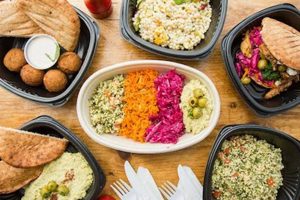
Cuisine from the Middle East, known for its rich flavors and use of spices, can be adapted to exclude animal products, resulting in plant-based versions of traditional dishes. These adaptations retain the culinary traditions of the region while adhering to vegan principles. Examples include hummus made from chickpeas, tahini, lemon juice, and garlic; falafel, a deep-fried ball or patty made from ground chickpeas or fava beans; and baba ghanoush, a smoky eggplant dip. These staples, inherently plant-based, form the foundation of a robust and varied culinary landscape.
The significance of plant-based adaptations lies in their accessibility to individuals seeking ethical and health-conscious eating options. This culinary approach allows individuals to enjoy the diverse and flavorful dishes of the Middle East while aligning with their dietary preferences. Historically, the region’s cuisine has utilized legumes, vegetables, and grains extensively, making the transition to fully plant-based dishes a natural progression. This offers a sustainable and compassionate food system, addressing both dietary and environmental concerns.
The following sections will explore the diverse ingredients, cooking techniques, and regional variations that define the culinary options within this sector. Specific dishes, nutritional considerations, and resources for preparation and consumption will also be discussed. This exploration aims to provide a comprehensive overview of this flavorful and increasingly popular culinary trend.
Culinary Guidance
Achieving authentic and flavorful results requires careful consideration of ingredient selection and preparation methods. These guidelines offer insights into maximizing the potential of plant-based Middle Eastern cuisine.
Tip 1: Leverage Regional Spices: Authentic flavor profiles are heavily reliant on spices such as cumin, coriander, turmeric, sumac, and za’atar. Source high-quality, fresh spices for optimal results. Toasted spices often yield a richer, more complex flavor.
Tip 2: Emphasize Fresh Herbs: Parsley, cilantro, mint, and dill play integral roles. Use them liberally as both ingredients and garnishes, adding brightness and depth. Chopping herbs finely releases their aromatic oils, enhancing the overall taste.
Tip 3: Utilize High-Quality Tahini: Tahini, a sesame seed paste, is a crucial ingredient in dishes like hummus and baba ghanoush. Seek out smooth, creamy tahini made from hulled sesame seeds for the best flavor and texture. Bitter or gritty tahini can significantly impact the final dish.
Tip 4: Master Chickpea Preparation: The quality of chickpeas directly affects the outcome of dishes like hummus and falafel. Soaking dried chickpeas overnight before cooking is essential. Remove the skins after cooking for a smoother texture in hummus.
Tip 5: Embrace Pickling and Fermentation: Pickled vegetables and fermented foods, such as turnips and cucumbers, add tangy and complex flavors. Incorporate these elements to complement the richness of other dishes and provide a balanced meal.
Tip 6: Explore Legume Variety: Beyond chickpeas, lentils, fava beans, and kidney beans contribute diverse flavors and textures. Experiment with different legumes in stews, soups, and salads to broaden the culinary repertoire.
By adhering to these principles, individuals can successfully create plant-based Middle Eastern meals that are both authentic in flavor and satisfying in substance. The careful selection and preparation of ingredients are paramount to achieving optimal results.
The subsequent segments will delve into specific recipes and provide detailed instructions for crafting popular regional dishes.
1. Legume-Based Staples

Legumes constitute a cornerstone of plant-based cuisine in the Middle East, serving as a primary source of protein and dietary fiber. Their inherent versatility and nutritional value render them essential components of vegan adaptations of traditional dishes. The historical prevalence of legumes in the region’s agriculture has directly shaped culinary practices, resulting in a significant reliance on ingredients like chickpeas, lentils, and fava beans.
The impact of legume-based staples on plant-based Middle Eastern food is multifaceted. Chickpeas, for instance, form the foundation of hummus and falafel, two internationally recognized dishes. Lentils are central to numerous soups and stews, providing a hearty and satisfying meal. The incorporation of these ingredients not only ensures nutritional adequacy but also preserves the authentic flavors and textures associated with Middle Eastern cuisine. Fava beans, commonly used in dishes like ful medames, contribute to the regional culinary diversity. Without these core ingredients, the plant-based versions would lack the characteristic richness and substance that defines the cuisine.
Understanding the centrality of legumes to plant-based Middle Eastern food is crucial for both culinary practitioners and consumers. Knowledge of appropriate preparation methods, such as proper soaking and cooking times, is essential for optimal flavor and texture. The versatility of legumes allows for innovative adaptations of traditional recipes, ensuring a wide range of plant-based options. While sourcing high-quality legumes may present a challenge in some regions, the nutritional and culinary benefits justify the effort. The ongoing exploration and promotion of legume-based dishes contribute to a more sustainable and inclusive food system.
2. Aromatic Spice Blends

The essence of Middle Eastern cuisine resides significantly within its aromatic spice blends. These mixtures, carefully curated and frequently passed down through generations, define the regional flavor profiles and elevate plant-based dishes to new sensory heights. The thoughtful combination of individual spices creates a symphony of tastes and aromas that distinguishes this culinary tradition.
- Za’atar’s Multifaceted Role
Za’atar, a common blend, incorporates dried thyme, sumac, sesame seeds, and salt. This mixture provides an earthy, tangy, and nutty dimension to dishes. In plant-based contexts, za’atar enhances the flavor of roasted vegetables, tops hummus, or seasons breads. Its presence transforms simple ingredients into flavorful culinary experiences.
- Baharat’s Warmth and Complexity
Baharat, a warmer spice blend, typically consists of black pepper, coriander, cumin, cinnamon, cloves, and nutmeg. Its complex profile adds depth to stews, lentil soups, and vegetable tagines. When animal products are excluded, baharat ensures the retention of rich and satisfying flavors, compensating for the absence of meat.
- Ras el Hanout’s Exotic Influence
Ras el Hanout, a complex Moroccan blend, incorporates a multitude of spices, sometimes exceeding thirty different components. Its inclusion imparts an exotic and opulent character to dishes. Plant-based adaptations benefit from the layered flavors of ras el hanout, as it intensifies the overall sensory impact of vegetable-based meals.
- Sumac’s Tangy Accent
Sumac, while often used independently, forms a crucial component of many spice blends. Its distinctive lemony, tart flavor brightens dishes and adds a refreshing counterpoint to richer ingredients. In vegan Middle Eastern cuisine, sumac provides a tangy accent to salads, dips, and grilled vegetables, enhancing their overall palatability. Its vibrant color also contributes to the visual appeal of the cuisine.
The skillful manipulation of aromatic spice blends remains fundamental to achieving authentic and satisfying plant-based dishes of the Middle East. These blends not only impart flavor but also evoke cultural significance, representing the heritage and traditions of the region. Their judicious use ensures that plant-based adaptations retain the essence of the original cuisine, offering a culinary experience that is both flavorful and culturally resonant.
3. Fresh Herb Abundance

The profuse use of fresh herbs is a defining characteristic of Middle Eastern cuisine, playing a pivotal role in enhancing the flavor profiles and nutritional value of plant-based dishes. Their inclusion extends beyond mere garnish, serving as integral components that contribute depth and complexity to each preparation.
- Culinary Impact on Flavor
Fresh herbs possess volatile aromatic compounds that release intense flavors upon chopping or cooking. Herbs such as parsley, mint, cilantro, and dill contribute distinct notes that complement and elevate the taste of vegetables, legumes, and grains commonly found in vegan Middle Eastern dishes. Their presence creates a multi-layered flavor experience that distinguishes the cuisine.
- Nutritional Contributions
Beyond flavor, fresh herbs offer significant nutritional benefits. They are rich in vitamins, minerals, and antioxidants, contributing to the overall healthfulness of a plant-based diet. The inclusion of these herbs augments the nutritional value of dishes, providing essential micronutrients that may be lacking in other plant-based sources. Their addition promotes a more balanced and nutrient-dense culinary experience.
- Visual and Textural Enhancement
The vibrant colors and delicate textures of fresh herbs enhance the visual appeal and mouthfeel of dishes. Finely chopped parsley, for instance, adds a bright green hue and a slightly bitter note, while mint offers a refreshing coolness. The incorporation of these herbs transforms the overall presentation, making plant-based options more visually appealing and texturally interesting.
- Cultural Significance and Authenticity
The use of specific herbs often reflects regional culinary traditions. Certain herbs are more prevalent in specific Middle Eastern countries, contributing to the unique flavor profiles associated with those regions. Incorporating these herbs into vegan adaptations helps maintain the authenticity of the cuisine, preserving cultural heritage and culinary traditions.
The utilization of fresh herbs is not merely an aesthetic choice but a fundamental practice that elevates the sensory experience and nutritional profile of the food. It preserves the cultural identity that defines Middle Eastern vegan food.
4. Plant-Based Adaptations

The incorporation of plant-based adaptations is a defining characteristic of modern iterations of cuisine from the Middle East, enabling those adhering to vegan principles to partake in the region’s rich culinary heritage. Traditional dishes, frequently reliant on animal products, are re-engineered using innovative techniques and ingredient substitutions to achieve similar flavor profiles and textures. This process directly enables wider consumption of Middle Eastern food among various dietary groups and increases the sustainability of some practices. This adaptation also influences consumer perception, promoting healthier and ecologically sound dietary choices. For example, substituting lentils for ground lamb in moussaka, or utilizing jackfruit to mimic the texture of shredded meat in shawarma, demonstrates practical applications of this principle. These adaptations extend culinary options and maintain cultural relevance.
Furthermore, understanding plant-based adaptations necessitates a knowledge of ingredient functionalities. Tofu, tempeh, or seitan can be employed as protein sources. Nutritional yeast can be used to impart a cheesy flavor in sauces or spreads. Aquafaba, the liquid from canned chickpeas, provides an effective egg substitute in various baking applications. Exploring less conventional options such as mushrooms for ground meat in kebab or other dishes. Adaptations should also focus on achieving the traditional tastes through careful application of spices and cooking techniques to mimic traditional tastes.
Plant-based adaptations are not merely a trend but a sustainable culinary development. The ability to modify and reinterpret traditional Middle Eastern dishes to align with vegan principles expands accessibility and ensures the continuation of these culinary traditions for future generations. While challenges exist in replicating the precise nuances of certain animal-based components, the potential benefitsethical considerations, health advantages, and environmental responsibilityoutweigh the limitations. The proliferation of plant-based alternatives promotes a more inclusive and environmentally conscious approach to Middle Eastern cuisine.
5. Regional Ingredient Variation
The diversity of climate and geography across the Middle East directly influences the availability of produce, resulting in significant regional ingredient variations. These variations, in turn, shape the specific characteristics of vegan adaptations within each regions culinary landscape. Acknowledging these distinctions is essential for understanding the breadth and complexity of plant-based Middle Eastern food.
- Levantine vs. North African Influences
The Levant, encompassing countries such as Lebanon, Syria, and Palestine, often features dishes utilizing ingredients like bulgur wheat, freekeh, and a wide variety of fresh vegetables. Vegan options here might showcase tabbouleh with locally sourced herbs or lentil-based mujadara. In contrast, North African cuisine, prominent in Morocco, Algeria, and Tunisia, frequently incorporates dried fruits, preserved lemons, and couscous. Plant-based tagines in this region may feature seasonal vegetables, dried apricots, and a blend of spices specific to North Africa.
- Influence of Climate on Staple Crops
Arid climates impact the types of legumes and grains that thrive. In drier regions, lentils, chickpeas, and fava beans are more prevalent, leading to a greater emphasis on dishes like falafel and hummus. Coastal areas, benefiting from more moderate conditions, may feature a wider array of fresh vegetables and fruits, leading to greater diversity in salads and side dishes. Understanding these climatic constraints offers insight into the culinary adaptations employed in different regions.
- Spice Availability and Traditional Blends
The availability and preference for specific spices vary significantly. Yemen, for example, is known for its unique spice blends influenced by trade routes. These spices can influence the flavor profiles of vegan adaptations of traditional stews and curries. In contrast, other regions may rely on more widely available spices like cumin, coriander, and turmeric. This difference in spice availability directly contributes to the distinct taste profiles observed across the Middle East.
- Impact on Preserved Foods
Methods of food preservation, such as pickling and drying, differ based on regional climate and agricultural practices. Coastal regions might preserve olives and vegetables in brine, while inland areas may sun-dry tomatoes and peppers. These preserved ingredients add unique flavor components to plant-based dishes, reflecting the specific techniques employed in each region to extend the shelf life of seasonal produce.
In summary, regional ingredient variation is a primary driver of culinary diversity in plant-based food from the Middle East. The interplay of climate, available produce, and traditional practices shapes the unique characteristics of dishes across different regions, influencing everything from staple ingredients to spice blends and preservation techniques. Exploring these regional variations provides a more nuanced understanding of the complexity and richness of the vegan iterations.
Frequently Asked Questions
This section addresses common inquiries regarding the preparation, nutritional aspects, and cultural relevance of plant-based adaptations of Middle Eastern cuisine. The information provided is intended to clarify misconceptions and offer practical guidance for individuals seeking to explore these dishes.
Question 1: Is it possible to authentically replicate Middle Eastern flavors without using animal products?
Achieving authentic flavor profiles requires careful selection and application of spices, herbs, and cooking techniques. Utilizing high-quality ingredients like za’atar, sumac, and fresh cilantro, in conjunction with proper preparation methods, can effectively replicate traditional flavors in plant-based adaptations.
Question 2: What are the primary sources of protein in Middle Eastern vegan dishes?
Legumes, such as chickpeas, lentils, and fava beans, constitute the primary protein sources. These ingredients are integral to dishes like hummus, falafel, and lentil soup, providing a substantial amount of protein and dietary fiber. Tofu and tempeh can also be incorporated for additional protein.
Question 3: How can the texture of meat be replicated in plant-based Middle Eastern meals?
Several plant-based ingredients can mimic the texture of meat. Jackfruit, when shredded, can resemble the texture of pulled meat. Mushrooms offer a meaty texture when grilled or sauted. These ingredients, combined with appropriate spices and marinades, can provide a satisfying textural substitute.
Question 4: Are there regional variations in plant-based Middle Eastern cuisine?
Significant regional variations exist due to differences in climate, agricultural practices, and available ingredients. Coastal regions may feature more seafood, while inland areas rely more heavily on grains and legumes. Understanding these regional differences is crucial for appreciating the diversity of the cuisine.
Question 5: Is nutritional yeast a common ingredient in plant-based adaptations?
Nutritional yeast is frequently utilized to impart a cheesy flavor in vegan adaptations, particularly in sauces and spreads. While not a traditional Middle Eastern ingredient, it serves as a useful substitute for dairy-based components in certain dishes, enhancing the overall flavor profile.
Question 6: How does plant-based Middle Eastern cuisine address cultural dietary practices?
The plant-based adaptations are designed to respect and maintain cultural dietary practices while adhering to vegan principles. This involves careful replication of traditional flavors and techniques using plant-based ingredients, ensuring that the cultural significance of the dishes is preserved.
Plant-based modifications of popular meals from the region allows for the enjoyment of this culturally significant cuisine, while also allowing one to maintain a healthy, ethical diet.
Conclusion
The exploration of Middle Eastern vegan food reveals a diverse and flavorful culinary landscape that harmoniously blends tradition with contemporary dietary preferences. The adaptation of classic dishes through the substitution of plant-based ingredients demonstrates the versatility and enduring appeal of this cuisine. Key elements such as the strategic use of aromatic spices, the incorporation of fresh herbs, and the emphasis on legume-based staples contribute to a unique and satisfying culinary experience.
The increasing awareness of plant-based diets suggests a continued expansion of these adaptations. Further culinary innovation will undoubtedly enhance the accessibility and appeal of this cuisine to an even broader audience. A commitment to respecting both culinary authenticity and evolving dietary needs is essential to the successful integration of plant-based options within the context of Middle Eastern food traditions.