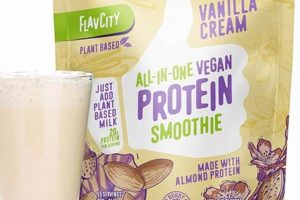
Plant-based protein supplements with minimal carbohydrate content offer a dietary option for individuals seeking to increase protein intake while adhering to both vegan and low-carbohydrate dietary guidelines. Such products typically derive protein from sources like pea, brown rice, or soy, and are formulated to exclude or significantly limit added sugars and other carbohydrate-rich ingredients. A typical serving might contain 20-25 grams of protein with less than 5 grams of carbohydrates.
These formulations address the growing demand for protein supplements that align with specific dietary needs and preferences. They are suitable for those managing carbohydrate intake for health reasons or those following ketogenic diets. Historically, protein supplementation relied heavily on animal-derived sources, but increasing awareness of environmental and ethical concerns, coupled with the rise of veganism, has driven innovation in plant-based alternatives. This category of supplements supports muscle building, weight management, and overall wellness goals while remaining consistent with plant-based and reduced-carbohydrate lifestyles.
The subsequent sections will delve into the specific plant-based protein sources utilized in these products, examine their nutritional profiles and potential benefits, discuss formulation considerations, and explore factors to consider when selecting a suitable product.
Considerations for Plant-Based, Reduced-Carbohydrate Protein Supplementation
Maximizing the effectiveness and benefits of plant-based, reduced-carbohydrate protein requires careful selection and usage. Several factors warrant consideration to ensure optimal results and dietary compatibility.
Tip 1: Protein Source Evaluation: Examine the protein sources listed on the product label. Pea protein, brown rice protein, and soy protein are common. Determine if the combination of sources provides a complete amino acid profile, ensuring all essential amino acids are present.
Tip 2: Carbohydrate Content Verification: Scrutinize the nutritional information for the total carbohydrate content per serving. Prioritize products with minimal added sugars or starches. Consider the source of any carbohydrates present, opting for those derived from natural sources rather than processed additives.
Tip 3: Ingredient List Review: Thoroughly review the ingredient list for artificial sweeteners, fillers, and other unnecessary additives. Select products with clean ingredient profiles that align with individual dietary preferences and sensitivities.
Tip 4: Flavoring and Sweetener Assessment: Plant-based protein powders can sometimes have a distinct taste. If flavor is a concern, sample different brands or flavors before committing to a large purchase. Consider unsweetened varieties and add natural sweeteners or flavorings as needed.
Tip 5: Protein Content Optimization: Determine the appropriate protein dosage based on individual needs and activity levels. Adjust serving sizes accordingly. Consult with a registered dietitian or healthcare professional for personalized recommendations.
Tip 6: Mixability and Texture Considerations: Assess the powder’s mixability with various liquids. Plant-based protein powders can sometimes have a grittier texture than whey protein. Experiment with different mixing techniques or recipes to improve palatability.
Effective integration of plant-based, reduced-carbohydrate protein supplements into a dietary regimen requires careful attention to protein source, carbohydrate content, and overall ingredient quality. By adhering to these guidelines, individuals can optimize their protein intake while adhering to specific dietary needs.
The concluding section will synthesize the key points and offer concluding remarks on the role of this dietary supplement in meeting nutritional goals.
1. Protein Sources

The selection of protein sources fundamentally defines a low-carbohydrate, plant-based protein powder’s nutritional profile and suitability for various dietary needs. Different plant proteins exhibit distinct amino acid compositions, impacting the overall quality of the supplement. For example, pea protein, a common ingredient, is relatively high in lysine but lower in methionine and cysteine. Brown rice protein, conversely, possesses a complementary amino acid profile, improving overall protein completeness when combined with pea protein. The efficacy of this dietary approach depends critically on the strategic selection and blending of multiple protein sources.
The practical implication of this understanding is significant. A formula relying solely on a single, incomplete protein source might necessitate higher serving sizes to achieve adequate essential amino acid intake, potentially increasing carbohydrate consumption if the protein isolate isn’t sufficiently refined. Conversely, a well-formulated blend of complementary plant proteins can provide a complete amino acid profile in a smaller serving, minimizing carbohydrate content and optimizing nutritional benefit. The choice of protein source also influences the product’s allergenic potential; soy protein, for instance, is a common allergen. Therefore, the protein source is not merely a component, but a determinant of the supplement’s overall suitability.
In summary, the relationship between protein sources and these specialized powders is causal and impactful. The specific sources dictate amino acid composition, digestibility, and even allergenic potential. A thorough understanding of plant protein profiles allows for informed product selection, aligning the supplement with individual dietary needs and maximizing its nutritional value within a low-carbohydrate, plant-based framework.
2. Carbohydrate Content
Carbohydrate content is a pivotal determinant in the suitability of plant-based protein powders for individuals adhering to low-carbohydrate dietary regimes. The source and quantity of carbohydrates significantly impact the product’s alignment with ketogenic, low-carbohydrate, or diabetic dietary protocols. Minimizing carbohydrates is crucial to maintain the intended metabolic state or manage blood glucose levels.
- Sources of Carbohydrates in Plant Protein Powders
Carbohydrates in these powders can originate from the base protein source itself (e.g., residual carbohydrates in pea or rice protein), added sweeteners (e.g., sucrose, dextrose), or thickening agents (e.g., modified starches, gums). The presence of added sugars directly counteracts the purpose of a low-carbohydrate product. Careful scrutiny of the ingredient list and nutritional information is necessary to identify carbohydrate sources.
- Impact on Ketosis and Blood Glucose
Excessive carbohydrate consumption can impede ketosis, the metabolic state targeted by ketogenic diets, or cause blood glucose spikes, which are problematic for individuals with diabetes or insulin resistance. Even small amounts of rapidly digestible carbohydrates can have a disproportionately large impact on blood sugar levels. Therefore, products with minimal net carbohydrates (total carbohydrates minus fiber) are preferred.
- Fiber Content as a Mitigating Factor
Fiber, a type of carbohydrate, does not contribute to blood glucose elevation to the same extent as sugars or starches. High-fiber plant protein powders can be beneficial, as the fiber content can offset some of the impact of other carbohydrates present. However, individuals sensitive to certain types of fiber may experience gastrointestinal discomfort. Balance between fiber content and individual tolerance is crucial.
- Labeling Accuracy and Transparency
The accuracy of carbohydrate labeling is paramount. Independent testing and third-party certifications can provide assurance that the declared carbohydrate content aligns with the actual composition of the product. Transparency from manufacturers regarding the origin and type of carbohydrates is also essential for informed consumer decisions.
In summation, the management of carbohydrate content is integral to the utility of these protein supplements. Understanding the sources of carbohydrates, their impact on metabolic processes, the role of fiber, and the importance of labeling accuracy is critical for individuals seeking to incorporate such products into a low-carbohydrate lifestyle. Careful attention to these aspects ensures that the supplement effectively supports dietary goals without compromising blood sugar control or ketosis.
3. Amino Acid Profile

The amino acid profile of a low-carbohydrate, plant-based protein powder is a critical determinant of its nutritional value and physiological efficacy. Because plant-based proteins are often incomplete, meaning they lack sufficient amounts of one or more essential amino acids, careful consideration of the amino acid profile is paramount. The limiting amino acid, present in the lowest quantity relative to human needs, will restrict protein synthesis and limit the supplement’s effectiveness for muscle building and repair. For example, a protein powder based solely on brown rice protein may be limited in lysine, necessitating a larger serving to meet requirements or combining it with other sources.
Formulators address this challenge by combining multiple plant protein sources to create a more complete amino acid profile. Pea protein, rich in lysine but lower in methionine and cysteine, is often paired with brown rice or pumpkin seed protein to compensate for these deficiencies. The resulting blend can provide a profile comparable to animal-derived proteins, albeit through strategic formulation. Furthermore, some products include added free-form amino acids, such as leucine, to further enhance the protein’s anabolic potential. However, relying solely on added amino acids to compensate for an inherently poor profile may not provide the same benefits as a naturally complete protein source due to differences in digestion and absorption kinetics.
In summary, the amino acid profile is not merely a component of a low-carbohydrate, plant-based protein powder, but a defining characteristic of its nutritional quality. A thorough understanding of individual amino acid requirements and the profiles of different plant proteins allows for informed product selection. Choosing products with complete or strategically blended protein sources ensures that the supplement effectively supports protein synthesis and muscle maintenance while adhering to dietary restrictions. The absence of a balanced amino acid profile renders the protein powder significantly less effective, regardless of its carbohydrate content or plant-based origin.
4. Ingredient Purity
Ingredient purity is a critical factor influencing the overall quality and safety of plant-based, reduced-carbohydrate protein powders. Contaminants or adulterants within these supplements can negate their intended health benefits and pose potential risks to consumers. These risks range from allergic reactions caused by undeclared allergens to the introduction of heavy metals or pesticides from improperly sourced ingredients. The increased demand for plant-based protein sources has, in some instances, led to compromised quality control practices, necessitating rigorous testing and certification to ensure purity.
The impact of ingredient purity manifests across several dimensions. First, it directly affects the bioavailability of the protein itself. Contaminants can interfere with protein digestion and absorption, reducing the actual amount of usable protein derived from the supplement. Second, the presence of unwanted substances can trigger adverse reactions, particularly in individuals with sensitivities or allergies. For instance, gluten contamination in a supposedly gluten-free product can cause significant health problems for individuals with celiac disease. Finally, long-term exposure to low levels of heavy metals or pesticides can lead to chronic health issues. Real-world examples of mislabeled or contaminated supplements underscore the importance of third-party testing and certification programs, such as those offered by NSF International or Informed-Sport, which verify ingredient purity and label accuracy.
In conclusion, ingredient purity is not merely a desirable attribute but a fundamental requirement for safe and effective plant-based, reduced-carbohydrate protein supplementation. Ensuring the absence of contaminants, allergens, and adulterants safeguards consumer health, maximizes protein bioavailability, and upholds the integrity of the product. Choosing supplements with transparent sourcing practices and third-party certifications is crucial for mitigating risks and realizing the intended benefits of this dietary category.
5. Digestibility
Digestibility significantly influences the bioavailability and effectiveness of plant-based, low-carbohydrate protein powders. The inherent structure and composition of plant proteins, including the presence of fiber, anti-nutritional factors, and complex carbohydrates, can impede their enzymatic breakdown and subsequent absorption in the digestive tract. Incomplete digestion reduces the quantity of amino acids available for protein synthesis and other metabolic processes. The choice of protein source, processing methods, and presence of digestive aids directly impact the digestibility and, therefore, the nutritional value of these supplements.
The consequences of poor digestibility manifest in several ways. Gastrointestinal discomfort, including bloating, gas, and abdominal pain, can occur due to undigested protein reaching the large intestine, where it is fermented by gut bacteria. Furthermore, chronic malabsorption can lead to nutrient deficiencies and compromise overall health. Conversely, protein powders that have undergone enzymatic processing or are derived from sources with inherently high digestibility, such as certain pea protein isolates, can minimize these adverse effects. For example, micronization or enzymatic hydrolysis can break down complex protein structures into smaller, more easily absorbed peptides and amino acids. The addition of digestive enzymes, such as proteases, can further enhance protein breakdown and improve nutrient assimilation. Real-world comparisons demonstrate that individuals consuming highly digestible plant protein powders often experience improved nitrogen retention and muscle protein synthesis compared to those consuming less digestible alternatives.
In summary, digestibility is not merely a secondary consideration but a fundamental attribute determining the efficacy of plant-based, reduced-carbohydrate protein powders. Understanding the factors that influence digestibility, implementing appropriate processing techniques, and selecting protein sources known for their bioavailability are crucial for maximizing the nutritional benefits and minimizing the potential for adverse gastrointestinal effects. Prioritizing digestibility ensures that these supplements effectively support protein requirements and contribute positively to overall health and well-being.
6. Palatability
Palatability, the degree to which a food or beverage is agreeable to the senses, exerts a significant influence on the long-term adherence to any dietary regimen, including those incorporating plant-based, reduced-carbohydrate protein powders. If a protein powder is unpalatable, individuals are less likely to consistently consume it, negating its potential nutritional benefits. Several factors contribute to the overall palatability of these products.
- Taste Profile Complexity
Plant-based proteins often possess inherent flavor notes that may not be universally appealing. For example, pea protein can exhibit a slightly bitter or earthy taste, while brown rice protein may have a grainy texture. Formulations often incorporate masking agents, such as natural or artificial flavorings, to mitigate these undesirable characteristics. However, an overreliance on artificial sweeteners or flavorings can create an artificial taste that some individuals find unappealing. A balanced approach, utilizing natural flavor enhancers and minimizing artificial additives, is often the most effective strategy.
- Textural Attributes
Texture plays a crucial role in palatability. Plant-based protein powders can sometimes have a gritty or chalky texture when mixed with liquids. This is often attributed to the protein’s particle size and its interaction with water. Micronization, a process that reduces particle size, can improve texture. The addition of gums or other thickening agents can also create a smoother mouthfeel. However, excessive use of these additives can result in a slimy or overly thick consistency, which may be equally unpalatable. The optimal texture is one that is smooth, easily mixable, and free from grittiness.
- Sweetness Level and Type
Sweetness is a primary driver of palatability for many consumers. While added sugars are generally avoided in low-carbohydrate formulations, artificial sweeteners (e.g., sucralose, aspartame) or natural sugar substitutes (e.g., stevia, erythritol) are often used. The choice of sweetener significantly impacts the overall taste profile and potential side effects. Some individuals experience digestive discomfort from certain sugar alcohols, while others may be sensitive to the aftertaste of specific artificial sweeteners. The ideal sweetness level is one that enhances the flavor without being overpowering or leaving an unpleasant aftertaste.
- Mixability and Solubility
The ease with which a protein powder mixes with liquids directly affects its palatability. Powders that clump or require excessive stirring are less convenient and less enjoyable to consume. Proper formulation and the use of emulsifiers can improve mixability. However, some emulsifiers may not be suitable for all individuals due to potential allergenic or digestive issues. The optimal protein powder is one that dissolves readily in liquids, creating a smooth and consistent beverage.
The aspects described significantly influences the sustained use of plant-based, reduced-carbohydrate protein powders. Addressing taste, texture, sweetness, and mixability are essential for creating products that are not only nutritious but also enjoyable to consume. A palatable product is more likely to be incorporated into long-term dietary habits, maximizing the potential health benefits associated with this dietary approach.
Frequently Asked Questions About Low Carb Vegan Protein Powder
The subsequent questions and answers address common inquiries regarding plant-based, low-carbohydrate protein powders, providing clarity on their composition, usage, and potential benefits.
Question 1: What constitutes a “low carb” designation in a vegan protein powder?
A low-carbohydrate vegan protein powder typically contains less than 5 grams of net carbohydrates (total carbohydrates minus fiber) per serving. This threshold aligns with ketogenic and low-carbohydrate dietary guidelines.
Question 2: What are the primary protein sources in these supplements?
Common protein sources include pea protein, brown rice protein, soy protein, pumpkin seed protein, and blends thereof. The specific combination affects the amino acid profile and overall protein quality.
Question 3: How can one assess the completeness of the amino acid profile?
Examine the product label for a statement indicating a complete amino acid profile, or analyze the amino acid composition provided by the manufacturer. A complete profile contains all nine essential amino acids in sufficient quantities.
Question 4: Are there potential digestive issues associated with these powders?
Some individuals may experience digestive discomfort, such as bloating or gas, due to the fiber content or specific plant proteins. Starting with a small serving size and gradually increasing intake can mitigate these effects. Products containing digestive enzymes may also be beneficial.
Question 5: How does one ensure the product is free from contaminants or allergens?
Seek products that have undergone third-party testing and certification by reputable organizations, such as NSF International or Informed-Sport. These certifications verify ingredient purity and the absence of common allergens.
Question 6: What is the optimal timing for consumption of this supplement?
Consumption timing depends on individual goals and preferences. It can be consumed post-workout to support muscle recovery, as a meal replacement, or as a snack to increase daily protein intake.
The information above provides a foundational understanding of plant-based, low-carbohydrate protein powders. Informed decision-making requires careful consideration of individual needs and product characteristics.
The subsequent sections will delve into the practical aspects of incorporating these supplements into a well-balanced dietary regimen.
Low Carb Vegan Protein Powder
This exposition has examined the multifaceted aspects of “low carb vegan protein powder,” emphasizing the importance of protein source evaluation, carbohydrate content verification, amino acid profile analysis, ingredient purity assessment, and digestibility considerations. Palatability’s influence on sustained adherence was also underscored. A comprehensive understanding of these factors is paramount for the informed selection and effective utilization of this dietary supplement.
As the demand for plant-based nutritional solutions continues to expand, a critical, discerning approach remains essential. Thorough due diligence ensures that the chosen “low carb vegan protein powder” not only aligns with specific dietary requirements but also contributes positively to overall health and well-being. Prioritizing informed choices will facilitate the effective integration of this dietary tool into a holistic nutrition strategy.