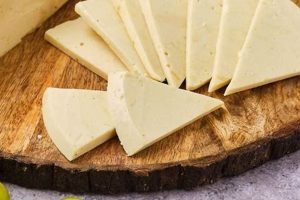
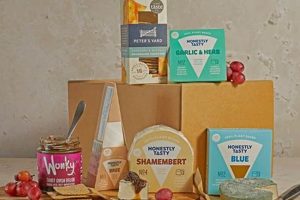
A dairy-free alternative, this smooth, pourable product replicates the texture and function of traditional cheese sauces and dips. Primarily composed of plant-based ingredients such as nuts, seeds, or vegetables, and often enhanced with starches and nutritional yeast for flavor, it serves as a versatile culinary component. It can be used as a topping for nachos, a sauce for pasta, or a base for various dips and spreads.
The increasing demand for plant-based options in modern diets has fueled the growth of this category. Its benefits extend beyond catering to vegan and vegetarian lifestyles, offering options for individuals with lactose intolerance or dairy allergies. Furthermore, its production often involves a reduced environmental footprint compared to traditional dairy cheese production, contributing to more sustainable food systems. The development of these products can be traced to early efforts in vegan cuisine aimed at replicating familiar flavors and textures without animal products.
The following sections will delve into the specific ingredients used in creating these products, exploring both commercially available options and home-cooking approaches. Further discussion will examine culinary applications and potential nutritional considerations associated with integrating this type of food into a balanced diet.
Utilizing Liquid Vegan Cheese
Maximizing the potential of this plant-based alternative requires understanding its properties and application techniques.
Tip 1: Temper Before Heating: To prevent separation or curdling, gradually introduce the product to heat. A slow and even heating process is essential for maintaining a smooth consistency.
Tip 2: Adjust Seasoning Thoughtfully: While many preparations include pre-set flavor profiles, consider augmenting with additional spices. Nutritional yeast, garlic powder, onion powder, or smoked paprika can enhance the overall taste.
Tip 3: Thicken with Starches: If a thicker consistency is desired, a cornstarch or tapioca starch slurry can be incorporated. Combine a small amount of starch with cold water before adding it to the heated sauce. This prevents clumping.
Tip 4: Blend for Uniformity: Achieving a consistently smooth texture, especially with homemade versions, requires thorough blending. A high-speed blender ensures the elimination of any graininess.
Tip 5: Consider Fat Content: The fat content influences the melting properties and overall richness. Adding plant-based oils or creams can enhance the texture in recipes where a richer flavor is preferred.
Tip 6: Pair Appropriately: Be mindful of complementary flavors when incorporating it into dishes. Its flavor profile complements a range of vegetables, grains, and proteins. Test smaller portions to achieve desired results.
These tips provide a basis for effectively integrating this dairy-free product into various culinary applications, ensuring optimal flavor and texture.
The following sections will further examine recipes and preparation methods for creating original versions of liquid vegan cheese, broadening the culinary possibilities.
1. Versatility

The adaptability of liquid vegan cheese is a defining characteristic contributing to its increasing adoption in diverse culinary settings. Its functionality extends beyond simple replacement of dairy-based cheese sauces, offering unique opportunities for innovation and dietary customization.
- Sauce Base Expansion
It serves as an ideal foundation for a wide array of sauces. By adjusting seasonings and incorporating various herbs, spices, and vegetables, chefs and home cooks can create customized sauces tailored to specific cuisines and dishes. This adaptability makes it suitable for Italian pasta sauces, Mexican queso alternatives, and Asian-inspired stir-fry sauces, significantly expanding menu options.
- Dips and Spreads Proliferation
Its pourable consistency makes it easily transformable into dips and spreads for various appetizers and snacks. Adding ingredients such as roasted red peppers, artichoke hearts, or caramelized onions produces distinctive flavor profiles. This versatility extends its application to party platters, sandwich spreads, and vegetable dips, broadening its appeal to social gatherings and everyday meals.
- Culinary Ingredient Integration
It is not limited to being a topping or sauce; it can be incorporated directly into recipes as a key ingredient. From vegan mac and cheese to creamy vegetable soups, its inclusion enhances the texture and flavor of numerous dishes. Its integration promotes the development of healthier and more sustainable versions of comfort food classics.
- Dessert Application Development
While less conventional, its neutral base and creamy texture can be exploited in sweet culinary creations. Experimentation with additions such as cocoa powder, vanilla extract, or fruit purees allows the creation of vegan dessert sauces and fillings. This unorthodox application stretches its versatility beyond savory dishes, uncovering new possibilities in vegan pastry and confectionary.
Through its ability to transform into a diverse range of culinary applications, liquid vegan cheese highlights its significance as a versatile and adaptable ingredient within the expanding plant-based food market. Its capacity to meet diverse culinary needs solidifies its position as a valuable tool for both professional chefs and home cooks seeking dairy-free alternatives.
2. Ingredients

The composition of these cheese alternatives directly dictates their flavor, texture, and nutritional profile. Plant-based components form the base, typically including nuts (such as cashews or almonds), seeds (sunflower or sesame), or vegetables (potatoes or carrots). The selection of the primary ingredient significantly influences the final product characteristics. For example, cashew-based options tend to offer a creamy and rich texture, while those utilizing root vegetables may require additional starches for thickening and emulsification. The addition of water, plant-based milks (almond, soy, or oat), or vegetable broths is crucial for achieving the desired liquid consistency. Without careful consideration of these core constituents, replicating the desired attributes of traditional dairy cheese becomes challenging.
Beyond the base ingredients, supplemental components play a crucial role in emulating the complex flavors and functionalities of dairy cheese. Nutritional yeast, a deactivated yeast product, imparts a savory, umami-rich flavor often described as “cheesy.” Acids, such as lemon juice or vinegar, provide a tangy sharpness that balances the richness of the base ingredients. Starches, including tapioca, arrowroot, or cornstarch, act as thickeners and stabilizers, preventing separation and ensuring a smooth, consistent texture. Emulsifiers, such as lecithin or vegetable gums, aid in binding the various components together, creating a homogenous mixture. The ratio and type of these supplemental ingredients are vital for achieving a palatable and visually appealing product. For instance, an excess of nutritional yeast can result in an overly bitter flavor, while insufficient starch can lead to a thin and watery consistency.
In summary, the specific ingredients and their proportional relationship are fundamental determinants of the quality and characteristics of liquid vegan cheese. A thorough understanding of the individual contributions of each component is essential for both manufacturers and consumers seeking to optimize the flavor, texture, and nutritional value of these dairy-free alternatives. Successfully navigating the interplay of base and supplemental ingredients enables the creation of products that closely mimic the sensory experience of traditional cheese while catering to diverse dietary needs and preferences.
3. Texture

The textural attributes of liquid vegan cheese are critical to its success as a dairy alternative. Unlike solid cheeses, the defining characteristic is its pourable consistency, which necessitates a careful balance of ingredients and processing techniques to achieve a smooth, non-grainy mouthfeel. The desired texture directly impacts its application in various culinary contexts, influencing its ability to coat surfaces evenly, blend seamlessly with other ingredients, and replicate the sensory experience of traditional cheese sauces. Failure to attain an appropriate texture renders the product less appealing and functionally limited. For example, a watery or separated texture would be unsuitable as a nacho topping, while a gritty texture would detract from its use in a creamy pasta sauce.
Achieving the desired texture often involves strategic use of thickening agents such as starches (tapioca, cornstarch), gums (xanthan, guar), or hydrocolloids. These components contribute to viscosity and prevent phase separation, ensuring a homogenous and stable emulsion. However, excessive use of these ingredients can result in a gummy or artificial texture, highlighting the need for precise formulation. Furthermore, the particle size of the base ingredients (nuts, seeds, vegetables) plays a significant role. Fine grinding and homogenization are essential to minimize grittiness and create a uniformly smooth product. Processing methods, such as high-pressure homogenization, can further refine the texture by reducing particle size and enhancing emulsion stability. These techniques mimic the properties of traditional dairy cheese, where fat globules contribute to a smooth and creamy texture.
In summary, the texture of liquid vegan cheese is not merely a cosmetic attribute but a fundamental determinant of its functionality and consumer acceptance. Its successful replication requires a thorough understanding of ingredient interactions, processing techniques, and the desired sensory profile. Challenges remain in achieving a texture that closely mirrors dairy cheese without relying on artificial additives or compromising nutritional value. Ongoing research and development efforts are focused on optimizing formulations and processing methods to enhance the texture and overall appeal of these plant-based alternatives. The improvement of texture in liquid vegan cheese is paramount to its continued growth and acceptance within the broader food industry.
4. Nutrition

The nutritional profile of liquid vegan cheese is a critical consideration for consumers seeking plant-based alternatives to traditional dairy products. Understanding the components and their impact on overall health is essential for informed dietary choices.
- Macronutrient Composition
The macronutrient content, including fat, protein, and carbohydrates, varies significantly based on the ingredients used. Nut-based options tend to be higher in fat, while those made from vegetables may be richer in carbohydrates. Protein content is often lower than in dairy cheese, necessitating attention to dietary protein sources. Careful evaluation of the macronutrient ratios is essential for aligning with individual dietary needs and goals. For example, a weight-conscious individual might prioritize lower-fat options, while an athlete may seek formulations with added protein.
- Micronutrient Content
Micronutrient profiles also differ based on the ingredients. Some formulations are fortified with vitamins and minerals, such as vitamin B12 and calcium, to mimic the nutritional benefits of dairy cheese. However, the bioavailability of these added nutrients may vary. Other micronutrients, such as iron and zinc, may be present depending on the ingredients used. Scrutinizing the micronutrient content is crucial for ensuring adequate intake of essential nutrients, particularly for individuals following restrictive diets.
- Fatty Acid Profile
The type of fat present, whether saturated, monounsaturated, or polyunsaturated, influences the health implications of consumption. Options based on nuts and seeds typically contain higher levels of unsaturated fats, which are considered beneficial for cardiovascular health. However, some formulations may include added oils that are higher in saturated fats. Assessing the fatty acid profile is important for making heart-healthy choices. Consumers should prioritize products with a higher proportion of unsaturated fats and limit those with added saturated fats.
- Fiber Content
Unlike dairy cheese, liquid vegan cheese can provide a source of dietary fiber, depending on the plant-based ingredients used. Fiber contributes to satiety, promotes digestive health, and can help regulate blood sugar levels. Products made with whole nuts, seeds, or vegetables are more likely to be good sources of fiber. Checking the fiber content on the nutrition label can help consumers increase their overall fiber intake and reap its associated health benefits. This is especially relevant for individuals who do not consume adequate amounts of fiber from other sources.
The nutritional attributes of liquid vegan cheese are diverse and directly influenced by its formulation. While it can offer a valuable alternative for those avoiding dairy, careful attention to macronutrient ratios, micronutrient content, fatty acid profile, and fiber levels is essential for making informed dietary choices. Consumers should prioritize options that align with their individual nutritional needs and health goals, and consider these factors in the context of their overall dietary pattern.
5. Sustainability

The environmental impact of food production is an increasingly critical concern, prompting the exploration of more sustainable alternatives to traditional animal-based products. In this context, the production of liquid vegan cheese presents notable differences in resource utilization and greenhouse gas emissions compared to conventional dairy cheese manufacturing.
- Reduced Greenhouse Gas Emissions
Dairy farming is a significant contributor to greenhouse gas emissions, particularly methane, a potent greenhouse gas. The production of plant-based alternatives generally results in substantially lower emissions due to the absence of livestock. Studies comparing the carbon footprint of dairy cheese and plant-based cheese alternatives demonstrate a clear advantage for the latter, contributing to mitigation of climate change. The extent of this reduction depends on the specific ingredients and production processes employed.
- Lower Water Consumption
Dairy farming requires substantial water resources for animal feed production, animal maintenance, and processing. Plant-based agriculture, particularly for crops like nuts and seeds, can vary in water usage, but generally requires less water overall compared to dairy production. Certain plant-based ingredients, such as drought-resistant crops, offer further opportunities to minimize water footprint. Life cycle assessments consistently indicate lower water consumption for plant-based dairy alternatives.
- Decreased Land Use
Dairy farming necessitates extensive land for grazing and feed crop cultivation. Plant-based agriculture can often utilize land more efficiently, requiring less area to produce comparable amounts of food. The shift towards plant-based alternatives can free up land for reforestation, carbon sequestration, and biodiversity conservation. Intensification of agriculture and technological advancements can further reduce the land footprint of plant-based production.
- Diminished Pollution and Waste
Dairy farming generates significant amounts of manure, which can contribute to water and air pollution. Plant-based agriculture, while not entirely without environmental impact, produces less waste and pollution overall. The proper management of plant-based agricultural waste can further reduce environmental burdens. Composting and anaerobic digestion offer sustainable methods for processing plant-based waste streams.
The cumulative effect of these factors positions liquid vegan cheese as a potentially more sustainable alternative to traditional dairy cheese. While the precise environmental impact varies depending on the specific ingredients, production methods, and transportation logistics, the overall trend indicates a reduced environmental footprint. Further research and innovation are essential to optimize the sustainability of plant-based cheese alternatives and contribute to a more environmentally responsible food system.
Frequently Asked Questions
This section addresses common inquiries concerning the nature, application, and implications of dairy-free, pourable cheese alternatives.
Question 1: What constitutes “liquid vegan cheese,” and how does it differ from traditional cheese sauces?
Liquid vegan cheese is a plant-based analogue designed to mimic the texture and functionality of conventional cheese sauces. It typically comprises ingredients such as nuts, seeds, vegetables, or a combination thereof, along with thickening agents and flavor enhancers. Unlike traditional cheese sauces derived from dairy milk, it contains no animal products, rendering it suitable for vegan diets and individuals with lactose intolerance or dairy allergies.
Question 2: What are the primary ingredients commonly found in liquid vegan cheese products?
Common ingredients include cashews, almonds, sunflower seeds, potatoes, carrots, tapioca starch, nutritional yeast, vegetable oils, lemon juice, and various spices. The specific combination and proportions of these components influence the final flavor, texture, and nutritional profile of the product.
Question 3: How is the texture of liquid vegan cheese achieved, and what challenges are involved?
Achieving a smooth, pourable texture without the use of dairy fats requires careful manipulation of ingredients and processing techniques. Starches, gums, and emulsifiers are often employed to create viscosity and prevent separation. Challenges include avoiding a grainy or artificial texture and replicating the melting properties of dairy-based cheese sauces.
Question 4: What are the potential nutritional benefits and drawbacks of liquid vegan cheese?
Potential benefits may include lower levels of saturated fat and cholesterol compared to dairy cheese, as well as the inclusion of fiber and certain vitamins and minerals. Drawbacks may include lower protein content and the presence of added sodium or artificial ingredients. The nutritional profile varies significantly depending on the specific formulation and ingredients used.
Question 5: How can liquid vegan cheese be incorporated into various culinary applications?
It serves as a versatile ingredient in a wide range of dishes, including nachos, pasta sauces, dips, soups, and vegetable dishes. It can be used as a direct substitute for dairy-based cheese sauces or as a base for creating customized plant-based sauces and dips. Experimentation with seasonings and flavor combinations allows for diverse culinary applications.
Question 6: What are the environmental considerations associated with the production of liquid vegan cheese?
The production of plant-based alternatives generally results in lower greenhouse gas emissions, water consumption, and land use compared to dairy farming. However, the environmental impact varies depending on the specific ingredients and production methods employed. Sustainable sourcing and responsible waste management practices are essential for minimizing the environmental footprint.
In summary, liquid vegan cheese represents a promising dairy-free alternative with diverse culinary applications and potential environmental benefits. Informed consumers should carefully evaluate ingredient lists, nutritional profiles, and production practices to make responsible and health-conscious choices.
The following section will explore recipes and preparation methods for creating liquid vegan cheese at home.
Conclusion
This exploration has dissected liquid vegan cheese, examining its composition, versatility, nutritional aspects, and sustainability implications. From ingredient selection to textural engineering, and from culinary applications to environmental considerations, the analysis reveals a complex landscape surrounding this plant-based alternative. The assessment underscores the significance of understanding the nuances of its formulation and production.
The continued growth and development of liquid vegan cheese will likely depend on ongoing innovation in ingredient sourcing, processing techniques, and nutritional fortification. Further research and development are crucial for optimizing its sustainability profile and addressing challenges related to texture and flavor replication. A deeper understanding will enable informed choices and contribute to a more sustainable and diverse food system.
![Is Annie's Vegan Mac & Cheese Cheesy Enough? [Review] | Discover Delicious Vegan Food, Beauty Swaps, and Zero-Waste Tips for a Greener Life](https://thisvegangirl.com/wp-content/uploads/2026/03/th-643-300x200.jpg "Is Annie's Vegan Mac & Cheese Cheesy Enough? [Review] Discover Delicious Vegan Food, Beauty Swaps, and Zero-Waste Tips for a Greener Life")