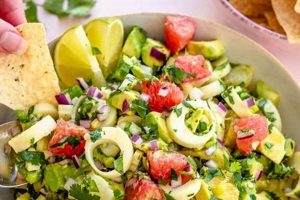
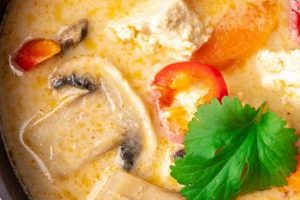
Dishes appealing to young palates, while adhering to plant-based dietary guidelines, constitute a growing culinary category. These meals exclude all animal products, including meat, dairy, and eggs, yet prioritize flavor and visual appeal to ensure acceptance by children. A vibrant pasta primavera with cashew cream sauce exemplifies this approach.
The development and consumption of these specialized meals addresses increasing parental interest in ethical and sustainable food choices, coupled with rising awareness of potential health benefits associated with plant-based diets. Historically, vegetarian and vegan options for children were limited, but increased demand has driven innovation and diversification in recipe development and food product availability.
The following sections will delve into practical considerations for crafting nutritious and palatable plant-based meals for children, including recipe ideas, ingredient substitutions, and strategies for addressing common dietary concerns.
Practical Guidance for Plant-Based Cuisine for Children
Effective implementation of plant-based meals for children necessitates careful planning and consideration of nutritional requirements. The following suggestions aim to facilitate the creation of palatable and balanced dietary options.
Tip 1: Prioritize Familiar Flavors and Textures: Introduce plant-based versions of dishes already enjoyed. Replacing ground beef in tacos with seasoned lentils, for instance, provides a similar texture and flavor profile.
Tip 2: Incorporate Hidden Vegetables: Finely grated vegetables, such as zucchini or carrots, can be added to sauces, baked goods, or veggie burgers to increase nutritional content without significantly altering taste.
Tip 3: Offer Dips and Sauces: Plant-based dips like hummus, guacamole, or cashew-based ranch can encourage consumption of raw vegetables and other healthy snacks.
Tip 4: Focus on Colorful Presentations: Visually appealing meals are more likely to be accepted. Arranging ingredients in an attractive manner and utilizing a variety of colorful fruits and vegetables can enhance appeal.
Tip 5: Ensure Adequate Protein Intake: Plant-based protein sources such as beans, lentils, tofu, tempeh, nuts, and seeds should be incorporated into meals to meet children’s growth requirements.
Tip 6: Supplement with Vitamin B12: Vitamin B12 is primarily found in animal products, so supplementation or fortified foods are crucial for children following a completely plant-based diet.
Tip 7: Address Potential Iron Deficiencies: Enhance iron absorption by pairing iron-rich foods like spinach or fortified cereals with vitamin C-rich foods such as citrus fruits or bell peppers.
Adhering to these guidelines can effectively support the provision of nutritious and enjoyable plant-based meals for children, promoting both their health and acceptance of diverse food options.
The following sections will explore specific recipe ideas and strategies for addressing common concerns associated with plant-based nutrition for children in more detail.
1. Taste Preferences

Taste preferences significantly influence the success of plant-based cuisine designed for children. Children often exhibit neophobia, or reluctance to try new foods, necessitating careful consideration of familiar and appealing flavors when transitioning to or incorporating more plant-based meals.
- Sweetness and Palatability
The preference for sweetness is prevalent in children. Incorporating naturally sweet ingredients such as fruits (berries, bananas, applesauce) or sweet vegetables (sweet potatoes, carrots) into plant-based recipes can enhance acceptance. For instance, sweet potato fries offer a palatable and nutritious alternative to traditional potato fries.
- Familiar Textures
Texture plays a crucial role in food acceptance. Soft, easily chewable textures are generally preferred by younger children. Pureeing vegetables into sauces, creating smooth soups, or offering soft-cooked grains such as oatmeal or quinoa can address textural preferences. Consider tofu as well, often blended or mashed.
- Minimizing Bitterness
Children are often sensitive to bitter flavors. Vegetables like broccoli, Brussels sprouts, and kale contain bitter compounds. Minimizing bitterness through cooking methods such as roasting or stir-frying, or by pairing these vegetables with sweeter ingredients, can improve acceptance. For example, roasting broccoli with a touch of maple syrup can reduce its bitterness.
- Emulating Familiar Flavors
Plant-based versions of familiar dishes are more likely to be accepted. Creating plant-based alternatives to traditional favorites like pizza, pasta, or burgers allows children to experience familiar flavors within a plant-based context. Using plant-based cheese alternatives on pizza or crafting lentil-based burgers can facilitate this transition.
By understanding and addressing these taste preferences, recipe developers can create plant-based dishes that are not only nutritious but also appealing to children, thereby promoting the adoption of plant-based eating habits.
2. Nutritional Balance

Nutritional balance constitutes a cornerstone of healthy growth and development in children. When designing plant-based meals intended for youthful consumers, this balance becomes particularly crucial. A well-formulated plant-based diet must supply all essential nutrients required for optimal health, considering that children’s nutritional needs differ significantly from those of adults. Deficiencies in critical nutrients, such as vitamin B12, iron, calcium, vitamin D, and omega-3 fatty acids, can lead to developmental delays, impaired cognitive function, and compromised immune systems. Therefore, recipes must prioritize nutrient density and bioavailability.
Practical implementation of this understanding involves several key strategies. Recipes should include diverse plant-based protein sources, such as legumes, tofu, tempeh, and nuts, to ensure adequate intake of essential amino acids. Fortified foods, including plant-based milk alternatives, cereals, and nutritional yeast, can address potential deficiencies in vitamin B12, vitamin D, and calcium. Supplementation under the guidance of a healthcare professional is often necessary to guarantee sufficient intake of certain nutrients, particularly vitamin B12 and omega-3 fatty acids. Employing nutrient-rich ingredients like leafy green vegetables, sweet potatoes, and avocados further enhances the nutritional profile of plant-based meals. For example, a lentil soup enriched with spinach and fortified nutritional yeast provides a source of iron, vitamin B12, and protein, while a smoothie combining plant-based milk, berries, and flaxseed offers calcium, antioxidants, and omega-3 fatty acids.
Maintaining nutritional balance within plant-based diets for children presents unique challenges, requiring informed planning and diligent execution. Oversimplified or poorly planned plant-based regimens can result in inadequate nutrient intake and associated health consequences. Collaboration with registered dietitians or pediatric nutritionists is advisable to develop individualized dietary plans tailored to specific needs and circumstances. Ultimately, a comprehensive understanding of pediatric nutritional requirements, coupled with creative recipe development, enables the creation of plant-based meals that support optimal health and well-being in children.
3. Visual Appeal

The role of visual presentation in influencing food choices, particularly among children, is significant. Its effects are particularly pronounced when introducing less familiar dietary patterns, such as exclusively plant-based meals. The aesthetic presentation of a dish directly impacts its acceptance, surpassing mere flavor profiles.
- Color Diversity
Employing a broad spectrum of colors in plant-based recipes enhances their perceived attractiveness. Brightly colored fruits and vegetables, such as red bell peppers, orange carrots, and dark green spinach, capture attention. A dish featuring a monochromatic color scheme typically lacks appeal. Layering colors strategically, such as arranging rainbow-colored vegetable skewers or creating vibrant salad bowls, can promote increased consumption.
- Creative Plating
Arranging food elements in imaginative ways transforms a routine meal into an engaging experience. Transforming mashed potatoes into edible “clouds” or arranging vegetables to resemble a face or animal provides a playful element. Employing cookie cutters to shape sandwiches or vegetable slices into appealing forms elevates the presentation and heightens interest.
- Interactive Elements
Incorporating interactive elements into meal presentation encourages engagement. Allowing children to assemble their own wraps or tacos fosters a sense of ownership and excitement. Providing a selection of toppings for oatmeal or yogurt, arranged in visually appealing containers, enables children to customize their meals while enhancing visual stimulation.
- Novelty and Familiarity
Balancing novel elements with familiar components optimizes acceptance. While introducing new vegetables or plant-based alternatives, maintaining a recognizable structure or presentation style can mitigate reluctance. For instance, presenting a plant-based burger on a familiar bun with traditional toppings provides a sense of comfort while introducing a novel protein source.
The incorporation of these visual strategies represents a fundamental aspect of cultivating acceptance of dishes. Attention to detail in presentation significantly improves the likelihood of children embracing plant-based options, contributing to both nutritional intake and broadened palates. For example, creatively presenting a common food like mashed sweet potato with a vibrant swirl of beet hummus, can transform a rejected dish into an embraced one.
4. Texture Variety
The provision of varied textures within plant-based meals for children is crucial for enhancing palatability and stimulating consumption. Texture, as a sensory attribute, significantly influences a childs willingness to try and accept new foods. Monotonous textures, irrespective of flavor, can lead to sensory fatigue and meal rejection. Therefore, incorporating a range of textural elements is a critical consideration in the development of kid-friendly plant-based recipes. A combination of soft, crunchy, chewy, and smooth components prevents textural monotony and encourages consumption. The inclusion of components with varied textures mitigates potential sensory aversion. Conversely, a lack of textural diversity may lead to a child perceiving the meal as unappetizing, thereby resulting in inadequate nutrient intake.
Practical application of this principle involves strategically incorporating different textures within a single dish. For instance, a plant-based pasta dish might include soft cooked pasta, crunchy breadcrumbs, and chewy sun-dried tomatoes. Similarly, a vegetable stir-fry could incorporate soft tofu, crisp water chestnuts, and slightly firm broccoli florets. Smooth sauces, such as cashew cream or avocado-based dressings, provide a contrasting texture to the firmer components of a meal. Furthermore, presenting fruits and vegetables in various formsraw, roasted, pureedalters their textural properties and expands culinary options. Pureed sweet potatoes, for example, provide a creamy base, while roasted sweet potato cubes offer a chewier alternative.
In summary, textural variety is a fundamental aspect of creating appealing plant-based meals for children. Its implementation requires a conscious effort to incorporate diverse textures, addressing potential sensory sensitivities and promoting increased acceptance of plant-based options. While achieving this balance can present challenges, such as accommodating specific dietary restrictions or preferences, the practical significance of textural variation in enhancing nutrient intake and fostering positive eating habits cannot be overstated. Ignoring textural nuances might prevent children embracing an otherwise nutritious meal.
5. Ingredient Accessibility
The feasibility of preparing plant-based dishes for children is directly linked to the availability and affordability of necessary ingredients. When designing recipes intended for a young audience, the selection of components readily obtainable from mainstream grocery stores or local markets significantly increases the likelihood of consistent preparation. Dependence on specialized or obscure items, conversely, presents logistical barriers and may deter caregivers from incorporating the recipe into regular meal planning. Ingredient accessibility thus influences dietary adherence and nutritional outcomes.
Consider, for example, the incorporation of pantry staples such as beans, lentils, and rice into kid-friendly vegan recipes. These widely available and cost-effective ingredients form the foundation of numerous dishes, offering both protein and fiber. In contrast, reliance on expensive or geographically restricted items like imported jackfruit or niche plant-based protein powders reduces the practicality of a recipe for many families. Furthermore, recipes that creatively utilize common fruits and vegetables, adapting them into appealing forms, often prove more sustainable in the long run. An example is transforming canned chickpeas into crispy baked “chicken” nuggets, a readily accessible and familiar form.
Ultimately, the design of effective plant-based meals for children necessitates a focus on ingredient accessibility. While novel or exotic ingredients may offer unique flavors or nutritional profiles, their limited availability often undermines the potential for sustained adoption. Prioritizing common, affordable, and easily obtainable components promotes the consistent creation of nutritious and appealing dishes, thereby contributing to the successful integration of plant-based eating habits within the family context. Recipes that are theoretically sound yet practically unattainable offer limited benefit in promoting dietary change.
6. Preparation Simplicity
The practicality of “kid friendly vegan recipes” is significantly enhanced by streamlined preparation processes. The complexity and time commitment associated with meal creation directly impact caregiver adherence and the sustained integration of plant-based options into a child’s diet. Simplified recipes, characterized by minimal steps and readily available equipment, are more likely to be consistently prepared.
- Reduced Cooking Time
Recipes requiring extensive cooking times often deter caregivers due to time constraints. Plant-based recipes that minimize active cooking time through the utilization of quick-cooking grains like quinoa, pre-cooked beans, or ready-to-eat vegetables offer a significant advantage. Examples include one-pot pasta dishes or pre-assembled vegetable wraps.
- Minimal Ingredient Count
Recipes with fewer ingredients streamline the shopping and preparation process. Plant-based recipes that maximize flavor and nutrition with a limited number of components are more accessible to caregivers with limited time or culinary expertise. A simple peanut butter and banana sandwich on whole-grain bread exemplifies this approach.
- One-Pot/One-Pan Solutions
Recipes that minimize cleanup are highly valued. One-pot or one-pan plant-based meals, such as lentil stews or sheet-pan roasted vegetables, reduce the time spent on post-meal cleanup, making them more appealing for busy caregivers.
- Simplified Techniques
Recipes requiring advanced culinary skills or specialized equipment present a barrier for many caregivers. Plant-based recipes that rely on basic techniques, such as chopping, sauting, and blending, are more easily executed. Smoothie preparation or simple bean salads require minimal culinary expertise.
The integration of these elements related to “Preparation Simplicity” directly contributes to the feasibility and sustainability of incorporating “kid friendly vegan recipes” into daily routines. Prioritizing efficiency and ease of execution increases the likelihood that caregivers will consistently prepare plant-based meals for children, fostering long-term adherence and promoting improved nutritional outcomes. Recipes that are overly complicated, despite being nutritionally sound, often remain unrealized.
Frequently Asked Questions
The following questions address common concerns and misconceptions regarding the implementation of plant-based diets for children, aiming to provide clear and informative responses grounded in nutritional science.
Question 1: Are plant-based diets nutritionally adequate for children’s growth and development?
A well-planned plant-based diet can meet the nutritional needs of children at all stages of development. Vigilant attention to nutrient density, particularly regarding vitamin B12, iron, calcium, vitamin D, and omega-3 fatty acids, is essential. Consultation with a registered dietitian is advisable to ensure optimal nutritional intake.
Question 2: How can sufficient protein intake be ensured on a plant-based diet for children?
Diverse sources of plant-based protein, including legumes, tofu, tempeh, nuts, seeds, and whole grains, should be incorporated into meals. Combining complementary protein sources, such as beans and rice, enhances the availability of essential amino acids.
Question 3: Is vitamin B12 supplementation necessary for children following a plant-based diet?
Vitamin B12 is primarily found in animal products; therefore, supplementation or the consumption of fortified foods is necessary for children adhering to a completely plant-based diet. Monitoring B12 levels is recommended.
Question 4: How can potential iron deficiencies be addressed in children on a plant-based diet?
Iron-rich plant-based foods, such as lentils, spinach, and fortified cereals, should be consumed alongside vitamin C-rich foods to enhance iron absorption. Iron supplementation may be necessary in certain cases, as determined by a healthcare professional.
Question 5: What are strategies for addressing picky eating habits in children on a plant-based diet?
Introducing new foods gradually, offering familiar flavors and textures, incorporating hidden vegetables into dishes, and presenting meals in visually appealing ways can improve acceptance. Consistency and patience are crucial.
Question 6: Are there any potential risks associated with plant-based diets for children?
Poorly planned plant-based diets can result in nutrient deficiencies, potentially impacting growth and development. Meticulous planning, diverse food choices, and, when necessary, appropriate supplementation mitigate these risks.
Adequate knowledge and careful planning are prerequisites for ensuring the health and well-being of children following plant-based diets.
The subsequent section provides actionable strategies for fostering positive eating habits and promoting the acceptance of diverse plant-based foods among children.
Conclusion
The preceding exploration of “kid friendly vegan recipes” underscores the multifaceted considerations necessary for their successful implementation. Nutritional balance, visual appeal, ingredient accessibility, preparation simplicity, and attentiveness to children’s taste preferences emerge as critical factors in cultivating acceptance and ensuring dietary adequacy. Thoughtful integration of these elements into meal planning directly influences the likelihood of sustained adherence to plant-based eating patterns among children.
Continued research and innovation in recipe development are essential to broaden the range of palatable and nutritionally complete plant-based options for children. Prioritizing education and access to resources empowers caregivers to make informed choices, fostering healthier eating habits and promoting the long-term well-being of the next generation. The advancement of “kid friendly vegan recipes” signifies a commitment to both ethical food choices and the comprehensive health of children.