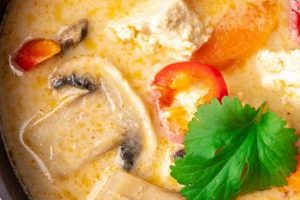
Kerala, a state in Southern India, possesses a rich culinary heritage characterized by the abundant use of spices and fresh produce. The term refers to plant-based preparations originating from or inspired by Kerala’s traditional cuisine, adapting customary dishes to exclude animal products such as meat, dairy, and eggs. Examples include vegetable stews (Ishtu) prepared with coconut milk, lentil-based curries (Parippu Curry), and spiced vegetable dishes using locally sourced ingredients like cassava, plantain, and jackfruit.
The rising interest in plant-based diets globally has spurred the adaptation and re-imagining of regional cuisines to suit vegan preferences. Focusing on plant-based meals offers potential health benefits, including reduced risk of certain diseases, and aligns with environmental sustainability practices. Historically, vegetarianism has deep roots in Indian culture, providing a foundation for a seamless transition to vegan culinary practices.
The subsequent sections will delve into specific ingredients commonly featured, explore traditional dishes reimagined for a plant-based diet, and provide practical resources for individuals seeking to explore the diverse range of available culinary options.
Culinary Guidance for Plant-Based Kerala Dishes
The following suggestions aim to facilitate the creation of authentic and flavorful Kerala dishes, adapted for a plant-based lifestyle. Adherence to these principles can enhance the dining experience.
Tip 1: Coconut Milk Utilization: Employ fresh coconut milk, if available, to achieve optimal flavor and texture. Canned coconut milk serves as a viable substitute, but may require adjustments in quantity to attain desired consistency.
Tip 2: Spice Blending Proficiency: Master the art of blending spices such as turmeric, coriander, cumin, and mustard seeds. Toasting whole spices before grinding intensifies their aromatic qualities, thereby enriching the dishs overall profile.
Tip 3: Ingredient Sourcing: Prioritize locally sourced, seasonal vegetables. Ingredients such as cassava, plantain, and jackfruit contribute to the authenticity and nutritional value of the preparations.
Tip 4: Lentil Selection: Utilize a variety of lentils, including Toor dal, Moong dal, and Masoor dal, to create diverse and protein-rich curries. Proper soaking and cooking techniques are essential for achieving optimal digestibility and texture.
Tip 5: Tamarind Usage: Employ tamarind judiciously to impart a characteristic sourness to specific dishes. Tamarind paste or concentrate can be used as convenient alternatives to fresh tamarind pulp.
Tip 6: Curry Leaf Incorporation: Fresh curry leaves are integral to Kerala cuisine. Fry curry leaves in oil or ghee (vegan ghee substitute) to release their aromatic oils before adding them to the dish.
Tip 7: Fermented Preparations: Explore the use of fermented preparations, such as Idli and Dosa batter, made from rice and lentils, to expand the repertoire of plant-based options. Ensure the fermentation process is properly managed for optimal results.
Consistent application of these guidelines enhances the ability to produce authentic and satisfying plant-based Kerala cuisine. It enables one to enjoy flavorful dishes while adhering to dietary preferences.
The subsequent segments will provide specific recipes and resources, further assisting in the practical application of these principles.
1. Coconut Milk Usage

Coconut milk is a foundational element in plant-based Kerala cuisine, serving as a dairy alternative and contributing significantly to the texture and flavor profiles of numerous dishes. Its application extends beyond mere substitution, becoming an integral component that defines the character of many traditional preparations adapted for a vegan diet.
- Richness and Creaminess Enhancement
Coconut milk imparts a rich, creamy texture typically associated with dairy products. In dishes such as vegetable stews (Ishtu) and certain curries, it replicates the mouthfeel of traditional recipes that might otherwise include cow’s milk or cream. This textural contribution is crucial for maintaining the authentic character of the dishes.
- Flavor Carrier and Integrator
Coconut milk acts as a solvent and carrier for various spices and flavors common in Kerala cuisine, such as turmeric, coriander, and chili. Its presence allows these flavors to meld together harmoniously, creating a cohesive and balanced taste profile. It also helps temper the spiciness of certain ingredients, preventing them from being overpowering.
- Versatility in Application
Coconut milk exhibits versatility in its application, being suitable for both sweet and savory dishes. In savory applications, it forms the base of curries and stews, while in sweet dishes, it can be used to create puddings and desserts. This adaptability underscores its importance as a staple ingredient in Kerala vegan recipes.
- Nutritional Considerations
While coconut milk contributes significantly to the culinary aspect of Kerala vegan cuisine, its nutritional profile should also be considered. It provides medium-chain triglycerides (MCTs), which are metabolized differently than other fats. However, it is also relatively high in saturated fat, so moderation in consumption is advised as part of a balanced diet.
The multifaceted role of coconut milk in adapting traditional Kerala dishes for a plant-based lifestyle underscores its importance. Beyond simply replacing dairy, it contributes to the sensory experience, flavor integration, and overall authenticity. Understanding these aspects is essential for successfully recreating classic Kerala flavors in a vegan context.
2. Spice Blend Complexity

Spice blends constitute a cornerstone of Kerala cuisine, and their intricate compositions are fundamental to creating authentic plant-based versions of traditional dishes. These blends are not merely collections of seasonings but carefully calibrated combinations designed to achieve specific flavor profiles.
- Regional Variation
Spice blend compositions vary across different regions of Kerala, reflecting local agricultural practices and culinary preferences. Northern Kerala may favor the use of Malabar peppercorns, while southern regions may incorporate more cardamom or cloves. Replicating these regional nuances in plant-based renditions demands careful attention to the origin and quality of spices used. For example, a sambar prepared in Palakkad will differ notably in spice blend composition from one prepared in Thiruvananthapuram.
- Layering and Sequencing
The order in which spices are added to a dish significantly impacts the final flavor profile. Whole spices, such as cinnamon sticks and cardamom pods, are often tempered in oil at the beginning to release their aromatic oils. Ground spices, like turmeric and coriander powder, are typically added later to prevent burning. This layering and sequencing requires precision and understanding of how each spice interacts with heat and other ingredients in plant-based contexts.
- Tempering Techniques
Tempering, or “tadka,” is a crucial technique in Kerala cuisine that involves heating spices in oil or ghee (often substituted with a plant-based alternative like coconut oil or vegan ghee) and then pouring the mixture over the dish. This process infuses the dish with aromatic compounds and enhances the overall flavor complexity. The selection of spices for tempering is carefully considered to complement the main ingredients of the vegan recipe, creating a harmonious flavor profile.
- Balance and Harmony
Achieving a balanced and harmonious flavor profile is paramount in Kerala spice blends. This involves carefully adjusting the proportions of various spices to create a cohesive taste experience. The interplay of sweet, sour, spicy, and savory elements is meticulously orchestrated to ensure that no single flavor dominates. This delicate balance is essential for replicating the authentic flavors of Kerala cuisine in plant-based adaptations.
The intricate interplay of spices, regional variations, layering techniques, and the pursuit of balance are vital to the success of Kerala vegan recipes. Mastering the art of spice blending allows one to faithfully recreate the authentic and nuanced flavors of this regional cuisine while adhering to plant-based dietary principles.
3. Local ingredient sourcing

Local ingredient sourcing plays a pivotal role in defining the authenticity and sustainability of plant-based Kerala dishes. This practice directly influences the flavor profiles, nutritional value, and environmental impact associated with such culinary creations. The utilization of locally grown produce, spices, and other ingredients ensures that these preparations reflect the regional character of Kerala’s agricultural landscape. This approach supports local economies and minimizes the carbon footprint associated with long-distance transportation of goods. The use of seasonal produce, dictated by Kerala’s climate, further enhances the flavor and freshness of the plant-based meals. For instance, the incorporation of locally sourced jackfruit during its peak season not only provides a unique textural component but also aligns with traditional culinary practices. Similarly, the reliance on freshly harvested coconuts, grown within the region, ensures optimal flavor and quality in preparations like coconut milk-based curries.
The selection of local ingredients directly impacts the nutritional composition of plant-based Kerala cuisine. Freshly harvested vegetables and fruits retain higher levels of vitamins, minerals, and antioxidants compared to produce that has undergone extensive storage or transportation. The integration of indigenous plant species, such as moringa leaves (drumstick leaves) and colocasia leaves (taro leaves), introduces a diverse range of micronutrients often absent in conventional diets. Farmers’ markets and direct relationships with local farmers provide opportunities to access a wider variety of traditional and heirloom vegetables, preserving agrobiodiversity and enhancing the nutritional complexity of plant-based meals.
In conclusion, local ingredient sourcing is not merely a preference but a fundamental element of authentic and sustainable plant-based Kerala cuisine. It offers a path to preserving culinary traditions, supporting local communities, and promoting environmentally responsible food systems. While challenges exist in ensuring consistent access to locally sourced ingredients throughout the year, the commitment to this practice remains integral to the integrity and appeal of these dishes. Recognizing the significance of this connection enables a more holistic appreciation for the culinary heritage of Kerala and its potential for a sustainable future.
4. Lentil based curries

Lentil-based curries hold a central position in Kerala’s plant-based culinary landscape. These dishes exemplify the resourcefulness of Kerala cuisine in creating nutritious and flavorful meals that align with vegan dietary principles. Lentils provide a substantial source of protein and fiber, essential components of a balanced plant-based diet. Their versatility allows for a wide range of preparations, utilizing local spices and techniques.
- Protein Source and Nutritional Foundation
Lentils serve as the primary protein source in many Kerala vegan recipes. Dishes like Parippu Curry, prepared with red lentils (masoor dal) or yellow lentils (moong dal), offer a significant source of essential amino acids. The combination of lentils with rice, a staple in Kerala, creates a complete protein profile. This nutritional foundation is crucial for maintaining health and well-being in a plant-based diet.
- Versatility in Preparation and Flavor Profile
Lentils exhibit remarkable versatility, adapting to diverse cooking methods and flavor profiles. From simple, comforting Parippu curries to more elaborate sambars and dhal preparations, lentils readily absorb the flavors of spices and vegetables. The use of coconut milk, tamarind, and a variety of spice blends further enhances their complexity, resulting in a diverse range of culinary options within the realm of Kerala vegan recipes.
- Economic Accessibility and Sustainability
Lentils are generally affordable and readily available, making them an accessible source of nutrition for a wide range of individuals. Their cultivation requires relatively less water compared to other protein sources, such as animal products, contributing to the sustainability of Kerala vegan cuisine. The inclusion of lentils in daily meals aligns with principles of economic and environmental responsibility.
- Cultural Significance and Culinary Heritage
Lentil-based curries are deeply ingrained in Kerala’s culinary heritage. These dishes are often featured in traditional feasts (Sadhya) and daily meals, representing a connection to cultural roots. The adaptation of these traditional recipes to vegan dietary principles reflects a commitment to both preserving culinary traditions and embracing plant-based lifestyles.
The significance of lentil-based curries in Kerala vegan recipes extends beyond mere sustenance. They represent a blend of nutritional value, culinary versatility, economic accessibility, and cultural heritage. The ability to create diverse and satisfying plant-based meals from a single ingredient showcases the ingenuity of Kerala’s culinary traditions and their adaptability to evolving dietary preferences.
5. Tamarind Flavor Profile

The tamarind flavor profile, characterized by its distinct sourness and fruity undertones, plays a significant role in shaping the taste of numerous Kerala vegan recipes. It contributes a crucial element of balance and complexity, complementing the richness of coconut milk, the warmth of spices, and the earthiness of lentils and vegetables, enhancing the culinary experience.
- Acidity Enhancement and Balancing Agent
Tamarind acts as an acidity enhancer, cutting through the richness of coconut milk and balancing the inherent sweetness of certain vegetables. This tartness prevents dishes from becoming overly heavy or cloying. For example, in Sambar, a lentil-based vegetable stew, tamarind provides the characteristic sourness that complements the diverse array of vegetables and spices. The quantity of tamarind used is carefully calibrated to achieve optimal balance.
- Digestive Aid and Flavor Depth
Beyond its flavor contribution, tamarind is believed to possess digestive properties, aiding in the breakdown of complex carbohydrates and proteins. Its inclusion not only enhances the taste but also contributes to the overall digestibility of the dishes. Furthermore, the complex flavor compounds present in tamarind add depth and dimension to the dishes, creating a more nuanced taste experience.
- Traditional Preservative and Culinary Heritage
Historically, tamarind has been used as a natural preservative due to its acidic nature. This preservation aspect is less relevant in modern cooking practices, but tamarind remains a symbol of traditional Kerala cuisine. Its presence in various recipes reflects a connection to the region’s culinary heritage and the ingenuity of using readily available ingredients to create flavorful and nutritious meals.
- Versatile Application and Culinary Adaptability
Tamarind’s versatility allows for its use in a variety of preparations, from curries and chutneys to beverages. It can be used in different forms, including fresh pulp, dried concentrate, or tamarind paste, each offering a slightly different intensity of flavor. This adaptability makes it a valuable ingredient in plant-based Kerala recipes, where it can be used to create a wide range of flavor profiles.
The strategic utilization of the tamarind flavor profile distinguishes many plant-based Kerala dishes, contributing to their characteristic taste and culinary appeal. Its balance of sourness, digestive benefits, and historical significance underscores its importance in maintaining the authenticity and distinctiveness of this regional cuisine. The integration of tamarind within the vegan culinary framework exemplifies a harmonious blend of tradition and dietary adaptation.
6. Curry leaf fragrance

The presence of curry leaf fragrance is inextricably linked to the authenticity and sensory appeal of Kerala vegan recipes. Curry leaves, also known as kari bevu or kariveppilai, possess a unique aroma that elevates plant-based dishes beyond mere sustenance, contributing significantly to the overall gustatory experience. The distinctive scent, imparted by volatile aromatic compounds such as caryophyllene and limonene, arises upon heating the leaves in oil or other cooking mediums, resulting in a fragrant infusion that permeates the dish. The absence of this specific aroma would fundamentally alter the character of many traditional Kerala dishes adapted for a vegan diet.
The incorporation of curry leaves is not merely a superficial addition but a deliberate technique to enhance flavor depth. For instance, in vegan Avial, a mixed vegetable dish, the tempering of curry leaves in coconut oil before adding the vegetables is critical for imparting the signature aroma. Similarly, in Parippu Curry, the final garnish of fried curry leaves contributes a burst of freshness that balances the richness of the lentils and spices. The practice of adding curry leaves at various stages of cooking, from tempering to garnishing, exemplifies a nuanced understanding of how the fragrance interacts with other ingredients. Failing to properly prepare or utilize curry leaves will result in a discernible deficiency in the final flavor profile, leading to a less authentic outcome.
The curry leaf fragrance is a defining characteristic, impacting taste and linking to culinary tradition, that cannot be replaced. Successful adaptation of Kerala recipes to vegan cuisine hinges on recognizing and preserving this aromatic element. While challenges may arise in sourcing fresh curry leaves outside of Kerala, cultivating the leaves or sourcing them from specialized suppliers is essential to maintain the authentic and sensory qualities. A plant-based preparation that neglects the curry leaf fragrance will undoubtedly lack the depth and character expected of Kerala cuisine.
7. Fermented food innovation
Fermented food innovation represents a significant area of exploration within the context of Kerala vegan recipes. Adapting traditional fermentation techniques and exploring novel plant-based fermentation processes can enrich the culinary landscape, providing new flavor profiles, enhanced nutritional value, and sustainable food options.
- Idli and Dosa Variations
Traditional Idli and Dosa, made from fermented rice and lentil batter, are already naturally vegan. However, innovation can focus on incorporating locally sourced, underutilized grains or vegetables into the batter. The fermentation process not only improves digestibility but also introduces unique flavors, creating variations that maintain the essence of Kerala cuisine while exploring new taste dimensions. Incorporating ingredients like tapioca or plantain flour can diversify the nutritional profile while maintaining the textural integrity.
- Fermented Vegetable Preparations
Traditionally, Kerala cuisine features limited fermented vegetable preparations. Innovation can involve adapting pickling and fermentation techniques to local vegetables such as mangoes, jackfruit, or colocasia leaves. The fermentation process transforms these vegetables, creating tangy, probiotic-rich side dishes that complement the main course. These fermented preparations can extend the shelf life of seasonal produce, addressing food security concerns and minimizing waste.
- Plant-Based Yogurt Alternatives
Dairy-based yogurt is a common ingredient in many Indian dishes. Replicating the texture and tang of yogurt using plant-based alternatives through fermentation represents a significant innovation. Utilizing coconut milk or cashew milk as a base and employing specific strains of bacteria can produce yogurt-like products with varying degrees of acidity and creaminess. These plant-based yogurt alternatives can then be incorporated into dishes like pachadi or used as a marinade for vegetable preparations.
- Tempeh and Natto Analogues from Local Legumes
While tempeh and natto are not traditional to Kerala, the fermentation principles behind these foods can be applied to local legumes such as horse gram or cowpeas. Developing fermentation processes that transform these legumes into nutrient-dense, textured products can provide new sources of plant-based protein within Kerala vegan recipes. These products could be used in stir-fries, curries, or as fillings for savory snacks.
The convergence of fermentation techniques and the rich array of plant-based ingredients available in Kerala opens avenues for culinary innovation. By adapting existing fermentation processes and exploring novel applications for local produce, it is possible to enrich the diversity and nutritional value of Kerala vegan recipes while promoting sustainability and food security.
Frequently Asked Questions
This section addresses common inquiries regarding the preparation and consumption of plant-based Kerala cuisine. The information provided aims to clarify aspects related to ingredients, techniques, and nutritional considerations.
Question 1: Are all Kerala vegetarian recipes inherently vegan?
No. While many Kerala recipes are vegetarian, they often include dairy products like ghee, yogurt, or milk. A preparation is only considered plant-based if it explicitly excludes all animal-derived ingredients.
Question 2: What are suitable substitutes for ghee in traditional Kerala recipes?
Plant-based alternatives, such as coconut oil, refined vegetable oils, or commercially available vegan ghee substitutes, can be used in lieu of traditional ghee. The selection depends on the desired flavor profile and cooking application.
Question 3: How can the protein content of Kerala vegan recipes be maximized?
Incorporating lentils, legumes (such as chickpeas and kidney beans), tofu, tempeh, and nuts and seeds enhances the protein content. Combining these ingredients strategically within dishes ensures a balanced amino acid profile.
Question 4: Is it possible to replicate the taste of fish-based Kerala curries using only plant-based ingredients?
While an exact replication is challenging, using ingredients like banana blossom (which has a flaky texture similar to fish) and incorporating seaweed or nori can impart umami flavors reminiscent of seafood. Careful spice blending and tamarind usage contribute to achieving a complex flavor profile.
Question 5: What are some common misconceptions about plant-based Kerala cuisine?
A common misconception is that it lacks variety or flavor. The reality is that Kerala cuisine utilizes a wide array of vegetables, spices, and cooking techniques, offering a diverse range of plant-based options. Another misconception is that it is nutritionally deficient; however, a well-planned plant-based diet can provide all necessary nutrients.
Question 6: How can I ensure the authenticity of plant-based Kerala recipes?
Utilizing fresh, locally sourced ingredients whenever possible, adhering to traditional spice blends and cooking techniques, and consulting with experienced cooks or authentic Kerala cookbooks can help maintain the integrity of the dishes.
In summary, adapting traditional Kerala recipes to a plant-based framework requires attention to ingredient substitutions, flavor balancing, and nutritional considerations. By addressing these aspects, it is possible to create authentic and satisfying vegan meals.
The subsequent section will provide specific recipe adaptations, showcasing practical applications of the concepts discussed.
Conclusion
This exploration of “kerala vegan recipes” has illuminated key aspects of adapting a rich culinary tradition to plant-based dietary principles. Attention to ingredient selection, particularly coconut milk and local produce, alongside mastery of complex spice blends, is critical for replicating authentic flavors. Innovative approaches to fermentation and the resourceful utilization of lentils as a primary protein source expand the possibilities within this culinary domain.
The future of this culinary niche lies in continued experimentation and a commitment to both preserving cultural heritage and embracing sustainable food practices. Further investigation into underutilized local ingredients and innovative applications of fermentation techniques holds the potential to enrich the landscape. Therefore, dedicated exploration promises the expansion and evolution of the art of kerala vegan recipes for generations to come.