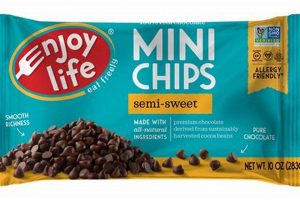
The question of whether a specific type of chocolate aligns with vegan dietary restrictions is frequently raised. Semi-sweet chocolate, characterized by its lower sugar content relative to milk chocolate and absence of dairy milk, often contains cocoa solids, sugar, cocoa butter, and possibly vanilla. The critical factor in determining its vegan status lies in the source of these ingredients and the presence of any additives derived from animal products. For instance, if a particular semi-sweet chocolate bar contains milk fat, whey, or honey, it is not considered vegan.
Understanding the composition of this commonly used baking and confectionary ingredient is essential for individuals adhering to a plant-based lifestyle. Its potential inclusion in a wide array of desserts, candies, and snacks underscores the importance of careful label examination. Historically, chocolate production often involved dairy products; however, growing demand for vegan alternatives has prompted manufacturers to create versions free from animal-derived ingredients, making it more accessible to those following vegan diets. The rise in availability of certified vegan options has facilitated easier choices for consumers.
Therefore, to ascertain the suitability of semi-sweet chocolate for vegan consumption, scrutiny of the ingredient list is paramount. The following sections will delve into potential non-vegan ingredients, certification processes, and reliable brands that offer products meeting vegan standards, providing a comprehensive guide for informed decision-making.
Tips
When evaluating chocolate for adherence to vegan principles, rigorous examination of product composition is essential. Careful scrutiny ensures alignment with dietary restrictions.
Tip 1: Scrutinize the Ingredient List: Thoroughly review the ingredient list on the packaging. Specifically, check for the presence of milk solids, whey, casein, butter oil, or any other dairy-derived components. These render the product non-vegan.
Tip 2: Identify Potential Hidden Animal Products: Be aware of less obvious ingredients like “natural flavors,” which, in rare instances, may be derived from animal sources. Contacting the manufacturer can clarify the source if uncertainty exists.
Tip 3: Look for Vegan Certification: Seek out certifications from reputable vegan organizations. These certifications indicate that the product has undergone a verification process to ensure it meets established vegan standards. Logos like the Vegan Action or Vegan Society trademarks provide assurance.
Tip 4: Research the Manufacturer’s Practices: Investigate the manufacturer’s overall production practices. Some facilities process both dairy and non-dairy products on the same equipment, increasing the risk of cross-contamination, even if the ingredient list appears vegan.
Tip 5: Consider Cocoa Butter Source: While cocoa butter is inherently vegan, ensure it has not been processed with any animal-derived clarifying agents. This is a less common concern but warrants consideration for strict adherents.
Tip 6: Be Wary of “May Contain Milk” Statements: Products labeled “may contain milk” are generally not suitable for those with strict vegan diets due to potential cross-contamination during manufacturing.
Tip 7: Prioritize Dark Chocolate with High Cocoa Content: Generally, dark chocolate varieties with a high percentage of cocoa solids are more likely to be vegan as they inherently require fewer additional ingredients, reducing the chance of non-vegan additives.
Adhering to these guidelines ensures that choices align with vegan dietary principles, minimizing the risk of unintended consumption of animal products. Vigilance in product evaluation is crucial.
Applying these tips facilitates a smoother transition to a vegan lifestyle and promotes informed decision-making in food selection, setting the stage for the following discussion about product brands and availability.
1. Ingredient verification

The determination of whether semi-sweet chocolate is vegan fundamentally hinges on meticulous ingredient verification. This process serves as the primary means of establishing the absence of animal-derived constituents, thereby aligning the product with vegan dietary requirements. Absent rigorous ingredient examination, consumers risk inadvertently consuming non-vegan substances present within the chocolate’s formulation. A direct causal relationship exists: comprehensive ingredient verification directly determines the vegan status of the semi-sweet chocolate.
Ingredient verification assumes importance due to the potential presence of hidden non-vegan elements. For example, some semi-sweet chocolate products may contain whey, casein, or milk fat, which are derivatives of dairy milk. These components may be included as emulsifiers or to enhance texture and flavor. However, their inclusion violates the core tenets of veganism. Accurate ingredient assessment mitigates the risk of unintentional non-compliance. The practical significance is evident in the ability of vegan consumers to confidently select products that align with their ethical and dietary choices.
In summary, ingredient verification constitutes an indispensable step in determining if semi-sweet chocolate conforms to vegan criteria. Its effectiveness is directly proportional to the rigor with which it is conducted. Challenges may arise from ambiguous ingredient labeling or misleading product descriptions. Ultimately, comprehensive verification serves as a cornerstone of informed consumer decision-making, ensuring adherence to vegan principles and contributing to a more transparent food system.
2. Dairy absence
The absence of dairy constitutes a critical determinant in assessing the suitability of semi-sweet chocolate for vegan consumption. Its significance stems from the foundational principle of veganism, which explicitly excludes all animal-derived products, including dairy, from the diet.
- Definition of Dairy Absence
Dairy absence signifies the complete exclusion of milk and milk-derived ingredients from the composition of a product. In the context of semi-sweet chocolate, this mandates that it contains no milk solids, milk fat, whey, casein, lactose, or any other ingredient originating from dairy sources. The presence of any dairy component immediately disqualifies the chocolate from being considered vegan.
- Impact on Vegan Compliance
The presence or absence of dairy directly dictates whether semi-sweet chocolate aligns with vegan dietary standards. Even trace amounts of dairy can render the product non-compliant for strict vegans. Therefore, manufacturers seeking to market vegan-friendly semi-sweet chocolate must ensure complete segregation of dairy ingredients during production and processing to avoid cross-contamination.
- Labeling and Transparency
Clear and accurate labeling regarding the presence or absence of dairy is essential for consumer confidence and informed decision-making. Products labeled “dairy-free” or “vegan” ideally undergo third-party certification to validate their claims. Transparent labeling practices enable consumers to readily identify and select products that meet their dietary requirements.
- Alternatives and Formulations
The demand for vegan-compliant semi-sweet chocolate has spurred innovation in ingredient alternatives. Manufacturers now commonly utilize plant-based substitutes, such as soy lecithin as emulsifiers and plant-based fats in lieu of milk fat, to replicate the texture and mouthfeel of traditional chocolate without incorporating any dairy products. Such formulations broaden the availability of vegan chocolate options.
In conclusion, dairy absence is not merely a desirable attribute but an essential prerequisite for semi-sweet chocolate to be classified as vegan. The industry’s response to this requirement, through the use of alternative ingredients and enhanced transparency in labeling, underscores the increasing importance of accommodating vegan consumers within the broader confectionery market.
3. Vegan certifications

Vegan certifications serve as crucial verification systems in determining whether semi-sweet chocolate aligns with vegan dietary standards. These certifications provide assurance to consumers that the product has been independently assessed and confirmed to be free from animal-derived ingredients and byproducts. Their role is paramount in establishing trust and transparency within the vegan food market.
- Verification of Ingredient Sourcing and Composition
Vegan certification bodies meticulously review the ingredients and sourcing of semi-sweet chocolate to ensure compliance with vegan criteria. This process includes verifying the absence of dairy, eggs, honey, and other animal-derived substances. For instance, a certification might require suppliers to provide documentation confirming that their cocoa butter is not processed using animal-derived refining agents. This stringent assessment guarantees the chocolate’s conformity to vegan standards.
- Auditing of Manufacturing Processes
Certification agencies conduct audits of manufacturing facilities to prevent cross-contamination with non-vegan products. These audits assess cleaning protocols, equipment segregation, and staff training to minimize the risk of unintentional incorporation of animal-derived ingredients. A facility producing both dairy and vegan chocolate, for example, would need to demonstrate rigorous measures to prevent cross-contamination, such as dedicated production lines and cleaning procedures verified by the certification body.
- Consumer Confidence and Market Access
Vegan certifications instill consumer confidence, enabling individuals to make informed purchasing decisions aligned with their ethical and dietary preferences. Certified products often gain a competitive advantage in the market, attracting vegan consumers and those seeking plant-based alternatives. The presence of a recognized vegan certification logo on semi-sweet chocolate packaging serves as a reliable indicator of its compliance with vegan standards, facilitating its acceptance and accessibility within the vegan community.
- Adherence to Ethical Considerations
In addition to verifying ingredient composition and manufacturing practices, some vegan certifications consider broader ethical aspects, such as fair labor practices in cocoa production. These certifications promote social responsibility and sustainability within the chocolate industry. By choosing certified semi-sweet chocolate, consumers support businesses that prioritize ethical sourcing and environmental stewardship, contributing to a more just and sustainable food system.
The implementation of vegan certifications significantly enhances the reliability and transparency of claims surrounding semi-sweet chocolate’s vegan status. By encompassing ingredient verification, manufacturing audits, and ethical considerations, these certifications provide a comprehensive assessment that assures consumers of the product’s alignment with vegan principles.
4. Manufacturing processes

The manufacturing processes involved in producing semi-sweet chocolate hold significant bearing on its suitability for vegan consumption. These processes dictate whether the final product remains free from animal-derived ingredients and potential cross-contamination, thereby impacting its categorization as vegan.
- Ingredient Sourcing and Handling
The initial stages of chocolate production, encompassing the sourcing and handling of raw materials, are crucial. If cocoa beans are processed using equipment that also handles dairy products, cross-contamination becomes a risk. Similarly, if sugar is refined using bone char (a process involving animal bones), the resulting chocolate would not be considered vegan. Stringent protocols must be in place to segregate vegan and non-vegan ingredients throughout the supply chain.
- Equipment and Facility Sanitation
The cleanliness and sanitation practices within chocolate manufacturing facilities directly influence the product’s vegan status. If shared equipment is not thoroughly cleaned between batches of dairy and non-dairy chocolate, residual milk solids may contaminate the vegan product. This mandates rigorous cleaning procedures and validation methods to ensure effective removal of allergens and animal-derived substances.
- Ingredient Formulation and Additives
The formulation stage, where ingredients are combined, presents another point of concern. Some emulsifiers, flavorings, or stabilizers used in chocolate production may be derived from animal sources. Manufacturers must exercise caution in selecting vegan-friendly alternatives to maintain compliance with vegan standards. For instance, soy lecithin is often used as an emulsifier instead of animal-derived options.
- Packaging and Labeling Accuracy
Accurate packaging and labeling are essential for conveying the vegan status of semi-sweet chocolate to consumers. Misleading labels or the absence of clear allergen information can mislead individuals seeking vegan products. Manufacturers must provide comprehensive details about ingredients and potential allergens to facilitate informed purchasing decisions. The presence of a vegan certification logo further enhances consumer confidence.
In summary, the manufacturing processes represent a critical control point in determining whether semi-sweet chocolate can be classified as vegan. Rigorous ingredient sourcing, meticulous cleaning practices, vegan-friendly formulation, and accurate labeling are all necessary to ensure that the final product meets the standards of vegan consumers.
5. Cross-contamination risk
The potential for cross-contamination poses a significant challenge in determining whether semi-sweet chocolate aligns with vegan dietary requirements. This risk stems from the manufacturing environment and processes, necessitating careful evaluation of production protocols.
- Shared Equipment Usage
Production facilities often utilize shared equipment for both dairy and non-dairy products. If cleaning procedures are inadequate, residue from milk-containing chocolate can contaminate subsequently produced batches of semi-sweet chocolate. This residue, even in trace amounts, renders the product unsuitable for strict vegans. For example, shared mixing vats or conveyor belts require thorough sanitation protocols to mitigate this risk.
- Airborne Particulate Contamination
Airborne particles, such as milk powder, can circulate within manufacturing environments, settling on equipment and ingredients. This form of cross-contamination is particularly difficult to control and requires advanced air filtration systems and stringent environmental monitoring. Without such measures, semi-sweet chocolate may inadvertently contain dairy allergens, violating vegan dietary principles.
- Supplier Practices and Ingredient Handling
Cross-contamination can occur upstream in the supply chain, such as during the processing of cocoa beans or sugar. If these raw materials come into contact with dairy products at supplier facilities, the resulting semi-sweet chocolate will be compromised. Manufacturers must implement rigorous supplier audits and ingredient verification processes to ensure that all components are free from animal-derived substances.
- Labeling and Allergen Statements
The presence of “may contain milk” or similar allergen statements on packaging indicates that the manufacturer cannot guarantee the absence of dairy contamination. While the ingredient list may not explicitly include milk, these statements alert consumers to the potential for cross-contamination during production. Vegans should exercise caution and avoid products with these statements unless the manufacturer provides further assurance of vegan compliance.
These facets highlight the pervasive nature of cross-contamination risks in chocolate manufacturing. Mitigating these risks requires comprehensive strategies encompassing equipment sanitation, air quality control, supply chain management, and transparent labeling practices. Only through meticulous attention to these details can manufacturers confidently assert that their semi-sweet chocolate meets the standards of vegan consumers.
6. Ethical sourcing
Ethical sourcing represents an increasingly critical dimension in the evaluation of whether semi-sweet chocolate aligns with vegan principles. While the absence of animal-derived ingredients is fundamental, the ethical considerations surrounding ingredient procurement, particularly cocoa, introduce a complex layer to the assessment.
- Fair Labor Practices
The cocoa industry has historically faced scrutiny regarding labor practices, particularly concerning child labor and unfair wages. Semi-sweet chocolate, even if vegan in composition, can be considered unethical if its cocoa is sourced from farms employing exploitative labor practices. Ethical sourcing necessitates ensuring fair wages, safe working conditions, and the absence of child labor throughout the cocoa supply chain. Certifications like Fair Trade can provide assurance of adherence to these principles.
- Environmental Sustainability
Cocoa production can have significant environmental impacts, including deforestation and pesticide use. Ethical sourcing entails supporting sustainable farming practices that minimize environmental damage. This includes promoting agroforestry, which integrates cocoa trees with other crops, and reducing the reliance on harmful chemicals. Semi-sweet chocolate sourced from farms committed to environmental sustainability aligns more closely with ethical vegan values.
- Traceability and Transparency
Effective ethical sourcing requires traceability throughout the supply chain, enabling consumers to understand the origin of the cocoa beans and verify adherence to ethical standards. Transparency involves providing detailed information about sourcing practices, allowing for accountability and informed decision-making. Semi-sweet chocolate with transparent sourcing practices provides greater confidence to consumers seeking ethically produced vegan options.
- Empowerment of Cocoa Farmers
Ethical sourcing extends beyond mere compliance to encompass initiatives that empower cocoa farmers and their communities. This includes providing access to education, healthcare, and financial resources, fostering sustainable livelihoods and promoting community development. Semi-sweet chocolate sourced from organizations actively engaged in empowering cocoa farmers contributes to a more equitable and ethical food system.
The incorporation of ethical sourcing considerations into the assessment of semi-sweet chocolate’s vegan status reflects a broader understanding of ethical consumption. While a product may be technically vegan due to the absence of animal-derived ingredients, its ethical implications extend to the social and environmental impacts of its production. Consumers increasingly prioritize products that align with their values, seeking semi-sweet chocolate that is both vegan and ethically sourced, supporting a more just and sustainable cocoa industry.
Frequently Asked Questions
This section addresses prevalent inquiries regarding the vegan compatibility of semi-sweet chocolate. Clarity on this matter is essential for individuals adhering to vegan dietary principles.
Question 1: What defines semi-sweet chocolate, and how does its composition influence its vegan status?
Semi-sweet chocolate is characterized by its reduced sugar content compared to milk chocolate and its lack of dairy milk. However, its composition may include ingredients like cocoa solids, sugar, cocoa butter, and potentially, non-vegan additives. The presence or absence of animal-derived components directly determines its vegan compatibility.
Question 2: What are the most common non-vegan ingredients potentially found in semi-sweet chocolate?
Frequent non-vegan inclusions in semi-sweet chocolate encompass milk solids, milk fat, whey, casein, and honey. The presence of any of these substances renders the product unsuitable for vegan consumption.
Question 3: How can a consumer reliably ascertain whether a specific semi-sweet chocolate product is vegan?
Consumers must meticulously scrutinize the ingredient list on the packaging. The absence of dairy-related ingredients and the presence of vegan certification logos from reputable organizations provide reliable indicators of vegan compatibility.
Question 4: Does the “may contain milk” statement on the packaging automatically disqualify a semi-sweet chocolate product from being considered vegan?
The “may contain milk” statement indicates a potential risk of cross-contamination during manufacturing. While the ingredient list itself may not include milk, strict vegans often avoid products with this statement due to the possibility of trace dairy content.
Question 5: Are there specific brands or certifications that guarantee the vegan status of semi-sweet chocolate?
Certain brands specialize in vegan chocolate production and prominently display vegan certification logos from organizations like Vegan Action or The Vegan Society. These certifications provide assurance of compliance with vegan standards.
Question 6: Beyond ingredient composition, are there ethical considerations, such as fair labor practices, that influence the overall assessment of whether semi-sweet chocolate aligns with vegan principles?
Indeed, ethical sourcing, encompassing fair labor practices and environmental sustainability, is increasingly recognized as an integral component of ethical consumption. Semi-sweet chocolate sourced from organizations committed to ethical cocoa production more closely aligns with comprehensive vegan values.
In summary, determining the vegan status of semi-sweet chocolate necessitates thorough ingredient verification, awareness of potential cross-contamination risks, and consideration of ethical sourcing practices. Vigilant consumer evaluation remains paramount.
The succeeding section will explore strategies for identifying and selecting reliable vegan semi-sweet chocolate options.
Conclusion
The preceding analysis has explored the complexities inherent in determining whether a given semi-sweet chocolate product aligns with vegan dietary requirements. It has established that the presence or absence of animal-derived ingredients, potential cross-contamination during manufacturing, and adherence to ethical sourcing practices constitute the primary factors in this assessment. Ingredient lists must be meticulously scrutinized, potential risks associated with shared equipment must be considered, and certification from reputable vegan organizations offers a valuable assurance. The examination extends beyond mere composition to encompass ethical dimensions, including fair labor standards and environmental sustainability within cocoa production.
The responsibility ultimately rests with the consumer to exercise vigilance in product evaluation. Informed decisions require a comprehensive understanding of potential pitfalls and a commitment to supporting manufacturers that prioritize both ingredient integrity and ethical practices. A continued emphasis on transparency within the chocolate industry is essential to facilitate responsible consumer choices and promote a more equitable and sustainable food system.



![Delicious Vegan Chocolate Loaf Cake Recipe [+Tips] | Discover Delicious Vegan Food, Beauty Swaps, and Zero-Waste Tips for a Greener Life](https://thisvegangirl.com/wp-content/uploads/2026/03/th-597-300x200.jpg "Delicious Vegan Chocolate Loaf Cake Recipe [+Tips] Discover Delicious Vegan Food, Beauty Swaps, and Zero-Waste Tips for a Greener Life")