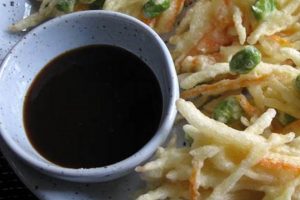
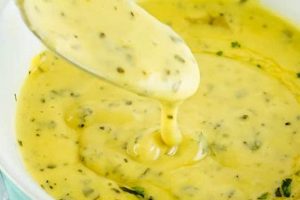
The question of whether a particular condiment aligns with a plant-based diet often depends on its ingredients. This sweet and tangy sauce, frequently served with deep-fried appetizers, typically includes ingredients like fruit preserves (apricot, plum, or pineapple), sugar, vinegar, and soy sauce. However, honey is sometimes added, and this inclusion would render it unsuitable for vegans.
Understanding the composition of sauces is important for those adhering to specific dietary guidelines. Identifying suitable condiments expands culinary options and ensures adherence to desired eating patterns. Historically, sweet-and-sour sauces have evolved, with variations arising in different cuisines and regions, reflecting the availability of local ingredients and evolving taste preferences. The presence of animal products in seemingly simple sauces is not always obvious and requires careful consideration.
Therefore, a thorough examination of the ingredient list is crucial to determine the vegan status of this widely available condiment. Scrutinizing common components and less obvious potential additions is necessary to make an informed decision regarding its compatibility with a vegan lifestyle. The following sections will delve into specific ingredients and potential variations, clarifying any ambiguities.
Determining the Vegan Status of Duck Sauce
The suitability of duck sauce for a vegan diet hinges on a careful assessment of its ingredients. The following tips provide guidance on navigating this assessment, ensuring informed choices.
Tip 1: Scrutinize the Ingredient List. A thorough review of the product’s ingredient list is paramount. Pay particular attention to potential non-vegan components, such as honey or animal-derived flavorings.
Tip 2: Investigate the Source of Sugar. Refined sugar may sometimes be processed using bone char. While controversial, strict vegans may wish to verify the sugar’s processing method by contacting the manufacturer.
Tip 3: Consider Cross-Contamination. In restaurants, inquire about potential cross-contamination if the sauce is prepared in-house. Shared cooking surfaces or utensils could introduce animal products.
Tip 4: Examine “Natural Flavors”. “Natural flavors” can occasionally be derived from animal sources. Contacting the manufacturer for clarification may be necessary.
Tip 5: Opt for Homemade Versions. Preparing homemade duck sauce allows for complete control over ingredients, ensuring vegan compatibility. Recipes typically utilize fruit preserves, vinegar, soy sauce, and spices.
Tip 6: Seek Certified Vegan Products. Look for certified vegan labels on commercially produced sauces. These certifications provide assurance that the product has been independently verified as free from animal products.
Tip 7: Be Wary of Generic Labeling. Terms like “flavoring” or “spices” can mask hidden animal-derived ingredients. Exercise caution with products that lack detailed ingredient disclosure.
Adhering to these guidelines empowers individuals to make informed decisions about duck sauce consumption within the parameters of a vegan lifestyle. Diligent investigation and informed choices are key to navigating potential pitfalls.
With these tips in mind, the ensuing discussion will explore specific brands and recipes, providing further clarity on vegan-friendly options.
1. Honey Presence

The presence of honey directly determines whether a specific preparation of duck sauce can be classified as plant-based. Honey, an animal-derived product created by bees, is a non-negotiable exclusion for those adhering to a vegan dietary standard. Its inclusion in a recipe or commercially produced duck sauce automatically renders it unsuitable for individuals who abstain from all animal products. This is a cause-and-effect relationship: honey exists as an ingredient, therefore the condiment is not vegan. The absence of honey is, conversely, a prerequisite for vegan compatibility.
The significance of verifying honey’s presence cannot be overstated. In commercially available varieties, manufacturers may include it as a sweetener or flavor enhancer. In restaurant settings, variations in preparation methods could mean honey is sometimes incorporated. For instance, one restaurant may use a recipe including honey for its duck sauce, while another uses a fruit preserve-based recipe omitting it entirely. Consequently, individuals must diligently inquire about the specific ingredients utilized in each instance. Even a small amount of honey prevents the condiment from being considered vegan.
The crucial takeaway is that confirming the absence of honey is the foundational step in determining whether a particular duck sauce is vegan. This requires proactive investigation, including reviewing ingredient lists or asking clarifying questions when the sauce is prepared externally. Without this verification, the plant-based status remains uncertain. The practical application is clear: vegans must actively seek information and avoid assumptions, ensuring no animal products, including honey, are present in the condiment.
2. Ingredient Transparency

Ingredient transparency plays a pivotal role in ascertaining whether duck sauce adheres to vegan dietary standards. The comprehensiveness and clarity of ingredient information directly influence the ability to identify potentially non-vegan components. Opaque or incomplete ingredient lists create ambiguity, hindering informed decisions and increasing the risk of unknowingly consuming animal products.
- Ambiguous Labeling and Hidden Ingredients
Vague terms like “spices,” “flavorings,” or “natural flavors” can mask the presence of animal-derived ingredients. For example, “natural flavoring” might include castoreum, derived from beavers, or other non-vegan sources. Without specific disclosure, consumers adhering to plant-based diets are unable to reliably assess product suitability. This lack of clarity effectively obscures the true composition, making it challenging to confirm compliance with vegan principles. When ingredient lists use only general terms, the potential for non-vegan additives is significant.
- Variations in Recipes and Formulations
Duck sauce recipes can vary significantly, particularly in restaurant settings or with homemade versions. Some recipes may incorporate honey, fish sauce, or other animal products, while others adhere to vegan principles. Clear ingredient disclosure is essential to account for these variations. If a restaurant-prepared sauce lacks an ingredient list, direct inquiry is necessary to ascertain its components and confirm the absence of non-vegan ingredients. The burden of verification rests on the consumer when transparency is lacking.
- Manufacturer Disclosure and Product Traceability
The extent of information provided by manufacturers directly impacts consumer confidence. Detailed ingredient lists, including specific sources for potential allergens or controversial ingredients like refined sugar (which may be processed using bone char), enhance transparency. Product traceability, enabling consumers to access information about the sourcing and production processes, further reinforces confidence in the vegan status. Conversely, limited disclosure raises concerns and necessitates additional investigation to ensure compliance with dietary requirements.
- Third-Party Certifications and Verification
Vegan certifications from reputable organizations provide an independent verification of ingredient transparency. Certified products undergo rigorous scrutiny to ensure the absence of animal products and derivatives. These certifications offer a reliable means of confirming the plant-based status of duck sauce, reducing the need for individual ingredient analysis and reliance on manufacturer claims. The presence of a recognized vegan certification significantly enhances consumer trust and simplifies the process of identifying suitable options.
In summary, ingredient transparency is indispensable for determining the plant-based suitability of duck sauce. The clarity, accuracy, and comprehensiveness of ingredient information, whether through detailed labeling, manufacturer disclosure, or third-party certifications, directly impact the ability of vegans to make informed choices. Opaque or incomplete information necessitates additional investigation and increases the risk of unknowingly consuming animal products, underscoring the importance of prioritizing transparency in product assessment.
3. Cross-Contamination Risks

Assessing whether a particular preparation of duck sauce is vegan requires consideration of cross-contamination risks, particularly when consuming the sauce in restaurant settings or from sources where preparation methods are not fully transparent. Even if the listed ingredients appear plant-based, the potential for contact with non-vegan substances during preparation or storage can compromise its suitability for strict vegans.
- Shared Cooking Surfaces and Utensils
Restaurants often utilize shared cooking surfaces, such as grills or stovetops, and utensils for preparing both vegan and non-vegan dishes. If duck sauce is prepared on a surface previously used for meat or dairy products, or if utensils are used interchangeably without proper cleaning, cross-contamination can occur. This transfer of animal products, even in trace amounts, renders the sauce unsuitable for vegans. For instance, a wok used to stir-fry chicken may then be used to prepare a vegetable dish with the sauce, potentially transferring animal fats.
- Fryer Oil Contamination
In establishments that offer fried appetizers served with duck sauce, the frying oil may be used for both plant-based and animal-based items. If the same oil is used to fry both vegetable spring rolls and chicken wings, the oil becomes contaminated with animal fats and proteins. Consequently, any duck sauce served with the fried spring rolls may be considered non-vegan due to the possibility of contact with the contaminated oil. This poses a significant challenge for those seeking truly plant-based options.
- Condiment Container Contamination
Shared condiment containers can also present a cross-contamination risk. If a serving spoon used for a non-vegan sauce is inadvertently used to scoop duck sauce, the duck sauce becomes contaminated. Similarly, if a customer uses a utensil that has come into contact with meat or dairy products and then dips it into a communal container of duck sauce, the entire batch is potentially compromised. This highlights the importance of using separate serving utensils and maintaining clean serving practices.
- Preparation Area Proximity
The proximity of vegan and non-vegan food preparation areas can increase the likelihood of cross-contamination. Airborne particles from cooking meat or dairy products can settle on surfaces or utensils used to prepare duck sauce. Even with careful cleaning practices, microscopic traces of animal products may remain, posing a risk to strict vegans. Separate preparation areas and meticulous sanitation protocols are essential to minimize this risk.
These potential cross-contamination scenarios underscore the need for vigilance when consuming duck sauce outside of controlled environments. While the ingredient list may appear vegan-friendly, the actual preparation and serving practices can compromise its suitability for a plant-based diet. Direct communication with restaurant staff regarding preparation methods and cross-contamination protocols is crucial to making informed choices and ensuring adherence to vegan principles.
4. Sugar Processing

The processing of sugar, a common ingredient in duck sauce, introduces a nuanced consideration for individuals adhering to a strict vegan diet. The potential use of bone char in sugar refining raises ethical concerns, prompting a deeper examination of the sugar’s origin and processing methods. This examination is crucial in determining the true plant-based status of duck sauce.
- Bone Char Filtration
Bone char, derived from animal bones, is sometimes utilized in the sugar refining process to remove impurities and achieve a desired white color. While the sugar itself does not contain bone char residue, the contact during processing raises ethical concerns for some vegans. Alternative refining methods exist, such as using granular activated carbon or ion-exchange resins, which do not involve animal products. The use of bone char is more prevalent in North America than in Europe or other regions.
- Sugar Source Verification
Determining whether the sugar used in duck sauce was processed using bone char requires verification of its source. Manufacturers are not typically required to disclose their refining methods on product labels, making direct inquiry necessary. Contacting the manufacturer or researching the sugar supplier can provide insights into their processing practices. This verification process can be time-consuming and may not always yield definitive answers.
- Organic and Unrefined Sugar Alternatives
Organic sugar and unrefined sugar options, such as turbinado or muscovado sugar, are generally not processed using bone char. These sugars retain more of their natural molasses content and have a darker color. Choosing duck sauce that contains organic or unrefined sugar eliminates the ethical concerns associated with bone char filtration. However, the altered flavor profile of these sugars may slightly affect the taste of the sauce.
- Vegan-Certified Products
Duck sauce products bearing a vegan certification from a reputable organization have undergone scrutiny to ensure that all ingredients, including sugar, are free from animal-derived processing aids. These certifications provide assurance that the sugar used in the sauce was not refined using bone char. Relying on vegan-certified products simplifies the process of identifying plant-based options and minimizes the need for individual ingredient verification.
In conclusion, the use of bone char in sugar refining represents a potential point of conflict for vegans assessing the suitability of duck sauce. While the sugar itself may not contain animal products, the contact during processing raises ethical considerations. Verifying the sugar source, opting for organic or unrefined alternatives, or choosing vegan-certified products are strategies for mitigating these concerns and ensuring that the duck sauce aligns with a strict plant-based diet. Therefore, diligent investigation into the sugar’s processing method is an essential step in determining if the duck sauce is genuinely vegan.
5. Homemade Alternatives
The preparation of duck sauce at home offers complete control over ingredients, directly addressing concerns regarding its vegan status. This control is a critical factor, as commercially produced versions may contain non-vegan elements, such as honey, or utilize sugar refined with bone char. By crafting a homemade version, the individual dictates the precise composition, ensuring alignment with plant-based dietary principles. A simple example involves substituting maple syrup or agave nectar for honey, thereby maintaining sweetness without introducing animal products. Furthermore, homemade versions can easily incorporate organic sugar, eliminating concerns related to bone char processing. This direct influence over ingredients establishes homemade alternatives as a primary method for guaranteeing the sauce’s plant-based compatibility.
The process of making duck sauce from scratch allows for customization based on individual preferences and dietary needs. Numerous recipes are available online, utilizing fruit preserves (such as apricot or plum), vinegar (rice vinegar is a common choice), soy sauce (tamari for gluten-free options), and spices (ginger and garlic are frequently included). These ingredients are readily available, and the preparation process is relatively straightforward. For example, one could adapt a standard recipe by using a date paste as a sweetener and increasing the amount of ginger for added flavor. This adaptability extends beyond mere ingredient substitutions; it allows for the exclusion of potential allergens or the incorporation of specific nutrients, further enhancing the benefits of homemade preparation. Therefore, not only does the homemade approach ensure plant-based status, but it also enables personalized tailoring to meet individual requirements.
Ultimately, homemade duck sauce represents a reliable and adaptable solution for vegans seeking to enjoy this condiment without compromising their dietary choices. The direct control over ingredients eliminates uncertainty associated with commercial products and restaurant preparations, ensuring complete plant-based compliance. While vigilance remains necessary when consuming duck sauce prepared by others, the homemade approach offers a definitive method for achieving both dietary adherence and culinary satisfaction. The flexibility and accessibility of homemade preparations make them a highly practical option for those prioritizing both taste and ethical consumption.
Frequently Asked Questions
The following addresses common inquiries regarding the plant-based suitability of duck sauce, providing clear and concise information to aid in informed consumption choices.
Question 1: Is all commercially produced duck sauce vegan?
No, not all commercially produced duck sauce is vegan. Many formulations contain honey, an animal product, rendering them unsuitable for vegans. Careful inspection of the ingredient list is essential to determine its composition.
Question 2: How can one identify non-vegan ingredients in duck sauce?
Non-vegan ingredients frequently found in duck sauce include honey, and potentially ingredients derived from animals and vaguely named “natural flavors” and sugar processed using bone char. A thorough review of the ingredient list is essential to identify these components.
Question 3: Does the color of duck sauce indicate its vegan status?
The color of duck sauce is not a reliable indicator of its plant-based suitability. Variations in color arise from the specific fruits and spices utilized in its preparation, not necessarily from the presence or absence of animal products.
Question 4: Is restaurant-prepared duck sauce typically vegan?
Restaurant-prepared duck sauce presents a higher degree of uncertainty regarding its vegan status. Preparation methods and ingredient sourcing vary widely. Direct inquiry about ingredients and potential cross-contamination is necessary.
Question 5: What are some vegan alternatives to duck sauce?
Several vegan alternatives to duck sauce exist. Homemade versions, crafted with plant-based sweeteners and ingredients, provide a guaranteed plant-based option. Other options can be other sweet and sour sauces as well.
Question 6: Does a “natural flavors” label always signify a non-vegan product?
“Natural flavors” labeling does not automatically indicate a non-vegan product, it might from plant based or animal based. However, the term lacks transparency, requiring further investigation to determine its source and compatibility with a vegan diet. Contacting the manufacturer for clarification may be necessary.
In conclusion, assessing the plant-based suitability of duck sauce requires careful scrutiny and proactive investigation. Relying solely on assumptions or generalized statements is insufficient to guarantee its vegan status.
The following section provides a comprehensive checklist to ensure plant-based compliance when evaluating duck sauce.
Determining if “Is Duck Sauce Vegan”
The preceding analysis reveals that the seemingly simple question of whether “is duck sauce vegan” requires careful consideration and investigation. While some commercially available preparations may align with plant-based principles, the presence of honey, potential for cross-contamination, and use of bone char in sugar refining pose significant challenges. Reliance on ingredient lists alone is insufficient, necessitating direct inquiry with manufacturers and restaurants to ascertain the sauce’s true composition.
Therefore, individuals adhering to a vegan diet must exercise vigilance and adopt a proactive approach when evaluating duck sauce. Only through meticulous examination of ingredients, consideration of processing methods, and a willingness to seek clarification can one confidently determine its suitability. This commitment to informed consumption is essential for upholding the ethical and dietary principles of veganism.