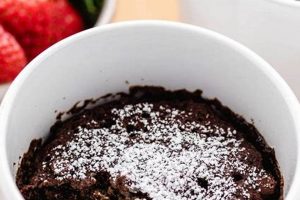
Transforming a commercially prepared cake mix to align with vegan dietary principles involves substituting ingredients of animal origin with plant-based alternatives. Standard cake mixes often contain eggs, milk, and sometimes butter or lard, all of which are non-vegan. The process requires identifying these ingredients and replacing them with suitable substitutes, such as applesauce, flaxseed meal, or plant-based milk, while maintaining the intended texture and flavor profile of the finished cake.
Modifying recipes to exclude animal products expands accessibility and inclusivity for individuals adhering to vegan lifestyles or those with dairy or egg allergies. This practice promotes ethical consumption and reduces reliance on animal agriculture, contributing to a more sustainable food system. Historically, the development of vegan baking techniques has paralleled the growing awareness of animal welfare and environmental concerns, leading to innovative ingredient substitutions and adaptations of traditional recipes.
The following sections will detail practical methods for adapting common cake mixes to create delicious, animal-product-free desserts. Detailed substitutions, ratio adjustments, and considerations for flavor enhancement are provided.
Adapting Cake Mixes for Vegan Consumption
Successfully converting a conventional cake mix to a vegan formulation requires careful attention to ingredient substitutions and their impact on the final product’s texture and flavor. The following tips provide guidance on navigating this process.
Tip 1: Ingredient Identification: Scrutinize the ingredient list of the cake mix. Common non-vegan components include dried eggs, milk powder (whey, casein), and animal-derived fats. Complete removal of these products are important before going to next steps.
Tip 2: Egg Replacement: Replace each egg with either a flaxseed meal slurry (1 tablespoon flaxseed meal mixed with 3 tablespoons water, allowed to sit for 5 minutes), 1/4 cup of applesauce, or a commercially available egg replacer. The appropriate choice depends on the mix’s intended texture; applesauce adds moisture, while flaxseed provides binding.
Tip 3: Milk Substitution: Replace dairy milk with an equal amount of plant-based milk, such as soy, almond, or oat milk. Unsweetened varieties are generally preferred to avoid excessive sweetness in the final product.
Tip 4: Butter/Oil Replacement: If the recipe calls for butter, substitute it with an equal amount of melted coconut oil, vegetable oil, or a vegan butter alternative. Consider the flavor profile of the oil; coconut oil imparts a subtle coconut taste.
Tip 5: Moisture Adjustment: Vegan cakes may tend to be drier. Adding an extra tablespoon or two of plant-based milk or applesauce can compensate for this. Monitor the batter consistency and adjust accordingly.
Tip 6: Flavor Enhancement: Since some traditional ingredients contribute to flavor complexity, consider adding extracts like vanilla, almond, or lemon to enhance the taste of the veganized cake.
Tip 7: Baking Time Monitoring: Vegan cakes may bake slightly faster or slower than their non-vegan counterparts. Begin checking for doneness a few minutes before the recommended baking time and use a toothpick test to confirm.
Tip 8: Consider using vinegar & baking soda: Mix 1 teaspoon of baking soda into the dry ingredients and add 1 tablespoon of apple cider vinegar to the wet ingredients. When combined, this mixture creates a reaction that adds lightness and airiness to the cake, improving its texture.
Adhering to these guidelines facilitates the successful conversion of standard cake mixes into palatable vegan alternatives, broadening dietary options without sacrificing flavor or texture.
The subsequent sections will delve into specific cake mix types and provide tailored strategies for achieving optimal results, further solidifying the understanding of adapting recipes for plant-based consumption.
1. Ingredient Substitution

The successful transformation of a conventional cake mix into a vegan formulation hinges on strategic ingredient substitution. Standard cake mixes are frequently composed of non-vegan components, primarily eggs and dairy, which contribute to the product’s structure, moisture, and flavor. Ingredient substitution aims to replicate these functionalities using plant-based alternatives. For example, eggs, which provide binding and leavening, can be substituted with flaxseed meal or commercially available egg replacers. Dairy milk, contributing moisture and fat, is typically replaced with plant-based milks such as soy, almond, or oat milk. The direct cause and effect relationship is that without appropriate substitutions, the final product will either fail to be vegan or will lack the expected characteristics of a cake.
The importance of ingredient substitution lies in its ability to make commercially available products accessible to individuals adhering to vegan dietary guidelines. Consider a basic vanilla cake mix. Without substituting the dried egg powder and whey present in the original formulation, the product remains unsuitable for vegan consumption. However, by replacing the egg powder with applesauce and the whey with soy milk, the mix becomes a viable option. Furthermore, successful substitution requires understanding the specific role of each ingredient. Substituting with inappropriate ingredients or incorrect ratios can lead to a cake with poor texture, density, or flavor. Vegetable oil for example, may cause issues in the texture of the final cake.
In summary, ingredient substitution is the cornerstone of adapting standard cake mixes for vegan consumption. The practice involves replacing animal-derived components with plant-based alternatives while preserving the intended characteristics of the finished product. Challenges arise in replicating the complex functionalities of eggs and dairy, necessitating a nuanced understanding of ingredient properties and ratios. This understanding allows for the creation of vegan cakes that are both palatable and adhere to ethical dietary principles, broadening the appeal and inclusivity of cake mixes.
2. Moisture Balance

Moisture balance is a critical factor in the successful adaptation of standard cake mixes for vegan consumption. Traditional cake recipes often rely on the inherent moisture content of eggs and dairy to achieve the desired texture and consistency. When these animal-derived ingredients are substituted with plant-based alternatives, careful consideration must be given to maintaining an optimal moisture level to prevent the resulting cake from being dry, crumbly, or otherwise unpalatable. The following aspects highlight the significance of moisture balance in this context.
- Plant-Based Milk Absorption
Plant-based milks, such as almond, soy, or oat milk, possess varying water content and absorption properties compared to dairy milk. These differences impact the hydration of the dry ingredients in the cake mix. For instance, almond milk, with its relatively low fat content, may require a slight increase in volume compared to dairy milk to achieve the same level of moisture. Conversely, oat milk, which contains a higher fat content, may contribute to a more moist result and require less volume.
- Egg Replacer Hydration
Egg replacers, such as flaxseed meal or applesauce, introduce their own unique moisture profiles. Flaxseed meal, when mixed with water, forms a gel-like substance that not only binds ingredients but also contributes moisture. Applesauce, on the other hand, provides a significant amount of liquid and sugars, which can affect the cake’s overall sweetness and potentially lead to a denser texture if not properly balanced with other dry ingredients.
- Impact on Gluten Development
Moisture plays a crucial role in the development of gluten in wheat-based cake mixes. Insufficient moisture can inhibit gluten formation, resulting in a crumbly texture. Conversely, excessive moisture can lead to a dense and gummy cake. Therefore, carefully balancing the liquid ingredients is essential to promote optimal gluten development and achieve the desired airy and tender texture.
- Role of Oils and Fats
The type and amount of oil or fat used in the veganized cake mix also influences moisture retention. Vegan butter alternatives or plant-based oils contribute different levels of moisture and can affect the cake’s overall mouthfeel. Coconut oil, for example, tends to solidify at cooler temperatures, potentially resulting in a drier cake compared to liquid vegetable oils.
Achieving the correct moisture balance when adapting a cake mix for vegan consumption involves a nuanced understanding of how different plant-based ingredients interact with each other and with the dry components of the mix. Careful monitoring of the batter consistency and potential adjustments to liquid quantities or the inclusion of moisture-rich additives, such as applesauce, can mitigate the risk of a dry or otherwise unsatisfactory final product. These considerations are indispensable for creating vegan cakes that maintain the desired texture, flavor, and overall palatability.
3. Binding Agents

The function of binding agents is paramount in adapting a standard cake mix for vegan preparation. Conventional cake recipes rely on eggs to provide structural integrity and cohesion to the batter. When omitting eggs to create a vegan cake, a suitable plant-based binding agent becomes essential to prevent the cake from crumbling or lacking the necessary structure. Failure to incorporate an effective binding agent directly results in a cake that is unable to maintain its form during baking or possess the desired sliceable texture post-baking.
A common binding agent is flaxseed meal, created by grinding flax seeds. When mixed with water, flaxseed meal forms a gel-like substance that mimics the binding properties of eggs. Similarly, chia seeds, when hydrated, also create a gel that acts as a binder. Applesauce, another frequently employed option, provides moisture and contributes to binding due to its pectin content. Each of these alternatives offers distinct characteristics. Flaxseed meal imparts a slightly nutty flavor, while applesauce introduces sweetness and moisture. The selection of the appropriate binding agent depends on the desired flavor profile and texture of the final cake.
Therefore, understanding the role and application of binding agents is fundamental to successfully modifying cake mixes for vegan consumption. The absence of an effective binding agent inevitably leads to structural deficiencies in the cake. Strategic selection and application of plant-based binding agents, such as flaxseed meal, chia seeds, or applesauce, are essential for achieving a palatable and visually appealing vegan cake. These techniques bridge the gap between conventional baking and plant-based culinary practices.
4. Flavor Enhancement

Adapting a standard cake mix to a vegan recipe often necessitates deliberate flavor enhancement strategies. The absence of animal-derived fats and proteins, naturally present in ingredients like butter, eggs, and milk, can lead to a perceived reduction in richness and complexity. Flavor enhancement techniques directly address this consequence by supplementing the flavor profile with plant-based alternatives. Without these adjustments, the veganized cake may lack the depth of flavor expected in a traditionally prepared dessert. For instance, the subtle tang of buttermilk, a common ingredient in some cake mixes, is lost when substituting with plant-based milk, requiring the addition of lemon juice or vinegar to replicate that characteristic.
A common approach involves incorporating extracts, such as vanilla, almond, or lemon, to amplify existing flavors or introduce new dimensions. The addition of spices, such as cinnamon, nutmeg, or cardamom, can also contribute warmth and complexity. Furthermore, utilizing higher-quality versions of standard ingredients, such as fair-trade cocoa powder or pure vanilla extract, significantly impacts the final product. Consider a chocolate cake mix: substituting dairy milk with almond milk and omitting eggs will inevitably diminish the intensity of the chocolate flavor. To counteract this, one can add a tablespoon of instant espresso powder or increase the amount of cocoa powder to deepen the chocolate notes. Similarly, a vanilla cake mix might benefit from the addition of almond extract to compensate for the missing richness of butter.
In summary, deliberate flavor enhancement is not merely an optional step but a crucial component of successfully adapting a cake mix for vegan consumption. The intentional selection and application of plant-based ingredients, extracts, and spices directly address the potential loss of richness and complexity associated with the omission of animal products. This understanding enables the creation of vegan cakes that are not only ethically aligned but also deliver a satisfying and flavorful experience. These modifications become integral in maintaining consumer satisfaction when catering to diverse dietary preferences.
5. Baking Time

Baking time is a critical factor in the successful adaptation of standard cake mixes for vegan consumption. The absence of animal products, such as eggs and dairy, and the substitution with plant-based alternatives can significantly influence the rate and consistency of heat transfer within the cake batter, thereby affecting the optimal baking time. Understanding these influences is essential for achieving a well-baked vegan cake with the desired texture and structure.
- Altered Moisture Content
Vegan cake batters often exhibit different moisture levels compared to their non-vegan counterparts due to the varying water content of plant-based milk and egg substitutes. Higher moisture levels can extend baking time, as more energy is required to evaporate the excess liquid. Conversely, some substitutes may result in drier batters, leading to faster baking and a risk of over-baking if the recommended time is strictly adhered to. For example, applesauce, a common egg replacement, contributes significant moisture, potentially requiring a slightly longer baking duration at a lower temperature.
- Modified Gluten Development
The gluten structure within a cake is influenced by the presence of eggs and the interactions of proteins. Substituting these with ingredients like flaxseed meal or commercial egg replacers can alter gluten development, affecting the cake’s rise and overall structure. Changes in gluten development can impact heat penetration and distribution, leading to variations in baking time. Underdeveloped gluten may result in a denser cake that requires longer baking, while overdeveloped gluten can cause a tough texture and potentially decrease baking time.
- Heat Conduction and Distribution
The fat content in traditional cakes, typically derived from butter and eggs, plays a role in heat conduction. Vegan substitutes, such as coconut oil or vegetable shortening, possess different heat transfer properties. This variation can lead to uneven baking or altered cooking times. For example, coconut oil, which solidifies at room temperature, may create pockets of slower heat transfer compared to liquid vegetable oils, potentially prolonging the baking time in certain areas of the cake.
- Sugar Caramelization and Maillard Reaction
The Maillard reaction, a chemical process between amino acids and reducing sugars that contributes to browning and flavor development, is influenced by both temperature and time. The sugar composition in vegan cake mixes, along with the pH levels resulting from substitutions, can impact the Maillard reaction. As a result, vegan cakes may brown faster or slower than conventional cakes, necessitating adjustments to baking time and temperature to achieve the desired color and flavor. Increased browning may also be a side effect of higher oven temperature to enhance cake baking.
In conclusion, adapting baking time is a necessary adjustment when converting a standard cake mix to a vegan recipe. The interplay of moisture content, gluten development, heat conduction, and the Maillard reaction all contribute to the need for vigilance and potential modifications to the original baking instructions. Employing techniques such as visual monitoring, toothpick testing, and slight temperature adjustments allows for the creation of well-baked vegan cakes that mirror the texture and flavor of their non-vegan counterparts. Ignoring baking time adjustments will likely result in poorly cooked, and therefore not vegan cake.
Frequently Asked Questions
This section addresses common inquiries regarding the process of adapting commercially prepared cake mixes for vegan consumption, providing clarity and practical information.
Question 1: Is every cake mix adaptable for vegan preparation?
While most cake mixes can be adapted, certain formulations with unique ingredients or ratios may present challenges. Carefully reviewing the ingredient list is crucial to identify potential non-vegan components and assess the feasibility of substitution.
Question 2: What are the most effective egg substitutes in a cake mix?
Effective egg substitutes include flaxseed meal (1 tablespoon mixed with 3 tablespoons of water), applesauce (1/4 cup), or commercially prepared egg replacers. The choice depends on the desired texture and binding properties.
Question 3: Can plant-based milk be substituted directly for dairy milk in all cake mixes?
Plant-based milks, such as soy, almond, or oat milk, generally substitute well for dairy milk on a 1:1 basis. Unsweetened varieties are recommended to avoid excessive sweetness. Minor adjustments to liquid quantity may be necessary based on batter consistency.
Question 4: Why might a vegan cake be drier than a traditional cake?
The absence of eggs and dairy can reduce moisture retention. Adding a small amount of extra plant-based milk or applesauce can compensate for this effect. Careful monitoring of baking time is also essential to prevent over-baking.
Question 5: Does converting a cake mix to vegan alter its flavor significantly?
While the flavor profile may shift slightly due to the substitution of animal products, this can be mitigated through the use of extracts, spices, and high-quality ingredients. Flavor enhancement is an important part of the process.
Question 6: How does the baking time of a vegan cake compare to a traditional cake?
Baking time may vary. Vegan cakes should be monitored closely and checked for doneness using a toothpick test. Minor adjustments to baking time or temperature may be required based on the specific mix and substitutions.
In summary, adapting cake mixes for vegan diets requires careful consideration of ingredient substitutions, moisture balance, and baking time. While some adjustments are necessary, a palatable and ethically sound result is achievable through informed techniques.
The following section will provide case studies for some cakes mix type.
How to Make a Cake Mix Vegan
The preceding sections have detailed methodologies for adapting commercially available cake mixes to conform to vegan dietary guidelines. The process necessitates a strategic substitution of animal-derived ingredients, a keen awareness of moisture balance, and a willingness to adjust baking parameters. Successful adaptation hinges on a nuanced understanding of ingredient functionalities and their impact on the final product’s texture, flavor, and structural integrity.
The principles outlined provide a framework for informed decision-making and experimentation. While challenges may arise depending on the specific cake mix formulation, adherence to these guidelines will yield a greater likelihood of achieving a satisfactory and ethically consistent outcome. Continued refinement of these techniques will further expand the accessibility and appeal of vegan baking practices within both domestic and commercial culinary settings.