Plant-based diets, when carefully planned, can provide complete and adequate nutrition, including sufficient amounts of protein. Protein, comprised of amino acids, is crucial for building and repairing tissues, producing enzymes and hormones, and supporting overall bodily functions. Achieving adequate protein intake on a vegan diet involves strategic food choices. Examples include dishes featuring legumes (lentils, beans, chickpeas), tofu, tempeh, quinoa, nuts, and seeds.
The significance of ensuring sufficient protein intake, especially when abstaining from animal products, cannot be overstated. Adequate protein levels contribute to satiety, supporting weight management and muscle maintenance. Furthermore, historically, plant-based diets have been staples in various cultures, providing ample protein through the skillful combination of different plant sources. This demonstrates that a well-informed approach can readily meet protein requirements through vegan food sources.
Therefore, the following sections will delve into specific plant-based foods rich in protein, practical meal planning strategies, and considerations for individuals with higher protein needs, such as athletes or those seeking to increase muscle mass. We will also explore recipe ideas and address common misconceptions surrounding protein intake in vegan diets.
Tips for Optimizing Protein Intake in Plant-Based Diets
The following recommendations are designed to assist individuals in maximizing protein consumption within a vegan dietary framework. Careful planning and informed food choices are essential for meeting nutritional requirements.
Tip 1: Prioritize Legumes: Incorporate lentils, beans (black, kidney, pinto, etc.), and chickpeas into daily meals. These are excellent sources of protein and fiber, promoting satiety and digestive health. Example: Lentil soup, black bean burgers, chickpea curry.
Tip 2: Embrace Tofu and Tempeh: These soy-based products are complete protein sources, meaning they contain all nine essential amino acids. Experiment with different preparations, such as stir-fries, baked tofu, or tempeh bacon.
Tip 3: Include Quinoa Regularly: Quinoa is a grain-like seed that is also a complete protein source. It can be used in place of rice or pasta, or added to salads and soups.
Tip 4: Add Nuts and Seeds: Consume a variety of nuts and seeds, such as almonds, walnuts, chia seeds, flax seeds, and hemp seeds. These provide protein, healthy fats, and essential nutrients. Sprinkle them on salads, yogurt (vegan), or oatmeal.
Tip 5: Consider Protein Powders: For individuals with higher protein needs, such as athletes, vegan protein powders (pea protein, brown rice protein, soy protein) can be a convenient way to supplement intake. Ensure the chosen powder is from a reputable source and free of unnecessary additives.
Tip 6: Combine Complementary Proteins: Plant-based proteins are often incomplete, meaning they lack one or more essential amino acids. Combining different plant-based protein sources throughout the day ensures a complete amino acid profile. For example, combining beans and rice, or peanut butter on whole-wheat bread.
Tip 7: Read Food Labels Carefully: Pay attention to the protein content of processed vegan foods, such as plant-based milks, yogurts, and meat alternatives. Choose options with higher protein levels and lower added sugars.
Consistently implementing these strategies facilitates the achievement of adequate protein intake on a vegan diet, supporting overall health and well-being. Focusing on whole, unprocessed foods is paramount.
The subsequent sections will address meal planning strategies and specific recipe ideas to further enhance protein consumption in a plant-based context.
1. Legume Abundance

Legume abundance is a cornerstone of high-protein vegan diets. Legumes offer a concentrated source of plant-based protein and essential nutrients, contributing significantly to meeting the nutritional demands of individuals abstaining from animal products. Their versatility and affordability further solidify their importance in this dietary framework.
- Protein Content
Legumes are notable for their substantial protein content. Different types of legumes, such as lentils, chickpeas, kidney beans, and black beans, provide varying but consistently significant levels of protein per serving. For example, one cup of cooked lentils can provide approximately 18 grams of protein. This high protein concentration directly supports muscle maintenance, satiety, and overall bodily functions.
- Nutritional Profile
Beyond protein, legumes boast a rich nutritional profile. They are excellent sources of fiber, complex carbohydrates, iron, folate, and other essential vitamins and minerals. The combination of protein and fiber promotes digestive health and helps regulate blood sugar levels. The iron content is particularly important for vegans, who may need to pay closer attention to iron sources due to the absence of heme iron found in animal products.
- Versatility in Culinary Applications
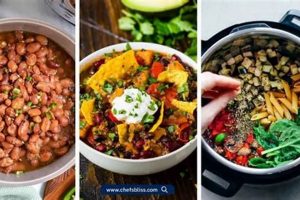
Legumes exhibit remarkable versatility in cooking. They can be incorporated into a wide array of dishes, from soups and stews to salads and side dishes. Lentils can be used to create hearty soups and stews, while chickpeas can be roasted for a snack or blended into hummus. Beans can be used in chili, tacos, or as a side dish. This culinary adaptability makes it easy to integrate legumes into a regular vegan diet without monotony.
- Affordability and Sustainability
Legumes are generally inexpensive compared to animal-based protein sources and many processed vegan alternatives. This affordability makes them accessible to individuals with varying budgetary constraints. Furthermore, legumes are considered a sustainable food source. They require less water and land to produce than animal products, and they can contribute to soil health through nitrogen fixation.
The consistent inclusion of diverse legumes in meal planning is a practical and effective strategy for ensuring adequate protein intake in a vegan diet. Their high protein content, rich nutritional profile, culinary versatility, affordability, and sustainability collectively underscore their central role in supporting the health and well-being of individuals adhering to plant-based dietary principles.
2. Soy-Based Staples
Soy-based staples play a crucial role in facilitating adequate protein intake within a vegan diet. Their inherent protein density, complete amino acid profile, and adaptability to various culinary applications make them indispensable components of high-protein vegan meal planning.
- Complete Protein Source
Soy-based products, such as tofu and tempeh, are classified as complete protein sources, meaning they contain all nine essential amino acids. This is significant because the human body cannot synthesize these amino acids and must obtain them through diet. Consuming complete proteins ensures that the body has the necessary building blocks for muscle repair, hormone production, and other vital functions.
- Versatile Culinary Applications
Tofu and tempeh exhibit a high degree of culinary versatility. Tofu, with its mild flavor, readily absorbs the flavors of marinades and sauces, making it suitable for stir-fries, scrambles, and grilled dishes. Tempeh, with its nutty and slightly fermented flavor, can be steamed, baked, or pan-fried and used in sandwiches, salads, or as a meat substitute in various recipes. This adaptability allows for creative and diverse high-protein vegan meals.
- Nutritional Benefits Beyond Protein
In addition to protein, soy-based foods offer other nutritional benefits. They are a good source of iron, calcium, and omega-3 fatty acids. Additionally, they contain isoflavones, which are plant compounds that may have antioxidant and anti-inflammatory properties. These nutrients contribute to overall health and well-being, complementing the protein content.
- Accessibility and Affordability
Tofu and tempeh are generally accessible in most grocery stores and are relatively affordable compared to animal-based protein sources. This makes them a practical option for individuals seeking to increase their protein intake on a budget. Their widespread availability also simplifies meal planning and reduces the reliance on specialized or hard-to-find ingredients.
In summary, the combination of complete protein content, culinary versatility, additional nutritional benefits, and accessibility renders soy-based staples essential for constructing effective high-protein vegan meals. Incorporating these foods strategically into a plant-based diet supports optimal protein intake and overall nutritional health.
3. Grains and Seeds

Grains and seeds, while often considered supplementary elements in dietary planning, represent integral components in the formulation of high-protein vegan meals. Their contribution, while not always as pronounced as that of legumes or soy products, is nonetheless significant, particularly when considered within a comprehensive nutritional strategy.
- Complementary Protein Sources
Many grains and seeds contain protein, albeit often in lower concentrations than legumes or soy. However, their amino acid profiles can complement those found in other plant-based protein sources. For instance, grains are typically richer in methionine, an amino acid that may be relatively limited in legumes. Combining grains and legumes, therefore, can contribute to a more complete amino acid profile across the entirety of a meal. Examples include quinoa, which contains a higher protein content than many other grains, and hemp seeds, which provide a complete protein source.
- Nutrient Density Beyond Protein
Grains and seeds contribute essential micronutrients and fiber to the diet. Fiber aids in satiety and digestive health, while various vitamins and minerals support overall bodily functions. Specific examples include the iron content of quinoa and the omega-3 fatty acids found in flaxseeds and chia seeds. These nutrients indirectly support the utilization of protein by ensuring the proper functioning of metabolic processes.
- Versatility in Meal Construction
Grains and seeds lend themselves to a wide range of culinary applications. They can be incorporated into breakfast cereals, salads, soups, and main courses. This versatility allows for the integration of these foods into diverse meal patterns, increasing the likelihood of consistent protein and nutrient intake. Examples include adding hemp seeds to a morning smoothie, incorporating quinoa into a lunch salad, or using whole-wheat bread to accompany a lentil soup.
- Considerations for Processing and Preparation
The degree of processing and the method of preparation can influence the nutritional value of grains and seeds. Whole, unprocessed grains and seeds generally retain more of their original nutrient content. Sprouting or soaking seeds can enhance their digestibility and nutrient availability. Refined grains, conversely, may offer less nutritional benefit. Selecting minimally processed options and employing appropriate preparation techniques can optimize the contribution of grains and seeds to a high-protein vegan meal.
The strategic incorporation of grains and seeds into vegan meal planning, with consideration for their complementary protein profiles, nutrient density, culinary versatility, and processing methods, serves to enhance the overall nutritional quality and protein content of plant-based diets. These food groups, when thoughtfully integrated, play a supporting role in meeting the protein needs of individuals following a vegan lifestyle.
4. Nutrient Combinations

The deliberate combination of nutrients is a pivotal strategy for optimizing protein intake within plant-based dietary frameworks. This approach acknowledges the inherent limitations of relying solely on individual plant-based foods to meet complete protein requirements and leverages synergistic interactions to enhance amino acid bioavailability and overall nutritional adequacy.
- Complementary Proteins: Mutual Enhancement
The concept of complementary proteins involves combining plant-based foods that, individually, lack one or more essential amino acids but, when consumed together, provide a complete profile. A classic example is the combination of legumes (beans, lentils) and grains (rice, quinoa). Legumes are typically lower in methionine but higher in lysine, while grains are often higher in methionine and lower in lysine. Consuming these foods within a reasonable timeframe, such as during the same day, ensures that the body receives all essential amino acids in sufficient quantities to support protein synthesis. This mutual enhancement is a fundamental principle in vegan nutrition.
- Vitamin C and Iron Absorption: Synergistic Interaction
Non-heme iron, the type of iron found in plant-based foods, is less readily absorbed than heme iron from animal sources. However, the presence of vitamin C significantly enhances the absorption of non-heme iron. Therefore, combining iron-rich plant foods, such as spinach or lentils, with vitamin C-rich foods, such as citrus fruits, bell peppers, or broccoli, can substantially improve iron bioavailability. This synergistic interaction addresses a common nutritional concern in vegan diets and contributes to overall health.
- Fats and Fat-Soluble Vitamins: Enhanced Bioavailability
Fat-soluble vitamins, including vitamins A, D, E, and K, require the presence of dietary fat for optimal absorption. Incorporating healthy fats, such as those found in avocados, nuts, seeds, or olive oil, into meals containing these vitamins enhances their bioavailability. For example, consuming a salad with leafy greens (vitamin K) and a dressing made with olive oil facilitates the absorption of vitamin K. This principle applies to various high-protein vegan meals, ensuring that the nutrients present are effectively utilized by the body.
- Enzyme Inhibitors and Preparation Techniques: Mitigating Factors
Some plant-based foods contain enzyme inhibitors that can interfere with protein digestion and nutrient absorption. Soaking or sprouting seeds, nuts, and legumes can reduce the activity of these inhibitors, thereby improving nutrient bioavailability. For example, soaking beans overnight before cooking can decrease the levels of phytic acid, an enzyme inhibitor that can bind to minerals and reduce their absorption. These preparation techniques represent a proactive approach to optimizing nutrient utilization in high-protein vegan meals.
The strategic application of nutrient combination principles is essential for maximizing the nutritional value of high-protein vegan meals. By understanding and leveraging synergistic interactions, individuals can ensure that their plant-based diets provide adequate levels of essential amino acids, vitamins, and minerals, supporting optimal health and well-being.
5. Calorie Density
Calorie density, defined as the number of calories per unit weight or volume of food, is a significant consideration when constructing high-protein vegan meals. It influences satiety, energy intake, and the overall nutritional profile of the diet. A comprehensive understanding of calorie density is crucial for achieving and maintaining optimal health on a plant-based regimen.
- Impact on Satiety
Foods with low calorie density, such as most fruits and vegetables, provide a high volume of food with relatively few calories. This promotes satiety and can assist in weight management. Conversely, high-calorie-density foods, like nuts, seeds, and oils, provide a concentrated source of calories in a smaller volume. High-protein vegan meals should ideally incorporate a balance of both low- and high-calorie-density foods to maximize satiety while ensuring adequate energy intake. For instance, a large salad with lentils and a handful of walnuts offers a combination of high-volume, low-calorie greens and a concentrated source of protein and healthy fats.
- Meeting Energy Needs
While low-calorie-density foods are beneficial for satiety, relying solely on them may make it challenging to meet overall energy needs, especially for individuals with higher activity levels or increased protein requirements. Integrating high-calorie-density plant-based foods, such as nut butters, avocados, or dried fruits, allows for efficient calorie consumption without drastically increasing the volume of food consumed. A smoothie containing spinach, berries, plant-based protein powder, and a tablespoon of almond butter exemplifies this approach, providing a balanced source of nutrients and calories.
- Nutritional Balance and Food Choices
Focusing solely on calorie density without considering nutritional composition can lead to an imbalanced diet. Certain high-calorie-density foods, such as processed vegan snacks, may be high in unhealthy fats, added sugars, or sodium. Prioritizing nutrient-dense, high-calorie options, such as nuts, seeds, and avocados, over processed alternatives is essential for promoting overall health. For example, opting for a homemade trail mix of nuts, seeds, and dried fruit instead of a commercially produced vegan snack bar ensures a greater intake of essential nutrients.
- Adapting to Individual Needs
The optimal calorie density balance varies depending on individual factors, such as activity level, metabolic rate, and weight goals. Individuals seeking to lose weight may benefit from emphasizing low-calorie-density foods to promote satiety and reduce overall calorie intake. Conversely, athletes or those aiming to gain muscle mass may need to incorporate a higher proportion of high-calorie-density foods to meet their increased energy and protein requirements. A tailored approach to calorie density is crucial for achieving individualized health and fitness goals within a high-protein vegan framework.
The interplay between calorie density and high-protein vegan meals is multifaceted, requiring careful consideration of satiety, energy needs, nutritional balance, and individual requirements. By strategically incorporating a mix of low- and high-calorie-density plant-based foods, individuals can construct nutritionally adequate and satisfying vegan diets that support their overall health and fitness objectives. For instance, a post-workout meal combining a protein-rich lentil soup with a side of avocado toast provides a blend of sustained energy, essential nutrients, and satisfying calories.
Frequently Asked Questions
The following addresses common inquiries regarding the attainment of adequate protein levels on a vegan diet, specifically through strategic meal planning and informed food choices. The information presented aims to dispel misconceptions and provide clarity on best practices for achieving nutritional sufficiency.
Question 1: How much protein is required on a vegan diet?
The recommended daily protein intake for adults is 0.8 grams per kilogram of body weight. This requirement remains consistent for vegans, although active individuals or those seeking muscle gain may require higher levels, potentially ranging from 1.2 to 2.0 grams per kilogram of body weight. Individual needs should be assessed in consultation with a registered dietitian or healthcare professional.
Question 2: What are the best plant-based sources of protein?
Excellent plant-based protein sources include legumes (lentils, beans, chickpeas), soy products (tofu, tempeh, edamame), quinoa, hemp seeds, chia seeds, nuts, and seeds. A diverse intake of these foods ensures a complete amino acid profile and adequate protein consumption.
Question 3: Is it necessary to combine complementary proteins at every meal?
While combining complementary proteins within the same meal was previously emphasized, current understanding suggests that consuming a variety of plant-based protein sources throughout the day is sufficient to meet amino acid requirements. The body maintains an amino acid pool that can be utilized even if complementary proteins are not consumed simultaneously.
Question 4: Can vegan diets adequately support athletic performance and muscle growth?
Yes, well-planned vegan diets can effectively support athletic performance and muscle growth. Achieving adequate protein intake, consuming sufficient calories, and ensuring optimal nutrient timing are critical factors. Vegan athletes may benefit from supplementing with vegan protein powders to meet higher protein needs.
Question 5: Are there any potential downsides to consuming large amounts of soy?
Moderate consumption of soy is generally considered safe and beneficial for most individuals. However, individuals with specific allergies or sensitivities should avoid soy products. Concerns about soy and hormone disruption are largely unfounded, as studies have not demonstrated significant adverse effects from moderate soy consumption. Excessive intake, however, should be avoided.
Question 6: What are some practical tips for increasing protein intake on a vegan diet?
Practical tips include incorporating legumes into daily meals, using tofu or tempeh as a primary protein source, adding nuts and seeds to snacks and meals, utilizing vegan protein powders to supplement intake, and planning meals in advance to ensure adequate protein consumption.
In summary, achieving sufficient protein intake on a vegan diet is readily attainable through informed food choices, strategic meal planning, and an awareness of individual protein requirements. Prioritizing whole, unprocessed plant-based protein sources is paramount for optimal health and well-being.
The subsequent section will explore specific recipes and meal planning strategies to further enhance the practical application of high-protein vegan principles.
High Protein Vegan Meals
This exploration has elucidated the practical strategies and essential considerations for constructing high protein vegan meals. From prioritizing legumes and soy-based staples to understanding nutrient combinations and calorie density, the principles outlined provide a comprehensive framework for meeting protein requirements within a plant-based dietary regimen. The importance of informed food choices and strategic meal planning has been consistently underscored.
Adhering to these guidelines offers a path toward nutritional adequacy and optimal health for individuals pursuing a vegan lifestyle. Continued research and education in plant-based nutrition remain crucial for refining dietary recommendations and addressing evolving nutritional needs within the vegan community. The commitment to informed choices facilitates a sustainable and healthful approach to veganism.