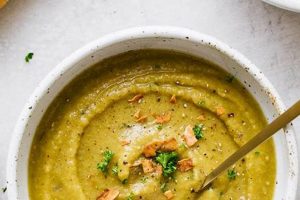
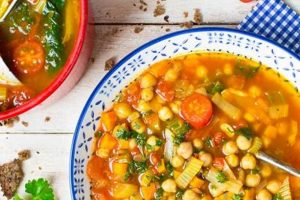
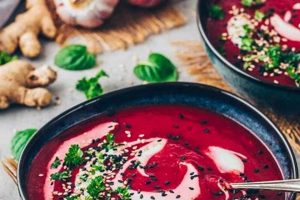
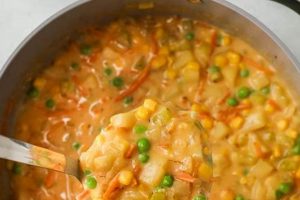
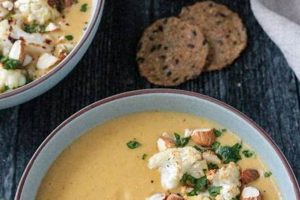
Plant-based culinary creations designed to deliver a substantial amount of protein, while adhering to vegan principles, are gaining prominence. These meals typically feature a liquid base combined with legumes, grains, nuts, seeds, and/or vegetables recognized for their protein density. A lentil-based broth with added quinoa and chopped spinach exemplifies this nutritional approach.
The inclusion of ample protein in a plant-based diet provides numerous benefits. Protein contributes to satiety, aiding in weight management, and supports muscle maintenance and repair. Historically, relying solely on plant sources for complete protein intake required careful food combining; however, modern understanding acknowledges that a varied vegan diet, rich in diverse protein sources, sufficiently meets nutritional needs.
The following sections will explore specific ingredients, preparation techniques, and recipe ideas that contribute to creating nutritionally complete and satisfying meals of this kind. Consideration will also be given to factors influencing protein absorption and bioavailability from plant-based ingredients.
Enhancing the Protein Content of Plant-Based Broths
Optimizing the protein levels in vegetable-based broths requires strategic ingredient selection and preparation. The subsequent guidance outlines methods to maximize the nutritional profile of such dishes.
Tip 1: Incorporate Legumes Liberally: Lentils, chickpeas, and beans are prime sources of plant-based protein. Pre-soaking and thorough cooking enhance digestibility and nutrient absorption. Example: Red lentils disintegrate easily, thickening the broth while contributing a substantial protein boost.
Tip 2: Add Grains Rich in Protein: Quinoa, amaranth, and buckwheat provide both protein and essential amino acids. Toasting these grains lightly before adding them to the broth can enhance their flavor and texture.
Tip 3: Include Nuts and Seeds: Hemp seeds, chia seeds, and pumpkin seeds offer concentrated protein and healthy fats. Blend these into the broth near the end of cooking to preserve their nutritional value. Example: Add a tablespoon of hemp seeds per serving for a significant protein increase.
Tip 4: Fortify with Tofu or Tempeh: Cubed tofu or tempeh can be added to the broth for a substantial protein boost. Marinating these soy products beforehand adds flavor and improves texture.
Tip 5: Utilize Nutritional Yeast: This deactivated yeast provides a cheesy flavor and is a complete protein source. Sprinkle it into the broth during the final stages of cooking.
Tip 6: Prioritize Dark Leafy Greens: Spinach, kale, and collard greens offer more than just vitamins and minerals; they also contribute to the overall protein content. Add these towards the end of cooking to retain their nutrients.
Tip 7: Consider Protein Powders: Unflavored or savory plant-based protein powders can be seamlessly integrated. Ensure the powder is thoroughly mixed to avoid clumping and maintain a smooth consistency.
By implementing these strategies, individuals can significantly enhance the protein content of their vegetable-based broths, ensuring a nutritionally balanced and satisfying meal. Careful planning and ingredient selection are crucial for maximizing both flavor and nutritional benefits.
The subsequent section will address specific recipes and practical applications of these guidelines.
1. Legumes' Protein Contribution

Legumes form a cornerstone of high protein vegan soups, providing a substantial portion of the dish’s overall protein content. Their diverse amino acid profiles, when combined with other plant-based ingredients, contribute to a complete and balanced protein source. This connection is vital for individuals seeking to meet their protein requirements through vegan dietary choices.
- Protein Density and Varieties
Legumes, including lentils, beans (kidney, black, pinto, etc.), chickpeas, and peas, exhibit a higher protein concentration compared to many other plant-based foods. Different legume varieties offer varying protein levels and amino acid compositions, allowing for culinary flexibility in creating protein-rich soups.
- Amino Acid Profile and Complementarity
While legumes are generally rich in lysine, they are often lower in methionine and cysteine. Combining them with grains, which are higher in these amino acids, creates a more complete amino acid profile. This complementarity is crucial for optimal protein utilization within the body. High protein vegan soups often incorporate grains like quinoa, brown rice, or barley to achieve this balance.
- Digestibility Considerations and Preparation Techniques
The presence of anti-nutritional factors in raw legumes can hinder protein digestion and absorption. Soaking, sprouting, and thorough cooking are essential preparation techniques that reduce these factors and improve digestibility. Proper preparation enhances the protein’s bioavailability, maximizing its nutritional impact within the soup.
- Fiber Content and Satiety
Beyond protein, legumes are also rich in dietary fiber. This high fiber content contributes to increased satiety, making legume-based soups a filling and satisfying meal. The combination of protein and fiber promotes sustained energy levels and helps manage appetite, supporting weight management goals.
The effective utilization of legumes in high protein vegan soups hinges on understanding their protein density, amino acid profiles, digestibility factors, and fiber content. Employing appropriate preparation techniques to enhance digestibility and strategically combining legumes with other plant-based protein sources are essential for creating a nutritionally complete and satisfying culinary experience.
2. Amino Acid Complementarity

Amino acid complementarity constitutes a fundamental consideration in the formulation of high protein vegan soups. Plant-based proteins often lack one or more essential amino acids in sufficient quantities to meet human nutritional requirements. Therefore, strategic combinations of various plant protein sources are necessary to achieve a complete amino acid profile.
- Understanding Limiting Amino Acids
Plant-based protein sources typically have one or more limiting amino acids, meaning they are present in lower amounts relative to human needs. Legumes, for instance, tend to be limited in methionine and cysteine, while grains may be limited in lysine. Identifying these limiting amino acids is crucial for effective food combining.
- Strategic Food Combinations
High protein vegan soups leverage the principle of amino acid complementarity by combining plant foods with complementary amino acid profiles. A soup featuring lentils (limited in methionine and cysteine) and brown rice (containing higher levels of these amino acids) exemplifies this strategy, resulting in a more complete protein source than either ingredient alone.
- Impact on Protein Utilization
When essential amino acids are present in adequate proportions, the body can efficiently utilize protein for various physiological functions, including muscle synthesis, enzyme production, and immune system support. Soups formulated with amino acid complementarity in mind enhance protein utilization, maximizing the nutritional benefits derived from the plant-based ingredients.
- Practical Considerations in Recipe Development
Developing recipes for high protein vegan soups necessitates a deliberate approach to ingredient selection, prioritizing combinations that provide a broad spectrum of amino acids. Including a variety of legumes, grains, seeds, and vegetables ensures a diverse nutrient profile and contributes to amino acid complementarity. Furthermore, precise portioning helps optimize the balance of amino acids within each serving.
The successful design and execution of high protein vegan soups hinge on a thorough understanding of amino acid complementarity. By combining plant-based protein sources with complementary amino acid profiles, it becomes possible to create nutritionally complete meals that support overall health and well-being. The principles outlined above serve as a guide for optimizing the protein quality of these culinary creations.
3. Digestibility Enhancement Methods

Digestibility enhancement methods play a crucial role in maximizing the nutritional benefits derived from high protein vegan soups. Plant-based ingredients, while rich in protein and other nutrients, often contain compounds that can hinder digestion and nutrient absorption. Employing specific techniques mitigates these effects, optimizing the bioavailability of protein and other essential nutrients within the soup.
- Soaking Legumes: Reducing Phytates and Tannins
Legumes, a primary protein source in vegan soups, contain phytates and tannins that can bind to minerals and inhibit their absorption. Soaking legumes for an extended period before cooking significantly reduces the levels of these anti-nutritional factors. This process allows for improved mineral absorption and enhances protein digestibility. For example, soaking beans overnight before adding them to a vegan chili increases the bioavailability of iron and zinc.
- Sprouting Grains and Seeds: Activating Enzymes
Sprouting grains and seeds initiates enzymatic activity, breaking down complex carbohydrates and proteins into more easily digestible forms. This process increases the bioavailability of nutrients and reduces the presence of enzyme inhibitors. Incorporating sprouted lentils or quinoa into a vegan soup enhances its digestibility and nutritional value.
- Cooking Techniques: Denaturing Proteins and Softening Fibers
Proper cooking denatures proteins, making them more accessible to digestive enzymes. Additionally, cooking softens plant fibers, reducing their potential to cause digestive discomfort. Overcooking, however, can destroy certain vitamins, so maintaining a balance is important. Simmering ingredients for an appropriate duration ensures optimal protein digestion and fiber breakdown in vegan soups.
- Enzyme Supplementation: Assisting Digestion
In certain cases, individuals may benefit from the addition of digestive enzymes to their diet. Enzymes like amylase, protease, and lipase can aid in the breakdown of carbohydrates, proteins, and fats, respectively. While not always necessary, enzyme supplementation may be beneficial for those with compromised digestive function or those consuming large quantities of plant-based protein. Adding a digestive enzyme blend to a high-protein vegan soup can alleviate digestive discomfort and improve nutrient absorption.
In summary, the effectiveness of high protein vegan soups hinges not only on the quantity of protein present but also on its digestibility and bioavailability. Employing methods such as soaking, sprouting, proper cooking techniques, and, when necessary, enzyme supplementation, optimizes the nutritional benefits derived from these plant-based meals. These techniques contribute to improved protein digestion, enhanced mineral absorption, and reduced digestive discomfort, making high protein vegan soups a more viable and beneficial dietary option.
4. Nutrient Bioavailability Factors

The nutritional value of high protein vegan soups is critically influenced by nutrient bioavailability factors, which dictate the proportion of ingested nutrients that are absorbed and utilized by the body. The simple presence of protein or other essential nutrients in a soup does not guarantee their effective uptake. Several intrinsic and extrinsic factors interact to determine the extent to which nutrients are made available for physiological processes. One prominent example is the presence of phytates in legumes, which can bind to minerals like iron and zinc, reducing their absorbability. The method of preparation, such as soaking or sprouting legumes, can significantly reduce phytate content, thereby increasing mineral bioavailability from the soup. Consequently, a soup prepared with unsoaked legumes, despite having a high mineral content on paper, may deliver a smaller proportion of usable nutrients to the consumer.
Further considerations encompass the interaction of nutrients within the soup matrix. Vitamin C, for instance, enhances iron absorption, particularly non-heme iron found in plant-based sources. Combining iron-rich ingredients like spinach or lentils with vitamin C-rich vegetables such as bell peppers or tomatoes can substantially improve iron uptake from the soup. Conversely, the presence of calcium can inhibit iron absorption, highlighting the need for careful ingredient selection and portion control. Cooking methods also play a pivotal role; prolonged cooking can degrade certain vitamins, reducing their bioavailability, while proper cooking denatures proteins, making them more digestible and increasing the bioavailability of amino acids. Therefore, the overall nutrient profile of a high protein vegan soup is not merely the sum of its individual components but a complex interplay of factors influencing how efficiently those nutrients are absorbed and utilized.
In conclusion, understanding nutrient bioavailability factors is paramount for optimizing the nutritional impact of high protein vegan soups. While high protein content is a key consideration, focusing solely on quantity without addressing bioavailability can lead to suboptimal nutrient intake. By employing preparation techniques like soaking and sprouting, strategically combining ingredients to enhance nutrient interactions, and employing appropriate cooking methods, individuals can create high protein vegan soups that are not only rich in essential nutrients but also designed to maximize their absorption and utilization. The practical significance of this understanding lies in the ability to formulate plant-based meals that effectively meet nutritional needs and support overall health, particularly for individuals relying on vegan diets.
5. Ingredient Sourcing Variations

Ingredient sourcing variations exert a considerable influence on the nutritional profile, environmental impact, and overall quality of high protein vegan soups. The origin and procurement methods of key ingredients significantly affect the soup’s protein content, micronutrient density, and sustainability.
- Legume Cultivation Practices
Legumes, a primary protein source, exhibit varying protein levels and nutrient profiles depending on cultivation practices. Organically grown legumes, for instance, may contain higher levels of certain micronutrients compared to conventionally grown varieties. The environmental impact of legume cultivation also varies; sustainable farming practices reduce soil erosion and minimize the use of synthetic fertilizers and pesticides, contributing to a more environmentally friendly soup. Examples include choosing lentils from farms employing crop rotation or sourcing beans directly from local growers committed to sustainable agriculture.
- Grain and Seed Origins
The source of grains and seeds used in high protein vegan soups impacts their nutritional value and environmental footprint. Locally sourced, heirloom grains and seeds often possess superior flavor and nutrient profiles compared to mass-produced varieties. Furthermore, supporting local farmers reduces transportation costs and carbon emissions. Selecting quinoa from fair-trade sources ensures equitable compensation for farmers in developing countries and promotes sustainable agricultural practices.
- Vegetable Procurement Methods
The method of procuring vegetables influences their freshness, nutrient content, and environmental impact. Sourcing vegetables from local farmers’ markets or community-supported agriculture (CSA) programs provides access to seasonal produce that is typically fresher and more nutrient-dense than vegetables sourced from distant locations. Moreover, supporting local agriculture strengthens local economies and reduces reliance on industrial farming practices.
- Water and Broth Quality
The quality of water and broth used in preparing high protein vegan soups can significantly impact their overall flavor and nutritional value. Using filtered water removes impurities and contaminants that can affect the taste and quality of the soup. Homemade vegetable broth, prepared with fresh, high-quality vegetables, provides a richer flavor and greater nutritional content compared to commercially produced broth. Sourcing spring water or using a high-quality water filter enhances the overall quality and healthfulness of the soup.
The aforementioned factors demonstrate the multifaceted relationship between ingredient sourcing variations and the quality of high protein vegan soups. By consciously selecting ingredients from sustainable, local, and ethical sources, individuals can create soups that are not only nutritious and delicious but also environmentally responsible and supportive of local communities. These sourcing choices influence the overall character and value of the final product, extending beyond simple nutritional considerations.
6. Culinary Preparation Techniques

Culinary preparation techniques significantly influence the flavor, texture, nutritional value, and overall digestibility of high protein vegan soups. The application of specific methods directly impacts the bioavailability of nutrients, the palatability of ingredients, and the efficiency of protein extraction from plant-based sources. Thoughtful consideration of these techniques is essential for creating both nutritious and appealing vegan soups.
- Pre-Soaking and Sprouting
Pre-soaking legumes and sprouting grains or seeds reduces phytic acid content, which inhibits mineral absorption. This technique enhances the bioavailability of iron, zinc, and calcium, improving the nutritional profile of the soup. For instance, soaking lentils overnight before cooking increases the absorption of iron. Sprouting quinoa activates enzymes that break down complex carbohydrates, facilitating digestion.
- Sauting and Roasting
Sauting vegetables before adding them to the soup base develops flavor through caramelization, enhancing the overall palatability of the dish. Roasting vegetables concentrates their flavors and creates a depth of taste that is often lacking in simply boiled vegetables. Sauting onions, garlic, and celery in olive oil before adding them to a lentil soup provides a richer, more complex flavor profile. Roasting butternut squash before pureeing it into a soup adds sweetness and depth.
- Blending and Pureeing
Blending or pureeing a portion of the soup creates a creamy texture without the need for dairy products. This technique also increases the surface area of the ingredients, making nutrients more accessible for digestion. A portion of a white bean soup can be blended to achieve a smooth, velvety consistency. Pureeing roasted vegetables into a soup thickens the broth and enhances the flavors.
- Seasoning and Herb Infusion
Proper seasoning enhances the flavor of high protein vegan soups, making them more appealing and satisfying. Herbs and spices not only add flavor but also provide antioxidants and other beneficial compounds. Infusing the broth with herbs, such as thyme, rosemary, or bay leaf, adds depth and complexity to the flavor. Adding a touch of lemon juice or vinegar brightens the flavors and balances the richness of the soup.
The effective application of these culinary preparation techniques transforms basic plant-based ingredients into nutritionally complete and flavorful high protein vegan soups. Attention to detail in each step, from ingredient preparation to final seasoning, contributes to a superior culinary outcome. The selection and execution of these techniques are paramount in maximizing both the nutritional value and palatability of these dishes.
Frequently Asked Questions
The following questions address common concerns and misconceptions regarding the formulation and nutritional value of high protein vegan soups. These answers aim to provide clarity and inform dietary choices.
Question 1: Are high protein vegan soups nutritionally complete without animal products?
A carefully formulated high protein vegan soup can be nutritionally complete. This requires combining diverse plant-based protein sources to ensure a full spectrum of essential amino acids, along with attention to micronutrient intake.
Question 2: What are the primary sources of protein in such soups?
Common protein sources include legumes (lentils, beans, chickpeas), grains (quinoa, amaranth), seeds (hemp, chia), and soy products (tofu, tempeh). The selection and combination of these ingredients significantly influence the soup’s overall protein content.
Question 3: Can these soups provide sufficient protein for individuals with high protein requirements, such as athletes?
Yes, provided the soup is strategically designed to maximize protein density and consumed in appropriate quantities. Careful planning and portion control are essential to meet elevated protein needs.
Question 4: How can digestibility be optimized in high protein vegan soups?
Employing techniques such as soaking legumes, sprouting grains, and thoroughly cooking ingredients can significantly improve digestibility. These methods reduce anti-nutritional factors and enhance nutrient bioavailability.
Question 5: Are there any potential downsides to consuming high protein vegan soups?
Potential downsides include digestive discomfort from high fiber content (addressed through preparation techniques) and the need for careful ingredient selection to avoid nutrient deficiencies common in poorly planned vegan diets.
Question 6: How do high protein vegan soups compare to non-vegan protein sources in terms of cost and environmental impact?
Generally, plant-based protein sources used in vegan soups are more cost-effective and have a lower environmental impact compared to animal-based protein sources. This contributes to both economic and ecological benefits.
In summary, high protein vegan soups represent a viable dietary option for individuals seeking plant-based protein sources. Careful planning, attention to preparation techniques, and a focus on diverse ingredient selection are crucial for maximizing their nutritional benefits.
The next section will delve into specific recipe ideas and practical applications of the concepts discussed.
Conclusion
This exploration has elucidated the multifaceted nature of high protein vegan soups. The significance of strategic ingredient selection, meticulous preparation techniques, and a comprehensive understanding of nutrient bioavailability has been established. Formulating nutritionally complete meals requires careful consideration of amino acid profiles, digestibility factors, and potential ingredient sourcing variations.
The information presented serves as a foundation for individuals seeking to incorporate plant-based protein sources into their diets effectively. Continued research and refined culinary practices will further optimize the nutritional value and accessibility of these meals, reinforcing their role in sustainable and health-conscious dietary choices.