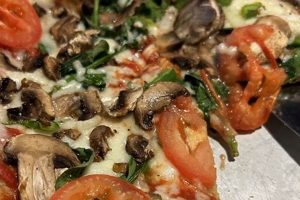
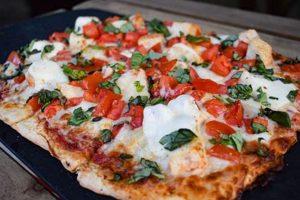
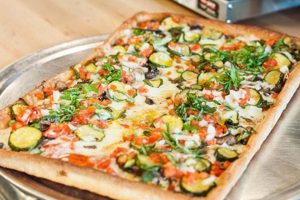
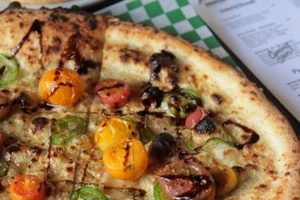
Plant-based diets, while beneficial for health and ethical considerations, often necessitate careful planning to ensure adequate protein intake. A pizza option formulated without animal products, yet designed to provide a substantial amount of protein per serving, addresses this concern. Such a food item might incorporate ingredients like soy-based cheese alternatives, lentil flour crusts, or toppings derived from beans and legumes to boost its protein content.
Prioritizing protein within plant-based cuisine is crucial for muscle maintenance, satiety, and overall nutritional balance. This approach appeals to individuals seeking to align their dietary choices with both vegan principles and fitness goals. Historically, vegan diets were perceived as potentially lacking in protein; however, innovations in food technology and recipe development have demonstrated the feasibility of creating protein-rich vegan meals. This advancement empowers individuals to enjoy familiar comfort foods while adhering to their chosen lifestyle.
The subsequent sections will delve into specific ingredients that can contribute to increased protein levels in plant-based pizza, explore the nutritional advantages of such a meal, and examine various methods for its preparation, whether homemade or commercially produced.
Tips for Maximizing Protein in Plant-Based Pizza
The following recommendations aim to provide practical strategies for enhancing the protein content of pizza formulated without animal products. These suggestions focus on ingredient selection and preparation methods to optimize nutritional value.
Tip 1: Utilize Legume-Based Crusts. Replace traditional wheat-based dough with alternatives crafted from lentil, chickpea, or bean flours. These flours offer significantly higher protein concentrations compared to standard pizza dough.
Tip 2: Incorporate Soy-Based Cheese Alternatives. Select mozzarella or ricotta substitutes made from soybeans. Soy products are complete proteins, providing all essential amino acids necessary for human health.
Tip 3: Add Protein-Rich Toppings. Include ingredients such as crumbled tempeh, marinated tofu, or black beans as pizza toppings. These additions contribute a substantial amount of protein per serving.
Tip 4: Sprinkle with Nutritional Yeast. Nutritional yeast not only imparts a cheesy flavor but also provides a source of protein and B vitamins. Sprinkle generously over the pizza before baking.
Tip 5: Employ Seed-Based Pesto. Create a pesto sauce using hemp seeds or pumpkin seeds instead of pine nuts. These seeds are rich in protein and healthy fats, enhancing the nutritional profile of the pizza.
Tip 6: Supplement with Plant-Based Protein Powder. Incorporate a small amount of unflavored plant-based protein powder into the pizza sauce or crust dough to further increase protein content. Ensure the powder is well-mixed to avoid altering the texture.
These techniques offer effective methods for increasing the protein density of plant-based pizza, contributing to a more balanced and satisfying meal. Prioritizing these strategies allows for the creation of nutritionally complete and palatable vegan options.
The subsequent section will address common misconceptions regarding plant-based diets and protein, providing evidence-based information to dispel these myths.
1. Crust Composition

Crust composition is a primary determinant in achieving a pizza formulated without animal products that delivers substantial protein. Traditional wheat-based crusts offer minimal protein; therefore, alternative formulations are essential to meet the demands of a high-protein vegan diet.
- Legume-Based Flours
Flours derived from lentils, chickpeas, or beans provide a significantly higher protein concentration compared to conventional wheat flour. These alternatives introduce essential amino acids often lacking in plant-based diets. For example, a crust made with chickpea flour can contribute twice the protein of a standard wheat crust, making it a viable option for those seeking to increase their protein intake.
- Whole Grain Blends with Protein Isolates
Combining whole grain flours, such as spelt or quinoa, with isolated plant proteins, like soy or pea protein, increases the overall protein content without compromising the structural integrity of the crust. This approach allows for a more palatable texture while enhancing the nutritional profile. The addition of protein isolates ensures a more complete amino acid profile, improving the biological value of the protein.
- Seed-Enriched Dough
Incorporating seeds such as flax, chia, or sunflower seeds into the dough matrix not only increases the protein content but also adds valuable micronutrients and fiber. Seeds provide a textural element while enhancing the overall nutritional density of the pizza crust. For instance, flax seeds contribute omega-3 fatty acids and lignans, beneficial for cardiovascular health, alongside a modest increase in protein.
The strategic selection of crust ingredients directly influences the protein content and nutritional value of vegan pizza. By prioritizing legume-based flours, incorporating protein isolates, or enriching the dough with seeds, individuals can effectively elevate the protein levels of their plant-based pizza, creating a more balanced and satisfying meal option.
2. Cheese Alternatives

The selection of cheese alternatives is paramount in determining whether a plant-based pizza can be classified as “high protein.” Traditional dairy-based cheeses are inherently protein-rich, necessitating careful substitution to maintain a comparable nutritional profile in a vegan formulation. The impact of this choice is direct: a low-protein cheese alternative will invariably result in a lower overall protein content for the finished pizza. Examples of high-protein cheese alternatives include those derived from soy, such as tofu-based ricotta or mozzarella analogs. These soy-based products offer a complete amino acid profile, mirroring the nutritional benefits of their dairy counterparts. Furthermore, the use of nutritional yeast, while not strictly a cheese alternative, can contribute to both the cheesy flavor and protein content of the pizza.
The protein content of cheese alternatives can vary widely, underscoring the need for careful evaluation. Alternatives based on nuts or starches often contain significantly less protein than soy-based options. Therefore, recipes for high-protein vegan pizza frequently prioritize ingredients like firm tofu or textured vegetable protein (TVP), processed to mimic the texture and flavor of cheese. The integration of these ingredients demands specific preparation techniques to ensure they melt and brown appropriately, contributing to the overall palatability of the pizza. For example, pressing tofu removes excess water, allowing it to absorb flavors and brown effectively in the oven.
Ultimately, the role of cheese alternatives in a high-protein plant-based pizza is pivotal. The conscientious selection of soy-based products or other protein-rich ingredients is critical to achieving a nutritionally balanced and satisfying meal. The challenges lie in balancing protein content with flavor, texture, and cost-effectiveness, but the practical significance of a successful high-protein vegan pizza lies in providing a more nutritionally complete and appealing option for individuals adhering to a plant-based diet.
3. Protein-Rich Toppings

Protein-rich toppings serve as a critical component in the formulation of plant-based pizza with elevated protein content. The selection of toppings directly influences the overall nutritional profile, particularly the protein levels, of the final product. A pizza base and cheese alternative alone may not provide sufficient protein to meet the requirements of individuals seeking a high-protein meal; therefore, strategic topping choices are essential. For example, adding marinated and baked tempeh slices to a vegan pizza contributes a significant quantity of protein and a firm, meaty texture. Similarly, lentils, black beans, or chickpeas, pre-cooked and seasoned, can be distributed across the pizza surface to enhance its protein content without significantly altering the flavor profile. The absence of such protein-rich additions would invariably result in a product that fails to meet the nutritional criteria associated with a high-protein designation.
Furthermore, the integration of protein-rich toppings extends beyond mere protein augmentation. These toppings often provide additional nutritional benefits, such as fiber, vitamins, and minerals, contributing to a more well-rounded and health-promoting meal. Consider the inclusion of edamame or shelled hemp seeds; these ingredients not only boost protein levels but also introduce essential fatty acids and micronutrients. The practical application of this understanding lies in the ability to create plant-based pizza options that are both palatable and nutritionally complete. Manufacturers and home cooks alike can leverage this knowledge to develop recipes that cater to the growing demand for protein-rich vegan foods. Certain vegetables, such as spinach and mushrooms, contain amino acids that improve the whole pizza.
In summary, protein-rich toppings are indispensable for achieving a plant-based pizza that effectively delivers elevated protein levels. The strategic selection and incorporation of ingredients like tempeh, lentils, and legumes are crucial for both nutritional enhancement and palatability. While challenges may exist in balancing flavor profiles and ensuring textural compatibility, the benefits of prioritizing protein-rich toppings are undeniable in creating a truly satisfying and nutritionally sound vegan pizza option.
4. Amino Acid Profile

The amino acid profile of a pizza formulated without animal products, yet designed to be high in protein, dictates its nutritional value and ability to support human health. The term “amino acid profile” refers to the composition of the nine essential amino acids and the non-essential amino acids present in a given food source. For a vegan pizza to be considered a viable source of protein, its amino acid composition must be sufficient to meet the body’s requirements for these vital nutrients. This consideration extends beyond mere protein quantity; the quality of the protein, as defined by its amino acid makeup, is equally critical.
- Completeness of Protein Sources
Certain plant-based protein sources are considered “complete proteins,” meaning they contain all nine essential amino acids in adequate proportions. Soy-based ingredients, such as tofu or tempeh, typically offer complete protein profiles. Incorporating these ingredients into the pizza’s cheese alternative or toppings can significantly enhance its nutritional value. In contrast, many other plant-based proteins are “incomplete,” lacking sufficient amounts of one or more essential amino acids. A pizza relying solely on incomplete protein sources may not provide optimal nutritional support.
- Complementary Protein Combining
To compensate for the limitations of incomplete protein sources, it is often necessary to combine different plant-based ingredients to create a more balanced amino acid profile. This principle, known as “complementary protein combining,” involves pairing foods that provide different essential amino acids to collectively supply all the body’s needs. For instance, combining a crust made from whole wheat flour (limiting in lysine) with toppings containing lentils (rich in lysine) can create a more complete amino acid profile than either ingredient alone. The effective application of complementary protein combining requires careful planning and a thorough understanding of the amino acid content of various plant-based foods.
- Bioavailability of Amino Acids
The bioavailability of amino acids refers to the extent to which the body can absorb and utilize the amino acids present in a food source. Factors such as processing methods, cooking techniques, and the presence of antinutritional factors can influence amino acid bioavailability. For example, soaking and cooking legumes can improve the bioavailability of their amino acids by reducing the levels of phytic acid, which can inhibit absorption. Consequently, the preparation methods employed in creating a high-protein vegan pizza can significantly impact its overall nutritional value, even if the ingredients themselves have favorable amino acid profiles.
- Impact on Muscle Synthesis and Repair
The amino acid profile of a high-protein vegan pizza directly affects its ability to support muscle synthesis and repair. Essential amino acids, particularly leucine, play a crucial role in stimulating muscle protein synthesis. A pizza with a well-balanced amino acid profile, containing sufficient amounts of leucine and other essential amino acids, can contribute to muscle growth and maintenance, particularly in individuals engaging in physical activity. Conversely, a pizza lacking in essential amino acids may be less effective in supporting muscle recovery and adaptation. Therefore, the amino acid profile is a key consideration for athletes and fitness enthusiasts seeking to incorporate high-protein vegan pizza into their diets.
In conclusion, the amino acid profile is a fundamental determinant of the nutritional quality of high-protein vegan pizza. The completeness of protein sources, the strategic application of complementary protein combining, the bioavailability of amino acids, and the impact on muscle protein synthesis collectively define the pizza’s ability to serve as a viable source of protein for individuals following a plant-based diet. The careful attention to these factors is essential for creating a product that not only provides adequate protein but also supports overall health and well-being.
5. Nutritional Bioavailability

Nutritional bioavailability, the extent to which nutrients are absorbed and utilized by the body, is a critical factor determining the effectiveness of a high-protein vegan pizza as a protein source. While a vegan pizza may be formulated with ingredients rich in protein, the actual amount of protein the body can access and use is contingent upon the bioavailability of those proteins.
- Impact of Food Processing
Food processing techniques, such as cooking and fermentation, can significantly influence protein bioavailability. Cooking, for instance, can denature proteins, making them more accessible to digestive enzymes. Fermentation, employed in the production of tempeh or certain cheese alternatives, can break down complex proteins into simpler amino acids, enhancing their absorption. Conversely, excessive heat or harsh processing methods may damage proteins, reducing their bioavailability. In the context of plant-based pizza, the method of preparing ingredients such as lentils or beans can substantially affect the amount of protein the body derives from them.
- Role of Anti-Nutritional Factors
Many plant-based foods contain anti-nutritional factors, such as phytates and tannins, which can bind to proteins and minerals, inhibiting their absorption. Soaking, sprouting, or fermenting grains, legumes, and seeds before incorporating them into pizza ingredients can reduce the levels of these compounds, thereby improving the bioavailability of protein. For example, soaking nuts and seeds before adding them as toppings can increase the amount of protein the body can utilize. In a high-protein vegan pizza, the presence of anti-nutritional factors in the crust or toppings could limit the effectiveness of the protein content.
- Influence of Food Matrix
The food matrix, or the structural and compositional characteristics of a food, affects the rate and extent of nutrient release during digestion. The presence of fiber, fat, or other macronutrients can influence the bioavailability of proteins. For instance, consuming plant-based pizza with a moderate amount of healthy fats, such as those from avocado or olive oil, may enhance the absorption of certain amino acids. A carefully designed vegan pizza will consider the interactions between different ingredients to optimize protein bioavailability, ensuring the body can effectively use the nutrients provided.
- Individual Variability
Individual factors, such as age, gut health, and digestive enzyme activity, also play a significant role in determining protein bioavailability. Individuals with compromised digestive systems may have difficulty breaking down and absorbing proteins from plant-based sources. Therefore, a high-protein vegan pizza may be more beneficial for some individuals than others, depending on their individual health status. Considerations for enhancing digestion, such as incorporating probiotic-rich foods or digestive enzymes, may further improve protein bioavailability in this context.
In conclusion, the formulation of a high-protein vegan pizza must account for the complexities of nutritional bioavailability to ensure that the promised protein content translates into actual nutritional benefit. The choice of ingredients, processing methods, and consideration of individual factors are all critical in maximizing the amount of protein the body can absorb and utilize. Only through a comprehensive understanding of these factors can a truly effective high-protein vegan pizza be created.
Frequently Asked Questions
The following questions and answers address common inquiries regarding plant-based pizza formulated to deliver elevated protein content. These responses aim to provide clarity and dispel misconceptions surrounding this food option.
Question 1: What constitutes a “high protein” designation for plant-based pizza?
A high protein designation requires the pizza to provide a significantly greater protein content per serving than standard vegan pizza options. Specific thresholds may vary depending on dietary guidelines, but generally, it should offer at least 20 grams of protein per serving to be considered a substantial source.
Question 2: Are the protein sources used in plant-based pizza complete proteins?
The completeness of protein sources varies depending on the ingredients. Soy-based cheese alternatives and toppings like tempeh offer complete proteins, containing all essential amino acids. Other plant-based ingredients may require strategic combination to ensure a complete amino acid profile.
Question 3: How does the protein content of plant-based pizza compare to traditional dairy-based pizza?
The protein content can be comparable, depending on the specific formulation. However, careful ingredient selection is crucial to achieve protein levels equivalent to those found in pizzas made with dairy cheese and meat toppings.
Question 4: What are the primary ingredients contributing to the elevated protein content?
Key ingredients include legume-based crusts (e.g., chickpea flour), soy-based cheese alternatives (e.g., tofu ricotta), and protein-rich toppings (e.g., lentils, tempeh, black beans). These ingredients are strategically chosen to maximize protein levels while maintaining a palatable flavor profile.
Question 5: Is the protein in plant-based pizza readily digestible and bioavailable?
Digestibility and bioavailability depend on several factors, including food processing techniques, the presence of anti-nutritional factors, and individual digestive health. Soaking, sprouting, and cooking methods can enhance protein bioavailability. Strategic planning is often very important for digestive system.
Question 6: Can individuals with soy allergies safely consume high protein vegan pizza?
Individuals with soy allergies should exercise caution and carefully review ingredient lists. Many high-protein vegan pizzas rely on soy-based ingredients. Alternatives using pea protein or other non-soy protein sources may be suitable options, but verification is essential.
In summary, achieving a high-protein designation in plant-based pizza requires strategic ingredient selection, a focus on complete protein sources, and consideration of protein bioavailability. Careful attention to these factors enables the creation of nutritionally viable and satisfying vegan options.
The subsequent section will explore practical tips for incorporating high-protein vegan pizza into a balanced dietary plan.
Concluding Remarks on High Protein Vegan Pizza
This exploration has demonstrated that achieving a high protein content within a plant-based pizza formulation necessitates careful ingredient selection and strategic application of nutritional principles. The utilization of legume-based crusts, soy-derived cheese alternatives, and protein-rich toppings, coupled with a consideration of amino acid profiles and bioavailability, are critical factors in creating a nutritionally viable product. The information presented underscores the importance of informed choices in plant-based dietary planning.
The development and consumption of high protein vegan pizza represents a significant advancement in plant-based nutrition, offering a convenient and palatable means of meeting protein requirements without compromising ethical or dietary preferences. Further research and innovation in this area will undoubtedly contribute to the expansion of plant-based options and the promotion of sustainable food systems. Continued emphasis on nutritional education and transparency in food labeling will empower consumers to make informed decisions aligned with their health goals.