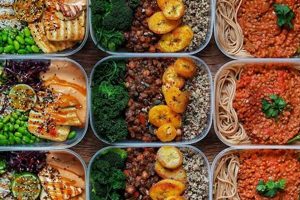
Plant-based meals designed to deliver a substantial amount of protein, incorporating ingredients such as legumes, grains, and seeds, served within a single dish format are increasingly popular. An example includes a bowl featuring quinoa, black beans, tofu, and a tahini dressing. These meals cater to individuals seeking to increase protein intake while adhering to a vegan dietary pattern.
The emphasis on protein within a plant-based diet stems from its crucial role in various bodily functions, including muscle repair and satiety. Prioritizing such nutrients contributes to overall well-being and can support athletic performance. Historically, concerns existed regarding the adequacy of protein from plant sources; however, a well-planned, diverse selection of foods can readily meet nutritional requirements.
The following sections will explore various aspects of crafting nutritionally complete and delicious meals of this type. Topics covered will include the best plant-based protein sources, strategies for balancing macronutrients, and recipe ideas to inspire diverse and flavorful culinary creations.
Tips for Maximizing Protein in Plant-Based Bowls
Optimizing the protein content of plant-based bowls requires careful planning and selection of ingredients. The following tips provide guidance for creating nutritionally balanced and satisfying meals.
Tip 1: Incorporate Legumes: Lentils, beans (black, kidney, chickpeas), and peas are excellent sources of protein and fiber. Aim for at least a half-cup serving per bowl.
Tip 2: Utilize Tofu or Tempeh: These soy-based products offer complete protein profiles and can be prepared in various ways, such as baked, pan-fried, or crumbled.
Tip 3: Add Quinoa or Amaranth: These grains are complete proteins, meaning they contain all nine essential amino acids. They also provide complex carbohydrates and fiber.
Tip 4: Sprinkle Seeds and Nuts: Hemp seeds, chia seeds, pumpkin seeds, almonds, and walnuts provide additional protein, healthy fats, and essential minerals. A tablespoon or two is a beneficial addition.
Tip 5: Consider Edamame: Shelled edamame is a convenient and protein-rich addition to bowls. It can be steamed, roasted, or added raw.
Tip 6: Explore Nutritional Yeast: This deactivated yeast provides a cheesy flavor and is a source of B vitamins and protein. Sprinkle it liberally on top of the bowl.
Tip 7: Combine Protein Sources: The key is to combine various sources of plant-based protein. Combining grains, legumes, nuts, and seeds ensures a complete amino acid profile.
The successful integration of these strategies ensures an adequate protein intake from meals, supporting muscle maintenance and overall health.
The subsequent sections will delve into specific recipe examples and offer further insights into the nutritional advantages of this approach.
1. Legumes

Legumes form a cornerstone of plant-based diets and are integral to the composition of protein-rich, vegan meals. Their significance stems from their high protein content, exceeding that of many other plant-based food groups. As a result, they function as a primary protein source in the absence of animal products. The cause-and-effect relationship is direct: inclusion of legumes substantially increases the protein density of such a bowl. Examples include incorporating chickpeas into a Mediterranean-style bowl, using black beans in a Southwestern-inspired creation, or adding lentils to an Indian-influenced dish.
The practical significance of understanding the role of legumes extends to recipe development and dietary planning. Knowledge of the protein content and amino acid profiles of various legumes allows for the strategic pairing of ingredients to ensure a balanced nutritional profile. Combining legumes with grains, for instance, contributes to a complete amino acid profile. Additionally, understanding different preparation methods for legumes, such as soaking and cooking, enhances digestibility and nutrient bioavailability. A bowl containing lentils, brown rice, and leafy greens illustrates this practical application.
In summary, legumes are essential to increasing the protein content in vegan recipes. The challenges of plant-based protein sourcing can be mitigated by prioritizing and diversifying legume intake. The integration of this knowledge contributes to the creation of nutritionally sound and palatable recipes.
2. Grains
Grains serve as a foundational carbohydrate source in many diets, including their vital role in creating balanced meals. Within the context of high-protein vegan meals, select grains offer a supplementary, yet significant, protein contribution. This inclusion addresses the need for complex carbohydrates, fiber, and amino acids, furthering the nutritional completeness of the meal. The effect of incorporating these grains directly influences the overall protein content, contributing to enhanced satiety and balanced energy levels. For instance, quinoa, a complete protein, can form the base of a dish and provides a substantial amount of protein alongside other nutrients. Similarly, brown rice and farro offer modest protein quantities while delivering essential fiber and vitamins, increasing the dietary value.
The practical significance of understanding grains lies in recipe design. The careful selection of grains, based on their nutritional profiles, allows for the optimization of the protein content in the absence of animal products. Mixing grains with legumes enhances the amino acid profile, and using protein-rich grains such as quinoa or amaranth can elevate the overall protein density. Example: A bowl that features quinoa, lentils, vegetables, and a tahini dressing showcases the synergistic effect of combining protein sources. This strategy addresses nutritional completeness and enhances the satiety value of the meal.
In conclusion, grains contribute significantly to the nutritional architecture of high-protein plant-based meals. Although not the primary protein source, the presence of certain grains provides a supplemental benefit. Recognizing the protein content and nutritional attributes of different grains ensures a balanced and satisfying dietary experience. The selection of these foods becomes crucial for those following a vegan diet and seeking an adequate intake of protein and other essential nutrients.
3. Seeds
Seeds occupy a critical, albeit often understated, position within the landscape of high-protein vegan meals. Their inclusion extends beyond mere garnish, serving as concentrated sources of protein, healthy fats, and essential micronutrients. The following points detail specific facets of seed utilization in constructing nutritionally robust plant-based meals.
- Protein Density Enhancement
Various seeds, such as hemp, chia, and pumpkin seeds, exhibit substantial protein content by weight. Incorporating them into bowls amplifies the overall protein quantity. A modest serving (e.g., two tablespoons) can contribute significantly to meeting daily protein requirements. The consequence of this is increased satiety and support for muscle maintenance.
- Amino Acid Profile Contribution
While seeds may not always present a complete amino acid profile individually, they can complement other plant-based protein sources (e.g., legumes, grains) to achieve a complete amino acid spectrum. Hemp seeds, for instance, contain all nine essential amino acids. Strategic combinations enhance the biological value of the protein consumed.
- Nutritional Diversity and Synergistic Effects
Seeds provide a wealth of vitamins, minerals, and antioxidants. Beyond protein, these nutrients contribute to overall health and well-being. The synergistic effect of combining seeds with other nutrient-rich ingredients in a bowl further enhances the dietary benefits. Flaxseeds, for example, offer omega-3 fatty acids in addition to protein and fiber.
- Texture and Flavor Profile Augmentation
The addition of seeds introduces diverse textures and subtle flavor nuances to meals. Toasted sesame seeds provide a nutty flavor, while chia seeds offer a slightly crunchy consistency when hydrated. This sensory diversification enhances the eating experience, making such meals more appealing and sustainable in the long term.
In summary, seeds represent a valuable addition to high-protein plant-based meals. Their concentrated nutrient profile and versatility enhance both the nutritional value and sensory appeal of these meals. Consideration of seed selection and quantity, in conjunction with other protein sources, is crucial for optimizing the nutritional benefits derived from this approach.
4. Nutritional Balance

Nutritional balance is an indispensable component of high-protein vegan meals. Its significance lies in ensuring the meal provides adequate amounts of macronutrients (protein, carbohydrates, and fats), micronutrients (vitamins and minerals), and fiber. Protein, while emphasized, cannot exist in isolation. Imbalances can lead to deficiencies, affecting energy levels, muscle function, and overall health. For instance, a meal consisting solely of tofu would lack essential nutrients found in vegetables, grains, and healthy fats. The cause-and-effect relationship is clear: prioritizing nutritional balance translates to improved health outcomes and sustained energy.
The practical application of this understanding involves strategic ingredient selection and portion control. Achieving nutritional balance necessitates combining protein-rich foods with complex carbohydrates, healthy fats, and a diverse array of fruits and vegetables. Consider a bowl featuring lentils, quinoa, avocado, and broccoli. Lentils provide protein and fiber, quinoa offers complex carbohydrates and additional protein, avocado delivers healthy fats, and broccoli contributes vitamins and minerals. Portion control ensures that macronutrient ratios are appropriate for individual needs. Using online nutritional databases or consulting with a registered dietitian facilitates informed meal planning.
In summary, nutritional balance is not merely an ancillary consideration but a central tenet in the creation of nutritionally sound, high-protein plant-based meals. The challenges of meeting all nutrient needs on a vegan diet are mitigated through careful planning and execution. The integration of diverse food groups, coupled with awareness of macronutrient ratios, promotes optimal health and well-being. The long-term sustainability of a vegan diet hinges upon the consistent and deliberate attainment of such equilibrium.
5. Amino Acid Profile

The amino acid profile is an indispensable factor in evaluating the quality and effectiveness of meals, particularly when constructing plant-based, high-protein options. Complete proteins contain all nine essential amino acids in adequate proportions to support human health. A failure to obtain these essential amino acids through diet leads to physiological impairments, necessitating careful attention to dietary composition. The implication for dietary choices is direct: those constructing high-protein, plant-based meals must understand amino acid complementarity to ensure complete protein intake. For example, combining legumes (rich in lysine) with grains (rich in methionine) creates a complete protein source, mirroring the nutritional value of animal-derived proteins.
Practical application of amino acid profile knowledge extends to recipe design and dietary planning. A meal consisting solely of brown rice, while providing carbohydrate energy, lacks sufficient lysine to meet nutritional requirements. Conversely, a meal of lentils lacks adequate methionine. The combination, however, satisfies the requirement for both amino acids. This pairing strategy is paramount for individuals adhering to a vegan diet, where reliance on a single protein source can lead to amino acid deficiencies. Furthermore, food composition databases and nutritional analysis tools provide resources for evaluating the amino acid content of ingredients and meals.
In summary, the amino acid profile dictates the nutritional value and health benefits derived from high-protein, plant-based meals. The challenges of obtaining complete proteins on a vegan diet can be effectively addressed through an understanding of amino acid complementarity and strategic food combinations. Addressing amino acid deficiencies is essential, not merely beneficial, for supporting physiological processes and promoting long-term well-being on a plant-based diet.
6. Digestibility
Digestibility, in the context of high-protein plant-based meals, represents the ease with which the human digestive system can process and absorb nutrients from these meals. It directly impacts nutrient bioavailability and overall gastrointestinal comfort. The components of such meals, including legumes, grains, and seeds, possess inherent characteristics that influence digestibility, necessitating strategic preparation and combination.
- Fiber Content Modulation
Plant-based foods are typically high in fiber, which can be both beneficial and problematic. Excessive fiber intake may lead to bloating, gas, and reduced nutrient absorption, while adequate fiber promotes gut health and regularity. Cooking methods, such as soaking legumes, can reduce certain indigestible compounds and improve fiber tolerance. Balancing the fiber content in the meal through thoughtful ingredient selection is critical for optimal digestion.
- Enzyme Inhibitors and Lectins
Many plant-based foods contain naturally occurring enzyme inhibitors and lectins that can interfere with nutrient absorption and digestive processes. Soaking, sprouting, or fermenting these foods reduces the activity of these compounds, enhancing digestibility. For example, soaking beans overnight before cooking reduces the concentration of phytic acid, allowing for better mineral absorption.
- Food Combining Principles
While not universally accepted, some dietary theories suggest that combining certain food groups can improve or hinder digestion. For example, combining high-fat foods with high-protein foods may slow down digestion. Awareness of these principles and individual tolerance levels can inform meal planning to optimize digestive comfort. It must be recognized that scientific consensus on these principles remains limited.
- Preparation Methods and Cooking Techniques
Preparation methods significantly impact digestibility. Raw vegetables, while nutrient-rich, may be more difficult to digest for some individuals. Cooking techniques, such as steaming, roasting, or sauting, can break down plant cell walls, increasing nutrient bioavailability and improving digestibility. Overcooking, however, can destroy certain nutrients, necessitating careful consideration of cooking times and temperatures.
These facets collectively underscore the importance of considering digestibility in the creation of plant-based, protein-rich meals. The careful management of fiber content, mitigation of enzyme inhibitors and lectins, application of appropriate food combining strategies, and utilization of suitable preparation methods significantly influence nutrient absorption and gastrointestinal well-being. Prioritizing these considerations ensures that these meals deliver not only adequate protein but also optimal digestive comfort and nutrient bioavailability.
Frequently Asked Questions
The following section addresses common inquiries and misconceptions regarding the construction and nutritional adequacy of plant-based bowls designed to deliver substantial protein.
Question 1: Are meals complete proteins if they contain solely plant-based ingredients?
Achieving a complete protein profile from plant-based sources requires strategic combinations of ingredients. While individual plant-based foods may lack sufficient quantities of one or more essential amino acids, combining legumes, grains, seeds, and nuts ensures the presence of all nine essential amino acids in adequate proportions.
Question 2: How much protein is necessary in a typical meal?
The recommended daily allowance for protein is 0.8 grams per kilogram of body weight. However, individual protein requirements may vary based on factors such as activity level, age, and health status. Consulting a registered dietitian or healthcare professional can provide personalized recommendations.
Question 3: What are the best sources of protein for individuals following a vegan dietary pattern?
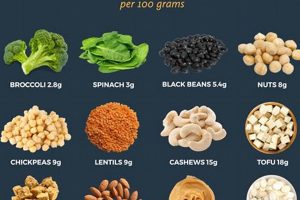
Excellent sources of plant-based protein include legumes (lentils, beans, chickpeas), tofu, tempeh, quinoa, amaranth, hemp seeds, chia seeds, and nuts. Incorporating a variety of these ingredients into meals maximizes the intake of essential amino acids and other nutrients.
Question 4: Can consumption of legumes lead to digestive discomfort?
Legumes contain certain compounds that may cause digestive discomfort in some individuals. Soaking legumes overnight before cooking and cooking them thoroughly can reduce these compounds and improve digestibility. Introducing legumes gradually into the diet can also enhance tolerance.
Question 5: Are they adequate for athletes or individuals with high protein needs?
With careful planning and strategic food choices, plant-based meals can effectively meet the protein requirements of athletes and individuals with elevated protein needs. Emphasizing high-protein plant-based foods and ensuring adequate caloric intake are crucial for supporting muscle recovery and performance.
Question 6: How can I enhance the flavor of plant-based proteins like tofu and tempeh?
Tofu and tempeh can be marinated, seasoned, and cooked in various ways to enhance their flavor. Marinades containing soy sauce, ginger, garlic, or spices are effective for infusing flavor. Baking, pan-frying, or stir-frying these proteins can create diverse textures and enhance their palatability.
In summary, the proper preparation and knowledge is important. This ensures dietary protein and overall nutritional targets are met on a long-term basis.
The subsequent sections will delve into sample recipes and additional resources for creating delicious and nutritious bowls of this type.
Conclusion
The preceding discussion has elucidated the various facets of high protein vegan bowls, emphasizing the importance of strategic ingredient selection and nutritional awareness. These meals offer a viable and sustainable approach to meeting protein requirements on a plant-based diet. Successful implementation requires an understanding of protein complementarity, digestibility considerations, and overall dietary balance.
Continued research and innovation in plant-based cuisine will likely lead to further refinements in meal design and optimization of nutritional profiles. Individuals adopting a vegan dietary pattern are encouraged to utilize the information provided to create satisfying and nutritionally complete bowls that support long-term health and well-being. The mindful consumption of these meals represents a practical step towards a sustainable and health-conscious lifestyle.