![Boost Protein: Vegan Alfredo Recipe [Healthy & Easy!]](data:image/svg+xml;base64,PHN2ZyB4bWxucz0iaHR0cDovL3d3dy53My5vcmcvMjAwMC9zdmciIHdpZHRoPSI0NzQiIGhlaWdodD0iNjYiIHZpZXdCb3g9IjAgMCA0NzQgNjYiPjxyZWN0IHdpZHRoPSIxMDAlIiBoZWlnaHQ9IjEwMCUiIHN0eWxlPSJmaWxsOiNjZmQ0ZGI7ZmlsbC1vcGFjaXR5OiAwLjE7Ii8+PC9zdmc+ "Boost Protein: Vegan Alfredo Recipe [Healthy & Easy!] Discover Delicious Vegan Food, Beauty Swaps, and Zero-Waste Tips for a Greener Life")
A creamy, plant-based sauce traditionally served with pasta, the modified dish addresses the nutritional limitations of standard vegan Alfredo recipes. It incorporates ingredients to significantly increase the protein content, catering to individuals seeking a balanced macronutrient profile within a vegan diet. Examples of protein sources added include tofu, lentils, nutritional yeast, and seeds.
This variation fulfills a growing demand for nutritionally complete vegan options. Standard Alfredo, whether dairy-based or vegan, often lacks substantial protein. Enhancing the protein content improves satiety, aids in muscle maintenance, and contributes to overall dietary adequacy, addressing concerns about protein intake in plant-based diets. The development reflects increasing awareness of nutritional needs within specific dietary patterns and the desire for more complete and satisfying meals.
The subsequent sections will delve into specific ingredients used to boost the protein, examine different preparation techniques, and discuss the overall nutritional advantages offered by this enhanced culinary option, providing practical guidance for those wishing to incorporate it into their meal planning.
Tips for Optimizing High Protein Vegan Alfredo
The following guidelines enhance the protein content and overall nutritional value of plant-based Alfredo preparations.
Tip 1: Prioritize Protein-Rich Base Ingredients: Select base ingredients known for their inherent protein content. Cashews, while contributing to creaminess, offer moderate protein. Consider blending soaked sunflower seeds or white beans, which provide comparable texture and higher protein density.
Tip 2: Incorporate Nutritional Yeast Strategically: Nutritional yeast is a complete protein and contributes a savory, cheesy flavor. Add it gradually, tasting frequently, to avoid overpowering the sauce. Aim for 2-4 tablespoons per batch, depending on the recipe’s overall volume.
Tip 3: Integrate Silken Tofu for a Creamy Protein Boost: Silken tofu blends seamlessly into Alfredo sauces, adding substantial protein without altering the flavor significantly. Ensure the tofu is thoroughly drained and pressed to remove excess water for optimal texture.
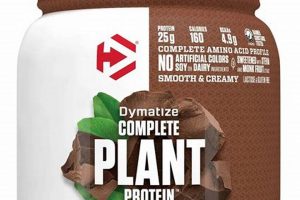
Tip 4: Fortify with Plant-Based Protein Powder: Unflavored or subtly flavored vegan protein powders can be incorporated to increase protein content. Start with a small amount (1-2 tablespoons) and blend well to avoid grittiness. Brown rice protein or pea protein are generally well-suited.
Tip 5: Enhance with Legume Flour: Small amounts of chickpea or lentil flour can thicken the sauce while contributing protein and fiber. Saut the flour briefly in olive oil before adding liquid to prevent a raw flour taste.
Tip 6: Top with Protein-Rich Garnishes: Final protein content can be enhanced by topping the finished dish with ingredients such as toasted pumpkin seeds, chopped walnuts, or crumbled tempeh bacon.
Tip 7: Balance Macronutrients: While focusing on protein, ensure the recipe includes healthy fats and complex carbohydrates. Olive oil provides essential fats, and whole-wheat pasta or lentil-based pasta offers fiber and complex carbohydrates.
By following these suggestions, the nutritional profile of plant-based Alfredo can be significantly improved, yielding a more satisfying and balanced meal.
The subsequent section will address recipe variations and meal planning strategies utilizing this high-protein adaptation of a classic sauce.
1. Ingredient Selection

Ingredient selection forms the bedrock of a successful high-protein vegan Alfredo. The specific components chosen directly determine the sauce’s protein content, flavor profile, and overall nutritional value. Suboptimal ingredient choices can result in a sauce that is either lacking in protein, possesses an undesirable texture, or presents an imbalanced macronutrient ratio. For example, relying solely on cashews as a base provides a creamy texture but contributes relatively less protein compared to incorporating silken tofu or white beans.
The strategic use of diverse protein sources is crucial. Nutritional yeast, besides contributing a cheesy flavor, offers a complete protein source. Similarly, the inclusion of ingredients like blended lentils or protein-fortified plant-based milk significantly elevates the protein content. Herbs and spices also play a significant role in flavor development. For example, adding garlic powder and onion powder gives a savory essence, enhancing the dish’s palatability without compromising its nutritional profile.
Careful consideration of each ingredient and its contribution to the final product is paramount. The selection process must prioritize components that maximize protein content while maintaining the desired creamy texture and palatable flavor profile. Overlooking this connection between ingredient selection and the desired outcome undermines the fundamental goal of creating a nutritionally robust and enjoyable high-protein vegan Alfredo.
2. Protein Sources

The protein content of a plant-based Alfredo sauce is determined primarily by the selection and incorporation of protein-rich ingredients. These sources are crucial in elevating the nutritional profile of the dish, making it a more balanced and satisfying meal option for those adhering to a vegan diet.
- Silken Tofu
Silken tofu, when blended into the sauce, provides a creamy texture and a substantial amount of protein. Its neutral flavor allows it to integrate seamlessly without overpowering other ingredients. Approximately one cup of silken tofu contains around 8 grams of protein, making it a beneficial addition to the recipe.
- Nutritional Yeast
Nutritional yeast offers a cheesy flavor and is a complete protein source, containing all nine essential amino acids. It also provides B vitamins, further enhancing the nutritional value of the sauce. Two tablespoons of nutritional yeast can contribute approximately 4 grams of protein.
- Legume-Based Ingredients
White beans, lentils, or even legume-based pasta alternatives can be incorporated. Blended white beans or lentils add creaminess and protein, while legume-based pastas inherently increase the protein content of the entire meal. One cup of cooked lentils provides around 18 grams of protein.
- Plant-Based Protein Powders
Unflavored or subtly flavored plant-based protein powders, such as pea protein or brown rice protein, can be blended into the sauce to increase its protein concentration. These powders offer a concentrated source of protein without significantly altering the flavor. A single scoop (approximately 30 grams) can add 20-25 grams of protein.
The careful selection and combination of these protein sources are essential for creating a high-protein vegan Alfredo that is both nutritionally complete and palatable. Balancing these elements ensures that the dish caters to the dietary needs and preferences of those seeking a protein-rich, plant-based meal.
3. Texture Optimization

Achieving the desired creamy texture in a high protein vegan Alfredo presents a significant challenge, as protein-boosting ingredients can often alter the sauce’s smoothness and consistency. Careful consideration must be given to the interplay between ingredients and preparation techniques to mitigate any negative impact on the final product’s textural appeal.
- Ingredient Selection and Preparation
The selection of protein sources directly influences the texture. For example, silken tofu, when blended, contributes a smooth and creamy base. However, if not properly drained or blended thoroughly, it can result in a grainy texture. Similarly, legumes, such as white beans, must be cooked until very soft and blended to a fine puree to avoid a gritty consistency. Pre-soaking nuts before blending is crucial to creating a smooth base without residual graininess.
- Blending Techniques
The blending process itself is critical. High-speed blenders are often necessary to achieve a completely smooth texture, particularly when using ingredients like cashews or sunflower seeds. Insufficient blending can leave small particles that detract from the desired creamy consistency. Blending for an extended period may be required, and the use of a tamper can aid in ensuring all ingredients are fully incorporated.
- Liquid Ratio and Consistency
Maintaining the appropriate liquid-to-solid ratio is essential for achieving the correct sauce consistency. Adding too much liquid results in a thin, watery sauce, while insufficient liquid can lead to a thick, pasty texture. Careful monitoring and incremental adjustments are necessary to achieve the desired balance. Thickeners, such as cornstarch or tapioca starch, can be used sparingly to adjust the consistency if needed.
- Temperature Control
Temperature plays a role in the final texture. Overheating the sauce can cause some protein sources to curdle or become grainy. Cooking the sauce over low heat and avoiding boiling is crucial to maintaining a smooth and creamy consistency. Gentle simmering allows the flavors to meld without compromising the texture.
Optimizing texture in a high protein vegan Alfredo requires a multifaceted approach that considers ingredient selection, preparation techniques, blending methods, liquid ratios, and temperature control. Successfully addressing these elements leads to a sauce that is not only high in protein but also possesses the luxurious, creamy texture expected of a traditional Alfredo.
4. Flavor Balancing

Achieving a balanced flavor profile in high-protein vegan Alfredo is crucial due to the inherent flavor characteristics of many plant-based protein sources. Ingredients such as silken tofu, nutritional yeast, and certain legume flours, while contributing significantly to the protein content, can introduce distinct, sometimes undesirable, flavors that necessitate careful balancing. The strategic use of herbs, spices, and other flavor enhancers becomes essential in masking or complementing these base notes to create a palatable and appealing sauce.
For example, nutritional yeast, while offering a cheesy flavor, can be overpowering if used in excess. To mitigate this, ingredients like garlic powder, onion powder, and lemon juice are often incorporated to add savory and acidic dimensions, thus rounding out the flavor profile. Similarly, the earthy flavor of some legume flours can be counteracted by adding umami-rich elements such as miso paste or sun-dried tomatoes. Furthermore, a subtle sweetness derived from a small amount of maple syrup or agave can enhance the overall flavor complexity and balance any bitterness. The omission or imbalance of these flavor-balancing components can result in a sauce that is either bland or dominated by the less desirable flavors of the protein sources.
In summary, flavor balancing is not merely an aesthetic consideration in high-protein vegan Alfredo; it is a functional necessity. It determines the success of integrating diverse protein sources while maintaining an enjoyable and satisfying taste. The careful selection and calibration of flavor enhancers are therefore essential to producing a sauce that is both nutritionally robust and gastronomically appealing. Addressing the challenge of flavor balancing through careful ingredient selection and preparation is vital to successfully creating a high-protein, plant-based Alfredo sauce that will be well-received.
5. Nutritional Value

The integration of high-protein ingredients into vegan Alfredo sauces directly enhances the dish’s nutritional profile, addressing common deficiencies often associated with standard vegan and dairy-based Alfredo recipes. Traditional Alfredo sauces, primarily composed of cream, butter, and cheese, are high in saturated fat and lack substantial protein and fiber. Vegan versions, while eliminating animal products, may still rely heavily on fats and carbohydrates, providing limited protein. By strategically incorporating protein sources such as tofu, nutritional yeast, and legumes, the resulting dish becomes a more complete and balanced meal. This nutritional enhancement translates to increased satiety, improved muscle maintenance, and better support for overall metabolic function. For example, a serving of high-protein vegan Alfredo with added lentils and nutritional yeast provides a significantly higher protein content compared to a standard vegan Alfredo made primarily with cashew cream.
The increased protein content contributes to several health benefits. Protein plays a crucial role in building and repairing tissues, supporting immune function, and regulating hormones. The addition of plant-based protein sources also offers advantages related to fiber intake. Legumes, in particular, contribute both protein and fiber, promoting digestive health and helping to regulate blood sugar levels. Furthermore, the substitution of saturated fats from dairy with healthier fats from nuts, seeds, and olive oil contributes to improved cardiovascular health. A practical application is observed in meal planning for athletes or individuals with increased protein requirements, where a high-protein vegan Alfredo can serve as a satisfying and nutritionally complete meal option. Individuals transitioning to vegan diets can incorporate it to ensure adequate protein intake and maintain muscle mass.
In conclusion, the emphasis on nutritional value transforms a traditionally indulgent dish into a more healthful and balanced meal option. While challenges related to flavor and texture may arise during ingredient substitutions, the benefits of increased protein, fiber, and healthier fats outweigh these potential drawbacks. The development and adoption of high-protein vegan Alfredo recipes reflect a growing awareness of the importance of optimizing nutritional intake within specific dietary patterns, offering a delicious and nutritionally sound alternative to conventional Alfredo sauces.
Frequently Asked Questions
The following section addresses common inquiries and clarifies misconceptions regarding high-protein vegan Alfredo sauce, its ingredients, preparation, and nutritional aspects.
Question 1: What constitutes a “high protein” designation in relation to vegan Alfredo sauce?
A high-protein designation indicates a significant increase in protein content compared to standard vegan or dairy-based Alfredo recipes. Typically, this entails incorporating ingredients that elevate the protein level to at least 15-20 grams per serving.
Question 2: Are there specific protein sources considered superior for high-protein vegan Alfredo?
No single protein source is universally superior. The ideal choice depends on individual dietary needs, flavor preferences, and textural considerations. Combinations of silken tofu, nutritional yeast, lentils, and plant-based protein powders offer a well-rounded approach.
Question 3: How does the taste of high-protein vegan Alfredo compare to traditional Alfredo?
The taste will differ, although careful preparation can yield a palatable result. The flavor contributions of protein-rich ingredients like nutritional yeast and tofu necessitate flavor balancing with herbs, spices, and acidic elements to mimic the savory richness of traditional Alfredo.
Question 4: Does incorporating high-protein ingredients compromise the texture of the sauce?
It can, but this can be mitigated. Achieving a smooth texture requires careful blending techniques and the use of high-speed blenders. Pre-soaking nuts and thoroughly pureeing legumes are essential steps.
Question 5: Is high-protein vegan Alfredo suitable for individuals with dietary restrictions beyond veganism?
Suitability depends on the specific ingredients used. Recipes employing nuts or soy may not be appropriate for those with nut or soy allergies. Gluten-free variations can be created by using gluten-free pasta and thickening agents.
Question 6: Can high-protein vegan Alfredo be prepared in advance and stored?
Yes, it can be stored in the refrigerator for up to three days. However, the texture may change upon refrigeration, requiring reheating and potential re-blending with a small amount of liquid to restore its original consistency.
High-protein vegan Alfredo offers a nutritionally enhanced alternative to traditional sauces, providing a more balanced macronutrient profile. Careful attention to ingredient selection and preparation is critical to achieving a satisfying flavor and texture.
The following section will provide recipe variations incorporating high protein ingredients.
Conclusion
This exploration has demonstrated the feasibility and benefits of creating a nutritionally enhanced, plant-based Alfredo sauce. Through strategic ingredient selection and optimized preparation techniques, the protein content of vegan Alfredo can be significantly increased, addressing a common nutritional limitation of both traditional and vegan variations. The incorporation of diverse protein sources, coupled with careful flavor balancing, is essential for achieving a palatable and satisfying outcome. Attention to texture optimization further ensures that the resulting sauce replicates the desired creamy consistency.
The development and implementation of high protein vegan alfredo recipes represent a positive step toward improving the nutritional profile of plant-based diets. Continued refinement and innovation in this area hold the potential to broaden the appeal of vegan cuisine and provide more nutritionally complete meal options. Individuals are encouraged to experiment with different protein sources and flavor combinations to discover formulations that best suit their individual needs and preferences, further contributing to the evolution of this enhanced culinary creation.