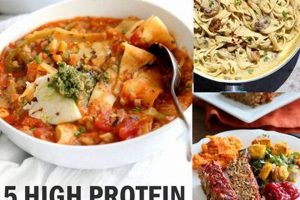
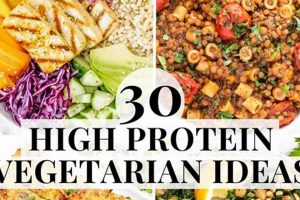
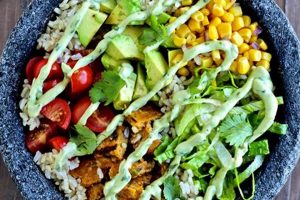
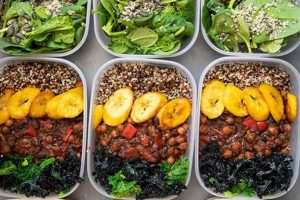
The culinary landscape offers options that cater to specific dietary needs, including those seeking to maximize protein intake while minimizing carbohydrate consumption within the boundaries of plant-based eating. This approach involves careful selection of ingredients to formulate meals that align with these nutritional parameters. Examples include dishes built around tofu, tempeh, and certain nuts and seeds, combined with low-carbohydrate vegetables.
Adhering to a regimen that prioritizes protein and limits carbohydrates can offer various benefits, such as supporting muscle maintenance, promoting satiety, and contributing to blood sugar regulation. Historically, vegan diets have sometimes been perceived as challenging to achieve sufficient protein intake; however, strategic planning and food choices can effectively address this concern.
The subsequent sections will explore practical strategies for creating satisfying and nutritionally complete dishes that are both high in plant-based protein and limited in carbohydrate content, providing a framework for individuals to effectively implement this dietary style.
Essential Strategies for Plant-Based, Protein-Rich, and Low-Carbohydrate Meal Planning
Achieving a high-protein, low-carbohydrate diet on a plant-based framework necessitates careful planning and informed food choices. The following strategies are designed to optimize nutrient intake and culinary satisfaction while adhering to these dietary principles.
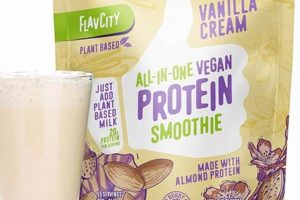
Tip 1: Prioritize Plant-Based Protein Isolates: Incorporate protein isolates derived from soy, pea, or rice into shakes, smoothies, or baked goods to significantly increase protein content without adding substantial carbohydrates.
Tip 2: Emphasize Tofu and Tempeh: These soy-based products are versatile sources of complete protein with naturally low carbohydrate profiles. Marinate and bake, stir-fry, or grill these items for diverse meal options.
Tip 3: Utilize Non-Starchy Vegetables Liberally: Focus on consuming a wide variety of non-starchy vegetables such as leafy greens, broccoli, cauliflower, bell peppers, and zucchini to provide essential nutrients and fiber while minimizing carbohydrate intake.
Tip 4: Include Nuts and Seeds in Moderation: Nuts and seeds offer valuable protein and healthy fats, but their carbohydrate content should be considered. Opt for varieties like almonds, walnuts, chia seeds, and flax seeds, and consume them in measured portions.
Tip 5: Explore Lupin Beans: Lupin beans are a lesser-known legume with a remarkably high protein and low carbohydrate content. Incorporate them into salads, stews, or as a standalone side dish.
Tip 6: Consider Nutritional Yeast: Nutritional yeast provides B vitamins and adds a cheesy flavor to dishes while being low in carbohydrates. It can be sprinkled on vegetables, added to sauces, or used as a seasoning.
Tip 7: Enhance Flavor with Herbs and Spices: Season dishes generously with herbs and spices to enhance palatability without adding carbohydrates or calories. Experiment with combinations to create diverse and satisfying meals.
Strategic application of these principles enables individuals to create plant-based meals that effectively meet high protein and low carbohydrate requirements, promoting both nutritional adequacy and dietary satisfaction.
The following sections will provide further insights into specific recipes and meal planning strategies to facilitate the practical implementation of this dietary approach.
1. Ingredient Selection

Ingredient selection is paramount in achieving plant-based meals that are simultaneously high in protein and low in carbohydrates. The composition of these meals hinges on the deliberate inclusion of ingredients rich in protein and low in net carbohydrates (total carbohydrates minus fiber). Failure to prioritize appropriate ingredients directly undermines the nutritional objectives of this dietary approach. For example, relying primarily on starchy vegetables or grains as staples in a vegan diet inherently contradicts the low-carbohydrate aspect, irrespective of the protein content.
The significance of ingredient selection is demonstrated by comparing two hypothetical meal scenarios. One meal may comprise of white rice, kidney beans, and a small portion of broccoli. While this is vegan, the high carbohydrate content from rice diminishes its suitability. Another meal composed of tofu stir-fried with spinach, bell peppers, and a sprinkle of hemp seeds. The high-protein content from tofu and hemp seeds, coupled with the low-carbohydrate vegetables, makes it considerably more aligned with the dietary goals. This illustrates the direct impact ingredient selection has on the nutritional profile.
Therefore, a meticulous approach to ingredient selection is not merely a suggestion, but a necessity for anyone adhering to this specialized diet. Challenges may arise from limited availability of certain specialized ingredients or a need for greater culinary creativity. However, understanding the direct correlation between ingredient choices and macronutrient ratios is essential. A targeted approach yields meals aligning with the outlined health and wellness benefits, linking dietary practice to nutritional success.
2. Nutrient Density

Nutrient density assumes a crucial role in plant-based dietary regimens aimed at maximizing protein intake while restricting carbohydrates. The inherent limitations imposed by excluding animal products and minimizing carbohydrate sources necessitate a strategic focus on obtaining a broad spectrum of essential nutrients from a constrained set of foods.
- Micronutrient Sufficiency
The restriction of dietary options common in a high-protein, low-carbohydrate vegan approach can inadvertently lead to deficiencies in essential vitamins and minerals. Emphasis must be placed on selecting foods that deliver a high concentration of micronutrients per calorie, such as dark leafy greens (vitamin K, vitamin A), nuts and seeds (magnesium, zinc), and fortified plant-based foods (vitamin B12, vitamin D). For example, replacing refined carbohydrate sources with nutrient-dense alternatives like spinach or kale enhances both protein intake and micronutrient status.
- Amino Acid Profiling
While achieving adequate protein intake is a primary objective, the quality of protein is equally important. Plant-based proteins are often incomplete, meaning they lack one or more essential amino acids. Strategic combination of different protein sources (e.g., lentils with seeds, tofu with quinoa) becomes crucial to ensure the intake of all essential amino acids. Focusing on nutrient-dense sources allows for optimal protein synthesis and utilization.
- Healthy Fats and Fiber
Low-carbohydrate diets often increase the reliance on fats as a primary energy source. It is essential to prioritize sources of healthy fats, such as avocados, nuts, and seeds, that also offer additional nutrients. Similarly, non-starchy vegetables provide essential fiber, which contributes to satiety, blood sugar regulation, and gut health. Focusing on nutrient-dense vegetables provides both fiber and important vitamins and minerals.
- Phytonutrient Diversity
Plant-based diets are inherently rich in phytonutrients, compounds with antioxidant and anti-inflammatory properties. Consuming a variety of colorful fruits and vegetables, while adhering to carbohydrate restrictions, ensures a diverse intake of these beneficial compounds. Choosing nutrient-dense options allows one to maximize the phytonutrient intake without compromising the macronutrient goals.
In summary, the principle of nutrient density is indispensable for the successful implementation of a high-protein, low-carbohydrate vegan diet. The constrained dietary parameters necessitate a strategic selection of foods that provide not only adequate protein but also a comprehensive range of essential micronutrients, healthy fats, fiber, and phytonutrients to maintain optimal health and prevent nutrient deficiencies. Prioritizing nutrient-rich choices facilitates both meeting macronutrient targets and promoting overall well-being.
3. Macronutrient Ratios

Macronutrient ratios are central to the formulation of high-protein, low-carbohydrate vegan recipes. These ratios dictate the proportions of protein, carbohydrates, and fats, and their precise calibration is crucial for achieving the intended metabolic and physiological outcomes of this dietary strategy.
- Defining Acceptable Carbohydrate Ranges
In the context of recipes designed to be low in carbohydrates, establishing clear upper limits for carbohydrate content is fundamental. Acceptable carbohydrate ranges typically fall below a specified threshold (e.g., 50-100 grams per day). Recipes must be structured to prioritize ingredients with minimal carbohydrate impact, focusing on non-starchy vegetables and limiting grains, legumes, and fruits with higher carbohydrate loads. For example, a recipe substituting cauliflower rice for traditional rice significantly reduces the carbohydrate burden without sacrificing volume or texture.
- Optimizing Protein Intake from Plant Sources
The proportion of protein in recipes must be elevated to compensate for the carbohydrate restriction. Plant-based protein sources such as tofu, tempeh, seitan, and protein isolates must be strategically incorporated to meet or exceed recommended daily protein intakes. A recipe might enhance its protein profile by combining multiple sources, such as adding pea protein to a tofu scramble, ensuring a more complete amino acid profile and greater satiety.
- Incorporating Healthy Fats for Satiety and Energy
With carbohydrates restricted, fat intake often increases to provide a source of energy and enhance satiety. Recipes should prioritize healthy fat sources such as avocados, nuts, seeds, and olive oil. A salad dressing featuring avocado oil instead of a sugary vinaigrette can significantly reduce carbohydrate content while increasing the healthy fat component, contributing to a more balanced macronutrient ratio.
- Balancing Fiber Intake for Digestive Health
While carbohydrates are restricted, maintaining adequate fiber intake is essential for digestive health and satiety. Recipes should incorporate high-fiber, low-carbohydrate vegetables such as leafy greens, broccoli, and cauliflower. The inclusion of flax seeds or chia seeds can further boost fiber content without substantially increasing carbohydrate load, promoting both digestive regularity and a feeling of fullness.
The effective manipulation of macronutrient ratios is the linchpin of crafting viable high-protein, low-carbohydrate vegan recipes. This requires a deliberate selection of ingredients and careful attention to portion sizes to ensure the resulting meals align with the intended dietary parameters and support the desired health outcomes.
4. Recipe Versatility

Recipe versatility is a critical component in the successful and sustainable implementation of a high-protein, low-carbohydrate vegan dietary approach. The limited range of permissible ingredients, stemming from the combined restrictions of veganism and carbohydrate limitation, inherently necessitates a high degree of adaptability in meal preparation to prevent dietary monotony and ensure adherence over time. The effect of constrained ingredient choices without versatile recipes often leads to reduced palatability and, consequently, dietary abandonment.
The importance of recipe versatility is evident in the ways core ingredients are manipulated. For example, tofu, a staple protein source, can be transformed into a wide array of dishes through varying preparation methods and flavor profiles. It can be crumbled for a scramble, pressed and baked for a firm texture, blended into smoothies for added protein, or used as a base for vegan cheesecakes. Non-starchy vegetables, such as cauliflower, exhibit similar potential; they can be processed into “rice,” mashed as a potato substitute, or roasted as a stand-alone side dish. This adaptive use of base ingredients allows for a diverse culinary experience despite the imposed dietary limitations.
Understanding and implementing recipe versatility holds practical significance for individuals pursuing this dietary strategy. It enables them to maintain dietary compliance, optimize nutrient intake, and cultivate a positive relationship with food. Challenges may arise in acquiring the necessary culinary skills or finding suitable recipes. However, the ability to creatively transform base ingredients significantly enhances the long-term viability of a high-protein, low-carbohydrate vegan diet, promoting both nutritional adequacy and dietary satisfaction.
5. Satiety Factors

Satiety factors play a critical role in the practical application and long-term adherence to dietary approaches. In the specific context of formulating dishes that align with both plant-based principles, elevated protein levels, and restricted carbohydrate content, satiety becomes a particularly relevant consideration.
- Protein’s Impact on Appetite Regulation
Protein consumption exerts a demonstrable influence on the secretion of hormones involved in appetite regulation, specifically increasing levels of satiety hormones and decreasing levels of hunger hormones. Vegan-compatible protein sources, such as tofu, tempeh, and certain seeds, can be strategically incorporated to leverage this effect. A meal incorporating a substantial portion of these protein sources contributes to sustained feelings of fullness, mitigating the likelihood of overconsumption. For example, a tempeh stir-fry with non-starchy vegetables can provide a significant protein boost that leads to enhanced satiety compared to a carbohydrate-rich meal.
- Fiber’s Role in Promoting Fullness
Dietary fiber contributes to satiety through multiple mechanisms, including increasing gastric distension, slowing gastric emptying, and modulating the release of gut hormones. Non-starchy vegetables, such as broccoli, spinach, and cauliflower, serve as valuable sources of fiber within a carbohydrate-restricted dietary framework. Additionally, incorporating ingredients like chia seeds or flaxseeds, which are high in soluble fiber, can further enhance satiety. A salad with mixed greens, avocado, and a sprinkle of chia seeds offers both fiber and healthy fats, contributing to a more sustained sense of fullness.
- The Influence of Healthy Fats on Satiety
The inclusion of healthy fats, such as those found in avocados, nuts, and seeds, also contributes to satiety through their effects on appetite-regulating hormones and gastric emptying. These fats also provide sustained energy, reducing cravings and promoting adherence to the dietary plan. Incorporating avocado slices into a tofu scramble or adding a handful of almonds to a salad can enhance both the flavor and satiety of the dish.
- Volumetric Considerations in Meal Planning
The volume of food consumed can also influence satiety, independent of macronutrient content. Non-starchy vegetables, with their high water and fiber content, can add bulk to meals without significantly increasing carbohydrate load. For example, loading a vegetable soup with zucchini, bell peppers, and leafy greens can create a satisfying and voluminous meal that is both high in protein and low in carbohydrates.
These individual facets of satiety interact synergistically within the framework of recipes. Strategically combining these elements in recipes maximizes their combined effects on appetite regulation. This holistic approach optimizes the likelihood of sustained adherence to the dietary pattern and contributes to successful outcomes.
Frequently Asked Questions
This section addresses common inquiries and misconceptions surrounding the formulation and implementation of plant-based recipes designed to be high in protein and low in carbohydrates.
Question 1: Is it possible to obtain sufficient protein on a vegan diet that also restricts carbohydrates?
Meeting protein requirements on a high-protein, low-carbohydrate vegan diet requires careful planning and food selection. Prioritizing protein-rich plant sources, such as tofu, tempeh, seitan, protein isolates, and certain seeds, is essential to ensure adequate protein intake.
Question 2: Which plant-based foods should be limited or avoided on a low-carbohydrate vegan diet?
Foods high in carbohydrates, such as grains, legumes, starchy vegetables (potatoes, corn), and many fruits, should be consumed in moderation or limited to maintain a low-carbohydrate profile. Portion control is also crucial.
Question 3: What are some practical strategies for increasing protein content in vegan recipes?
Strategies include incorporating protein isolates into smoothies or baked goods, adding tofu or tempeh to stir-fries and salads, and utilizing nuts and seeds as toppings or snacks. Combining different plant protein sources ensures a more complete amino acid profile.
Question 4: How can carbohydrate counts be effectively reduced in vegan recipes?
Reducing carbohydrate counts involves substituting high-carbohydrate ingredients with low-carbohydrate alternatives. For example, cauliflower rice can replace traditional rice, and zucchini noodles can be used instead of pasta.
Question 5: Are there any potential nutrient deficiencies associated with a high-protein, low-carbohydrate vegan diet?
Potential nutrient deficiencies may include vitamin B12, vitamin D, iron, calcium, and omega-3 fatty acids. Supplementation or fortification of foods may be necessary to address these deficiencies.
Question 6: How can satiety be maximized on a vegan diet that restricts both carbohydrates and caloric intake?
Satiety can be enhanced through the strategic inclusion of protein-rich foods, fiber-rich non-starchy vegetables, and healthy fats. These components contribute to feelings of fullness and can aid in appetite regulation.
In summary, adopting a high-protein, low-carbohydrate vegan diet requires careful planning, informed food choices, and a thorough understanding of potential nutrient deficiencies. However, with proper attention to detail, this dietary approach can be both nutritionally adequate and sustainable.
The subsequent sections will offer further insights and practical recommendations for navigating this specialized dietary approach.
Conclusion
The preceding exploration of high protein low carb vegan recipes underscores the necessity of strategic dietary planning. Successful implementation hinges on informed ingredient selection, a focus on nutrient density, careful macronutrient balancing, recipe versatility, and the incorporation of satiety factors. Meeting nutritional requirements within these constraints demands a deliberate and informed approach.
Adherence to the principles outlined herein enables individuals to craft plant-based meals that align with specific dietary goals. Further research and continued innovation in recipe development will likely expand options and enhance the accessibility of this dietary approach, potentially influencing future trends in both vegan and low-carbohydrate nutrition.