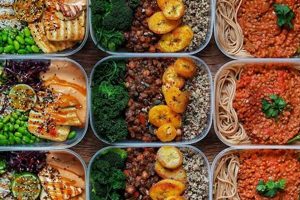
Dishes that provide a substantial amount of protein while maintaining a low caloric density, all derived from plant-based sources, are a cornerstone of specific dietary approaches. These meals prioritize ingredients like legumes, tofu, tempeh, and certain vegetables to maximize protein intake without excess calories. An example would be a salad featuring quinoa, black beans, and leafy greens with a light vinaigrette.
Adhering to a diet focused on this principle can be advantageous for weight management, muscle building, and overall health. The emphasis on plant-based proteins offers essential amino acids while typically being lower in saturated fat and cholesterol compared to animal-derived proteins. This approach aligns with evolving dietary recommendations that advocate for increased plant-based consumption for both individual and environmental well-being.
The subsequent sections will explore specific plant-based food sources, recipe ideas, and strategies for effectively incorporating these dietary choices into a balanced eating plan. This analysis will provide practical guidance for individuals seeking to optimize their nutritional intake while adhering to vegan principles.
Optimizing Plant-Based Nutrition
The following suggestions are intended to provide strategies for maximizing protein intake and minimizing caloric density within a vegan diet. Adherence to these recommendations can support weight management, muscle development, and overall health.
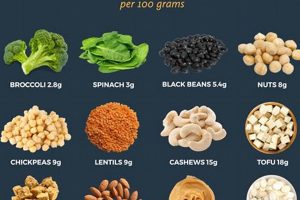
Tip 1: Prioritize Legumes: Incorporate lentils, beans, and peas into daily meals. These are excellent sources of protein and fiber, promoting satiety and stable blood sugar levels. Example: Lentil soup or black bean burgers.
Tip 2: Emphasize Tofu and Tempeh: These soy-based products offer complete protein profiles and can be prepared in various ways. Pressing tofu to remove excess water increases its protein density. Example: Stir-fried tempeh or baked tofu cubes.
Tip 3: Choose Protein-Rich Grains: Quinoa, amaranth, and buckwheat are superior choices compared to refined grains. These offer a higher protein content and a more complete amino acid profile. Example: Quinoa salad or buckwheat pancakes.
Tip 4: Incorporate Nuts and Seeds in Moderation: While nuts and seeds offer protein, they are also calorie-dense. Consume in small portions as toppings or snacks. Example: Chia seeds in smoothies or a sprinkle of almonds on salads.
Tip 5: Utilize Nutritional Yeast: This deactivated yeast provides a cheesy flavor and is a good source of B vitamins and protein. Sprinkle on dishes for added flavor and nutritional value. Example: Nutritional yeast on pasta or popcorn.
Tip 6: Strategic Vegetable Selection: Dark leafy greens and cruciferous vegetables offer micronutrients and some protein. Include a variety of these in meals. Example: Spinach salad or broccoli stir-fry.
Tip 7: Careful Calorie Tracking: Maintain awareness of portion sizes and calorie counts to ensure adherence to dietary goals. Utilize food tracking apps or journals for greater accuracy.
These strategies provide a framework for building a nutritionally sound and calorie-conscious vegan diet. Integrating these recommendations into meal planning can support health and wellness goals.
The subsequent sections will address specific recipe adaptations and meal planning considerations to further facilitate the implementation of these dietary principles.
1. Legume Optimization

Legume optimization is a pivotal component in the creation of effective high protein, low calorie vegan recipes. Legumes, encompassing beans, lentils, and peas, inherently possess a high protein to calorie ratio relative to many other plant-based food sources. This inherent nutritional characteristic establishes them as cornerstones in recipes designed to maximize protein intake while minimizing caloric density. Without the strategic inclusion of legumes, achieving the target protein levels within a constrained caloric framework becomes substantially more challenging.
The preparation methods applied to legumes also influence their utility in the creation of high protein, low calorie meals. Soaking and proper cooking reduce phytate content, enhancing nutrient absorption. Additionally, utilizing legumes in varied forms, such as whole beans in salads, lentil soup, or ground chickpeas in burger patties, increases recipe diversity while maintaining the desired protein profile. Ignoring these optimization strategies may lead to underutilization of the protein potential inherent within these food sources.
In summary, legume optimization forms a foundational element for the successful formulation of recipes adhering to high protein, low calorie vegan principles. The inherent nutritional properties of legumes, combined with appropriate preparation and versatile culinary applications, contribute significantly to achieving dietary goals. Neglecting this optimization compromises the viability of effectively maintaining a high protein, low calorie nutritional strategy within a vegan framework.
2. Tofu Versatility

Tofus adaptability is a key facilitator in the creation of high protein, low calorie vegan recipes. Derived from soybean curds, tofu possesses a neutral flavor profile, allowing it to absorb a wide range of marinades and seasonings. This adaptability enables the creation of diverse dishes, preventing dietary monotony while adhering to nutritional constraints. Consider, for example, tofu scrambles used in lieu of eggs to provide a protein-rich breakfast alternative, or marinated and baked tofu cubes used as a protein component in salads, thereby boosting protein content without significant caloric additions.
The ability to alter tofu’s texture from silken for creamy textures to extra-firm for grilling and frying further enhances its culinary application. Silken tofu can be blended into smoothies or desserts, contributing protein without altering flavor profiles. Firm or extra-firm tofu can be pressed to remove excess water, increasing protein density and improving its texture for stir-fries or as a meat substitute. This manipulation of texture allows for the integration of tofu into both savory and sweet dishes, thus increasing dietary adherence. Recipes incorporating tofu in place of higher-calorie protein sources can effectively reduce overall calorie intake.
In summary, tofu’s versatility significantly contributes to the feasibility and long-term sustainability of high protein, low calorie vegan diets. Its neutral flavor, variable textures, and adaptability to diverse cooking methods facilitate the creation of a wide array of palatable and nutritionally sound recipes. By leveraging tofu’s inherent protein content and culinary flexibility, individuals can more easily meet their dietary objectives while adhering to a vegan lifestyle.
3. Calorie Density Awareness

Calorie density awareness is paramount in the effective formulation of high protein, low calorie vegan recipes. It involves understanding the caloric content relative to the weight or volume of a given food. This knowledge informs ingredient selection and portion control, directly influencing the success of dietary strategies aimed at maximizing protein intake while minimizing overall caloric consumption.
- Impact on Food Choices
Calorie density awareness necessitates a shift toward foods with lower calorie-to-volume ratios. For instance, selecting non-starchy vegetables such as spinach and broccoli, which provide bulk and nutrients with minimal caloric impact, over calorie-dense options like avocados or nuts, which require careful portioning. This mindful approach allows for larger, more satisfying meals without exceeding caloric targets.
- Ingredient Substitution Strategies
Strategic ingredient substitutions, guided by calorie density awareness, are crucial. Replacing oil-based salad dressings with vinegar-based alternatives reduces caloric intake without sacrificing flavor. Utilizing cauliflower rice instead of traditional rice lowers the carbohydrate and calorie content while increasing fiber. These substitutions facilitate the creation of recipes aligned with the objectives of high protein, low calorie vegan diets.
- Portion Control Implications
Calorie density awareness reinforces the importance of portion control, even with nutrient-dense foods. While legumes and whole grains contribute valuable protein and fiber, excessive consumption can negate caloric deficits. Understanding the caloric contributions of various ingredients enables individuals to make informed choices about portion sizes, preventing unintended caloric surplus.
- Recipe Modification Examples
Recipes are often adapted to reduce calorie density. Replacing coconut milk with unsweetened almond milk in curries reduces the fat content and caloric load. Increasing the proportion of vegetables in a stir-fry while decreasing the amount of oil or high-calorie sauces creates a more volume-rich, less calorically dense dish. These modifications are driven by a clear understanding of ingredient-specific caloric densities.
By integrating calorie density awareness into recipe development and meal planning, individuals can effectively manage caloric intake while ensuring adequate protein consumption within a vegan framework. This awareness promotes informed food choices, strategic ingredient substitutions, mindful portion control, and recipe modifications, contributing to the long-term success of high protein, low calorie vegan dietary patterns.
4. Nutrient Timing

Nutrient timing, the strategic manipulation of when macronutrients are consumed, exerts a notable influence on the efficacy of high protein, low calorie vegan dietary patterns. The rationale stems from the body’s varying metabolic and hormonal responses throughout the day, impacting nutrient utilization. Implementing nutrient timing strategies with these recipes can optimize muscle protein synthesis, energy levels, and satiety, potentially enhancing weight management efforts and overall health outcomes. Without careful consideration of nutrient timing, the benefits of adhering to high protein, low calorie vegan recipes may not be fully realized. For example, consuming a protein-rich meal, such as a tofu scramble with vegetables, following a workout may facilitate muscle repair and growth more effectively than consuming the same meal at a less opportune time.
Practical applications of nutrient timing in relation to these recipes involve structuring meals and snacks to align with activity levels and circadian rhythms. Distributing protein intake evenly throughout the day, rather than concentrating it in a single meal, can promote more consistent muscle protein synthesis. Consuming a high protein, low calorie vegan snack, like edamame or a small serving of lentil soup, between meals can help regulate blood sugar levels and reduce cravings, thereby supporting adherence to a calorie-restricted diet. Meal timing strategies during the pre- and post-exercise windows are also critical, with pre-exercise meals providing sustained energy and post-exercise meals supporting recovery.
In summary, nutrient timing enhances the benefits of high protein, low calorie vegan recipes by optimizing nutrient utilization and supporting physiological processes. While challenges may arise in consistently implementing these strategies due to lifestyle constraints, the potential for improved muscle protein synthesis, energy regulation, and weight management warrants careful consideration. Integrating nutrient timing principles into the application of these recipes represents a holistic approach to achieving specific dietary and health objectives within a vegan framework.
5. Portion Control

Portion control constitutes a critical determinant in the success of high protein, low calorie vegan dietary strategies. The caloric density inherent in even nutrient-rich plant-based foods necessitates mindful regulation of serving sizes to achieve desired weight management outcomes. Overconsumption, irrespective of the nutritional quality of the food, will inevitably negate the calorie deficit required for weight loss or maintenance. Thus, while recipes may emphasize protein and minimize caloric density, adherence to appropriate portion sizes is indispensable. Consider, for instance, a bean-based chili, a protein-rich and fiber-filled dish. A single, oversized serving, despite its beneficial attributes, can easily surpass the intended caloric allocation for a meal, undermining the intended dietary objectives.
The practical application of portion control within the context of these recipes involves both visual awareness and the use of measuring tools. Utilizing smaller plates and bowls can create the illusion of larger portions, promoting satiety with fewer calories. Employing measuring cups and spoons to accurately quantify ingredients and servings eliminates guesswork and ensures adherence to recommended portion sizes specified in recipes. Furthermore, pre-portioning meals and snacks in advance can prevent impulsive overeating. Visual cues and quantitative tools serve as valuable aids in regulating food intake, particularly in environments where larger servings are customary. A visual inspection of a meal should align with the intended caloric target, with a focus on filling the plate with high-volume, low-calorie options such as non-starchy vegetables.
Effective implementation of portion control requires both awareness and discipline. While recipes provide guidance on ingredient quantities, individual caloric needs vary based on factors such as activity level and metabolism. Challenges may arise from societal norms that encourage larger portion sizes or from psychological factors that drive overeating. Nonetheless, portion control remains a fundamental component of high protein, low calorie vegan dietary patterns. Successful integration requires ongoing monitoring, mindful eating practices, and an understanding of personal caloric requirements to ensure alignment with weight management or health goals.
Frequently Asked Questions
The following questions address common inquiries regarding the formulation and implementation of high protein, low calorie vegan recipes. These responses are intended to provide clarity and facilitate informed dietary choices.
Question 1: What constitutes a “high protein” content in a vegan recipe?
A “high protein” vegan recipe generally provides a minimum of 20 grams of protein per serving. This target aligns with recommendations for muscle maintenance and satiety.
Question 2: How can a vegan recipe be simultaneously “low calorie” and “high protein?”
This is achieved through strategic ingredient selection, emphasizing legumes, tofu, and other plant-based protein sources while minimizing high-calorie fats and refined carbohydrates.
Question 3: Are high protein, low calorie vegan recipes nutritionally complete?
While these recipes can contribute to a balanced diet, careful planning is required to ensure adequate intake of all essential nutrients, including vitamin B12, iron, and omega-3 fatty acids.
Question 4: Are there specific plant-based protein sources that should be prioritized?
Legumes (lentils, beans, peas), tofu, tempeh, edamame, and quinoa are excellent sources of protein and should form the foundation of these recipes.
Question 5: Can high protein, low calorie vegan recipes support weight loss?
When incorporated into a calorie-restricted diet, these recipes can promote satiety and preserve muscle mass, contributing to effective weight loss.
Question 6: What are potential pitfalls to avoid when creating these recipes?
Common pitfalls include excessive use of high-calorie vegan substitutes, inadequate protein intake, and neglecting essential micronutrients. Vigilant monitoring of ingredients and nutrient profiles is essential.
In summary, the successful implementation of high protein, low calorie vegan recipes requires careful planning, strategic ingredient selection, and a commitment to nutritional completeness. Adherence to these principles can contribute to positive health outcomes.
The subsequent section will provide example recipes illustrating these principles in practice.
Conclusion
The preceding analysis has detailed the essential components of constructing and implementing high protein low calorie vegan recipes. The strategic use of legumes, tofu, and other plant-based protein sources, combined with calorie density awareness, nutrient timing, and portion control, is paramount to achieving specific dietary objectives. Furthermore, a comprehensive understanding of potential pitfalls and a commitment to nutritional completeness are crucial for long-term adherence and success.
The information presented serves as a foundation for individuals seeking to optimize their nutritional intake within a vegan framework. Continued diligence in recipe development, ingredient selection, and dietary planning will contribute to enhanced health outcomes and sustained adherence to these dietary principles. The information presented serves as a foundation for individuals seeking to optimize their nutritional intake within a vegan framework. Continued diligence in recipe development, ingredient selection, and dietary planning will contribute to enhanced health outcomes and sustained adherence to these dietary principles. Individuals are encouraged to leverage this information to further their investigation. Individuals are encouraged to leverage this information to further their investigation.