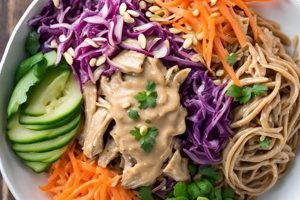
A morning meal plan adhering to vegan principles, designed to support a reduction in body weight, is a dietary approach focused on plant-based foods selected for their nutritional density and calorie management. This encompasses a variety of whole grains, fruits, vegetables, legumes, nuts, and seeds, prepared in ways that minimize added sugars, processed ingredients, and excessive fats. An example includes oatmeal with berries and nuts, or a tofu scramble with vegetables.
The adoption of such a diet can contribute to weight management through several mechanisms. Plant-based foods are often lower in calories and higher in fiber, promoting satiety and regulating blood sugar levels. Furthermore, a vegan approach typically reduces the intake of saturated fats and cholesterol, which are commonly associated with weight gain and cardiovascular health issues. Historically, plant-based diets have been linked to lower body mass indices in population studies.
Understanding the principles of macronutrient balance, portion control, and strategic meal timing is crucial for successfully implementing a morning vegan meal plan for weight management. The following sections will detail specific recipes, provide guidance on nutritional considerations, and offer practical tips for incorporating this dietary strategy into daily life.
Strategies for a Nutritious, Plant-Based Morning Meal to Support Weight Reduction
The following recommendations can aid in constructing a morning meal plan that aligns with vegan principles while promoting healthy weight management. These strategies emphasize nutrient density, calorie control, and overall dietary balance.
Tip 1: Prioritize Whole, Unprocessed Foods: Opt for ingredients in their natural state, such as whole grains, fresh fruits, and vegetables. Minimizing processed foods reduces the intake of added sugars, unhealthy fats, and artificial additives that can hinder weight loss efforts.
Tip 2: Emphasize Fiber-Rich Options: Incorporate foods high in dietary fiber, such as oats, chia seeds, flax seeds, and various fruits and vegetables. Fiber promotes satiety, regulates blood sugar levels, and supports healthy digestion, all of which contribute to weight management.
Tip 3: Control Portion Sizes: Be mindful of serving sizes to manage calorie intake effectively. Use measuring tools or visual cues to ensure accurate portions, preventing overconsumption and supporting a caloric deficit necessary for weight loss.
Tip 4: Include a Source of Plant-Based Protein: Incorporate protein sources such as tofu, tempeh, lentils, beans, or nuts and seeds. Protein aids in satiety, preserving lean muscle mass, and boosting metabolism, all beneficial for weight management.
Tip 5: Minimize Added Sugars: Limit the consumption of added sugars from sources such as syrups, refined sugars, and processed sweeteners. Opt for natural sweeteners in moderation, such as fruits or small amounts of maple syrup or agave nectar.
Tip 6: Hydrate Adequately: Drink water or unsweetened beverages throughout the morning. Hydration can help increase satiety, boost metabolism, and support overall well-being, contributing to weight management.
Tip 7: Prepare Meals in Advance: Preparing breakfasts in advance can prevent impulsive food choices and ensure adherence to a healthy meal plan. Prepare overnight oats, smoothie packs, or baked tofu in batches for convenient and nutritious options.
By integrating these strategies, individuals can effectively construct a morning meal plan that aligns with vegan principles while simultaneously supporting their weight management goals. These practices promote a balanced, nutrient-dense approach to eating, fostering sustainable lifestyle changes.
With a strong foundation in these tips, the subsequent sections will delve into specific considerations for meal planning and long-term dietary adherence.
1. Calorie Deficit

A calorie deficit, defined as consuming fewer calories than the body expends, is a fundamental principle in weight loss, regardless of dietary approach. For a breakfast meal plan emphasizing plant-based nutrition to effectively contribute to weight reduction, establishing and maintaining a calorie deficit is paramount. The selection of foods and portion sizes within a “healthy vegan breakfast for weight loss” framework directly impacts the creation and sustainment of this deficit. High-calorie vegan options, even if deemed “healthy” due to their plant-based origin, can impede progress if consumed in excess. For example, a breakfast comprised of a large portion of avocado toast on refined white bread, despite being vegan, may exceed the caloric needs of an individual aiming to lose weight, effectively negating the intended outcome. Conversely, a strategically planned breakfast consisting of oatmeal with berries and a small serving of nuts provides essential nutrients while remaining within a controlled caloric range.
The practical application of this principle requires mindful food selection and portion control. Using calorie tracking tools or consulting with a registered dietitian can aid in accurately assessing daily caloric needs and ensuring that the breakfast meal aligns with these requirements. Substituting high-calorie ingredients with lower-calorie alternatives, such as using unsweetened almond milk instead of coconut milk in smoothies or reducing the amount of added sweeteners in oatmeal, can contribute to a more significant calorie deficit without compromising nutritional value. Furthermore, the timing of the morning meal can influence its impact on weight loss; consuming breakfast relatively early in the day may help regulate appetite and prevent overeating later on. This approach emphasizes the proactive and informed management of caloric intake, leveraging the benefits of a plant-based diet while prioritizing the overarching goal of weight reduction.
In summary, the realization of a “healthy vegan breakfast for weight loss” hinges upon the establishment and consistent maintenance of a calorie deficit. By carefully selecting plant-based foods, practicing portion control, and monitoring overall caloric intake, individuals can effectively utilize this dietary strategy to achieve their weight management objectives. Challenges may arise from misinterpreting the caloric density of certain vegan foods or failing to accurately track calorie consumption; however, with informed decision-making and consistent monitoring, the synergistic relationship between a plant-based morning meal and a calorie deficit can lead to sustainable weight loss outcomes.
2. Macronutrient Balance

Achieving an appropriate macronutrient balancethe ratio of protein, carbohydrates, and fatsis critical for a “healthy vegan breakfast for weight loss.” The distribution of these macronutrients directly influences satiety, energy levels, and metabolic processes, thereby impacting weight management outcomes.
- Protein’s Role in Satiety and Metabolism
Adequate protein intake is essential for promoting satiety and preserving lean muscle mass during weight loss. Plant-based protein sources, such as tofu, tempeh, lentils, and nuts, should be strategically included in the morning meal. Insufficient protein can lead to increased hunger, cravings, and potential muscle loss, hindering weight loss efforts. For example, a breakfast consisting solely of fruit may provide carbohydrates but lack the protein necessary for sustained satiety and metabolic support.
- Carbohydrate Quality and Blood Sugar Regulation
The type and quantity of carbohydrates consumed impact blood sugar levels and insulin response. Prioritizing complex carbohydrates, such as whole grains, fruits, and vegetables, over refined grains and added sugars is crucial for maintaining stable energy levels and preventing insulin spikes. These complex carbohydrates provide fiber, which further contributes to satiety. A breakfast of refined white bread with jam, for instance, can lead to rapid blood sugar fluctuations, promoting cravings and hindering weight management.
- Healthy Fats for Satiety and Hormone Production
Healthy fats, such as those found in avocados, nuts, seeds, and olive oil, play a role in promoting satiety, supporting hormone production, and facilitating nutrient absorption. Including a moderate amount of these fats in the morning meal can contribute to sustained energy levels and overall well-being. Excluding fats altogether can lead to increased hunger and potential nutrient deficiencies. An example of a balanced approach is adding a small portion of nuts or seeds to oatmeal or a smoothie.
- Strategic Macronutrient Ratios
While specific recommendations vary based on individual needs and activity levels, a general guideline for a weight loss-focused vegan breakfast is to emphasize protein and fiber-rich carbohydrates, while including a moderate amount of healthy fats. This combination supports satiety, regulates blood sugar, and provides sustained energy. A sample macronutrient ratio might be approximately 30-40% protein, 30-40% carbohydrates, and 20-30% fats, although individual adjustments may be necessary. For instance, an athlete may require a higher carbohydrate intake to fuel their workouts.
In conclusion, achieving macronutrient balance is a critical aspect of a “healthy vegan breakfast for weight loss.” By prioritizing protein, fiber-rich carbohydrates, and healthy fats, individuals can optimize satiety, regulate blood sugar levels, and support metabolic processes conducive to weight management. Failure to address macronutrient balance can compromise the effectiveness of the breakfast meal in achieving weight loss goals, highlighting the importance of informed food choices and strategic meal planning.
3. Fiber Abundance

The integration of foods rich in dietary fiber represents a cornerstone of a morning meal plan designed to support weight reduction on a plant-based diet. Fiber, a non-digestible carbohydrate, exerts a multifaceted influence on physiological processes that promote weight management. Its capacity to increase satiety serves as a primary mechanism, creating a sensation of fullness that can curtail overall caloric intake. The physical bulk of fiber in the digestive tract slows gastric emptying, delaying the return of hunger cues. This extended feeling of satiety is particularly advantageous when aiming to establish and maintain a calorie deficit, a prerequisite for weight loss. An example includes incorporating oatmeal, a source of soluble fiber, which forms a gel-like substance in the stomach, promoting a sustained feeling of fullness. Similarly, the addition of chia seeds or flax seeds to smoothies or yogurt introduces insoluble fiber, further contributing to satiety and digestive regularity.
Beyond satiety, fiber plays a critical role in regulating blood sugar levels. By slowing the absorption of glucose into the bloodstream, fiber prevents rapid spikes and subsequent crashes in blood sugar. This effect is especially relevant in the context of breakfast, as starting the day with stable blood sugar levels can mitigate cravings and prevent overeating throughout the day. Furthermore, certain types of fiber, particularly those found in legumes and whole grains, promote the growth of beneficial gut bacteria. A healthy gut microbiome is increasingly recognized for its role in regulating metabolism and influencing body weight. This underscores the importance of selecting diverse sources of fiber to foster a balanced and thriving gut ecosystem. Practical applications include replacing refined breakfast cereals with whole-grain alternatives or incorporating a serving of beans or lentils into a breakfast burrito.
In conclusion, fiber abundance represents an indispensable element of a breakfast approach designed to facilitate weight loss on a vegan diet. By promoting satiety, stabilizing blood sugar levels, and supporting a healthy gut microbiome, fiber contributes to a holistic and sustainable weight management strategy. The challenge lies in ensuring adequate fiber intake through mindful food selection, prioritizing whole, unprocessed plant-based foods. This understanding highlights the practical significance of incorporating fiber-rich options into the morning meal, serving as a catalyst for long-term dietary adherence and improved weight management outcomes.
4. Protein Sources

The adequate inclusion of protein sources within a plant-based morning meal framework directly influences the success of a weight reduction strategy. Protein plays a critical role in satiety, metabolic function, and the preservation of lean muscle mass, all of which are crucial for effective weight management. Therefore, selecting and incorporating appropriate protein sources is essential for optimizing the benefits of a “healthy vegan breakfast for weight loss.”
- Tofu and Tempeh: Versatile Protein Staples
Tofu and tempeh, derived from soybeans, represent complete protein sources, containing all essential amino acids. Their versatility allows for incorporation into various breakfast dishes, such as scrambles, stir-fries, or smoothies. A tofu scramble with vegetables offers a savory and protein-rich alternative to traditional egg-based breakfasts. Tempeh, with its firmer texture and nutty flavor, can be crumbled and added to breakfast bowls or used as a topping for toast. The inclusion of tofu or tempeh ensures a substantial protein intake, promoting satiety and supporting muscle preservation during calorie restriction.
- Legumes: Beans and Lentils for Sustained Energy
Beans and lentils, while often associated with lunch or dinner, can be valuable additions to a vegan breakfast designed for weight loss. They provide a combination of protein and fiber, contributing to prolonged satiety and stable blood sugar levels. A breakfast burrito filled with black beans, salsa, and avocado offers a hearty and nutritious option. Lentils can be incorporated into breakfast bowls or used as a base for savory porridge. The high fiber content of legumes further aids in digestive health and promotes a feeling of fullness, supporting weight management efforts.
- Nuts and Seeds: Nutrient-Dense Protein Boosters
Nuts and seeds, such as almonds, walnuts, chia seeds, and flax seeds, provide a concentrated source of protein, healthy fats, and fiber. They can be added to oatmeal, yogurt, or smoothies to enhance the nutritional profile and increase satiety. A small handful of almonds offers a convenient and portable protein boost. Chia seeds and flax seeds can be sprinkled on top of breakfast bowls or incorporated into baked goods. The combination of protein, healthy fats, and fiber contributes to sustained energy levels and supports weight management goals.
- Plant-Based Protein Powders: Convenient Supplementation
Plant-based protein powders, derived from sources such as soy, pea, rice, or hemp, offer a convenient way to increase protein intake, particularly for individuals with higher protein needs or limited time for meal preparation. They can be added to smoothies or shakes to create a quick and easy protein-rich breakfast. However, it is crucial to select protein powders with minimal added sugars and artificial ingredients. While protein powders can be a useful supplement, they should not replace whole food sources of protein whenever possible.
The strategic incorporation of these protein sources into a plant-based morning meal is fundamental to achieving a “healthy vegan breakfast for weight loss”. The optimal selection and combination of these protein sources ensures adequate protein intake, promoting satiety, preserving lean muscle mass, and supporting metabolic function. This, in turn, enhances the effectiveness of the breakfast meal in achieving weight management objectives and promoting overall health and well-being.
5. Nutrient Density

Nutrient density, defined as the concentration of micronutrients and other beneficial compounds relative to the caloric content of a food, holds a pivotal position within a breakfast plan designed to facilitate weight loss on a plant-based diet. A “healthy vegan breakfast for weight loss” necessitates prioritizing foods that offer a high nutrient-to-calorie ratio, ensuring adequate intake of essential vitamins, minerals, antioxidants, and phytonutrients while simultaneously managing caloric intake. This approach directly impacts satiety, metabolic function, and overall health, contributing to the effectiveness and sustainability of the weight management strategy. For instance, a breakfast consisting of refined white toast with plant-based butter provides minimal nutritional value relative to its caloric content. Conversely, a breakfast composed of spinach, berries, and tofu scramble delivers a substantial dose of micronutrients and antioxidants within a comparable caloric range. This choice supports optimal physiological functioning and promotes satiety through a diverse nutrient profile.
The practical application of nutrient density involves strategic food selection and mindful meal composition. Emphasizing whole, unprocessed plant-based foods is paramount. Leafy green vegetables, such as spinach and kale, offer a wealth of vitamins and minerals, while berries provide antioxidants and fiber. Whole grains, such as oats and quinoa, supply complex carbohydrates and essential nutrients. Legumes and tofu provide protein and micronutrients. Limiting the consumption of processed vegan foods, which often contain added sugars, unhealthy fats, and artificial additives, is essential for maintaining a nutrient-dense diet. This approach requires conscious effort and informed decision-making, including scrutinizing nutrition labels and prioritizing whole, minimally processed ingredients. Furthermore, strategic food preparation methods can enhance nutrient availability; for example, lightly steaming vegetables preserves more nutrients than boiling.
In summary, nutrient density is an indispensable component of a breakfast strategy designed to promote weight loss on a plant-based diet. By prioritizing foods with a high nutrient-to-calorie ratio, individuals can optimize their intake of essential vitamins, minerals, and antioxidants while effectively managing caloric intake. This approach supports satiety, metabolic function, and overall health, contributing to the long-term success and sustainability of the weight management endeavor. Challenges may arise from the misconception that all vegan foods are inherently healthy, necessitating careful attention to food selection and meal composition. However, with informed choices and mindful practices, the integration of nutrient-dense foods into a “healthy vegan breakfast for weight loss” can significantly enhance weight management outcomes and promote overall well-being.
6. Portion Control

Portion control, the practice of managing the quantity of food consumed at each meal, is a critical determinant in the efficacy of any weight loss strategy, including one centered around a plant-based morning meal. The inherent nutritional benefits of a vegan diet can be negated if energy intake consistently exceeds expenditure. Effective portion control ensures that even nutrient-dense, plant-based foods contribute to a caloric deficit necessary for weight reduction.
- Visual Cues and Measuring Tools
Visual estimation of portion sizes is often inaccurate, leading to unintentional overconsumption. Employing measuring cups, spoons, and food scales provides precise quantification of servings. Utilizing smaller plates and bowls can also create the visual impression of larger portions, aiding in satiety without increasing caloric intake. In a “healthy vegan breakfast for weight loss” context, this might involve measuring out the precise amount of oats, nuts, or seeds added to a morning meal.
- Caloric Density Awareness
Plant-based foods exhibit a wide range of caloric densities. While fruits and vegetables tend to be lower in calories per volume, foods such as nuts, seeds, and avocados are calorie-dense. Portion control necessitates an understanding of these differences. Overconsumption of calorie-dense plant-based foods can easily derail weight loss efforts, even when adhering to vegan principles. Careful portioning of nut butters or avocado on toast is essential.
- Mindful Eating Practices
Engaging in mindful eating cultivates an awareness of hunger and satiety cues, promoting more judicious food consumption. Eating slowly, savoring each bite, and minimizing distractions can prevent overeating. Applying mindful eating to a “healthy vegan breakfast for weight loss” involves paying attention to the body’s signals of fullness, thereby avoiding the consumption of excessive portions even when presented with nutritious options.
- Pre-Portioning and Meal Preparation
Pre-portioning meals and snacks eliminates ambiguity regarding appropriate serving sizes. Preparing individual portions of breakfast components, such as overnight oats or smoothie ingredients, can significantly reduce the likelihood of overconsumption. This strategy fosters consistent adherence to portion control guidelines, contributing to a more effective weight management plan centered on a plant-based morning meal.
The integration of these facets of portion control ensures that a “healthy vegan breakfast for weight loss” remains effective in achieving its intended outcome. The nutritional advantages of plant-based foods are maximized when coupled with a conscious effort to manage the quantity of food consumed, fostering a sustainable approach to weight management and overall well-being.
Frequently Asked Questions about Healthy Vegan Breakfast for Weight Loss
The following section addresses common inquiries regarding the implementation and effectiveness of a morning meal plan adhering to vegan principles, designed to promote weight reduction.
Question 1: Is a vegan breakfast inherently conducive to weight loss?
A vegan breakfast is not automatically a guarantee for weight loss. While plant-based diets often feature lower calorie densities and higher fiber content, caloric excess is still possible. Strategic food selection and portion management remain crucial for achieving a caloric deficit.
Question 2: What are the primary protein sources for a vegan breakfast aimed at weight loss?
Effective protein sources include tofu, tempeh, lentils, beans, nuts, seeds, and plant-based protein powders. A combination of these sources can ensure adequate protein intake to promote satiety and preserve muscle mass.
Question 3: How crucial is fiber in a vegan breakfast plan for weight loss?
Fiber plays a vital role. It enhances satiety, stabilizes blood sugar levels, and promotes healthy digestion, all of which contribute to weight management. Prioritize whole grains, fruits, vegetables, and legumes to maximize fiber intake.
Question 4: Can high-fat vegan foods hinder weight loss efforts?
Yes, excessive consumption of high-fat vegan foods, such as nuts, seeds, avocados, and coconut products, can impede weight loss. Portion control and mindful selection of fat sources are essential.
Question 5: What are some examples of nutrient-dense vegan breakfast options?
Examples include oatmeal with berries and nuts, tofu scramble with vegetables, smoothies with spinach and plant-based protein powder, and breakfast burritos with black beans and avocado.
Question 6: Is it necessary to track calories for a “healthy vegan breakfast for weight loss” plan to be effective?
While not mandatory, calorie tracking can be a valuable tool for monitoring energy intake and ensuring adherence to a caloric deficit. It is particularly helpful for individuals who struggle with portion control or are unsure of their caloric needs.
Implementing a strategic and well-informed approach is paramount for successfully utilizing a plant-based morning meal plan to support weight reduction. Careful food selection, portion management, and mindful eating habits are essential for achieving desired outcomes.
The following section will provide practical tips for implementing these recommendations into daily life, fostering a sustainable and health-promoting dietary routine.
Conclusion
The preceding examination of a “healthy vegan breakfast for weight loss” underscores the multifaceted nature of this dietary strategy. Successful implementation hinges on a holistic approach, integrating principles of calorie control, macronutrient balance, fiber abundance, strategic protein sourcing, nutrient density optimization, and disciplined portion management. The absence of any of these elements can compromise the effectiveness of the plan.
While adopting a plant-based morning meal offers potential advantages for weight management, sustained adherence requires informed decision-making and consistent effort. Prioritizing whole, unprocessed foods, practicing mindful eating, and seeking guidance from qualified professionals can enhance the likelihood of achieving lasting and beneficial outcomes. The long-term impact of a well-executed “healthy vegan breakfast for weight loss” extends beyond weight reduction, fostering improved metabolic health and overall well-being.