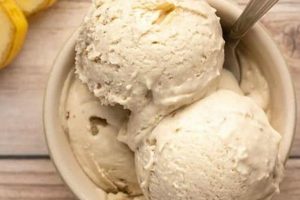
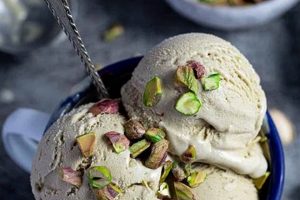
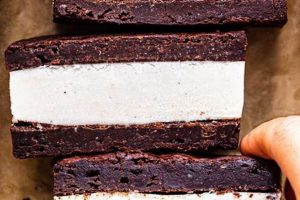
Plant-based frozen desserts, formulated without animal products and prioritizing nutritional density, represent a growing segment within the food industry. These alternatives to traditional dairy-based confections often incorporate ingredients such as nuts, seeds, fruits, and plant-based milks to achieve a creamy texture. Examples include formulations based on cashew cream, coconut milk, or avocado, with minimal added sugars and artificial additives.
Choosing nutritionally sound options within this category can offer several advantages. These may include lower saturated fat content compared to conventional products, as well as increased fiber or micronutrient intake depending on the specific ingredients. The development and popularity of these desserts reflect a broader trend toward mindful eating and dietary inclusivity, appealing to individuals with specific dietary restrictions or ethical considerations.
Subsequent sections will delve into specific ingredient considerations, analyze common nutritional profiles, and provide guidance on selecting commercially available or homemade versions that align with health-conscious preferences.
Guidance on Selecting Plant-Based Frozen Desserts
The following recommendations aim to assist in making informed choices when selecting plant-based frozen dessert options, focusing on nutritional considerations and ingredient awareness.
Tip 1: Prioritize Minimal Added Sugars: Scrutinize nutrition labels, seeking products with lower sugar content per serving. Naturally occurring sugars from fruits are preferable to refined sugar or high-fructose corn syrup.
Tip 2: Evaluate Ingredient Lists: Opt for products with shorter, recognizable ingredient lists. Avoid formulations with excessive artificial flavors, colors, or preservatives.
Tip 3: Assess Fat Composition: Distinguish between sources of fat. Products utilizing nut-based creams (e.g., cashew) may contain higher levels of unsaturated fats, which are generally considered more beneficial than saturated fats from coconut oil in excess.
Tip 4: Consider Protein and Fiber Content: Look for options that incorporate sources of protein and fiber, such as nuts, seeds, or legumes. These nutrients can contribute to increased satiety and improved blood sugar control.
Tip 5: Be Mindful of Portion Sizes: Regardless of the perceived health benefits, consume these frozen desserts in moderation. Pay attention to serving sizes indicated on packaging and adhere to recommended amounts.
Tip 6: Explore Homemade Alternatives: Prepare frozen desserts at home to exert greater control over ingredients and nutritional profiles. Recipes incorporating whole fruits, plant-based milks, and natural sweeteners offer a customizable approach.
Tip 7: Check for Certifications: Look for third-party certifications, such as organic or non-GMO, to ensure adherence to specific production standards and ingredient sourcing practices.
Adhering to these suggestions can facilitate the selection of plant-based frozen dessert options that align with individual dietary goals and promote informed consumption habits.
The subsequent section will address specific brand comparisons and offer further guidance on integrating these desserts into a balanced dietary pattern.
1. Minimal Added Sugars

The presence, or rather the absence, of significant quantities of added sugars profoundly influences the nutritional profile and health implications of plant-based frozen desserts. Formulations with reduced added sugar content are generally favored within the spectrum of healthier options, owing to the direct impact on glycemic response and overall caloric load.
- Glycemic Index and Blood Sugar Regulation
Excessive added sugars contribute to rapid spikes in blood glucose levels, potentially leading to insulin resistance and increased risk of type 2 diabetes. Plant-based frozen desserts with minimal added sugars mitigate this risk, promoting more stable blood sugar regulation. An example is a formulation sweetened primarily with stevia or erythritol in lieu of sucrose or corn syrup.
- Caloric Density and Weight Management
Added sugars contribute “empty calories,” providing energy without essential nutrients. Plant-based frozen desserts high in added sugars can contribute to weight gain and associated metabolic complications. Products relying on fruit purees for sweetness, while containing natural sugars, often present a lower overall caloric impact compared to those laden with refined sweeteners.
- Impact on Gut Microbiome
High sugar consumption can negatively alter the composition of the gut microbiome, potentially promoting the growth of detrimental bacteria and contributing to inflammation. Plant-based desserts with minimal added sugars are less likely to disrupt the delicate balance of the gut ecosystem. For instance, inulin-based prebiotic sweeteners, while technically additives, may offer some prebiotic benefits compared to simple sugars.
- Reduced Risk of Dental Caries
Frequent consumption of sugary foods and beverages increases the risk of dental caries. Plant-based frozen desserts with minimal added sugars contribute to improved oral health. The use of sugar alcohols, such as xylitol, as sweeteners may even provide some protective effects against tooth decay.
The emphasis on minimal added sugars is thus integral to the pursuit of nutritionally sound plant-based frozen desserts. By prioritizing formulations with reduced sugar content, consumers can mitigate potential metabolic risks, support healthy weight management, promote a balanced gut microbiome, and improve oral health. These considerations collectively contribute to a more comprehensive definition of a “healthier” plant-based frozen dessert.
2. Clean Ingredient Lists

The composition of a plant-based frozen dessert’s ingredient list directly correlates with its overall nutritional value and perceived healthfulness. A “clean” ingredient list, characterized by recognizable, whole-food ingredients and the absence of artificial additives, is a crucial determinant of a healthier alternative. The causal link between a clean list and improved health outcomes stems from minimizing the intake of potentially harmful substances and maximizing the consumption of beneficial nutrients. For example, a product containing only coconut milk, fruit puree, vanilla extract, and a natural sweetener contrasts sharply with one laden with modified food starches, artificial flavors, and synthetic colors.
The importance of scrutinizing ingredient lists extends beyond simply avoiding undesirable substances. It allows consumers to make informed choices based on the quality and source of ingredients. A product utilizing sustainably sourced cocoa or organically grown fruits demonstrates a commitment to both environmental and personal health. Furthermore, the absence of common allergens, such as soy or gluten, broadens the appeal and accessibility of these desserts to individuals with dietary restrictions. The practical significance lies in empowering consumers to actively participate in their health by selecting products that align with their values and nutritional needs. For instance, someone seeking to minimize processed ingredients would prioritize a dessert listing whole, unprocessed nuts and seeds over refined nut butters with added oils and preservatives.
In summary, the presence of a clean ingredient list is not merely a marketing claim but a tangible indicator of a plant-based frozen dessert’s nutritional integrity. This attribute signifies a commitment to minimally processed, whole-food ingredients, free from artificial additives and common allergens. Recognizing and prioritizing clean ingredient lists is a fundamental step towards selecting healthier plant-based dessert options, contributing to improved dietary choices and overall well-being. Challenges remain in deciphering complex ingredient lists and identifying deceptive marketing practices, underscoring the need for consumer education and transparent labeling regulations.
3. Beneficial Fat Sources

The lipid composition of plant-based frozen desserts significantly influences their nutritional profile and overall impact on health. The incorporation of beneficial fat sources is a critical determinant in distinguishing between a simply vegan dessert and a truly health-conscious one. Unsaturated fats, particularly monounsaturated and polyunsaturated fatty acids, derived from sources such as nuts, seeds, and avocados, are preferable to saturated fats commonly found in coconut oil, a frequent ingredient in many vegan ice cream formulations. The causal mechanism lies in the differential effects of these fats on serum cholesterol levels and cardiovascular health. For instance, a dessert utilizing cashew cream or avocado as its base contributes valuable monounsaturated fats, known for their cardioprotective properties, while minimizing the potentially adverse effects associated with high saturated fat intake.
The practical significance of understanding the fat composition extends to making informed dietary choices and managing specific health conditions. Individuals with elevated cholesterol levels or a family history of heart disease can actively mitigate their risk by selecting plant-based frozen desserts that prioritize unsaturated fat sources. Furthermore, the inclusion of omega-3 fatty acids, derived from ingredients such as flax seeds or walnuts, can offer additional health benefits, including anti-inflammatory properties. However, even beneficial fats should be consumed in moderation, as they remain calorically dense. A serving of almond-based frozen dessert, rich in monounsaturated fats and omega-3s, should be balanced within the context of a comprehensive dietary plan.
In conclusion, the selection of beneficial fat sources is an indispensable aspect of formulating and selecting nutritionally optimized plant-based frozen desserts. Prioritizing unsaturated fats from nuts, seeds, and avocados, while minimizing saturated fats from coconut oil, contributes to improved cardiovascular health and aligns with broader dietary recommendations. The challenge lies in transparent labeling practices and educating consumers to discern between different types of fats and their respective impacts on well-being. Further research is warranted to explore novel fat sources and optimize the lipid profiles of these increasingly popular desserts.
4. Protein and Fiber

The inclusion of protein and fiber in plant-based frozen desserts significantly enhances their nutritional value, transforming them from simple treats into more substantial and healthful dietary options. The presence of these macronutrients affects satiety, blood sugar regulation, and overall dietary balance.
- Enhanced Satiety and Appetite Control
Protein and fiber contribute to increased satiety, reducing the likelihood of overconsumption. These nutrients slow gastric emptying and promote the release of satiety hormones. For example, a plant-based dessert incorporating pea protein and chia seeds will likely result in greater feelings of fullness compared to a similar product devoid of these components, aiding in appetite management.
- Stabilized Blood Sugar Levels
The presence of protein and fiber mitigates the glycemic response associated with the consumption of sugars, whether natural or added. Fiber slows the absorption of glucose into the bloodstream, while protein can enhance insulin sensitivity. As an illustration, a dessert combining almond butter (protein and fiber source) with fruit puree will produce a more gradual increase in blood sugar compared to a solely fruit-based option.
- Improved Digestive Health
Fiber promotes healthy digestion by adding bulk to the stool and supporting the growth of beneficial gut bacteria. Different types of fiber, such as soluble and insoluble, offer distinct benefits. Plant-based desserts utilizing ingredients like oats or flaxseed meal contribute to improved gut health and regularity.
- Contribution to Macronutrient Balance
Incorporating protein and fiber into plant-based frozen desserts contributes to a more balanced macronutrient profile, providing essential building blocks and supporting various bodily functions. This is particularly relevant for individuals following vegan diets who may need to consciously seek out protein sources. A dessert fortified with plant-based protein powder or nut butter complements other dietary protein sources and supports muscle maintenance and repair.
Integrating protein and fiber into plant-based frozen desserts is therefore essential for creating nutritionally superior alternatives. These additions not only enhance satiety and stabilize blood sugar but also promote improved digestive health and contribute to a more balanced macronutrient intake. The strategic inclusion of protein and fiber transforms these desserts from occasional indulgences into components that can contribute positively to overall dietary well-being.
5. Moderate Portion Sizes

Even the most nutritionally optimized plant-based frozen dessert retains caloric density. Consequently, adherence to moderate portion sizes is paramount to realizing any purported health benefits. Overconsumption, regardless of ingredient quality, negates potential advantages by contributing to excess caloric intake and potential weight gain. The cause-and-effect relationship is direct: larger portions translate to a higher energy load, potentially disrupting energy balance and hindering weight management efforts. A dessert boasting minimal added sugar, beneficial fats, and added protein loses its healthful edge when consumed in excessive quantities. For example, a recommended serving size of one-half cup may contain a reasonable calorie count, but doubling or tripling that serving significantly increases the overall caloric impact.
The importance of portion control is further underscored by its impact on metabolic health. Large servings, even of lower-glycemic index foods, can still trigger insulin responses and contribute to metabolic dysregulation over time. Therefore, the practical significance lies in recognizing that the healthfulness of a dessert is not solely determined by its ingredients but also by the volume consumed. Strategies for portion control include pre-portioning desserts into individual servings, utilizing smaller bowls or containers, and practicing mindful eating to enhance awareness of satiety cues. An individual committed to managing blood sugar levels, for instance, must prioritize portion moderation even when selecting a dessert with a lower sugar content.
In conclusion, moderate portion sizes are an indispensable component of incorporating any dessert, including plant-based options, into a balanced dietary pattern. Overriding this principle diminishes the value of even the most carefully formulated ingredients. Challenges arise from societal norms promoting larger serving sizes and the inherent palatability of desserts. The practical application of portion control, therefore, requires conscious effort, mindful awareness, and strategies to manage consumption volume. The integration of portion size awareness contributes significantly to the realization of health benefits from plant-based frozen desserts and promotes sustainable dietary habits.
Frequently Asked Questions About “Healthiest Vegan Ice Cream”
The following questions address common inquiries and misconceptions surrounding plant-based frozen desserts formulated with health considerations in mind.
Question 1: Is all vegan ice cream inherently healthy?
No. The term “vegan” merely indicates the absence of animal-derived ingredients. A vegan ice cream can still be high in sugar, saturated fat, and artificial additives, thereby negating any potential health benefits. Scrutinizing the ingredient list and nutritional information is essential.
Question 2: What are the primary ingredients to avoid in a plant-based frozen dessert?
Ingredients such as excessive added sugars (e.g., sucrose, corn syrup), artificial flavors and colors, and large quantities of saturated fat (often from coconut oil) should be minimized. These components contribute to increased caloric density and potential adverse health effects.
Question 3: Are homemade plant-based frozen desserts necessarily healthier than store-bought options?
Not always. While homemade versions offer greater control over ingredients, the resulting nutritional profile depends entirely on the recipe and preparation methods employed. A homemade dessert loaded with sugar and coconut cream may be less healthy than a carefully selected commercially available option.
Question 4: What role does protein play in a nutritious plant-based frozen dessert?
Protein contributes to increased satiety, which can help manage portion sizes and overall caloric intake. It also provides essential amino acids. Look for options incorporating ingredients like nut butters, seeds, or plant-based protein powders.
Question 5: Can plant-based frozen desserts contribute to a balanced diet?
Yes, provided they are consumed in moderation as part of a well-rounded eating plan. The focus should be on incorporating whole, unprocessed foods as the foundation of the diet, with plant-based frozen desserts serving as occasional treats rather than dietary staples.
Question 6: What are some signs of a truly “healthiest” plant-based frozen dessert?
Indicators include a short, recognizable ingredient list, minimal added sugars, the presence of beneficial fats (e.g., from nuts and seeds), adequate protein and fiber content, and a reasonable calorie count per serving.
Informed decision-making requires a careful assessment of ingredients, nutritional information, and portion sizes. The term “vegan” alone does not guarantee healthfulness.
The subsequent section will provide practical tips for incorporating plant-based frozen desserts into a healthy lifestyle.
Conclusion
The foregoing analysis has explored critical considerations for identifying plant-based frozen desserts that prioritize nutritional value. The components of a healthful option encompass minimal added sugars, clean ingredient lists, beneficial fat sources, and adequate protein and fiber content, alongside judicious portion control. A product’s adherence to the “vegan” designation alone does not guarantee a positive impact on health; rigorous evaluation of its constituent elements is imperative.
The pursuit of informed dietary choices requires a commitment to understanding ingredient composition and nutritional profiles. It is incumbent upon consumers to critically assess product labels, prioritize whole, unprocessed foods, and exercise moderation in the consumption of even seemingly healthier dessert options. Future advancements in food technology may yield increasingly nutritious plant-based alternatives, but the principles of mindful consumption will remain paramount.