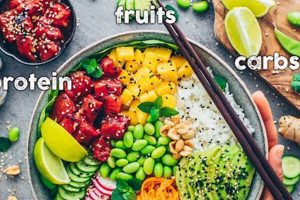
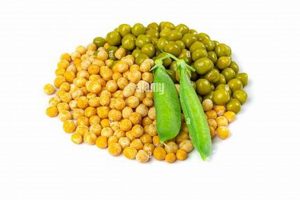
Plant-based culinary options in the Hellenic Republic represent a growing segment of the nation’s food landscape. These dishes exclude all animal products, including meat, dairy, eggs, and honey, focusing instead on utilizing the abundant vegetables, fruits, legumes, grains, and herbs indigenous to the region. Examples include fava (yellow split pea puree), dolmades (stuffed grape leaves), and various salads featuring fresh produce.
The increasing availability of plant-based meals in this locale addresses several contemporary concerns. It caters to evolving dietary preferences, supports sustainable agriculture by minimizing reliance on livestock, and potentially offers health advantages related to lower saturated fat and cholesterol intake. Historically, elements of a plant-based diet were already present within the traditional Lenten practices of the Greek Orthodox Church, which restrict animal product consumption during certain periods.
The following sections will delve into specific dishes, regional variations, and the burgeoning restaurant scene catering to this dietary approach. Further examination will explore the availability of specialty ingredients and the broader cultural integration of these culinary choices.
Successful adherence to a plant-based diet while traveling in Greece requires careful planning and awareness of available options. These tips aim to provide guidance for individuals seeking authentic and satisfying culinary experiences that align with their dietary principles.
Tip 1: Learn Key Phrases. Familiarity with basic Greek phrases, such as “eimai vegan” (I am vegan) and “den echo zootika proionta” (I do not eat animal products), will facilitate communication with restaurant staff.
Tip 2: Research Regional Specialties. Different regions of Greece offer unique plant-based dishes. Crete, for example, is renowned for its vegetable-rich cuisine, while other areas may require more diligent searching for suitable options.
Tip 3: Utilize Online Resources. Numerous websites and mobile applications provide listings and reviews of restaurants offering plant-based choices. Consult these resources before visiting a new location.
Tip 4: Focus on Traditional “Nistisima” Dishes. Many dishes traditionally consumed during fasting periods (Nistisima) are naturally plant-based. Enquire about these options, which often include legume-based stews, vegetable dishes, and salads.
Tip 5: Inquire About Ingredients. Do not hesitate to ask restaurant staff about the ingredients used in dishes. Hidden animal products, such as butter or cheese, may be present in seemingly plant-based items.
Tip 6: Prepare for Limited Options in Rural Areas. In smaller villages and rural areas, plant-based choices may be less readily available. Consider packing snacks or planning meals in advance.
Tip 7: Visit Farmers Markets. Local farmers markets offer an abundance of fresh produce, allowing individuals to prepare their own meals or snacks. They also provide an opportunity to interact with local growers and learn about regional ingredients.
Adhering to these suggestions will increase the likelihood of enjoying a satisfying and authentic culinary journey while maintaining a commitment to a plant-based diet in Greece. Preparation and communication are key to navigating the local food culture successfully.
Consider these insights as the foundation for your independent exploration of Hellenic plant-based offerings. Further investigation will reveal an array of hidden culinary gems.
1. Legumes

Legumes constitute a critical component of plant-based dining within Greece, providing essential protein and fiber sources. Their prominence directly addresses nutritional requirements typically met by animal products in non-vegetarian diets. The prevalence of dishes featuring beans, lentils, chickpeas, and peas effectively mitigates protein deficiencies often associated with exclusively plant-based food consumption. Fava, a pure of yellow split peas, exemplifies this connection; it’s a widely consumed appetizer or side dish, demonstrating the straightforward application of legumes in traditional plant-based fare. The cultivation of these crops also aligns with sustainable agricultural practices common throughout Greece, further reinforcing their role in a broader context.
Beyond fava, gigantes plaki, a baked dish of large white beans in a tomato-based sauce, exemplifies the versatility of legumes. Bean soups and lentil stews are also commonplace, particularly during periods of religious fasting. Furthermore, certain varieties of chickpeas are roasted and consumed as snacks, offering a convenient and nutritious alternative to processed foods. The adaptability of legumes extends to their inclusion in salads and as fillings for savory pies, showcasing their capacity to contribute to diverse flavor profiles and textures.
In summary, the utilization of legumes is fundamental to the feasibility and nutritional completeness of plant-based diets in Greece. While challenges may arise in identifying specific legume-based dishes within menus not explicitly designated as vegetarian or vegan, awareness of traditional recipes and ingredients allows for informed choices. Their significance transcends mere dietary considerations, reflecting the historical integration of these crops into the nation’s agricultural practices and culinary heritage.
2. Olive Oil

Olive oil constitutes a foundational element within Greek cuisine, assuming heightened significance in plant-based preparations. Its widespread usage transcends mere flavoring, impacting nutritional profiles, cooking methods, and the overall culinary identity of plant-based meals in the region. The type of olive oil affects the resulting flavor profile and cooking suitability, with extra virgin olive oil typically favored for its superior quality and health benefits.
- Primary Cooking Medium
Olive oil serves as the principal cooking medium for sauteing vegetables, frying plant-based fritters (such as tomato keftedes), and roasting root vegetables. Its high smoke point and resistance to oxidation make it a stable and healthful option for high-temperature cooking, mitigating the formation of harmful compounds often associated with other oils. This role is crucial in maintaining both flavor and nutritional integrity.
- Dressing and Finishing Agent
Beyond cooking, olive oil is employed as a dressing for salads, a finishing drizzle over cooked vegetables, and a key ingredient in sauces and dips. Its fruity and peppery notes enhance the natural flavors of plant-based ingredients, creating complex and satisfying dishes. The simple act of drizzling olive oil over horta (boiled greens) exemplifies this minimalist yet impactful application.
- Flavor Infusion
Olive oil serves as a vehicle for flavor infusion, with herbs, garlic, and chili peppers commonly added to create infused oils. These infused oils add depth and complexity to plant-based meals, elevating simple dishes like grilled vegetables or bean stews. The practice of preserving olives in olive oil is another example, extending shelf life while imparting additional flavor.
- Nutritional Contribution
Olive oil is a rich source of monounsaturated fats, antioxidants, and anti-inflammatory compounds. Its inclusion in plant-based meals contributes to cardiovascular health and overall well-being. Replacing animal-based fats with olive oil aligns with the health benefits associated with Mediterranean diets, promoting a more balanced and nutritious dietary pattern.
In summation, olive oil’s multifaceted role extends beyond mere ingredient status. Its presence significantly influences the characteristics of Hellenic plant-based cuisine, underscoring its importance from both culinary and nutritional standpoints. The careful selection and utilization of olive oil represents a critical element in crafting authentic and satisfying plant-based meals within the Greek context.
3. Fresh Produce
The abundance and variety of fresh produce available in Greece form the bedrock of its plant-based cuisine. Seasonality dictates the availability of these ingredients, influencing both culinary traditions and the composition of individual dishes. This reliance on fresh, locally sourced fruits and vegetables is fundamental to understanding plant-based culinary practices within the Hellenic Republic.
- Seasonal Availability and Menu Composition
The seasonal nature of fresh produce directly impacts menu options in restaurants and home kitchens. Dishes are crafted around the ingredients that are at their peak ripeness and flavor. For example, during the summer months, tomatoes, cucumbers, and peppers are plentiful and feature prominently in salads and cooked dishes. Conversely, winter meals incorporate root vegetables, greens, and citrus fruits. This seasonality fosters creativity and adaptability in plant-based culinary practices.
- Regional Variations in Produce
Different regions of Greece boast unique agricultural landscapes and microclimates, leading to variations in available produce. Crete, known for its fertile land and mild climate, offers a diverse range of fruits and vegetables year-round. The Peloponnese region is renowned for its citrus groves and olive farms. These regional differences contribute to the diversity of plant-based dishes across Greece, with specific ingredients defining local specialties.
- Impact on Nutritional Value
The emphasis on fresh produce directly contributes to the nutritional value of plant-based meals. Locally sourced fruits and vegetables retain higher levels of vitamins, minerals, and antioxidants compared to imported or processed alternatives. This focus on fresh ingredients supports a diet rich in essential nutrients, aligning with the health benefits associated with plant-based eating patterns.
- Cultural Significance and Culinary Traditions
The use of fresh produce is deeply ingrained in Greek culinary traditions. Many traditional dishes rely on simple preparations that highlight the natural flavors of the ingredients. Horiatiki salad, a combination of tomatoes, cucumbers, onions, olives, and feta cheese (which can be omitted or substituted for a plant-based alternative), exemplifies this focus on fresh, unprocessed ingredients. The act of sharing a meal featuring fresh produce is also a central element of Greek social culture.
In conclusion, the availability, diversity, and cultural significance of fresh produce are inextricably linked to the character of plant-based dining in Greece. This emphasis on seasonal, locally sourced ingredients not only defines the flavor profiles of individual dishes but also contributes to the nutritional and cultural richness of this culinary tradition. This element exemplifies the core connection between agricultural practices and plant-based food preparation within the region.
4. Herbs & Spices

The strategic use of herbs and spices fundamentally shapes the flavor profiles of plant-based dishes in Greece. These ingredients serve as crucial flavor enhancers, frequently compensating for the absence of animal-derived fats and proteins, which typically contribute richness and umami to non-vegetarian cuisine. Their application is integral to achieving culinary depth and complexity.
- Enhancement of Vegetable Flavors
Herbs and spices amplify the inherent flavors of vegetables, transforming simple ingredients into complex and satisfying dishes. Oregano, a staple in Greek cuisine, elevates the taste of roasted vegetables, salads, and bean stews. Dill complements the freshness of cucumbers and zucchini, creating a harmonious balance of flavors. The strategic pairing of herbs and spices with vegetables is essential for creating palatable and flavorful meals.
- Creation of Aromatic Complexity
The skillful blending of herbs and spices generates aromatic complexity in plant-based dishes, contributing to a multi-sensory dining experience. Aromatic herbs such as thyme and rosemary impart earthy and slightly sweet notes, while spices like cinnamon and cloves add warmth and depth. The combination of these elements creates a nuanced and memorable flavor profile, transforming ordinary meals into culinary experiences.
- Substitution for Animal-Derived Flavor
Herbs and spices function as effective substitutes for the flavors typically derived from animal products. Smoked paprika can impart a smoky flavor similar to bacon, while nutritional yeast offers a savory, cheese-like note. The application of these ingredients allows for the creation of plant-based versions of traditional Greek dishes that maintain a similar level of flavor complexity.
- Provision of Health Benefits
Beyond their culinary role, many herbs and spices possess inherent health benefits, including antioxidant and anti-inflammatory properties. The regular consumption of dishes seasoned with these ingredients contributes to overall well-being. The addition of herbs and spices enhances the nutritional value of plant-based meals, offering a combination of flavor and health benefits.
The judicious use of herbs and spices is a defining characteristic of Hellenic plant-based cuisine. Their application is not merely supplemental, but rather integral to achieving flavor depth, creating aromatic complexity, and enhancing the overall culinary experience. The careful selection and combination of these ingredients contribute significantly to the character and appeal of Greek plant-based cuisine.
5. Traditional Dishes

The adaptation of traditional Greek dishes to accommodate plant-based dietary requirements necessitates a careful understanding of both culinary heritage and ingredient substitution. The process involves identifying dishes inherently plant-based or amenable to modification, preserving the essence of traditional flavors while adhering to vegan principles.
- Nistisima Cuisine
The Greek Orthodox tradition of fasting (Nistisima) provides a foundation for plant-based options. During these periods, animal products are restricted, resulting in numerous dishes that are naturally vegan. Dolmades (stuffed grape leaves), fava (yellow split pea puree), and various bean stews fall under this category. The Nistisima tradition represents a readily available source of plant-based culinary options deeply rooted in Greek culture.
- Ingredient Substitution in Classic Dishes
Iconic Greek dishes often require modification to align with vegan principles. Moussaka, traditionally layered with meat and bchamel sauce, can be adapted using lentils or vegetables in place of meat and a plant-based bchamel made from nut milk or vegetable puree. Pastitsio, a baked pasta dish, can undergo similar transformations, retaining its fundamental structure and flavor profile through strategic ingredient substitutions. However, altering traditional recipes may be met with resistance from culinary purists.
- Emphasis on Seasonal Vegetables and Legumes
Greek cuisine prioritizes seasonal vegetables and legumes, providing ample opportunities for plant-based creativity. Horiatiki salad, with the exclusion of feta cheese, exemplifies this approach. Vegetable-based stews, featuring ingredients like okra, eggplant, and zucchini, are also common. Legumes, such as gigantes beans and lentils, form the basis of hearty and nutritious soups and stews. These dishes showcase the natural abundance of plant-based ingredients in the Greek landscape.
- Regional Variations and Adaptations
Regional variations in Greek cuisine offer diverse possibilities for plant-based exploration. Crete, known for its vegetable-rich diet, presents numerous naturally vegan options. Other regions may require more diligent searching and ingredient modification. The adaptability of traditional recipes to local ingredients and preferences allows for the creation of unique and culturally relevant plant-based dishes.
In conclusion, the integration of plant-based principles into traditional Greek cuisine requires a nuanced approach. Drawing upon Nistisima cuisine, strategically substituting ingredients, emphasizing seasonal vegetables and legumes, and exploring regional variations enables the creation of authentic and satisfying plant-based meals. These adaptations represent a continuation of Greek culinary traditions within a contemporary dietary context.
6. Regional Variations

The intersection of regional variations within Greece and plant-based food practices yields a diverse culinary landscape. Geographical factors, including climate, soil composition, and proximity to the sea, dictate the availability of specific plant-based ingredients, subsequently influencing traditional recipes and dietary customs. The effect is a mosaic of regional specialties that contribute to the overall character of plant-based cuisine in the Hellenic Republic. For example, Crete, with its mild climate and fertile soil, boasts a wide array of vegetables and fruits readily incorporated into plant-based dishes. This contrasts with the mountainous regions of northern Greece, where reliance on legumes and preserved vegetables is more prevalent due to harsher growing conditions. The recognition of these regional variations is critical for understanding the authenticity and historical context of plant-based food consumption within Greece.
Practical application of this knowledge extends to culinary tourism and recipe adaptation. Individuals seeking plant-based meals can benefit from researching regional specialties to discover authentic dishes aligned with their dietary preferences. Chefs and home cooks can draw inspiration from regional variations to create innovative plant-based recipes that showcase the diversity of Greek ingredients and culinary traditions. Understanding these regional differences also facilitates effective communication with restaurant staff and local producers, enabling informed choices and access to suitable ingredients. Consider the prevalence of “horta” (wild greens) on various islands; the specific greens used, and thus the flavor profiles, will differ greatly, showcasing a local adaptation of a central theme.
In summation, regional variations are not merely peripheral details but rather integral components of plant-based cuisine in Greece. Acknowledging these differences allows for a deeper appreciation of the historical, geographical, and cultural factors that shape dietary practices. While challenges may arise in accessing specific regional ingredients outside of their origin, the understanding of these variations enhances the ability to navigate and appreciate the diversity of plant-based options available throughout the country, linking local ecosystems and plant based eating.
Frequently Asked Questions
The following addresses commonly encountered inquiries regarding plant-based culinary options within the Hellenic Republic. The objective is to provide clarity and accurate information concerning the availability, nutritional aspects, and cultural context of this dietary approach.
Question 1: Is plant-based dining readily accessible throughout Greece?
Accessibility varies geographically. Major cities and tourist destinations generally offer a wider selection of dedicated plant-based restaurants and eateries with vegan-friendly menus. Rural areas and smaller islands may present limited options, requiring advance planning and knowledge of local ingredients.
Question 2: Are traditional Greek dishes easily adaptable to plant-based diets?
Certain traditional dishes are inherently plant-based, particularly those associated with Lenten practices (Nistisima). Others require ingredient substitutions to eliminate animal products. The success of adaptation depends on maintaining the essence of the original flavors and textures using plant-derived alternatives.
Question 3: What are the primary sources of protein in plant-based meals in Greece?
Legumes, including beans, lentils, and chickpeas, constitute the primary protein sources. These are incorporated into stews, soups, salads, and purees. Nuts and seeds also contribute to protein intake, albeit to a lesser extent.
Question 4: Is olive oil the sole cooking oil used in plant-based Greek cuisine?
Olive oil is the predominant cooking oil; however, other vegetable oils may be employed. Inquiry regarding the specific oil used in preparation is recommended to ensure adherence to plant-based principles.
Question 5: How does seasonality impact the availability of plant-based dishes?
Seasonality significantly affects the availability of fresh produce, directly influencing menu options. Dishes reflect the ingredients that are at their peak ripeness and flavor, resulting in seasonal variations in plant-based cuisine.
Question 6: Are there any regional plant-based specialties to be aware of?
Yes, regional variations exist due to differences in agricultural practices and local ingredients. Crete is renowned for its vegetable-rich cuisine, while other regions may emphasize legumes or specific types of fruits. Researching regional specialties enhances the culinary experience.
Plant-based dining in Greece is feasible, albeit requiring awareness of regional variations, seasonal influences, and ingredient substitutions. Strategic planning and communication facilitate successful adherence to a plant-based diet while exploring the country’s rich culinary heritage.
The following sections will explore specific culinary terms and ingredient lists commonly encountered in plant-based food in Greece, facilitating menu navigation and ingredient identification.
greece vegan food
This exploration of plant-based culinary practices in the Hellenic Republic has underscored the interplay of tradition, adaptation, and geographical influence. The inherent richness of Greek produce, coupled with strategic ingredient substitutions in classic dishes and reliance on legume-based protein sources, facilitates the creation of viable and satisfying plant-based meals. Regional variations further enrich this culinary landscape, offering diverse options reflective of local agricultural practices.
Continued exploration of this culinary domain holds the potential to bridge traditional dietary practices with contemporary preferences. Further research into sustainable sourcing, innovative ingredient applications, and the cultural integration of plant-based principles will contribute to a more comprehensive understanding of the future of food within Greece. The development and dissemination of this knowledge will empower individuals to make informed dietary choices, promoting both personal well-being and environmental sustainability.