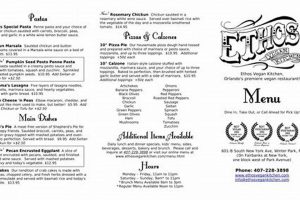
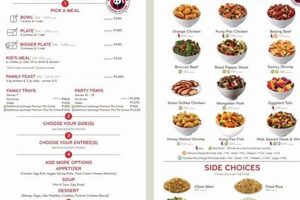
The spectrum of vegan dietary choices encompasses a range of nutritional profiles. Some approaches prioritize whole, unprocessed plant-based foods, emphasizing fruits, vegetables, legumes, and whole grains. Others may incorporate a higher proportion of processed vegan alternatives, such as meat substitutes, refined grains, and sugary treats. The former tends to offer a more nutrient-dense and balanced intake, while the latter can be calorie-rich but potentially lacking in essential vitamins, minerals, and fiber. As an example, a meal consisting of steamed vegetables, quinoa, and lentils represents a more nutritionally sound choice than a processed vegan burger with white bread and french fries.
The impact of these dietary variations extends beyond individual health. A diet centered on whole plant foods is often associated with reduced risk of chronic diseases and a lower environmental footprint. Conversely, a diet heavy in processed vegan foods may contribute to similar health challenges as a poorly planned omnivorous diet, such as increased risk of obesity, type 2 diabetes, and cardiovascular disease. Historically, veganism was often associated with simple, whole-food diets, but the increasing availability of processed alternatives has led to a diversification of vegan eating patterns.
Consequently, understanding the nuances of plant-based food selection is critical. Subsequent discussion will explore key considerations for planning nutritionally adequate and balanced meals, the potential pitfalls of relying heavily on processed vegan products, and practical strategies for optimizing health outcomes within a vegan framework. This includes evaluating macronutrient ratios, micronutrient adequacy, and the impact of food processing on overall dietary quality.
Optimizing a vegan diet necessitates careful attention to food selection and meal planning. The following tips address crucial aspects of achieving a balanced and healthful plant-based eating pattern.
Tip 1: Prioritize Whole, Unprocessed Foods: A foundation of fruits, vegetables, legumes, whole grains, nuts, and seeds provides a broad spectrum of nutrients and fiber. Base the majority of meals on these minimally processed options.
Tip 2: Ensure Adequate Protein Intake: Legumes (beans, lentils, peas), tofu, tempeh, seitan, nuts, and seeds are excellent protein sources. Combine different sources throughout the day to obtain a complete amino acid profile.
Tip 3: Address Vitamin B12 Needs: Vitamin B12 is not naturally found in plant-based foods. Supplementation or consumption of fortified foods is essential to prevent deficiency.
Tip 4: Monitor Iron Levels: Plant-based iron (non-heme iron) is less readily absorbed than heme iron from animal sources. Consume iron-rich foods like lentils, spinach, and fortified cereals, and enhance absorption by pairing them with vitamin C-rich foods.
Tip 5: Include Sources of Omega-3 Fatty Acids: Incorporate flaxseeds, chia seeds, walnuts, and algae-based DHA/EPA supplements to obtain essential omega-3 fatty acids.
Tip 6: Limit Processed Vegan Alternatives: While convenient, processed vegan meats, cheeses, and snacks often contain high levels of sodium, saturated fat, and refined carbohydrates. Consume these sparingly.
Tip 7: Read Food Labels Carefully: Pay attention to serving sizes, nutrient content, and added sugars in packaged foods. Opt for products with minimal additives and a focus on whole-food ingredients.
These guidelines emphasize the importance of informed choices within a vegan dietary framework. By prioritizing whole foods and addressing potential nutrient gaps, individuals can maximize the health benefits of plant-based eating.
The subsequent section will explore practical meal planning strategies and recipe ideas that align with these principles, supporting the creation of nutritious and satisfying vegan meals.
1. Nutrient Density

Nutrient density, defined as the concentration of vitamins, minerals, and other beneficial compounds relative to calorie content, serves as a critical differentiator within the spectrum of vegan menu options. A direct correlation exists between nutrient density and the classification of a vegan menu as either beneficial or detrimental to health. High nutrient density is a hallmark of a well-planned vegan diet, contributing to overall well-being, while low nutrient density can lead to deficiencies and adverse health outcomes. For example, a salad composed of diverse raw vegetables, nuts, and seeds offers a high concentration of vitamins, minerals, and antioxidants per calorie, making it a nutritionally advantageous menu choice. Conversely, a processed vegan burger, despite being plant-based, may provide a significant number of calories with limited micronutrients and fiber, representing a less desirable option.
The emphasis on nutrient density directly impacts the practical application of vegan dietary principles. Individuals prioritizing whole, unprocessed plant foods inherently increase the likelihood of consuming a nutrient-dense diet. This approach mitigates the risk of nutrient deficiencies often associated with poorly planned vegan diets. Consider the contrast between a meal of lentils, brown rice, and steamed broccoli, rich in protein, complex carbohydrates, iron, and various vitamins, and a meal centered on white pasta with a vegan cream sauce, which lacks the same level of nutritional value. By consciously selecting foods with a high nutrient-to-calorie ratio, individuals can effectively address their nutritional needs and support optimal health.
In summary, nutrient density is a fundamental determinant of the overall healthfulness of vegan menu choices. Prioritizing nutrient-dense foods is essential for mitigating potential nutritional deficiencies and maximizing the health benefits associated with plant-based eating patterns. While a vegan diet can be exceptionally beneficial, the selection of nutrient-poor, calorie-dense options undermines these advantages. Recognizing the importance of nutrient density allows for informed menu planning and a greater likelihood of achieving a balanced and sustainable vegan lifestyle.
2. Processing Level

The degree of processing applied to plant-based foods significantly impacts their nutritional profile and overall health effects, thus serving as a crucial determinant in differentiating beneficial and detrimental vegan menu choices.
- Nutrient Degradation
Extensive processing often leads to the loss of vital nutrients. Refining grains, for example, removes bran and germ, diminishing fiber, vitamins, and minerals. Similarly, heat treatments used in processing can degrade heat-sensitive vitamins like Vitamin C and folate. A menu reliant on highly processed foods will inherently be less nutrient-dense than one centered on whole, unprocessed ingredients.
- Addition of Unhealthy Additives
Processed vegan foods frequently contain added sugars, sodium, unhealthy fats (such as saturated and trans fats), and artificial additives to enhance flavor, texture, or shelf life. The regular consumption of these additives can contribute to various health problems, negating some of the benefits associated with plant-based diets. Processed vegan cheeses and meats, for instance, often contain high levels of sodium and saturated fat.
- Alteration of Food Structure
Processing can alter the natural structure of foods, affecting digestibility and nutrient absorption. For example, juicing fruits and vegetables removes fiber, leading to a quicker release of sugars into the bloodstream. This can contribute to insulin resistance and increased risk of type 2 diabetes. Whole fruits and vegetables, with their intact fiber matrix, provide a more sustained release of energy and promote gut health.
- Impact on Satiety
Processed foods are often less satiating than their whole-food counterparts. This is due to factors like reduced fiber content and altered textures. A meal of refined carbohydrates and processed fats, such as vegan pastries or fried vegan snacks, may provide immediate gratification but is less likely to promote feelings of fullness and satisfaction, potentially leading to overconsumption and weight gain.
In conclusion, the processing level of vegan foods plays a crucial role in determining their healthfulness. Minimally processed, whole plant foods are generally more nutritious and beneficial than highly processed alternatives. A prudent approach to vegan menu planning involves prioritizing whole foods and limiting the consumption of processed items to optimize health outcomes.
3. Ingredient Sourcing

Ingredient sourcing, encompassing the origin, production methods, and ethical considerations surrounding food items, profoundly influences the nutritional quality and sustainability of vegan menu choices. It distinguishes between plant-based diets that support health and environmental stewardship, and those that may inadvertently contribute to negative consequences.
- Organic vs. Conventional Produce
The choice between organic and conventionally grown produce affects exposure to pesticides and herbicides. Organic farming minimizes synthetic chemical use, potentially reducing health risks associated with pesticide residues in food. Conversely, conventional farming practices often rely on chemical inputs, which, while increasing crop yields, may have detrimental effects on human health and the environment. A vegan menu predominantly featuring organic produce aligns more closely with a health-conscious and environmentally responsible approach.
- Local vs. Global Supply Chains
Sourcing ingredients locally reduces transportation distances, minimizing carbon emissions associated with food distribution. Supporting local farmers also contributes to regional economic sustainability and fosters a connection to the food system. In contrast, global supply chains often involve long-distance transportation, resulting in higher carbon footprints and potential disruptions to local agricultural economies. Prioritizing locally sourced ingredients whenever possible contributes to a more sustainable vegan dietary pattern.
- Fair Trade Practices
Fair trade certification ensures that farmers and workers in developing countries receive fair wages and safe working conditions. This ethical consideration extends to plant-based ingredients such as coffee, cocoa, and certain fruits. Choosing fair trade certified products supports social justice and promotes equitable trading relationships. A vegan menu committed to ethical sourcing incorporates fair trade ingredients to ensure that food choices align with principles of social responsibility.
- Sustainable Agriculture
Sustainable agricultural practices, such as crop rotation, cover cropping, and water conservation, promote long-term soil health and biodiversity. These practices minimize the environmental impact of food production and contribute to ecosystem resilience. Supporting farms that employ sustainable agricultural methods helps to create a more environmentally friendly food system. A vegan menu that emphasizes sustainably sourced ingredients contributes to the overall sustainability of plant-based diets.
Ultimately, ingredient sourcing is integral to discerning the distinction between beneficial and detrimental vegan menu options. By prioritizing organic, local, fair trade, and sustainably produced ingredients, individuals can ensure that their plant-based choices contribute to both personal health and environmental sustainability, promoting a more holistic and responsible approach to vegan eating.
4. Macronutrient Balance

Macronutrient balancethe proportional intake of protein, carbohydrates, and fatsis a critical determinant of whether a vegan menu promotes health or poses risks. An imbalanced intake can undermine the potential benefits of a plant-based diet, transforming a potentially “good” vegan menu into a “bad” one. The absence of animal products necessitates careful planning to ensure adequate intake of all essential macronutrients. For example, a diet excessively reliant on refined carbohydrates, such as white bread and sugary beverages, lacking sufficient protein and healthy fats, can lead to blood sugar imbalances, nutrient deficiencies, and increased risk of chronic diseases. This imbalance mirrors the concerns associated with poorly planned omnivorous diets.
Conversely, a well-designed vegan menu incorporates diverse sources of protein (legumes, tofu, tempeh, nuts, seeds), complex carbohydrates (whole grains, vegetables, fruits), and healthy fats (avocados, nuts, seeds, olive oil). This approach ensures adequate energy levels, supports muscle maintenance and growth, and provides essential fatty acids for hormone production and cell function. The impact of macronutrient balance extends beyond individual health outcomes. Diets lacking in essential nutrients, such as protein, can contribute to muscle wasting, fatigue, and impaired immune function. Similarly, diets high in saturated and trans fats, often found in processed vegan foods, can increase the risk of cardiovascular disease, despite the absence of animal products.
In summary, the proportional intake of protein, carbohydrates, and fats is pivotal in differentiating between nutritionally sound and deficient vegan diets. Prioritizing whole, unprocessed foods and carefully planning meals to ensure adequate macronutrient intake is essential for realizing the health benefits associated with plant-based eating. Over-reliance on processed vegan foods and unbalanced meal composition can negate these benefits, transforming a potentially healthful vegan menu into one that poses health risks. Understanding the principles of macronutrient balance is thus crucial for making informed dietary choices and maximizing the nutritional value of a vegan lifestyle.
5. Micronutrient Adequacy

Micronutrient adequacy is a critical determinant in distinguishing a nutritionally sound vegan menu from one that poses potential health risks. A vegan diet, while offering benefits, inherently eliminates certain micronutrient sources found in animal products. Therefore, achieving micronutrient adequacy requires careful planning and informed food choices. Inadequate intake of essential vitamins and minerals transforms a potentially “good” vegan menu into a “bad” one, leading to deficiencies and associated health complications. Consider, for example, a vegan menu lacking consistent sources of vitamin B12. Over time, this deficiency can result in neurological damage and anemia, underscoring the direct cause-and-effect relationship between micronutrient inadequacy and adverse health outcomes.
The importance of micronutrient adequacy within a vegan context is underscored by the potential for deficiencies in nutrients such as vitamin B12, vitamin D, iron, calcium, iodine, and omega-3 fatty acids. A “good” vegan menu proactively addresses these potential shortfalls through strategic food selections and, when necessary, supplementation. For instance, incorporating fortified foods like plant-based milks with added vitamin D and calcium, or consuming iodine-rich seaweed, helps to bridge nutritional gaps. Conversely, a “bad” vegan menu neglects these critical considerations, relying instead on processed vegan products that may be devoid of essential micronutrients, creating a scenario where deficiencies are almost inevitable. The practical significance of understanding this lies in the ability to proactively mitigate these risks and promote optimal health on a plant-based diet.
In summary, micronutrient adequacy is paramount to the success of a vegan diet. While a plant-based approach can be exceptionally beneficial, neglecting the strategic acquisition of essential vitamins and minerals transforms a potentially healthful dietary pattern into one that carries significant health risks. Challenges remain in consistently obtaining all necessary micronutrients through food alone, highlighting the importance of informed decision-making and, in some cases, supplementation to ensure a balanced and nutritionally complete vegan lifestyle. This understanding is crucial for optimizing health outcomes within the broader framework of plant-based eating.
6. Fiber Content
Fiber content is a key differentiator between nutritionally sound and potentially detrimental vegan menu choices. Diets rich in fiber, primarily found in plant-based foods, are associated with numerous health benefits, including improved digestion, blood sugar control, and reduced risk of cardiovascular disease. Conversely, vegan menus lacking sufficient fiber, often due to a reliance on processed foods, fail to deliver these benefits and may contribute to adverse health outcomes. For instance, a meal consisting of whole grains, beans, and vegetables provides a substantial amount of fiber, promoting satiety and regulating blood sugar levels. In contrast, a meal of refined vegan pasta and processed sauce offers minimal fiber, potentially leading to blood sugar spikes and increased hunger shortly after consumption. The former exemplifies a “good” vegan menu, while the latter aligns with characteristics of a “bad” vegan menu.
The impact of fiber extends beyond individual health. Adequate fiber intake contributes to a healthy gut microbiome, which plays a crucial role in immune function and overall well-being. Vegan diets based on whole, unprocessed plant foods inherently provide ample fiber, supporting the growth of beneficial gut bacteria. This contrasts with vegan diets high in processed foods, which may contain additives that negatively impact the gut microbiome. Consider the difference between a breakfast of steel-cut oats with berries and nuts, which provides a diverse range of fibers to nourish gut bacteria, and a breakfast of a processed vegan cereal with added sugars, which offers minimal fiber and may promote the growth of less desirable gut microbes. The ability to differentiate menu options based on fiber content allows for informed dietary choices that promote both individual and gut health.
In summary, fiber content serves as a critical indicator of the overall quality of a vegan menu. Prioritizing fiber-rich, whole plant foods is essential for maximizing the health benefits associated with vegan eating patterns. While challenges remain in consistently consuming adequate fiber in a modern food environment, understanding its importance empowers individuals to make informed choices that support optimal digestion, blood sugar control, and gut health. A focus on fiber content is a key step in transforming a potentially detrimental vegan menu into one that is both nutritious and sustainable.
7. Added Sugars
The presence of added sugars is a significant determinant in evaluating the nutritional quality of a vegan menu. High levels of added sugars often correlate with reduced nutrient density and increased risk of adverse health outcomes. A menu classified as “good” minimizes or eliminates added sugars, relying instead on the natural sweetness of fruits and other whole plant foods. Conversely, a “bad” menu frequently incorporates processed vegan items laden with added sugars, negating some of the potential health benefits associated with plant-based eating. For example, a smoothie made with fresh fruit and plant-based milk is a far superior choice to a processed vegan dessert containing refined sugars and artificial sweeteners. The former contributes to overall nutritional well-being, while the latter provides empty calories and may disrupt blood sugar balance.
The impact of added sugars extends beyond individual health. Frequent consumption of foods high in added sugars can contribute to weight gain, insulin resistance, and increased risk of type 2 diabetes and cardiovascular disease. These outcomes are independent of the source of the food; a vegan diet high in added sugars poses similar risks to an omnivorous diet with comparable sugar content. Consider the difference between a homemade vegan granola bar sweetened with dates and a commercially produced vegan candy bar containing high fructose corn syrup. Both are technically vegan, but their impact on health is drastically different. Recognizing the sources and amounts of added sugars in vegan food choices is crucial for making informed dietary decisions.
In summary, the relationship between added sugars and the nutritional quality of a vegan menu is inversely proportional. Minimizing added sugar intake is essential for maximizing the health benefits of a plant-based diet. While challenges remain in navigating the abundance of processed foods containing added sugars, heightened awareness and conscious food selection are key strategies for promoting a nutritionally sound and sustainable vegan lifestyle. A focus on naturally sweet whole foods and careful scrutiny of ingredient labels are crucial steps in avoiding the pitfalls of added sugars and optimizing the health potential of a vegan diet.
Frequently Asked Questions
The following section addresses common questions regarding the nutritional aspects of vegan menu planning, aiming to clarify the distinction between beneficial and detrimental approaches.
Question 1: What fundamentally differentiates a “good” vegan menu from a “bad” one?
The primary distinction lies in the nutrient density and processing level of the foods consumed. A “good” vegan menu emphasizes whole, unprocessed plant foods, while a “bad” vegan menu relies heavily on processed vegan alternatives that may be high in added sugars, unhealthy fats, and sodium, and low in essential nutrients.
Question 2: How can one ensure adequate protein intake on a vegan diet?
Adequate protein intake can be achieved by incorporating diverse sources of plant-based protein, such as legumes (beans, lentils, peas), tofu, tempeh, seitan, nuts, and seeds, into daily meals. Combining different protein sources throughout the day ensures a complete amino acid profile.
Question 3: What are the key micronutrients of concern for vegans, and how can deficiencies be prevented?
Key micronutrients of concern include vitamin B12, vitamin D, iron, calcium, iodine, and omega-3 fatty acids. Deficiencies can be prevented through strategic food choices, such as consuming fortified foods and iodine-rich seaweed, and through supplementation when necessary, particularly for vitamin B12 and vitamin D.
Question 4: Are processed vegan meats and cheeses healthy alternatives to their animal-based counterparts?
Processed vegan meats and cheeses are not inherently healthy. While they may be free of animal products, they often contain high levels of sodium, saturated fat, and artificial additives. Their consumption should be limited, and whole-food alternatives should be prioritized.
Question 5: How does ingredient sourcing impact the nutritional quality and sustainability of a vegan menu?
Ingredient sourcing significantly impacts both nutritional quality and sustainability. Prioritizing organic, local, fair trade, and sustainably produced ingredients contributes to a more health-conscious and environmentally responsible vegan dietary pattern.
Question 6: What role does fiber play in a healthy vegan diet, and how can one ensure adequate intake?
Fiber is essential for digestive health, blood sugar control, and overall well-being. Adequate fiber intake can be ensured by consuming a diet rich in whole grains, legumes, fruits, and vegetables. Processed vegan foods often lack sufficient fiber and should be limited.
In summary, informed food choices and careful menu planning are essential for maximizing the health benefits of a vegan diet. A focus on whole, unprocessed foods, strategic micronutrient supplementation, and mindful ingredient sourcing can transform a potentially detrimental vegan menu into one that supports optimal health and sustainability.
The following section will explore practical strategies for implementing these principles in daily meal planning and recipe development.
Distinguishing Plant-Based Choices
The preceding analysis demonstrates the critical distinction between healthful and detrimental approaches to vegan menu planning. The mere exclusion of animal products does not automatically guarantee a nutritionally sound diet. The relative healthfulness hinges upon the prioritization of whole, unprocessed foods, the strategic acquisition of essential micronutrients, and the mindful limitation of added sugars and unhealthy fats. Recognizing these nuances is essential for mitigating potential health risks associated with poorly planned plant-based diets.
The future of vegan nutrition lies in promoting informed consumer choices and fostering a greater understanding of the multifaceted nature of plant-based eating. Further research is needed to refine dietary recommendations and address specific nutritional challenges within the vegan community. Individuals are encouraged to critically evaluate their food choices and prioritize menu options that support both personal well-being and environmental sustainability. The potential benefits of veganism can only be fully realized through conscientious and well-informed dietary practices.