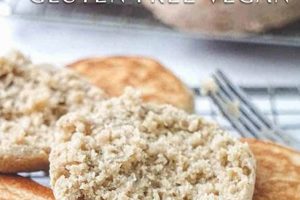
A culinary preparation traditionally served as a side dish, often associated with holiday meals, can be adapted to meet specific dietary requirements. This particular version excludes both gluten, a protein composite found in wheat and other grains, and all animal-derived ingredients. Common replacements for gluten-containing bread or grains include rice, quinoa, or cornmeal. Animal products, such as butter or meat-based broths, are substituted with plant-based alternatives like vegetable oil, plant-based margarine, or vegetable broth.
The significance of providing such alternatives lies in catering to individuals with celiac disease, gluten intolerance, or those adhering to a vegan lifestyle. It allows a broader audience to partake in traditional holiday celebrations without compromising their dietary restrictions or ethical considerations. Its historical context is rooted in the increasing awareness of dietary sensitivities and the growing popularity of plant-based eating, leading to a demand for inclusive and accessible recipes.
The following article will delve into the specific ingredients, preparation methods, and variations of this dietary-conscious dish. Examination of nutritional aspects and potential pitfalls in its creation will also be undertaken, providing a comprehensive guide for both novice and experienced cooks seeking to create a satisfying and inclusive culinary experience.
Essential Preparation Techniques
Achieving a palatable and texturally satisfying result when preparing a specific dish that omits gluten and animal products requires careful attention to detail. The following guidelines offer insight into maximizing flavor and ensuring a successful outcome.
Tip 1: Foundation Selection: Opt for a gluten-free bread alternative with a robust structure. Bread that crumbles easily will result in a mushy, undesirable consistency. Consider using day-old bread or toasting it lightly to enhance its ability to absorb liquid without disintegrating.
Tip 2: Binder Utilization: Since traditional egg binders are absent, employ a suitable replacement. Flaxseed meal mixed with water creates a viscous substance that helps bind the ingredients. Alternatively, mashed sweet potato or pumpkin puree can add moisture and structure.
Tip 3: Moisture Management: Control the moisture content meticulously. Overly wet mixtures lead to a soggy final product. Incorporate liquid ingredients gradually and allow the bread to absorb the moisture fully before adding more. Consider squeezing excess moisture from vegetables prior to their inclusion.
Tip 4: Flavor Amplification: Compensate for the lack of animal-derived fats with strategic flavor enhancements. Sauting aromatic vegetables like onions, celery, and garlic in olive oil or plant-based butter creates a flavorful base. Incorporate herbs such as sage, thyme, and rosemary for depth of taste.
Tip 5: Texture Enhancement: Add textural contrast with nuts, seeds, or dried fruit. Toasted pecans, walnuts, or sunflower seeds provide a satisfying crunch. Dried cranberries or apricots offer sweetness and chewiness.
Tip 6: Broth Selection: Use a high-quality vegetable broth with a rich, savory flavor. Avoid broths that are overly salty or have artificial flavorings. Homemade broth, if available, provides the best control over the final flavor profile.
Tip 7: Baking Precision: Bake the preparation until it is heated through and the top is lightly browned. Avoid overbaking, which can lead to dryness. Covering the dish with foil during the initial baking period can help retain moisture.
Successful creation relies on careful attention to ingredient selection, moisture control, and flavor enhancement. By adhering to these guidelines, cooks can create a compelling and satisfying accompaniment to any meal.
The subsequent section will address common pitfalls and troubleshooting techniques associated with this specific type of culinary creation, enabling home cooks to confidently produce an exceptional dish.
1. Ingredient Substitution

Ingredient substitution is a foundational element in the creation of a gluten-free and vegan stuffing. The successful execution of this dish hinges upon the identification and implementation of suitable alternatives for traditional ingredients that contain gluten or are derived from animal sources. Failure to accurately replace these components directly results in a product that is either not gluten-free, not vegan, or both, rendering it unsuitable for individuals with dietary restrictions or ethical considerations.
The importance of ingredient substitution is exemplified in the replacement of wheat-based bread, a standard component of conventional stuffing. Gluten-free alternatives such as rice bread, corn bread, or a mixture of gluten-free flours must be employed to ensure the absence of gluten. Similarly, animal-derived fats like butter or lard must be substituted with plant-based oils or vegan butter substitutes. Broth, typically made from meat, is replaced with vegetable broth. The absence of eggs, a common binding agent, necessitates the use of alternatives such as flaxseed meal mixed with water or mashed sweet potato. Each substitution directly impacts the final product’s texture, flavor profile, and dietary compliance.
The practical significance of understanding ingredient substitution lies in its ability to expand the accessibility of traditionally inclusive dishes to a wider audience. By carefully selecting and utilizing appropriate substitutes, cooks can create a product that mirrors the flavor and texture of conventional stuffing while adhering to specific dietary requirements. This enables individuals with celiac disease, gluten sensitivities, or those following a vegan lifestyle to fully participate in communal meals and holiday celebrations. However, challenges arise in maintaining the desired taste and consistency; achieving a balance between dietary compliance and culinary satisfaction requires careful experimentation and a thorough understanding of the properties of the replacement ingredients. The accuracy and precision in ingredient choices become pivotal for the success and enjoyment of a gluten-free and vegan culinary endeavor.
2. Texture Optimization

Texture optimization is a critical factor in the successful preparation of a gluten-free and vegan stuffing. The absence of gluten and animal products necessitates adjustments to achieve a palatable and satisfying result, as these ingredients traditionally contribute significantly to the dish’s structural integrity and mouthfeel.
- Binding Agent Alternatives
The function of gluten in traditional bread-based stuffing is to provide structure and cohesion. Without it, the preparation can become crumbly or fall apart. Vegan binding agents, such as flaxseed meal mixed with water (creating a “flax egg”), mashed sweet potato, or pureed pumpkin, are employed to mimic this binding effect. These alternatives provide the necessary moisture and viscosity to hold the ingredients together during baking and serving. The precise ratio of binding agent to dry ingredients is crucial for preventing either excessive dryness or a mushy consistency.
- Bread Selection and Preparation
Gluten-free bread often possesses a different texture compared to its wheat-based counterpart, tending to be either drier or more prone to disintegration. Selecting a gluten-free bread with a relatively firm structure is essential. Toasting or drying the bread before incorporating it into the mixture helps to remove excess moisture, allowing it to better absorb the wet ingredients without becoming overly soggy. Different types of gluten-free breads, such as those made from rice flour, tapioca starch, or cornmeal, offer varying textural qualities, requiring adjustments to the overall recipe.
- Moisture Management Techniques
Controlling the moisture content is vital for achieving the desired texture. Excessive moisture leads to a soggy, unappetizing result, while insufficient moisture yields a dry and crumbly preparation. Techniques such as sauting vegetables to release excess water, squeezing excess liquid from ingredients like mushrooms or spinach, and carefully monitoring the amount of broth added are crucial for maintaining the appropriate moisture balance. Gradual addition of liquid and allowing the bread to fully absorb it before adding more contributes to a uniform texture.
- Fat Content and Distribution
Animal fats contribute to both the flavor and the moistness of traditional stuffing. Replacing these with plant-based oils or vegan butter alternatives requires careful consideration to ensure even distribution and prevent dryness. Incorporating ingredients such as nuts, seeds, or dried fruits can also enhance the texture by providing added moisture and a pleasant chewiness. The type of oil or butter substitute used will influence the final texture; coconut oil, for example, solidifies at cooler temperatures, while olive oil remains liquid.
These facets of texture optimization collectively contribute to the overall success of gluten-free and vegan stuffing. By carefully selecting binding agents, preparing the bread appropriately, managing moisture content, and strategically incorporating fats, it is possible to create a dish that replicates the satisfying texture of traditional stuffing while adhering to dietary restrictions. Experimentation with different ingredient combinations and techniques is often necessary to achieve the optimal texture that aligns with individual preferences and the specific characteristics of the available ingredients.
3. Flavor Balancing

Flavor balancing is a critical component in creating palatable gluten-free and vegan stuffing. The absence of gluten, which contributes a subtle nuttiness and structural foundation, and animal products, which often impart richness and umami, necessitates a strategic approach to flavor development. Successful flavor balancing ensures the stuffing is not only free of restricted ingredients but also delivers a satisfying and complex taste profile.
- Herb and Spice Selection
Traditional stuffing relies heavily on herbs and spices for its characteristic flavor. In gluten-free and vegan versions, these become even more crucial. Sage, thyme, rosemary, and marjoram are commonly used to provide an earthy and savory base. Additionally, incorporating spices like nutmeg or allspice can add warmth and depth. The key is to balance these elements carefully, avoiding any single flavor from overpowering the others. Experimentation with different combinations and quantities is often required to achieve the desired effect.
- Umami Enhancement
Animal-derived ingredients often contribute significant umami, or savory taste, to conventional stuffing. In their absence, alternative sources of umami must be employed. Mushrooms, particularly dried varieties like shiitake, are excellent options. Sun-dried tomatoes, nutritional yeast, and soy sauce (or tamari for gluten-free versions) can also contribute a rich, savory element. Careful consideration of the salt content of these ingredients is essential to prevent the final dish from becoming overly salty.
- Acidity and Sweetness Integration
Introducing elements of acidity and sweetness can help balance the savory components and add complexity to the flavor profile. A splash of apple cider vinegar or lemon juice can provide brightness, while a touch of maple syrup or dried cranberries can offer a subtle sweetness. The interplay between these opposing flavors enhances the overall perception of taste and prevents the stuffing from becoming monotonous.
- Aromatic Vegetable Base
A foundation of aromatic vegetables such as onions, celery, and garlic forms a crucial flavor base for gluten-free and vegan stuffing. These ingredients, when sauted in plant-based oil, release their aromatic compounds, creating a savory and complex flavor profile that underpins the other ingredients. The specific combination and proportions of these vegetables can be adjusted to customize the overall flavor to suit individual preferences.
These facets of flavor balancing highlight the need for a nuanced approach to crafting satisfying gluten-free and vegan stuffing. By carefully selecting and integrating herbs, spices, umami sources, acidity, sweetness, and aromatic vegetables, it is possible to create a dish that rivals the flavor complexity of traditional stuffing while adhering to dietary restrictions. Successful flavor balancing ultimately transforms a potentially bland dish into a culinary experience that is both inclusive and enjoyable.
4. Moisture Control

Moisture control is a pivotal factor in the successful preparation of gluten-free and vegan stuffing due to the altered properties of replacement ingredients. Traditional stuffing relies on the gluten in bread and animal fats for binding and moisture retention. In the absence of these components, the resulting product can easily become either excessively dry or unpalatably soggy. An imbalance in moisture significantly affects the texture, flavor, and overall palatability of the dish.
The primary challenge in moisture management stems from the characteristics of gluten-free bread, which often has a lower capacity for absorbing and retaining liquids compared to wheat-based bread. Additionally, plant-based ingredients used as substitutes, such as certain vegetables or tofu, may have inherent moisture contents that contribute to the overall liquid level. Consequently, the cook must actively manage the amount of liquid added during preparation and adjust techniques to prevent either extreme. For example, vegetables like mushrooms or zucchini should be sauted prior to incorporation to release excess water. A judicious addition of vegetable broth, as opposed to a generous pour, allows for incremental adjustments to the moisture level.
In summary, effective moisture control in gluten-free and vegan stuffing is essential for achieving a desirable final product. Understanding the inherent moisture content of replacement ingredients and implementing strategies for managing liquid levels during preparation are crucial. Failure to adequately control moisture can result in a dish that is either unappetizingly dry or objectionably mushy, undermining the culinary intention. Careful attention to this aspect transforms a potentially flawed creation into a satisfying and texturally appealing dish.
5. Dietary Suitability

Dietary suitability, in the context of gluten-free and vegan stuffing, refers to the degree to which the preparation aligns with specific dietary restrictions and ethical considerations. The core objective is to create a dish that is accessible and enjoyable for individuals with celiac disease, gluten sensitivities, vegan lifestyles, or a combination thereof.
- Gluten Exclusion
This facet addresses the complete elimination of gluten, a protein composite found in wheat, barley, rye, and triticale. For individuals with celiac disease or gluten sensitivities, the ingestion of gluten triggers adverse health reactions. Gluten-free certification and careful scrutiny of ingredient labels are essential. Common gluten-containing ingredients in traditional stuffing, such as breadcrumbs, must be replaced with certified gluten-free alternatives like rice bread, corn bread, or specially formulated gluten-free bread mixes. Failure to exclude gluten compromises the dietary integrity of the dish.
- Animal Product Avoidance
Vegan dietary suitability requires the exclusion of all ingredients derived from animals. This extends beyond obvious items like meat and dairy to include less apparent components such as honey, gelatin, and certain types of processed sugar. Traditional stuffing often incorporates butter, eggs, and meat-based broths. Vegan alternatives, such as plant-based butter, flaxseed meal (as an egg replacement), and vegetable broth, must be substituted. Ensuring the absence of animal products is a central tenet of vegan dietary adherence.
- Cross-Contamination Prevention
Even with careful ingredient selection, cross-contamination during food preparation poses a significant risk to individuals with dietary restrictions. This involves the unintentional transfer of gluten or animal products from contaminated surfaces, utensils, or cooking equipment to the gluten-free and vegan stuffing. Dedicated preparation areas, thoroughly cleaned utensils, and separate cooking vessels are necessary to prevent cross-contamination. The severity of reactions to trace amounts of allergens or animal products varies among individuals, making stringent preventative measures paramount.
- Ingredient Source Transparency
Dietary suitability extends to the ethical and environmental considerations associated with ingredient sourcing. Vegans often prioritize sustainable and cruelty-free food production. This may involve selecting ingredients from certified organic farms, supporting local producers, and avoiding ingredients associated with exploitative labor practices. Transparency regarding the origin and production methods of ingredients enhances the dietary and ethical alignment of the stuffing.
Collectively, these facets illustrate the multi-faceted nature of dietary suitability in the context of gluten-free and vegan stuffing. Achieving true dietary suitability demands meticulous attention to ingredient selection, preparation techniques, and sourcing practices, ensuring the final product is both safe and ethically aligned with the intended dietary parameters. The successful implementation of these principles ensures accessibility and inclusivity for individuals with specific dietary requirements.
Frequently Asked Questions
The following questions address common concerns and misconceptions regarding the preparation and consumption of stuffing formulated without gluten or animal products.
Question 1: Can standard bread be used in gluten-free stuffing?
No. Standard bread contains gluten, a protein complex found in wheat, barley, and rye. Individuals with celiac disease or gluten sensitivity must avoid gluten to prevent adverse health reactions. Certified gluten-free bread is a necessary substitute.
Question 2: What replaces eggs as a binding agent in vegan stuffing?
Eggs are traditionally used as a binding agent. In vegan preparations, alternatives such as flaxseed meal mixed with water (“flax eggs”), mashed sweet potato, or pureed pumpkin can provide the necessary binding properties.
Question 3: How can umami flavor be achieved without meat-based ingredients?
Umami flavor, typically associated with meat, can be replicated using ingredients such as mushrooms (especially dried shiitake), sun-dried tomatoes, nutritional yeast, or soy sauce (tamari for gluten-free versions). These ingredients contribute savory notes without animal products.
Question 4: How can the stuffing be prevented from becoming too dry or too soggy?
Controlling moisture levels requires careful attention. Sauting vegetables to release excess water, toasting the bread before use, and gradually adding liquid are essential techniques. The ratio of dry to wet ingredients must be closely monitored.
Question 5: Is cross-contamination a concern with gluten-free and vegan stuffing?
Yes. Cross-contamination poses a significant risk for individuals with dietary restrictions. Separate cutting boards, utensils, and cooking equipment should be used to prevent the unintentional transfer of gluten or animal products.
Question 6: How can one ensure the vegetable broth used is truly vegan?
Careful examination of ingredient labels is necessary. Certain commercially prepared vegetable broths may contain hidden animal products or derivatives. Homemade vegetable broth offers the greatest control over ingredient composition.
Successful preparation of gluten-free and vegan stuffing hinges on understanding these critical elements and implementing appropriate strategies to address potential challenges.
The subsequent article section will address advanced techniques and variations in gluten-free and vegan stuffing recipes.
Conclusion
This exploration of gluten free and vegan stuffing has illuminated the critical factors necessary for its successful preparation. Ingredient substitution, texture optimization, flavor balancing, moisture control, and dietary suitability each play a vital role in creating a palatable and inclusive dish. The article has highlighted common pitfalls and provided actionable strategies for overcoming them, ensuring that individuals with specific dietary needs can partake in traditional culinary experiences.
The ability to adapt and innovate within culinary traditions to meet evolving dietary requirements reflects a broader commitment to inclusivity and accessibility. While challenges remain in replicating the exact characteristics of conventional stuffing, the principles outlined in this article provide a solid foundation for continued experimentation and refinement. The future of gluten free and vegan cuisine hinges on informed adaptation and a dedication to culinary excellence, ensuring that no individual is excluded from the shared experience of food.
![Easy Vegan Gluten-Free Lunch Ideas [Recipes] | Discover Delicious Vegan Food, Beauty Swaps, and Zero-Waste Tips for a Greener Life](https://thisvegangirl.com/wp-content/uploads/2026/03/th-762-300x200.jpg "Easy Vegan Gluten-Free Lunch Ideas [Recipes] Discover Delicious Vegan Food, Beauty Swaps, and Zero-Waste Tips for a Greener Life")