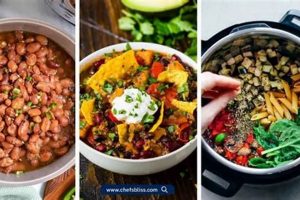
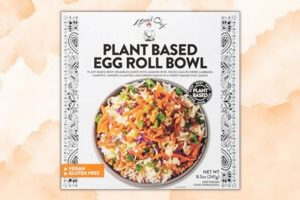
Food choices that exclude both gluten and all animal products are increasingly prevalent. These meals are designed to meet the dietary needs and preferences of individuals with celiac disease, gluten intolerance, or those adhering to a vegan lifestyle. They encompass a wide variety of dishes, from plant-based stir-fries using gluten-free soy sauce to lentil-based stews without any dairy or meat products.
The rising popularity of such dietary options reflects a growing awareness of food sensitivities and ethical concerns regarding animal welfare. Benefits can include improved digestion, reduced inflammation, and a lower environmental impact. Historically, veganism has roots in various cultures and religions, while gluten-free diets gained prominence with increased understanding of celiac disease in the 20th century. The combination of the two reflects contemporary dietary trends.
The following sections will delve into specific aspects of creating these meals, exploring the availability of suitable ingredients, common nutritional considerations, and practical tips for recipe development. This analysis will also address the challenges and opportunities associated with maintaining a balanced and satisfying diet that adheres to both gluten-free and vegan principles.
Practical Guidance for Combined Dietary Needs
This section offers specific recommendations for individuals navigating the complexities of preparing food that excludes both gluten and all animal-derived ingredients. These tips aim to provide practical advice for ensuring nutritional adequacy and culinary satisfaction.
Tip 1: Prioritize Whole, Unprocessed Foods: Focus on building meals around naturally gluten-free and vegan staples such as fruits, vegetables, legumes, and whole grains like quinoa and brown rice. These provide essential nutrients and fiber without requiring extensive processing.
Tip 2: Embrace Ingredient Substitution: Experiment with gluten-free flours like almond, tapioca, or rice flour in baking. Use plant-based milk alternatives such as almond, soy, or oat milk in recipes that typically call for dairy. Nutritional yeast can provide a cheesy flavor in savory dishes.
Tip 3: Master Flavor Enhancement Techniques: Compensate for the absence of common flavor enhancers found in processed foods by utilizing herbs, spices, and naturally flavorful ingredients like garlic, ginger, and citrus. Umami-rich ingredients such as mushrooms and sun-dried tomatoes can also add depth of flavor.
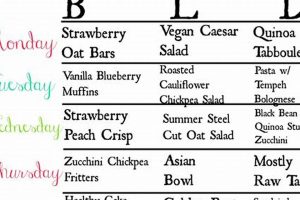
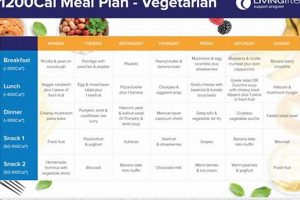
Tip 4: Plan Meals in Advance: Careful meal planning is crucial for ensuring adequate nutrient intake and avoiding impulsive, less healthy choices. Create a weekly menu and prepare grocery lists accordingly to maintain adherence to dietary guidelines.
Tip 5: Read Labels Diligently: Scrutinize food labels for hidden sources of gluten and animal products. Be vigilant about cross-contamination, especially when dining out or purchasing pre-made items. Look for certifications indicating that a product is both gluten-free and vegan.
Tip 6: Ensure Adequate Protein Intake: Combine various plant-based protein sources throughout the day to obtain all essential amino acids. Good sources include lentils, beans, tofu, tempeh, nuts, and seeds. Consider consulting a registered dietitian to assess individual protein needs.
Tip 7: Address Potential Nutrient Deficiencies: Pay attention to micronutrient intake, particularly vitamin B12, iron, calcium, vitamin D, and omega-3 fatty acids, which may be lacking in a solely plant-based diet. Consider supplementation under the guidance of a healthcare professional.
Following these recommendations can facilitate the successful implementation and long-term maintenance of a diet free from both gluten and animal products, supporting overall health and well-being. This approach necessitates a mindful approach to food selection and preparation.
The subsequent sections will discuss specific recipe ideas and strategies for creating balanced and appealing meals that satisfy the combined dietary requirements.
1. Ingredient Substitution

Ingredient substitution is a cornerstone of preparing meals that are both gluten-free and vegan. The elimination of gluten, a protein found in wheat, barley, and rye, and all animal-derived products necessitates a strategic approach to replacing these ingredients with suitable alternatives. Failure to effectively substitute key components can result in nutritionally deficient and gastronomically unsatisfying meals. For example, replacing wheat flour in baked goods requires careful selection of gluten-free flours like almond flour, rice flour, or tapioca starch, each with its own properties affecting texture and flavor. Similarly, replacing dairy milk requires consideration of factors such as taste, texture, and nutritional content, leading to the use of plant-based alternatives like soy milk, almond milk, or oat milk.
The selection of appropriate substitutes is not merely about replicating the original ingredient but also about maintaining the nutritional profile of the meal. For instance, when replacing eggs in baking, alternatives like flaxseed meal or applesauce are often used. Each substitution imparts a unique texture and also influences the binding and leavening properties of the recipe. Similarly, animal-based proteins must be substituted with plant-based sources like lentils, beans, tofu, or tempeh, each contributing different nutrients and requiring adjustments in cooking methods. A practical understanding of these substitutions is vital for individuals following a gluten-free and vegan diet.
In summary, ingredient substitution is an essential skill for creating successful gluten-free and vegan meals. This process goes beyond simple replacement; it requires understanding the functional properties of ingredients and their impact on the final product. Navigating this aspect of food preparation successfully enables individuals to enjoy a diverse and nutritious range of meals while adhering to their dietary requirements. The challenges associated with ingredient substitution highlight the importance of education and experimentation in developing culinary proficiency within these dietary parameters.
2. Nutrient Adequacy

Nutrient adequacy is a paramount concern when formulating gluten-free and vegan diets. The exclusion of both gluten-containing grains and all animal products necessitates a deliberate and knowledgeable approach to ensure sufficient intake of essential vitamins, minerals, and macronutrients.
- Vitamin B12
Vitamin B12 is primarily found in animal products, therefore, its deficiency is a significant risk for vegans. Gluten-free vegan diets must include fortified foods (plant-based milks, nutritional yeast) or B12 supplements. Insufficient B12 intake can lead to neurological problems and anemia.
- Iron
While iron is available in plant-based foods (legumes, leafy greens), its absorption is less efficient compared to heme iron from animal sources. Enhancing iron absorption involves consuming vitamin C-rich foods alongside iron-rich meals. Gluten-free grains used as substitutes often lack the iron fortification found in wheat products.
- Calcium and Vitamin D
Dairy products are a major source of calcium and vitamin D. Vegan alternatives include fortified plant-based milks, tofu set with calcium sulfate, and leafy green vegetables. Vitamin D supplementation may be necessary, especially in regions with limited sunlight exposure. Gluten-free substitutes for calcium-rich breads may not be fortified similarly.
- Omega-3 Fatty Acids
Omega-3 fatty acids, particularly EPA and DHA, are abundant in fatty fish. Vegan sources include flaxseeds, chia seeds, and walnuts, which provide ALA, a precursor to EPA and DHA. However, the conversion rate of ALA to EPA and DHA can be limited, suggesting a potential need for algae-based omega-3 supplements. Gluten-free vegan diets must strategically incorporate these plant-based sources.
Attaining nutrient adequacy on gluten-free and vegan diets requires meticulous planning and dietary adjustments. Individuals must actively address potential deficiencies by including fortified foods, consuming nutrient-dense plant-based options, and considering supplementation as necessary. Consulting with a registered dietitian or healthcare professional is recommended to optimize nutritional intake and prevent adverse health outcomes.
3. Label Reading

The practice of label reading is critical for individuals adhering to gluten-free and vegan diets. It is essential for verifying the absence of prohibited ingredients and confirming the presence of desired nutrients. Without careful label scrutiny, inadvertent consumption of gluten or animal products is likely, potentially leading to adverse health effects or violation of dietary principles.
- Ingredient Identification
Ingredient lists provide a comprehensive enumeration of all components in a food product. Individuals must be adept at identifying sources of gluten, such as wheat, barley, rye, and their derivatives (e.g., malt, modified food starch). Similarly, animal-derived ingredients (e.g., whey, casein, gelatin, honey) must be recognized and avoided. The absence of these ingredients is paramount for adherence to dietary requirements.
- Allergen Statements
Many packaged foods include allergen statements indicating the presence of common allergens, including wheat. While a product may not list wheat as a direct ingredient, a statement such as “Contains: Wheat” signals potential cross-contamination or use of wheat-derived ingredients. Vegan individuals must remain aware that allergen statements typically do not highlight animal products, necessitating careful review of the full ingredient list.
- Hidden Sources
Certain ingredients may mask the presence of gluten or animal products. For example, “natural flavoring” can derive from either plant or animal sources. Caramel color may, in some instances, utilize a barley-based process. “Modified food starch” may be derived from wheat, unless explicitly stated otherwise (e.g., “modified corn starch”). Diligent label reading helps uncover these obscured components.
- Certifications and Claims
Certifications such as “Certified Gluten-Free” and “Certified Vegan” provide an additional layer of assurance. However, these certifications are not universally applied, and their standards may vary. Claims such as “Gluten-Free” or “Vegan” should prompt further investigation of the ingredient list to ensure alignment with dietary needs. Over-reliance on claims without thorough scrutiny is inadvisable.
The ability to interpret food labels effectively is an indispensable skill for those maintaining gluten-free and vegan diets. Thorough examination of ingredient lists, allergen statements, and certifications mitigates the risk of unintended consumption of prohibited substances. This practice empowers individuals to make informed dietary choices and safeguard their health and ethical commitments.
4. Meal Planning

Meal planning serves as a foundational element for individuals adhering to diets that exclude both gluten and all animal products. Its systematic approach to food preparation and consumption is not merely beneficial but often necessary to ensure nutritional adequacy, dietary adherence, and overall well-being.
- Nutrient Balancing and Dietary Diversity
Effective meal planning facilitates the strategic inclusion of diverse plant-based foods to meet essential nutrient requirements often found in animal products and gluten-containing grains. This involves incorporating a variety of legumes, nuts, seeds, fruits, vegetables, and gluten-free whole grains, ensuring a broad spectrum of vitamins, minerals, and macronutrients. Without structured meal planning, nutrient deficiencies are more likely to occur.
- Ingredient Logistics and Preparation Efficiency
Adhering to both gluten-free and vegan dietary restrictions necessitates a heightened awareness of ingredient availability and preparation methods. Meal planning allows for the proactive sourcing of suitable ingredients, including gluten-free flours, plant-based protein sources, and specialty items. It also enables efficient batch cooking and food storage, reducing the time and effort required for daily meal preparation. The lack of planning can lead to reliance on processed foods that may not align with dietary guidelines.
- Mitigating Dietary Non-Adherence
Spontaneous meal choices often lead to deviations from gluten-free and vegan principles, particularly when dining out or facing limited food options. Meal planning minimizes the risk of impulse decisions by providing pre-determined and readily available meals and snacks that comply with dietary restrictions. This proactive approach enhances adherence and prevents the unintentional consumption of gluten or animal products. Real-world scenarios, such as travel or social events, benefit significantly from pre-planned food provisions.
- Cost Management and Waste Reduction
Well-structured meal planning contributes to cost savings and waste reduction by enabling precise grocery shopping and minimizing food spoilage. By planning meals in advance, individuals can purchase ingredients in appropriate quantities, reducing the likelihood of unused items expiring. Furthermore, meal planning promotes the efficient utilization of leftovers and minimizes reliance on expensive pre-packaged gluten-free and vegan products, leading to more sustainable and economical dietary practices.
In conclusion, meal planning is not simply a logistical exercise but an integral component of successfully maintaining diets free of both gluten and animal products. It fosters nutrient balance, optimizes ingredient logistics, enhances dietary adherence, and promotes cost-effectiveness, collectively contributing to the long-term health and well-being of individuals following these restrictive dietary patterns. Effective meal planning transforms these dietary choices from a challenge into a sustainable and enjoyable lifestyle.
5. Flavor Enhancement

Flavor enhancement assumes a critical role in the preparation of gluten-free and vegan meals. The absence of gluten, which contributes to texture and mouthfeel, and animal products, which often provide richness and umami, necessitates strategic approaches to amplify and diversify the flavor profiles of these dishes. Effective flavor enhancement is crucial for ensuring that these meals are not only nutritious but also palatable and satisfying.
- Herbs and Spices
The judicious use of herbs and spices is fundamental to flavor enhancement in gluten-free and vegan cuisine. Herbs such as basil, thyme, and rosemary contribute aromatic complexity, while spices like cumin, coriander, and turmeric introduce warmth and depth. These ingredients can compensate for the absence of familiar flavors derived from animal fats and wheat-based products. Consider the example of a lentil soup, where the addition of smoked paprika can mimic the smoky flavor typically associated with bacon, elevating the dish from bland to compelling.
- Umami-Rich Ingredients
Umami, the savory fifth taste, is essential for creating satisfying and well-rounded dishes. In gluten-free and vegan cooking, umami can be derived from ingredients such as mushrooms, sun-dried tomatoes, seaweed, and fermented products like miso and soy sauce (ensuring gluten-free varieties are used). These ingredients provide a depth of flavor that replicates the richness found in meat-based dishes. For instance, incorporating roasted mushrooms into a vegetable risotto can impart a savory quality often achieved with Parmesan cheese.
- Acidic Elements
Acidic elements play a critical role in balancing flavors and adding brightness to dishes. Ingredients like lemon juice, lime juice, vinegar, and fermented foods such as sauerkraut can cut through richness and enhance other flavors. A squeeze of lime juice over a gluten-free vegan chili can lift the flavors and prevent the dish from tasting heavy or monotonous.
- Textural Contrast
While not directly related to taste, textural contrast significantly contributes to the overall sensory experience of a meal. Incorporating elements such as toasted nuts, seeds, or crispy vegetables can provide satisfying variations in texture that compensate for the potential lack of gluten-derived chewiness or animal-product creaminess. For example, adding toasted pumpkin seeds to a creamy butternut squash soup introduces a pleasant crunch that enhances the dining experience.
These multifaceted strategies underscore the importance of a deliberate and informed approach to flavor enhancement in gluten-free and vegan meals. By thoughtfully incorporating herbs, spices, umami-rich ingredients, acidic elements, and textural contrasts, it is possible to create dishes that are not only nutritionally complete but also deeply satisfying and flavorful, thereby promoting adherence to these dietary patterns.
6. Cross-Contamination

Cross-contamination poses a significant challenge in the preparation and handling of meals intended to be both gluten-free and vegan. The unintentional introduction of gluten or animal-derived substances can compromise the dietary integrity of these meals, rendering them unsuitable for individuals with celiac disease, gluten intolerance, or those adhering to vegan principles. Awareness and mitigation strategies are essential to ensure the safety and appropriateness of these meals.
- Shared Equipment and Utensils
Shared kitchen equipment, such as cutting boards, toasters, and cooking utensils, can harbor traces of gluten or animal products, even after washing. For instance, a cutting board previously used to prepare meat may retain microscopic residues, potentially contaminating a vegan meal prepared subsequently. Similarly, a toaster used for wheat bread can transfer gluten to gluten-free bread toasted afterward. Dedicated equipment or thorough cleaning procedures are necessary to prevent this form of cross-contamination.
- Cooking Oils and Surfaces
Cooking oils used for frying foods containing gluten or animal products can become contaminated. For example, oil used to fry chicken or foods breaded with wheat flour will contain traces of these substances, making it unsuitable for preparing vegan and gluten-free meals. Similarly, cooking surfaces, such as grills or stovetops, must be meticulously cleaned to remove any residues. Utilizing separate cooking oils and thoroughly cleaning surfaces between preparations are essential preventive measures.
- Storage and Handling Practices
Improper storage and handling practices can lead to cross-contamination. Storing gluten-free or vegan items in close proximity to gluten-containing or animal-derived products can result in unintended transfer. For example, storing gluten-free flour next to wheat flour can lead to airborne contamination. Likewise, placing vegan cheese on a shelf previously occupied by dairy cheese increases the risk of cross-contact. Proper labeling, segregation, and airtight storage are critical to maintaining the integrity of these meals.
- Commercial Food Production and Preparation
Cross-contamination is a significant concern in commercial food production and preparation settings. Restaurants and food processing facilities must implement stringent protocols to prevent the introduction of gluten or animal products into gluten-free and vegan items. Shared equipment, inadequate cleaning practices, and insufficient staff training can all contribute to cross-contamination. Consumers should inquire about food preparation practices and seek establishments with dedicated gluten-free and vegan options to minimize the risk of exposure.
The various facets of cross-contamination underscore the importance of vigilance in the preparation and handling of gluten-free and vegan meals. Addressing these concerns through dedicated equipment, proper cleaning protocols, and mindful storage practices is essential to protect the health and ethical considerations of individuals adhering to these dietary restrictions. Further research into effective cleaning agents and food preparation techniques could provide additional safeguards against cross-contamination in both home and commercial settings.
Frequently Asked Questions
This section addresses common inquiries and misconceptions regarding the preparation and consumption of meals that exclude both gluten and all animal products. The information provided aims to offer clarity and guidance to individuals seeking to understand or adopt this dietary approach.
Question 1: What are the primary health benefits associated with consuming gluten-free and vegan meals?
Potential benefits include improved digestive health for individuals with celiac disease or gluten sensitivity, reduced inflammation, and lower risk of chronic diseases such as heart disease and type 2 diabetes. A well-planned diet can also promote weight management. However, benefits depend on individual health status and dietary adherence.
Question 2: Are gluten-free and vegan meals nutritionally complete?
Nutritional completeness requires careful planning. Certain nutrients, such as vitamin B12, iron, calcium, and omega-3 fatty acids, are less readily available in plant-based diets and may necessitate supplementation or strategic food choices. Consulting a registered dietitian can ensure nutritional adequacy.
Question 3: What are the most common challenges encountered when preparing gluten-free and vegan meals?
Challenges include identifying hidden sources of gluten and animal products, ingredient substitution to maintain texture and flavor, ensuring sufficient protein intake, and avoiding cross-contamination in shared kitchen environments. Skillful meal planning and label reading are crucial to overcome these challenges.
Question 4: How can cross-contamination be effectively prevented when preparing gluten-free and vegan meals?
Preventing cross-contamination requires dedicated kitchen equipment, thorough cleaning protocols, and careful storage practices. Shared cutting boards, toasters, and cooking utensils can harbor gluten or animal products. Proper labeling and segregation of ingredients are also essential.
Question 5: What are suitable gluten-free flour alternatives for baking?
Numerous gluten-free flour alternatives exist, each with unique properties. Options include almond flour, rice flour, tapioca starch, and potato starch. Blending these flours often yields better results than using a single type. Experimentation is key to finding the optimal flour combination for specific recipes.
Question 6: Is it more expensive to maintain a gluten-free and vegan diet compared to a conventional diet?
The cost can vary depending on food choices and purchasing habits. Specialty gluten-free and vegan products can be expensive. However, focusing on whole, unprocessed foods, such as legumes, fruits, and vegetables, can make the diet more affordable. Strategic meal planning and bulk buying can also help manage costs.
In summary, adopting a gluten-free and vegan diet requires informed decision-making and proactive planning. By addressing potential nutritional gaps, understanding the intricacies of ingredient substitution, and mitigating the risks of cross-contamination, individuals can successfully navigate this dietary approach.
The subsequent sections will offer recipe ideas and practical tips for creating balanced and satisfying meals that meet the combined dietary requirements.
Conclusion
The preceding exploration of gluten free and vegan meals underscores the multifaceted considerations necessary for successful implementation. This dietary approach demands meticulous attention to ingredient selection, nutrient adequacy, and cross-contamination prevention. Successfully navigating these challenges requires a comprehensive understanding of food properties and potential nutritional deficiencies. The information presented aims to provide a foundation for informed decision-making regarding these dietary choices.
Adherence to gluten free and vegan meals represents a commitment to dietary principles that require ongoing vigilance and adaptation. As research evolves and ingredient options expand, continued education and critical evaluation remain paramount. The pursuit of balanced and satisfying nutrition within these parameters warrants diligent investigation and a dedication to informed practice.