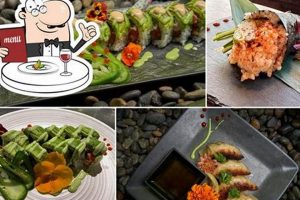
The integration of international culinary traditions into plant-based cuisine significantly broadens the scope of vegan gastronomy. This fusion introduces a diverse array of tastes, techniques, and ingredients, allowing for innovative and exciting vegan meal creations. For example, a traditionally meat-based Moroccan tagine can be reimagined using chickpeas, vegetables, and aromatic spices, delivering a similar depth of flavor without any animal products.
Utilizing tastes from around the world allows individuals to enjoy diverse and nutritious meals while adhering to their ethical dietary choices. It fosters creativity in the kitchen, encouraging experimentation with novel ingredient combinations and cooking methods. Historically, many cultures have plant-based dishes central to their culinary heritage, offering a rich foundation to build upon and adapt to a vegan lifestyle.
The following sections will delve into specific examples of how different global cuisines can inspire flavorful and satisfying vegan dishes. By exploring regional specialties and adaptable recipes, the potential for plant-based meals can be unlocked. This includes insights on leveraging spices, sauces, and cooking techniques from various corners of the world to produce remarkable and memorable dining experiences.
Culinary Guidance
This section provides actionable strategies for effectively integrating international culinary influences into plant-based meal planning and preparation. These guidelines aim to enhance flavor profiles, nutritional diversity, and overall satisfaction in vegan cooking.
Tip 1: Spice Blending Expertise: Develop a comprehensive understanding of global spice combinations. For example, Indian cuisine relies heavily on garam masala, while Middle Eastern dishes often feature za’atar. Mastering these blends, or creating customized variations, allows for authentic and robust flavor profiles.
Tip 2: Sauce and Marinade Exploration: Explore the use of globally inspired sauces and marinades as flavor enhancers. Teriyaki sauce, originating from Japan, can be used to glaze tofu or vegetables. Similarly, a Korean gochujang-based marinade adds depth and complexity to plant-based protein alternatives.
Tip 3: Ingredient Substitution Strategies: Learn to effectively substitute plant-based ingredients in traditional recipes. For instance, jackfruit can mimic the texture of pulled pork in Southern American cuisine, while lentils serve as a suitable replacement for ground meat in various international dishes.
Tip 4: Fermentation Techniques: Incorporate fermented foods from different cultures to add depth of flavor and probiotic benefits. Kimchi, sauerkraut, and miso are all excellent additions to a plant-based diet, providing umami and nutritional value.
Tip 5: Culinary Technique Adaptation: Adapt cooking techniques from around the world to vegan cuisine. Stir-frying, steaming, and roasting can be employed with vegetables, tofu, and plant-based proteins to create diverse and flavorful meals.
Tip 6: Regional Ingredient Sourcing: Prioritize sourcing authentic ingredients from different regions to enhance the authenticity of the dishes. Using genuine Italian San Marzano tomatoes in a vegan pasta sauce, for example, will elevate the flavor compared to generic alternatives.
Tip 7: Global Grain and Legume Integration: Introduce a variety of grains and legumes from around the world into the diet. Quinoa from South America, lentils from India, and couscous from North Africa offer diverse nutritional profiles and textures.
Adhering to these strategies allows for the creation of plant-based meals that are both nutritionally balanced and bursting with global flavors, transcending the limitations of conventional vegan cooking.
The following section will address common challenges and creative solutions in adapting global recipes to a vegan framework.
1. Spice profile understanding

Spice profile understanding constitutes a fundamental element of successfully realizing global flavor inspirations in vegan cooking. A nuanced comprehension of spice combinations, their origins, and their impact on overall taste is crucial for replicating authentic culinary experiences. The absence of animal products necessitates a heightened reliance on spices to impart depth, complexity, and umami to vegan dishes.
For example, replicating the flavors of a traditional Indian curry relies heavily on correctly utilizing a blend of spices such as turmeric, cumin, coriander, and garam masala. Each spice contributes a unique note, and the proportions are critical to achieving the desired flavor profile. Similarly, understanding the nuances of North African spice blends like ras el hanout is essential for creating authentic tagines. Without this understanding, vegan versions of these dishes risk lacking the characteristic flavors associated with their cultural origins. The correct spice blend is not merely about adding heat, but about creating a balanced and multi-layered taste experience that mimics or enhances the original recipe.
In conclusion, a comprehensive knowledge of spice profiles serves as the bedrock upon which global flavor aspirations in vegan cooking are built. It enables the creation of dishes that are not only plant-based but also authentically represent and celebrate the culinary traditions from which they draw inspiration. Mastering this aspect presents a significant challenge, but is ultimately rewarding, enabling a richer, more diverse, and ultimately more satisfying vegan culinary experience.
2. Ingredient regionality sourcing

Ingredient regionality sourcing is a critical determinant in achieving authentic and nuanced flavor profiles when drawing upon global flavor inspirations for vegan cooking. The origin and specific characteristics of ingredients significantly influence the final taste and aroma of a dish. Therefore, prioritizing the procurement of ingredients from their traditional regions is paramount for culinary accuracy and depth.
- Authenticity of Flavor
Sourcing ingredients from their native regions provides access to unique flavor compounds that are often lost or diminished in commercially produced or widely distributed alternatives. For example, using authentic Japanese matcha green tea versus a generic green tea powder will yield a significantly different flavor profile in a vegan dessert. Similarly, employing genuine Sicilian lemons in a vegan lemon tart enhances the citrus notes and aromatic qualities compared to using conventional lemons.
- Preservation of Culinary Heritage
Ingredient sourcing from specific regions supports the preservation of traditional farming practices and culinary heritage. By choosing to purchase directly from small-scale farmers who cultivate heirloom varieties of vegetables or spices, one contributes to the sustainability of these practices and helps maintain biodiversity. This approach ensures that these unique ingredients remain available for future generations of vegan cooks.
- Nutritional Value and Bioavailability
Ingredients grown in their native environments often exhibit superior nutritional value and bioavailability compared to those cultivated elsewhere. This is due to optimal growing conditions, soil composition, and climate factors. For example, consuming locally grown, seasonal fruits and vegetables provides a higher concentration of vitamins, minerals, and antioxidants compared to produce that has been transported over long distances.
- Ethical Considerations
Regional ingredient sourcing often aligns with ethical considerations related to fair trade and sustainability. Purchasing directly from local farmers and producers supports their livelihoods and reduces the environmental impact associated with long-distance transportation. This ethical approach contributes to a more responsible and sustainable vegan culinary practice.
In conclusion, meticulous attention to ingredient regionality sourcing is essential for translating global flavor inspirations into authentic and flavorful vegan dishes. The conscious selection of ingredients from their native regions not only enhances the culinary experience but also supports sustainability, ethical practices, and the preservation of culinary heritage. The strategic sourcing of specific ingredients from their regions of origin is pivotal to achieving the desired taste, texture, and overall culinary impact in plant-based cuisine.
3. Technique adaptation methods

Technique adaptation methods form an indispensable link in realizing global flavor inspirations within vegan cooking. The successful translation of traditional dishes into plant-based variations relies heavily on modifying established culinary techniques to accommodate the unique properties of vegan ingredients. The absence of animal products necessitates a re-evaluation of cooking methods to achieve comparable textures, flavors, and overall culinary experiences. Failure to adapt techniques appropriately can result in dishes that lack the desired characteristics of their non-vegan counterparts.
The effects of technique adaptation are multifaceted. Consider the replacement of eggs in baking; vegan bakers often employ flaxseed “eggs” or aquafaba. Each substitute requires adjustments to baking times, temperatures, and ingredient ratios to achieve the desired rise and texture. Similarly, recreating the charred flavor of grilled meat in vegan dishes might involve using smoked paprika, liquid smoke, or high-heat searing techniques applied to mushrooms or eggplant. In Ethiopian cuisine, where slow-cooked stews are central, techniques must be modified to extract maximum flavor from vegetables and legumes to mimic the depth of flavor typically achieved with meat. These examples highlight the central position of technique adaptation in capturing global flavors within a plant-based framework, bridging the gap between conventional recipes and vegan alternatives.
In summary, technique adaptation methods are essential for translating global culinary traditions into satisfying vegan dishes. Adapting techniques can present a significant challenge, requiring experimentation and an understanding of the chemical and physical properties of ingredients. This understanding is crucial for delivering authentic culinary experiences and pushing the boundaries of vegan cuisine. The ability to creatively adapt cooking methods expands the range of flavors accessible to vegan cooks, ensuring that plant-based meals are both diverse and satisfying.
4. Flavor pairing innovation
Flavor pairing innovation constitutes a pivotal component in realizing the full potential of global flavor inspirations within the realm of vegan cooking. This approach emphasizes the exploration of unconventional ingredient combinations, transcending traditional culinary norms to unlock novel taste experiences and broaden the scope of plant-based gastronomy.
- Bridging Cultural Divides Through Taste
Flavor pairing innovation facilitates the fusion of culinary traditions from disparate regions. For instance, combining the umami-rich flavors of Japanese miso with the spicy heat of Mexican chili peppers can create a unique and satisfying taste profile. This fusion not only expands the palate but also introduces unexpected harmonies, offering a fresh perspective on both culinary traditions.
- Leveraging Complementary Flavor Compounds
This practice employs the scientific understanding of flavor compounds to identify unexpected pairings. For example, the shared presence of certain aromatic compounds in chocolate and avocados allows for innovative dessert creations, such as rich, plant-based chocolate mousse, that defy conventional expectations.
- Addressing the Absence of Animal Products
Flavor pairing innovation plays a critical role in compensating for the absence of animal-derived flavors in vegan dishes. By strategically combining plant-based ingredients, chefs can create complex and satisfying taste profiles that mimic or surpass the savory richness of traditional dishes. For example, combining mushrooms, walnuts, and tamari can create a flavor reminiscent of ground meat.
- Expanding Palate Perception and Acceptance
This approach challenges established palate preferences, encouraging individuals to explore new flavor combinations and broaden their culinary horizons. By introducing unexpected pairings, chefs can cultivate a greater appreciation for the diversity and potential of plant-based ingredients. For example, combining sweet and savory elements, such as maple syrup and chili flakes, can create a surprisingly harmonious flavor profile.
Ultimately, flavor pairing innovation stands as a cornerstone for unlocking the full potential of global flavor inspirations in vegan cooking. By embracing experimentation and challenging conventional norms, chefs can create plant-based dishes that are not only delicious but also innovative and culturally enriching.
5. Nutritional diversity

The integration of global flavor inspirations into vegan cooking directly enhances nutritional diversity. A plant-based diet, while offering numerous health benefits, requires careful planning to ensure a comprehensive intake of essential nutrients. By drawing inspiration from diverse culinary traditions, it becomes possible to incorporate a wider range of plant-based ingredients, each contributing a unique profile of vitamins, minerals, and macronutrients. For instance, Ethiopian cuisine, with its use of teff and various lentils, provides excellent sources of iron and protein. Similarly, Southeast Asian cuisines often feature nutrient-rich vegetables like bok choy and gai lan, contributing essential vitamins and fiber.
Adopting a global approach to vegan cooking expands the range of available plant-based protein sources. Instead of relying solely on tofu or tempeh, one can incorporate quinoa from South America, seitan from East Asia, or fava beans from the Mediterranean. These diverse sources not only provide varying amino acid profiles but also contribute different textures and flavors, preventing dietary monotony. Furthermore, the utilization of diverse spices and herbs, characteristic of many global cuisines, can contribute antioxidant and anti-inflammatory compounds, enhancing the overall nutritional value of meals. For example, the use of turmeric in Indian dishes provides curcumin, a potent antioxidant with numerous health benefits.
In conclusion, nutritional diversity is inextricably linked to global flavor inspirations in vegan cooking. A mindful integration of culinary traditions from around the world enables the creation of plant-based meals that are not only flavorful and culturally enriching but also nutritionally complete. While challenges may exist in sourcing certain ingredients or mastering unfamiliar cooking techniques, the benefits of enhanced nutritional intake and a broadened culinary horizon far outweigh the difficulties. This approach supports long-term adherence to a vegan diet and promotes overall health and well-being.
Frequently Asked Questions
This section addresses common inquiries regarding the application of international culinary traditions to plant-based cuisine. These questions aim to clarify potential challenges and provide insightful guidance for successful integration.
Question 1: Is the utilization of globally inspired ingredients inherently more expensive than traditional vegan cooking?
The cost associated with globally inspired ingredients can vary significantly depending on availability, seasonality, and sourcing practices. While some specialty items may command higher prices, the overall expense can be mitigated by prioritizing local and seasonal produce whenever feasible. Furthermore, bulk purchasing of staple ingredients such as grains and legumes can help reduce costs.
Question 2: Does successfully adopting “global flavor inspirations for vegan cooking” necessitate advanced culinary expertise?
While advanced skills can be advantageous, they are not strictly required. A willingness to experiment with new flavors and techniques is more crucial. Numerous resources, including cookbooks and online tutorials, provide step-by-step guidance for replicating international dishes using plant-based ingredients. Starting with simpler recipes and gradually progressing to more complex ones is recommended.
Question 3: How can potential cultural appropriation be avoided when drawing inspiration from global cuisines?
Respectful engagement with culinary traditions is paramount. This involves acknowledging the origins of dishes, understanding the cultural significance of ingredients, and avoiding the trivialization or misrepresentation of culinary practices. Supporting businesses owned by individuals from the cultures being represented can also contribute to ethical and respectful engagement.
Question 4: What strategies can be employed to ensure nutritional balance when incorporating diverse global flavors into a vegan diet?
Careful planning is essential to ensure a comprehensive intake of essential nutrients. This involves selecting ingredients from a variety of food groups, including grains, legumes, vegetables, fruits, nuts, and seeds. Paying attention to micronutrient content and considering supplementation where necessary can also contribute to optimal nutritional balance.
Question 5: Is it possible to authentically replicate the flavors of traditionally meat-based dishes using only plant-based ingredients?
While an exact replication may be challenging, it is indeed possible to achieve remarkably similar flavor profiles through strategic ingredient selection and technique adaptation. Utilizing umami-rich ingredients such as mushrooms, seaweed, and fermented products can contribute to savory depth. Experimentation with spices, herbs, and cooking methods is also crucial for capturing the essence of traditional dishes.
Question 6: What are the primary challenges associated with sourcing authentic ingredients from different regions?
Sourcing authentic ingredients can be hindered by factors such as limited availability, import restrictions, and cost considerations. Farmers’ markets, specialty stores, and online retailers may offer access to a wider range of ingredients. Prioritizing seasonal produce and exploring locally grown alternatives can also mitigate these challenges.
In summary, adopting an approach to “global flavor inspirations for vegan cooking” can be both rewarding and achievable with careful planning, respectful engagement, and a willingness to experiment. Overcoming potential challenges requires a commitment to learning, sourcing responsibly, and prioritizing nutritional balance.
The following section will delve into some of the most useful tools needed.
Conclusion
This exploration has demonstrated the transformative potential of integrating international culinary traditions into plant-based gastronomy. Emphasis has been placed on the critical elements of spice profile understanding, ingredient regionality sourcing, technique adaptation methods, flavor pairing innovation, and nutritional diversity. Through careful consideration of these aspects, the scope of vegan cuisine can be expanded to encompass a diverse array of flavorful and nutritionally complete dishes.
The continued exploration and refinement of approaches to “global flavor inspirations for vegan cooking” holds significant promise for the future of plant-based diets. It encourages culinary creativity and facilitates the creation of meals that are both culturally enriching and sustainable. The ongoing pursuit of this integration will contribute to greater acceptance and appreciation of vegan cuisine on a global scale.