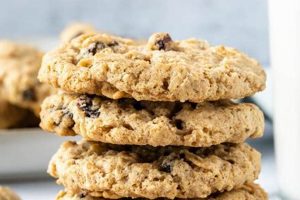
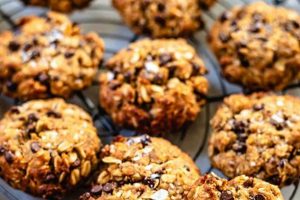
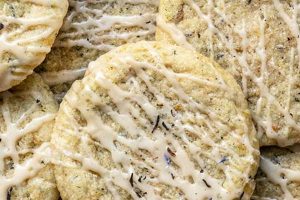
These baked goods represent a confluence of traditional spice-infused treats and plant-based dietary choices. They offer a satisfyingly crisp texture coupled with the warm, aromatic notes of ginger, cinnamon, and other spices typically associated with the holiday season. These treats replace common animal-derived ingredients with plant-based alternatives, appealing to individuals adhering to vegan lifestyles or seeking to reduce their intake of animal products.
The increasing popularity of plant-based diets has driven innovation in baking, resulting in readily available substitutions for eggs, butter, and dairy. These substitutions often maintain the desired flavor and texture profiles while aligning with ethical and health-conscious consumer preferences. The historical context of gingersnap cookies reveals a lineage rooted in spiced biscuits enjoyed for centuries, with modern adaptations now catering to a broader range of dietary needs and preferences.
The following discussion will delve into the specific ingredients and techniques employed to create these delectable plant-based variations. Furthermore, different approaches to ensure proper texture and flavor will be addressed, along with potential health benefits associated with the chosen ingredients.
Gingersnap Vegan Cookies
Achieving the ideal texture and flavor profile in plant-based baking often requires adjustments to traditional techniques. These tips offer guidance for crafting exceptional spiced, plant-based cookies.
Tip 1: Select Quality Plant-Based Butter. Opt for a high-quality vegan butter alternative with a high fat content. Lower-fat alternatives may impact texture, leading to a less tender final product. Ensure the butter is softened to room temperature for optimal creaming.
Tip 2: Employ a Binding Agent. In the absence of eggs, a binding agent such as applesauce, mashed banana, or flaxseed meal mixed with water is crucial. The appropriate quantity depends on the specific recipe; however, begin with small additions to avoid a gummy texture.
Tip 3: Use Molasses Judiciously. Molasses contributes significantly to both the flavor and color of these treats. Experiment with different types, such as light or dark, to achieve the desired depth of flavor. Avoid over-measuring, as excessive molasses can result in an overly dense cookie.
Tip 4: Monitor Baking Time. Plant-based cookies can brown more quickly than their traditional counterparts. Begin checking for doneness a few minutes before the recipe’s suggested time. Cookies are done when the edges are firm and the centers are slightly soft.
Tip 5: Allow for Cooling Time. Upon removal from the oven, allow the cookies to cool completely on the baking sheet before transferring them to a wire rack. This prevents crumbling and allows the cookies to firm up fully.
Tip 6: Consider Spices Carefully. While ginger is paramount, cinnamon, cloves, and nutmeg contribute complexity. Use fresh, high-quality spices to enhance the aromatic profile. Adjust spice ratios to align with personal preferences.
By adhering to these guidelines, bakers can consistently produce flavorful and texturally pleasing plant-based spiced cookies. Careful ingredient selection and precise execution are key to achieving professional-quality results.
The subsequent sections will examine variations in recipes and potential ingredient substitutions for those with additional dietary considerations.
1. Plant-based butter selection

The selection of plant-based butter exerts a significant influence on the final characteristics of spiced plant-based cookies. The fat composition, water content, and processing methods of these alternatives directly impact texture, spread, and overall palatability.
- Fat Content and Texture
Plant-based butters exhibit varying fat contents, influencing the cookie’s texture. Higher fat content, similar to traditional dairy butter, tends to yield a more tender, crumbly cookie with a richer mouthfeel. Conversely, lower-fat alternatives can result in a chewier, sometimes tougher, texture. Examples of high-fat plant-based butters include those derived from coconut oil or shea butter, while lower-fat options often rely on a blend of vegetable oils and water.
- Water Content and Spread
The water content within plant-based butters affects cookie spread during baking. Higher water content encourages greater spread, potentially leading to thinner, crisper cookies. Lower water content minimizes spread, resulting in thicker, more cake-like cookies. Bakers should be mindful of this factor and adjust other ingredients accordingly to achieve the desired spread.
- Flavor Profile Considerations
Plant-based butters possess distinct flavor profiles that can either complement or detract from the spiced flavors of gingersnap. For instance, coconut oil-based butters impart a subtle coconut flavor, which may be desirable in certain variations but undesirable in others. Neutral-flavored options, such as those derived from sunflower or safflower oil, offer a blank canvas, allowing the spices to shine through. The choice hinges on the intended flavor nuances of the final product.
- Impact on Browning
The browning characteristics of spiced plant-based cookies are influenced by the sugar content and the presence of reducing sugars, however, the plant-based butter selection has an influence as well. Some plant-based butters contain added sugars or starches to improve their texture and stability. These additions can enhance browning during baking, leading to a darker, more caramelized appearance. Bakers should carefully monitor baking times to prevent over-browning, especially when using sweetened or starch-modified plant-based butter.
The interplay between these facets underscores the importance of thoughtful plant-based butter selection when crafting spiced, plant-based cookies. Understanding how each characteristic affects the final product allows bakers to tailor their recipes and techniques to achieve optimal results. Careful consideration of fat content, water content, flavor profile, and potential browning effects ensures a satisfying and delicious outcome.
2. Binding agent alternatives
The structural integrity of gingersnap vegan cookies is critically dependent on the effective use of binding agents. Traditional cookie recipes rely on eggs to fulfill this role, providing cohesion and contributing to the desired texture. In the absence of eggs, plant-based alternatives are essential to replicate these properties. The choice of binding agent significantly influences the final product’s crumb, density, and overall mouthfeel. For instance, applesauce contributes moisture and a subtle sweetness, resulting in a softer cookie, while flaxseed meal, when combined with water, forms a gel that provides structural support and a slightly chewier texture.
Several options exist for replacing eggs in this context, each with distinct advantages and disadvantages. Pured fruits, such as bananas or pumpkin, can add moisture and subtle flavor, but they may also affect the cookie’s browning and overall taste profile. Starch-based binders, like cornstarch or tapioca starch, provide structure without adding significant flavor, but they can sometimes result in a dry or crumbly texture if not balanced with sufficient moisture. Nut butters, such as almond or cashew butter, contribute richness and binding properties, but their flavor can be dominant. Therefore, selecting the appropriate binding agent requires careful consideration of the desired texture, flavor, and overall recipe balance.
The efficacy of binding agents in gingersnap vegan cookies is not merely a matter of structural support; it also influences the cookie’s ability to retain moisture, spread evenly during baking, and achieve the characteristic crispness associated with gingersnaps. Optimizing the type and quantity of binding agent is therefore crucial for achieving a successful outcome. Furthermore, understanding the interactions between the binding agent and other ingredients, such as plant-based butter and molasses, is vital for developing a consistent and high-quality product. The selection and proper utilization of binding agents are thus fundamental to the creation of palatable and structurally sound plant-based spiced cookies.
3. Molasses type variation

The type of molasses employed in a gingersnap vegan cookie recipe is a critical determinant of the final product’s flavor profile, color, and texture. Different varieties of molasses impart unique characteristics that significantly influence the sensory experience of the baked good.
- Light Molasses: Subtle Sweetness and Pale Hue
Light molasses, derived from the first boiling of sugar cane juice, possesses the mildest flavor and lightest color among molasses types. Its use in gingersnap vegan cookies results in a delicately sweet flavor with subtle caramel undertones. The resulting cookies exhibit a pale brown hue, deviating from the darker, richer color associated with traditional gingersnaps. The relatively low sugar content of light molasses can influence the cookie’s spread and crispness, potentially leading to a softer texture.
- Dark Molasses: Robust Flavor and Deep Color
Dark molasses, extracted from the second boiling of sugar cane juice, offers a more pronounced flavor than light molasses. Its taste profile includes a bolder sweetness with hints of caramel and toffee. Incorporating dark molasses into gingersnap vegan cookies yields a richer, more intense flavor and a deeper brown color. The higher sugar concentration can contribute to a crisper texture and enhanced browning during baking, aligning more closely with the traditional gingersnap characteristics. Bakers use this for strong molasses flavor to pair with spice.
- Blackstrap Molasses: Intense Bitterness and Nutritional Profile
Blackstrap molasses, a byproduct of the third boiling of sugar cane juice, presents the most assertive flavor and darkest color among molasses varieties. It is characterized by a distinct bitterness and a robust mineral content. While commonly used as a nutritional supplement, blackstrap molasses can be incorporated into gingersnap vegan cookies in small quantities to add depth and complexity to the flavor profile. However, excessive use can overwhelm the other flavors and result in an unpalatably bitter cookie. It also is high in Iron and potassium.
The selection of molasses type in gingersnap vegan cookie recipes necessitates a balance between desired flavor intensity, color, and textural attributes. Bakers should carefully consider the unique properties of each molasses variety and adjust other ingredients accordingly to achieve the optimal sensory outcome. An informed understanding of molasses characteristics is crucial for tailoring plant-based spiced cookies to specific taste preferences and achieving consistent results.
4. Spice blend complexity

The distinctive and appealing flavor profile of plant-based spiced cookies is fundamentally rooted in the complexity of its spice blend. The combination of various aromatic spices, in carefully calibrated proportions, creates a synergistic effect that transcends the individual contributions of each component. This nuanced interaction directly influences the perceived warmth, depth, and overall sensory experience of the cookie. Insufficient attention to the spice blend’s composition can result in a bland, one-dimensional flavor, failing to capture the essence of the traditional treat. For instance, an overemphasis on ginger may overshadow other complementary spices like cinnamon, cloves, or nutmeg, leading to an unbalanced and potentially overwhelming taste.
The strategic utilization of multiple spices not only enhances the flavor but also contributes to the aromatic complexity of the cookies. The volatile compounds present in each spice interact during baking, releasing a medley of scents that stimulate the olfactory senses. This olfactory experience further enhances the perception of flavor, creating a more immersive and satisfying culinary experience. Real-life examples include recipes that incorporate cardamom, allspice, or even a hint of black pepper to elevate the spice blend beyond the standard ginger-cinnamon combination. These additions, when used judiciously, can impart subtle nuances and unexpected layers of flavor, distinguishing the cookie from commonplace alternatives.
In conclusion, the success of plant-based spiced cookies relies heavily on the thoughtful and precise construction of the spice blend. Achieving a harmonious balance of flavors requires a thorough understanding of the individual characteristics of each spice and their interplay within the context of the recipe. The artful application of spice blend complexity is not merely an aesthetic consideration but a fundamental aspect of crafting a truly exceptional plant-based spiced cookie. Challenges in this area include maintaining consistent spice quality and accurately measuring small quantities. However, the potential rewards, in terms of flavor depth and aromatic richness, justify the meticulous attention required.
5. Baking time monitoring

Accurate monitoring of baking time is crucial for achieving the desired texture and structural integrity in gingersnap vegan cookies. Plant-based ingredients, employed as substitutes for traditional dairy and eggs, exhibit distinct baking characteristics, necessitating precise time management to prevent under-baking or over-baking. Insufficient baking results in a soft, doughy center and a lack of structural support, while excessive baking leads to a dry, brittle cookie with a burnt flavor. For example, a batch of gingersnap vegan cookies baked for two minutes longer than recommended can transition from a pleasantly chewy texture to an unpalatably hard consistency. This sensitivity highlights the importance of vigilant baking time oversight.
Real-world applications of attentive baking time monitoring extend beyond simple texture control. Variations in oven calibration and environmental factors, such as humidity, can significantly impact baking times. Therefore, relying solely on a fixed time specified in a recipe is often insufficient. Visual cues, such as the browning of the edges and the setting of the center, should be coupled with precise timing to determine doneness. Furthermore, the practice of removing a test cookie from the oven and assessing its texture after a brief cooling period can provide valuable feedback for adjusting the remaining baking time. Professional bakeries employ sophisticated techniques, including internal temperature probes, to ensure consistent and accurate baking across large batches.
In summary, the link between baking time monitoring and the quality of gingersnap vegan cookies is undeniable. Precise time management, combined with observational assessment, is essential for achieving the desired texture, flavor, and overall palatability. Challenges in this area include the variability of plant-based ingredient behavior and the potential for oven inconsistencies. However, mastering the art of baking time monitoring is a key factor in producing consistently delicious and texturally satisfying plant-based spiced cookies.
6. Cooling process importance

The cooling process plays a pivotal role in determining the final texture and structural integrity of gingersnap vegan cookies. Following removal from the oven, these cookies undergo significant transformations that contribute to their characteristic crispness and overall palatability. Premature handling of warm cookies can disrupt this process, resulting in crumbling, deformation, or an undesirable soft texture. The residual heat within the cookies continues to bake them even after removal from the oven; therefore, proper cooling allows this residual baking to occur uniformly, setting the structure and solidifying the texture.
Real-world examples demonstrate the practical significance of understanding this process. If gingersnap vegan cookies are transferred from the baking sheet while still warm, they are prone to breakage due to their pliable state. Conversely, allowing the cookies to cool completely on the baking sheet facilitates the formation of a firm base, making them easier to handle and less susceptible to damage. In commercial bakeries, cooling racks are often employed to promote even airflow around the cookies, expediting the cooling process and ensuring uniform texture development. Furthermore, the cooling process influences the moisture content of the cookies; as they cool, excess moisture evaporates, contributing to their desired crispness. If the cookies are stored prematurely in an airtight container, this moisture can be trapped, leading to a softer, less appealing texture.
In conclusion, the cooling process is an indispensable component of the gingersnap vegan cookie baking process. Proper cooling allows for complete structural setting, minimizes the risk of damage during handling, and facilitates moisture evaporation, resulting in the desired crisp texture. Challenges in this area include variations in ambient temperature and humidity, which can affect cooling rates. However, an understanding of the underlying principles and adherence to recommended cooling practices are essential for consistently producing high-quality plant-based spiced cookies. Neglecting this step can negate the efforts invested in ingredient selection, spice blending, and baking time monitoring, ultimately impacting the final product’s success.
7. Texture optimization strategies

Texture optimization strategies are paramount in the creation of gingersnap vegan cookies, given the absence of traditional binding and leavening agents derived from animal products. Manipulating ingredient ratios, baking techniques, and cooling methods is essential to achieve the desired crispness, chewiness, or crumbly characteristics inherent in a high-quality spiced cookie.
- Fat Content Modulation
Altering the fat content, typically achieved through varying the type and quantity of plant-based butter or oil, directly influences the cookie’s spread and tenderness. Higher fat content generally yields a more tender, crumbly texture, while lower fat content results in a chewier, denser cookie. Examples include substituting coconut oil for a blend of vegetable oils to increase fat saturation and promote a crisper snap. In contrast, adding applesauce to reduce the overall fat content leads to a softer texture.
- Moisture Management
Controlling moisture levels through the addition of binding agents, such as flaxseed meal or pureed fruits, is crucial for maintaining cookie structure and preventing excessive dryness or gumminess. Flaxseed meal, when hydrated, forms a gel-like substance that mimics the binding properties of eggs, contributing to a chewier texture and improved moisture retention. Conversely, reducing liquid ingredients or increasing the proportion of dry ingredients can result in a crisper, more brittle cookie.
- Sugar Granulation and Type
The type and granularity of sugar used in the recipe significantly impact the cookie’s texture and spread. Granulated sugar promotes a crispier texture due to its ability to create air pockets during creaming, while powdered sugar results in a more tender, melt-in-your-mouth texture. Additionally, the inclusion of brown sugar contributes to a chewier texture due to its hygroscopic properties, which attract and retain moisture. Experimentation with sugar combinations can tailor the texture to specific preferences.
- Baking Temperature and Time
Adjusting baking temperature and time allows for precise control over the cookie’s browning and texture development. Higher baking temperatures promote rapid browning and a crisper exterior, while lower temperatures result in a more evenly baked cookie with a softer texture. Shortening the baking time can maintain a chewy center, while extending it creates a more brittle, snap-like texture. Careful monitoring of these parameters is essential to achieve the desired consistency.
These texture optimization strategies demonstrate the intricate interplay between ingredients and techniques in crafting gingersnap vegan cookies. Mastery of these strategies enables bakers to adapt recipes and methods to achieve consistent, desirable results, even in the absence of traditional animal-derived ingredients. The application of these principles extends beyond mere texture; it contributes to the overall sensory experience, enhancing the palatability and appeal of plant-based spiced cookies.
Frequently Asked Questions
This section addresses common inquiries regarding the creation, ingredients, and characteristics of plant-based spiced cookies, providing concise and factual answers.
Question 1: What ingredients typically replace eggs in gingersnap vegan cookies?
Common egg replacers include applesauce, mashed banana, flaxseed meal mixed with water, or commercial vegan egg replacers. The choice depends on the desired texture and flavor profile of the final product.
Question 2: How does the absence of dairy butter affect the texture of the cookies?
The absence of dairy butter can impact texture. Plant-based butter alternatives often have different fat compositions and water contents, which can influence spread and crispness. Careful selection of a high-fat plant-based butter is crucial.
Question 3: Is it possible to achieve the same crispness as traditional gingersnaps in a vegan version?
Yes, achieving a comparable crispness is possible. Careful ingredient selection, particularly regarding fat content and sugar type, and precise baking time monitoring are essential to ensure a crisp texture.
Question 4: What are some common pitfalls to avoid when baking gingersnap vegan cookies?
Common pitfalls include over-mixing the dough, using low-quality plant-based butter, incorrect measurements of binding agents, and inaccurate baking time assessment. Avoiding these mistakes is crucial for successful baking.
Question 5: How does the type of molasses influence the flavor of the cookies?
The type of molasses significantly influences flavor. Light molasses offers a mild sweetness, dark molasses provides a richer, more intense flavor, and blackstrap molasses contributes a strong, somewhat bitter taste.
Question 6: Can substitutions be made for individuals with specific dietary restrictions beyond veganism, such as gluten intolerance?
Yes, substitutions are possible. Gluten-free flour blends can replace wheat flour, requiring adjustments to liquid content and binding agents. Careful ingredient selection is crucial for catering to additional dietary needs.
In summary, the successful creation of plant-based spiced cookies hinges on thoughtful ingredient selection, precise baking techniques, and an understanding of how plant-based alternatives behave differently than traditional ingredients.
The subsequent section will explore variations in plant-based spiced cookie recipes and provide insights into adapting these recipes to individual preferences.
Conclusion
This exploration has highlighted the intricacies involved in crafting gingersnap vegan cookies. From the strategic selection of plant-based butter alternatives to the careful manipulation of spice blends and baking times, each element contributes significantly to the final product’s texture, flavor, and overall appeal. The absence of traditional animal-derived ingredients necessitates a refined understanding of plant-based substitutes and their interactions within the baking process.
The pursuit of perfecting gingersnap vegan cookies extends beyond a mere culinary exercise; it represents a commitment to both dietary inclusivity and the preservation of cherished culinary traditions. Further investigation into innovative plant-based ingredients and techniques will undoubtedly yield even more refined and accessible versions of this classic treat. Continued experimentation and rigorous adherence to best practices will solidify the place of gingersnap vegan cookies within the evolving landscape of modern baking.