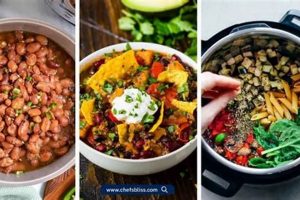
Dietary options devoid of animal products and minimized in lipids represent a specific approach to nutrition. This framework focuses on plant-based ingredients, emphasizing fruits, vegetables, legumes, and grains, while consciously excluding added oils, nuts, seeds, and high-fat substitutes. For example, a lentil soup prepared without oil, a steamed vegetable medley, or a fruit salad would align with this dietary style.
This approach to eating may be adopted for various reasons, encompassing potential cardiovascular benefits, weight management goals, or ethical considerations regarding animal welfare and environmental impact. Historically, variations of plant-based, low-fat diets have been employed in preventative and therapeutic contexts, reflecting a long-standing interest in the relationship between dietary choices and health outcomes. The reduced lipid content may contribute to lower cholesterol levels, while the emphasis on whole foods can provide essential vitamins, minerals, and fiber.
The subsequent sections will delve into practical considerations for adhering to this dietary style, explore nutritional adequacy, and address potential challenges in meal planning and preparation. Further discussion will focus on the appropriate food selection and strategies to ensure a balanced and satisfying dietary intake.
Guidance for Plant-Based, Lipid-Minimized Diets
The following recommendations aim to provide practical guidance for individuals pursuing a dietary approach characterized by the absence of animal products and minimal lipid content. The focus remains on nutritional adequacy, culinary adaptability, and long-term adherence.
Tip 1: Prioritize Whole, Unprocessed Foods: Emphasize fruits, vegetables, legumes, and whole grains in their natural state. Minimal processing reduces the likelihood of added oils or fats during manufacturing. Opt for cooking methods like steaming, baking, or boiling to avoid the need for added lipids.
Tip 2: Leverage Water-Based Cooking Techniques: Employ techniques like water sauteing or vegetable broth braising as alternatives to oil-based methods. These approaches allow for flavor development while minimizing lipid content. Using parchment paper for baking can also help prevent sticking and remove the need for oils.
Tip 3: Incorporate Flavor Enhancers Strategically: Utilize herbs, spices, vinegars, and citrus juices to enhance flavor profiles without relying on lipids. Experiment with various combinations to create complex and satisfying meals. Umami-rich ingredients, like mushrooms or sun-dried tomatoes (used sparingly due to potential sodium content), can also deepen flavor.
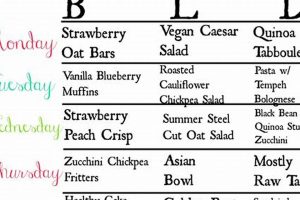
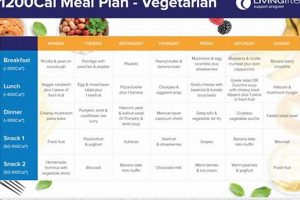
Tip 4: Plan Meals in Advance: Proactive meal planning helps ensure access to appropriate ingredients and minimizes the risk of resorting to less desirable food choices. Preparing larger batches of staples, such as beans or grains, can streamline meal preparation throughout the week.
Tip 5: Be Mindful of Hidden Lipids: Scrutinize ingredient lists on packaged foods to identify potential sources of added fats, such as oils, nuts, or seeds. Focus on products with minimal ingredients and a clear indication of lipid content per serving.
Tip 6: Ensure Adequate Caloric Intake: Due to the lower caloric density of many plant-based, lipid-minimized foods, it may be necessary to consume larger volumes to meet energy requirements. Prioritize nutrient-dense options to avoid excessive reliance on low-nutrient foods.
Tip 7: Consider Fortified Foods or Supplements: Assess the potential need for fortified foods or supplements to address specific nutrient deficiencies, such as vitamin B12, vitamin D, or calcium. Consult with a healthcare professional or registered dietitian to determine individual requirements.
Adherence to these guidelines can support individuals in maintaining a plant-based, lipid-minimized dietary pattern while ensuring nutritional adequacy and culinary satisfaction. However, careful planning and awareness of potential challenges are essential for long-term success.
The subsequent sections will address the potential challenges and solutions for maintain a dietary pattern of plant-based and lipid-minimized.
1. Ingredients

The selection of ingredients is paramount in the context of meals devoid of animal products and minimized in lipids. Specific ingredients determine whether a meal qualifies under this dietary approach and significantly influence its nutritional composition. Exclusion of animal-derived products mandates the use of plant-based alternatives, while the reduction of lipids necessitates avoiding high-fat options such as oils, nuts, and seeds in significant quantities. This selective process, therefore, establishes the foundation upon which such meals are constructed. The type of ingredients utilized directly affects the macronutrient profile, micronutrient availability, and overall caloric density of the meal.
Consider, for example, a meal centered around brown rice, lentils, and steamed broccoli. These ingredients contribute complex carbohydrates, protein, and essential vitamins and minerals, respectively. Conversely, substituting the steamed broccoli with fried tofu (even if the tofu itself is plant-based) would introduce a substantial amount of fat, thereby altering the meal’s compliance with the intended dietary parameters. Similarly, incorporating plant-based meat alternatives, which can often contain added oils, requires careful scrutiny of the ingredient list and nutritional information. Choosing ingredients with minimal processing reduces the likelihood of hidden fats and added sugars, allowing for greater control over the meal’s nutritional content.
In summary, the strategic selection of ingredients forms the bedrock of successful meals that are both plant-based and lipid-minimized. This requires a conscious awareness of the inherent properties of various food items and their potential impact on the overall dietary profile. Prioritizing whole, unprocessed plant foods and meticulously avoiding added fats are critical for adhering to this specific approach to nutrition. Failure to carefully consider ingredients will invariably compromise the integrity and intended benefits of the dietary style, while conscientious selection paves the way for nutrient-rich, satisfying meals.
2. Preparation

The method of food preparation is a crucial determinant in whether a meal aligns with the parameters of being devoid of animal products and minimized in lipids. The manner in which ingredients are processed and combined significantly impacts the final nutrient composition and lipid content of the dish. Choices made during preparation can either support or undermine the principles of this dietary approach.
- Cooking Methods
The selection of cooking techniques directly influences the amount of lipids introduced into a meal. Methods such as steaming, boiling, grilling (without added oil), and baking without oil contribute minimal lipids. Conversely, frying or sauting in oil increases the lipid content substantially. Choosing appropriate cooking methods is therefore essential for maintaining a low-fat profile. Examples include steaming vegetables instead of roasting them with oil, or baking potatoes instead of frying them. These choices drastically reduce the lipid content while preserving nutritional value.
- Ingredient Processing
The degree of processing to which ingredients are subjected can also affect the lipid content. Whole, unprocessed foods generally contain less added fat than processed alternatives. For example, preparing beans from dried legumes allows for control over added ingredients, whereas canned beans may contain added oils or fats. Similarly, making sauces and dressings from scratch using water, vegetable broth, or vinegar as a base avoids the added oils often found in commercial products. Opting for minimally processed ingredients helps maintain the integrity of the diet.
- Flavor Enhancement Strategies
Flavor enhancement techniques are vital to creating satisfying meals without relying on lipids. Utilizing herbs, spices, citrus juices, and vinegars can add depth and complexity to dishes. Roasting vegetables with spices, rather than oil, or marinating tofu in a flavorful, oil-free sauce, enhances taste without increasing lipid content. Experimentation with different flavor combinations can create diverse and palatable meals that adhere to the principles of this dietary approach.
- Equipment Utilization
The equipment used during preparation can also play a role in minimizing lipid content. Non-stick cookware reduces the need for added oils to prevent sticking. Air fryers can mimic the texture of fried foods with minimal or no oil. Parchment paper can be used for baking to prevent sticking and eliminate the need for greasing pans. Thoughtful selection and utilization of kitchen equipment can facilitate the preparation of meals devoid of animal products and minimized in lipids.
The facets of cooking methods, ingredient processing, flavor enhancement strategies, and equipment utilization collectively define the preparation process for meals aligning with the principles of fat-free and vegan dietary choices. These elements must be thoughtfully considered to ensure that the final dish adheres to the intended nutritional profile. For example, a stir-fry prepared with water instead of oil, using fresh vegetables and spices for flavoring, demonstrates the practical application of these concepts. Careful attention to preparation is paramount for achieving both culinary satisfaction and adherence to the dietary guidelines.
3. Nutrient Density

Nutrient density, defined as the concentration of micronutrients (vitamins and minerals) and other beneficial compounds (e.g., antioxidants, fiber) relative to the caloric content of a food, holds paramount importance within the framework of meals devoid of animal products and minimized in lipids. The restriction of dietary choices inherent in this eating pattern necessitates a deliberate focus on selecting foods that provide a substantial amount of nutrients per calorie. Failure to prioritize nutrient-dense options can result in deficiencies, compromising overall health and well-being. A meal based primarily on processed carbohydrates, even if plant-based and low in fat, would inherently lack the essential vitamins, minerals, and fiber necessary for optimal physiological function. Consequently, the deliberate incorporation of nutrient-dense foods is not merely desirable but rather a foundational requirement for sustainability of this dietary style.
The strategic integration of foods such as dark leafy greens (e.g., spinach, kale), cruciferous vegetables (e.g., broccoli, cauliflower), legumes (e.g., lentils, beans), and whole grains (e.g., quinoa, brown rice) directly addresses the potential nutritional shortcomings associated with a limited dietary scope. For example, incorporating spinach into a lentil soup not only enhances the vitamin and mineral content of the dish but also contributes dietary fiber. Similarly, replacing white rice with quinoa provides a more complete amino acid profile and a greater concentration of essential micronutrients. The practical application of this principle extends to meal planning, where each meal is consciously designed to incorporate multiple sources of vitamins, minerals, and fiber. This may involve combining a variety of vegetables, legumes, and whole grains in a single dish or strategically pairing different food groups to maximize nutrient absorption.
Achieving adequate nutrient density within the context of plant-based, lipid-minimized meals presents certain challenges. Vitamin B12, vitamin D, calcium, and iron are nutrients of particular concern, often requiring supplementation or strategic consumption of fortified foods. Moreover, careful consideration must be given to the bioavailability of certain nutrients, such as iron, which can be enhanced through the consumption of vitamin C-rich foods. A thorough understanding of nutritional requirements and the nutrient composition of plant-based foods is essential for mitigating potential deficiencies and ensuring the long-term health and sustainability of this dietary approach. In summary, prioritizing nutrient density is an indispensable component of successful plant-based, lipid-minimized meal planning, requiring a comprehensive understanding of nutritional principles and a deliberate focus on selecting and combining nutrient-rich foods.
4. Meal Planning

In the context of dietary adherence to meals devoid of animal products and minimized in lipids, meal planning emerges as a critical element for success. The restrictive nature of this dietary pattern necessitates a proactive approach to ensure nutritional adequacy, prevent dietary monotony, and facilitate long-term compliance. Strategic meal planning serves as the framework for organizing food choices, managing resources, and achieving specific dietary objectives.
- Nutritional Adequacy
Effective meal planning directly addresses potential nutritional deficiencies associated with a plant-based, lipid-minimized diet. By pre-selecting nutrient-dense foods and strategically incorporating fortified options, individuals can ensure adequate intake of essential vitamins, minerals, and macronutrients. For example, planning meals that consistently include legumes, whole grains, dark leafy greens, and foods fortified with vitamin B12 can mitigate the risk of nutritional shortcomings. This proactive approach is paramount for maintaining overall health and well-being.
- Dietary Variety and Palatability
Meal planning combats dietary monotony by promoting variety in food choices and culinary preparations. Constructing a diverse meal plan can prevent repetitive eating patterns, which can lead to decreased adherence and potential nutrient imbalances. By incorporating a wide range of fruits, vegetables, legumes, and whole grains, individuals can create visually appealing and palatable meals. For example, alternating between different types of legumes (e.g., lentils, chickpeas, black beans) and incorporating a variety of herbs and spices can enhance flavor profiles and maintain dietary interest.
- Resource Management and Efficiency
Strategic meal planning optimizes resource management by minimizing food waste, reducing impulsive food purchases, and streamlining meal preparation. By creating a detailed shopping list based on pre-planned meals, individuals can avoid unnecessary spending and ensure that all required ingredients are readily available. Preparing larger batches of staple foods, such as beans or grains, and utilizing leftovers strategically can further enhance efficiency and reduce time spent in the kitchen. Efficient resource management contributes to the long-term sustainability of this dietary approach.
- Adherence and Goal Attainment
Structured meal planning facilitates adherence to a plant-based, lipid-minimized diet by providing a clear roadmap for food choices and minimizing the temptation to deviate from established dietary guidelines. By pre-determining meals and snacks, individuals can reduce the cognitive burden associated with decision-making and create a consistent eating pattern. This proactive approach is particularly beneficial in environments where less desirable food options are readily available. Consistent adherence to the planned dietary framework increases the likelihood of achieving desired health outcomes and maintaining long-term sustainability.
The multifaceted role of meal planning is essential for individuals seeking to adhere to a dietary approach characterized by the absence of animal products and minimal lipid content. By strategically planning meals to ensure nutritional adequacy, promote dietary variety, optimize resource management, and facilitate adherence, individuals can maximize the benefits of this dietary style and maintain long-term sustainability. An example of this is the creation of weekly menus centered around seasonal produce, combined with strategic batch cooking and use of leftovers, can enhance both dietary variety and adherence to the principles of fat-free vegan meals.
5. Flavor Profiles
Flavor profiles represent a critical success factor in the realm of meals devoid of animal products and minimized in lipids. The absence of animal fats and oils, which often contribute significantly to the palatability and sensory appeal of food, necessitates a strategic approach to flavor development. A monotonous or bland flavor profile can directly contribute to decreased dietary adherence and undermine the long-term sustainability of such a dietary pattern. Conversely, a well-developed and diverse flavor profile can enhance the satisfaction derived from meals, making the dietary approach more appealing and sustainable. For instance, a simple steamed vegetable dish can be transformed through the skillful application of herbs, spices, and citrus juices, thereby elevating its palatability without compromising the low-fat, vegan criteria. Therefore, understanding and manipulating flavor profiles is not merely an aesthetic consideration, but a practical necessity for promoting adherence and maximizing the benefits of this dietary style.
The practical application of flavor profile enhancement involves a multi-faceted approach. This includes a strategic utilization of aromatic ingredients, such as garlic, onions, ginger, and various herbs and spices. Employing techniques such as dry-roasting spices to enhance their aroma, or marinating vegetables in vinegar-based preparations, can contribute significantly to the overall flavor complexity. For example, a lentil stew, often perceived as bland, can be elevated by incorporating smoked paprika, cumin, and coriander. Another essential aspect involves understanding the interplay between different flavor components: sweet, sour, salty, bitter, and umami. Balancing these elements allows for the creation of well-rounded and satisfying meals. An example is the addition of a small amount of balsamic vinegar (sour and sweet) to roasted vegetables to balance the natural sweetness and umami of the vegetables. Additionally, incorporating umami-rich ingredients like mushrooms or sun-dried tomatoes (used sparingly due to sodium content) can contribute to a more savory and satisfying flavor profile.
In summary, the relationship between flavor profiles and meals devoid of animal products and minimized in lipids is one of critical interdependence. Flavor profile development is not merely an adjunct to the dietary approach but is integral to its long-term success. Mastering techniques for enhancing flavor through strategic ingredient selection and culinary preparation is essential for creating palatable, satisfying, and sustainable meals. Challenges may arise in developing complex flavor profiles without relying on traditional fats and oils; however, through experimentation and skillful application of flavor principles, these obstacles can be overcome. The successful integration of compelling flavor profiles contributes directly to increased dietary adherence and promotes the long-term viability of this specific nutritional approach.
6. Sustainability

The convergence of sustainability principles and the dietary approach characterized by meals devoid of animal products and minimized in lipids presents a complex interplay of environmental, ethical, and economic considerations. Animal agriculture, in particular, is a significant contributor to greenhouse gas emissions, deforestation, and water pollution. A shift towards plant-based diets, therefore, offers a pathway to mitigate these adverse environmental impacts. Furthermore, the intensive production of oils and high-fat plant products, while seemingly more benign than animal agriculture, can also contribute to environmental degradation through deforestation for crop cultivation and the use of pesticides and fertilizers. Thus, a fat-free vegan meal, when strategically implemented, aims to minimize both the direct and indirect environmental consequences of food production.
The practical significance of this understanding lies in the conscious selection of ingredients and the implementation of sustainable agricultural practices. Prioritizing locally sourced, seasonal produce reduces transportation-related emissions and supports regional economies. Choosing crops that require minimal irrigation and fertilizer inputs further reduces the environmental footprint. For example, opting for lentils grown using regenerative agriculture practices, rather than imported avocados, exemplifies this commitment to sustainability. Waste reduction strategies, such as composting food scraps and minimizing packaging, are also integral components of a sustainable approach. In addition, the energy efficiency of food preparation methods should be considered. Steaming or boiling vegetables, for instance, typically requires less energy than roasting them in an oven, aligning with the principles of minimizing environmental impact.
In conclusion, sustainability is not merely an ancillary consideration but rather an intrinsic element of meals devoid of animal products and minimized in lipids. The environmental benefits associated with this dietary approach are maximized through conscientious ingredient selection, adherence to sustainable agricultural practices, and minimization of waste and energy consumption. Challenges remain in ensuring widespread access to sustainably produced plant-based foods and in educating consumers about the interconnectedness of dietary choices and environmental stewardship. By acknowledging these challenges and actively promoting sustainable practices, this dietary framework can contribute significantly to a more environmentally responsible and ethically sound food system.
7. Long-Term Adherence

Sustained adoption of a dietary pattern predicated on the absence of animal products and minimal lipid intake presents a significant challenge for many individuals. The restrictive nature of this eating style necessitates careful planning and a comprehensive understanding of the factors that influence long-term adherence. Successfully maintaining this diet requires more than just an initial commitment; it demands continuous effort to navigate potential obstacles and maintain nutritional adequacy.
- Nutritional Adequacy and Planning
Ensuring sufficient intake of essential nutrients, such as vitamin B12, vitamin D, calcium, iron, and omega-3 fatty acids, is crucial for sustained adherence. Without meticulous planning and supplementation, nutrient deficiencies can arise, leading to health complications and decreased motivation to continue the diet. For instance, a lack of vitamin B12 can cause fatigue and neurological problems, negatively impacting overall well-being and potentially prompting abandonment of the diet. Strategic meal planning, including fortified foods and appropriate supplementation, is essential to mitigate these risks.
- Variety and Culinary Appeal
Dietary monotony is a common deterrent to long-term adherence. The limited range of permitted ingredients, particularly the restriction of fats, can result in bland or unappealing meals. Individuals may find it difficult to maintain interest in the diet if it lacks culinary diversity. The strategic use of herbs, spices, and creative cooking techniques is necessary to enhance flavor profiles and prevent dietary fatigue. Regularly exploring new recipes and experimenting with different flavor combinations can help maintain enthusiasm and prevent adherence from faltering.
- Social and Cultural Considerations
Social and cultural factors can significantly impact an individual’s ability to maintain a restrictive diet. Navigating social gatherings, restaurant meals, and family traditions can be challenging when adhering to a plant-based, lipid-minimized eating pattern. Lack of support from family and friends, limited availability of appropriate food options in social settings, and cultural norms centered around animal products can all contribute to difficulties in adherence. Developing strategies for navigating these situations, such as preparing meals in advance or communicating dietary needs clearly, is crucial for maintaining long-term commitment.
- Psychological Factors and Motivation
Psychological factors, including motivation, self-efficacy, and emotional eating patterns, play a significant role in dietary adherence. Maintaining a restrictive diet requires a strong sense of commitment and belief in one’s ability to succeed. Emotional eating, where food is used to cope with stress or negative emotions, can lead to deviations from the diet and undermine long-term efforts. Developing healthy coping mechanisms and cultivating a positive mindset are essential for overcoming these challenges. Regular self-reflection, setting realistic goals, and seeking support from a therapist or registered dietitian can enhance motivation and improve adherence.
The multifaceted factors of nutritional adequacy, culinary appeal, social dynamics, and psychological health interact and must be addressed to support long-term adherence. These factors must be recognized and strategically managed to foster a sustainable and fulfilling experience with plant-based, lipid-minimized meals. Successful adherence is not solely determined by dietary restrictions but also by the holistic approach to well-being that integrates these facets.
Frequently Asked Questions About Fat Free Vegan Meals
The following frequently asked questions address common misconceptions and concerns regarding meals devoid of animal products and minimized in lipids. The aim is to provide clear, evidence-based information to facilitate informed decision-making.
Question 1: What constitutes a dietary approach characterized by the absence of animal products and minimal lipid content?
This dietary framework prioritizes plant-based foods, such as fruits, vegetables, legumes, and whole grains, while consciously excluding animal-derived products and significantly limiting the intake of added oils, nuts, seeds, and other high-fat plant-based options. The focus is on whole, unprocessed foods prepared using methods that minimize the addition of lipids.
Question 2: Are these meals nutritionally adequate?
Nutritional adequacy requires careful planning and attention to detail. Particular focus should be given to nutrients often lacking in plant-based diets, such as vitamin B12, vitamin D, calcium, and iron. Fortified foods and/or supplementation may be necessary to meet recommended daily intakes. Strategic meal planning that incorporates a variety of nutrient-dense foods is essential.
Question 3: What are some common challenges in adhering to this dietary approach?
Common challenges include dietary monotony, social constraints, and difficulty in finding suitable options when eating out. The absence of added fats can also impact the palatability of meals. Effective strategies for overcoming these challenges include creative meal planning, developing flavorful recipes, and communicating dietary needs clearly in social settings.
Question 4: How can flavor profiles be enhanced without the use of added oils or fats?
Flavor enhancement can be achieved through the strategic use of herbs, spices, citrus juices, vinegars, and umami-rich ingredients. Roasting spices to enhance their aroma, marinating vegetables in flavorful sauces, and experimenting with different flavor combinations can contribute to satisfying and palatable meals.
Question 5: What are the potential benefits associated with this dietary style?
Potential benefits may include improved cardiovascular health, weight management, and reduced risk of certain chronic diseases. The emphasis on whole, plant-based foods can provide essential vitamins, minerals, and fiber. However, individual results may vary, and it is essential to consult with a healthcare professional or registered dietitian to determine if this dietary approach is appropriate.
Question 6: Is this dietary approach sustainable in the long term?
Long-term sustainability requires a comprehensive understanding of nutritional requirements, careful meal planning, and a commitment to addressing potential challenges. Social support, culinary skills, and a positive mindset are also important factors. With proper planning and adherence to key principles, it is possible to maintain this dietary approach over the long term.
Adherence to the principles outlined in these FAQs is crucial for individuals considering or currently following a dietary approach characterized by the absence of animal products and minimal lipid content. Thorough consideration of nutritional needs and practical challenges is essential for success.
The next section provides supplementary resources for further exploration of the subject matter.
Fat Free Vegan Meals
The preceding discussion has explored the various facets of fat free vegan meals, encompassing ingredient selection, preparation techniques, nutritional considerations, meal planning strategies, flavor profile development, sustainability aspects, and long-term adherence challenges. The information presented underscores the complexity inherent in this dietary approach, highlighting the necessity for informed decision-making and meticulous planning to ensure both nutritional adequacy and culinary satisfaction.
The pursuit of fat free vegan meals represents a significant commitment that requires ongoing education and adaptation. Individuals considering this dietary path are encouraged to consult with qualified healthcare professionals and registered dietitians to address specific nutritional needs and develop a sustainable, personalized plan. The ultimate success of this approach hinges on a comprehensive understanding of its principles and a proactive engagement with its challenges, fostering a balanced and enduring commitment to both health and well-being.