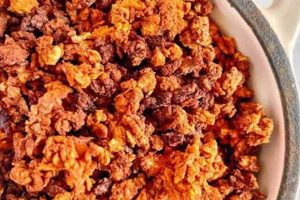
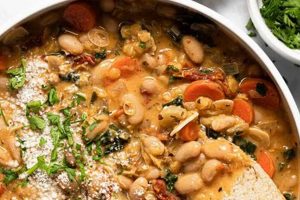
The focus is on preparing plant-based dishes inspired by Mexican cuisine that are accessible to cooks of all skill levels. These recipes generally feature readily available ingredients and simplified cooking techniques, minimizing preparation time and maximizing flavor. For example, a quick black bean salsa or a simple tofu scramble seasoned with taco spices exemplifies this approach.
Adopting this style of cooking offers several advantages, including promoting a healthier diet rich in fiber and plant-based protein. Furthermore, it supports sustainable food practices by reducing reliance on animal products. Historically, traditional Mexican diets already included a significant proportion of plant-based meals, making the transition to fully vegan versions relatively seamless and culturally relevant.
The following exploration will delve into specific ingredient substitutions, demonstrate fundamental cooking methods, and highlight recipe examples designed to showcase the delicious possibilities within this culinary style. Key areas covered include preparing veganized versions of classic dishes like enchiladas and tacos, as well as exploring lesser-known regional specialties suitable for a plant-based lifestyle.
Culinary Guidance for Streamlined Plant-Based Mexican Cuisine
The subsequent guidelines provide practical advice for efficiently creating authentic-tasting, plant-based Mexican meals. These recommendations emphasize ingredient selection, preparation techniques, and flavor enhancement strategies.
Tip 1: Prioritize Fresh Produce: Opt for seasonal, locally sourced fruits and vegetables whenever possible. Fresh ingredients contribute significantly to the overall flavor profile and nutritional value of the dish. For instance, using ripe, in-season tomatoes in salsa yields a superior taste compared to canned alternatives.
Tip 2: Master Essential Spice Blends: Develop proficiency in creating custom spice blends. Chili powder, cumin, oregano, and smoked paprika are frequently utilized. Homemade blends allow for precise control over heat levels and flavor intensity.
Tip 3: Employ Strategic Protein Sources: Tofu, tempeh, beans, and lentils serve as versatile protein alternatives. Explore different textures and preparation methods. For example, crumbled tempeh, seasoned appropriately, effectively mimics ground meat in tacos or burritos.
Tip 4: Embrace Plant-Based Dairy Substitutes: Cashew cream, oat milk, and commercially available vegan cheeses offer viable replacements for dairy products. Experiment with different brands and varieties to find those that best suit the intended application. Cashew cream, for instance, provides richness and creaminess to sauces and desserts.
Tip 5: Optimize Cooking Techniques: Utilize techniques like roasting and grilling to enhance the flavors of vegetables. Roasting sweet potatoes or corn brings out their natural sweetness and adds depth to the overall dish.
Tip 6: Elevate with Fresh Herbs and Aromatics: Cilantro, epazote, and lime are essential finishing touches. A sprinkle of fresh cilantro and a squeeze of lime juice can brighten the flavors and add complexity.
Tip 7: Utilize shortcuts Wisely: Pre-chopped vegetables and canned beans can be utilized to shorten cooking time. However, it’s important to choose products with minimal added sodium or preservatives.
Implementing these suggestions facilitates the preparation of authentic, flavorful, and nutritionally balanced plant-based Mexican meals while minimizing time and effort.
The upcoming sections will feature specific recipe examples that incorporate these principles, offering further guidance on translating these concepts into tangible culinary outcomes.
1. Ingredient Accessibility

Ingredient accessibility fundamentally determines the “easiness” aspect of preparing plant-based Mexican cuisine. When ingredients are readily available at standard grocery stores or local markets, the barrier to entry for novice cooks or those with time constraints is significantly lowered. This direct correlation suggests that the more accessible the ingredients, the more likely individuals are to attempt and successfully prepare a plant-based Mexican recipe.
The lack of accessible ingredients presents a considerable obstacle. Recipes requiring specialized ingredients, such as obscure chili varieties or hard-to-find vegan cheeses, are inherently more complex and less practical for the average cook. Conversely, recipes relying on common items like canned beans, corn, tomatoes, onions, and readily available spices exemplify ingredient accessibility. For instance, a vegan black bean soup recipe using only these staples is significantly more appealing to a wider audience than a dish demanding imported ingredients. Therefore, ingredient accessibility is an integral component of defining the scope and feasibility of “easy mexican vegan recipes.”
In conclusion, understanding the connection between ingredient availability and recipe simplicity is paramount for creating truly accessible plant-based Mexican options. Focusing on easily sourced items not only broadens the potential audience but also promotes the sustained adoption of plant-based cooking. While specialized ingredients can elevate dishes, their absence should not preclude the creation of satisfying and approachable meals. Prioritizing accessibility, therefore, contributes to both the practicality and popularity of the recipes.
2. Flavorful spice combinations

Spice combinations serve as a cornerstone in creating authentic and compelling plant-based Mexican cuisine. They compensate for the absence of traditional animal-derived ingredients, lending depth, complexity, and signature flavor profiles to the dishes. Without strategic spice usage, vegan Mexican meals risk tasting bland or uninspired.
- Foundation of Flavor:
Specific spice combinations are central to Mexican cuisine, acting as flavor blueprints. Common mixtures include chili powder (often a blend of multiple chili varieties), cumin, oregano, garlic powder, onion powder, and smoked paprika. Mastering these combinations allows for consistent and predictable results, particularly important in streamlined recipes. Example: A basic taco seasoning, made in bulk, can be used across multiple plant-based fillings.
- Ingredient Enhancement:
Strategic use of spices enhances the inherent flavors of plant-based ingredients. For instance, cumin can amplify the earthy notes of black beans, while smoked paprika can impart a savory depth to tofu, mimicking the flavor of chorizo. The correct spice blend transforms simple ingredients into complex and appealing components. Example: A vegetable stew, subtly seasoned with epazote, elevates the earthy flavors of squash and corn.
- Sensory Experience:
Spice combinations influence the overall sensory experience, engaging both taste and smell. The aroma of toasted cumin and chili powder can evoke feelings of warmth and authenticity, creating a more satisfying and immersive dining experience. This is particularly important in plant-based adaptations, where relying solely on visual cues might be insufficient. Example: A properly spiced vegan chili will stimulate the senses, making it a satisfying and comforting meal.
- Simplified Complexity:
While Mexican cuisine can be intricate, strategic spice combinations enable the creation of complex flavors with relatively few steps. A well-balanced blend can effectively replicate the depth of flavor achieved through longer cooking times or specialized techniques. This aligns with the “easy” aspect, allowing for robust results with minimal effort. Example: A pre-mixed spice blend for enchilada sauce, containing chilies, spices, and herbs, simplifies the preparation process while delivering authentic flavor.
In essence, flavorful spice combinations represent an essential tool for successfully crafting satisfying and accessible plant-based Mexican meals. They not only provide authentic flavor but also elevate simple ingredients and streamline the cooking process, allowing for the creation of complex and delicious dishes with minimal effort.
3. Plant-based protein sources

The successful implementation of plant-based Mexican cuisine hinges on the effective utilization of non-animal protein sources. These ingredients must provide adequate nutrition, possess desirable textures, and integrate seamlessly into traditional Mexican flavor profiles to create satisfying and easily prepared meals.
- Beans and Legumes
Beans, including black beans, pinto beans, and kidney beans, represent a cornerstone of both traditional and plant-based Mexican cooking. Their versatility allows for incorporation into dishes such as refried beans, fillings for burritos, and components of soups and stews. Canned beans offer a convenient shortcut, aligning with the “easy” requirement, while dried beans, prepared in advance, offer cost-effectiveness. Lentils provide a further option, particularly in dishes where a ground meat-like texture is desired.
- Tofu and Tempeh
Tofu, especially firm or extra-firm varieties, serves as a blank canvas for absorbing Mexican flavors. Crumbled tofu, seasoned with taco spices, can mimic the texture of ground beef in tacos or enchiladas. Tempeh, with its nutty flavor and firmer texture, can be marinated and grilled or pan-fried, providing a more substantial protein source for fajitas or bowls. Pressing tofu to remove excess water is essential for achieving a desirable texture.
- Textured Vegetable Protein (TVP)
TVP, derived from soy, offers a shelf-stable and versatile option for replacing ground meat. When rehydrated and seasoned appropriately, it can be used in chili, tacos, or as a filling for tamales. Its neutral flavor profile makes it adaptable to a wide range of Mexican spice blends, contributing to the “easy” aspect by requiring minimal preparation.
- Nuts and Seeds
While not primary protein sources, nuts and seeds contribute valuable nutrients and textures. Pepitas (pumpkin seeds) provide a crunchy topping for salads and soups, while walnuts, when pulsed in a food processor, can create a “meat-like” texture for fillings. Cashews, soaked and blended, can form the base for creamy sauces or vegan cheeses, adding richness and protein to dishes like enchiladas or queso dip.
The judicious selection and preparation of these plant-based protein sources are critical for creating satisfying and nutritionally complete plant-based Mexican meals that remain accessible in terms of both preparation time and ingredient availability. Mastering the incorporation of these ingredients allows for the effortless translation of traditional recipes into plant-based alternatives, widening the appeal and accessibility of this cuisine.
4. Dairy-free alternatives

The integration of dairy-free alternatives is crucial for developing plant-based Mexican recipes while retaining the flavors and textures associated with traditional dishes. This substitution directly addresses the core requirement of vegan cuisine, yet its execution must maintain simplicity and accessibility to align with the “easy” aspect.
- Vegan Cheeses
Commercially available vegan cheeses, often made from nuts, soy, or coconut oil, offer a direct replacement for traditional dairy cheeses. While quality varies, certain brands melt and stretch similarly to dairy cheese, making them suitable for quesadillas, enchiladas, and nachos. Recipes that utilize readily available and palatable vegan cheeses contribute significantly to the accessibility of plant-based Mexican cooking. However, homemade vegan cheese variations, such as those based on cashew cream, introduce a level of complexity that might detract from the “easy” designation. The optimal approach balances convenience with taste and texture.
- Plant-Based Creams
Cashew cream, created by blending soaked cashews with water, serves as a versatile substitute for Mexican crema or sour cream. Its rich texture and mild flavor make it adaptable to both sweet and savory applications. Coconut cream, particularly the solidified portion from refrigerated full-fat coconut milk, can also provide a creamy texture in certain applications. Pre-made vegan sour cream alternatives are also readily available, offering a convenient option for topping tacos or adding a dollop to soups. These plant-based creams mimic the richness of dairy counterparts without the need for advanced culinary techniques.
- Dairy-Free Milks
Dairy-free milks, such as oat milk or almond milk, can replace cow’s milk in certain recipes, particularly those involving sauces or beverages. Oat milk’s creamy texture makes it a suitable alternative for thickening sauces or creating a plant-based version of horchata. Almond milk can be used in recipes where a thinner consistency is desired. The readily available nature of these milks contributes to the ease of preparation, aligning with the core theme.
- Nutritional Yeast
While not a direct dairy substitute, nutritional yeast adds a savory, cheesy flavor to dishes. It can be incorporated into sauces, sprinkled over nachos, or used to create a vegan “cheese” sauce. Its umami-rich flavor profile enhances the overall taste of plant-based Mexican meals, adding depth and complexity without requiring specialized techniques or ingredients.
These dairy-free alternatives, when strategically incorporated, allow for the creation of satisfying and accessible plant-based Mexican recipes. The key lies in selecting alternatives that are readily available, easy to use, and provide a palatable flavor and texture profile. By prioritizing simplicity and convenience, these substitutions contribute significantly to the feasibility and enjoyment of “easy mexican vegan recipes”.
5. Simplified techniques

Simplified techniques represent a critical component in the creation of accessible plant-based Mexican cuisine. The successful adoption of vegan recipes often hinges on their ease of preparation, making streamlined methods essential for widespread appeal and practicality. The following points outline key facets of these techniques and their direct relevance to achieving the goal of simple and approachable vegan Mexican dishes.
- One-Pot Cooking
The one-pot method minimizes both cooking time and cleanup, aligning directly with the “easy” designation. Dishes such as vegan chili, soups, and stews can be prepared entirely in a single pot, reducing the number of steps and dishes required. For example, a black bean soup with canned tomatoes, corn, spices, and vegetable broth cooked in one pot offers a substantial and flavorful meal with minimal effort. This technique reduces complexity, making plant-based Mexican meals more attainable for novice cooks.
- Pre-Made Ingredients
The utilization of pre-made ingredients, such as canned beans, pre-chopped vegetables, and store-bought spice blends, substantially reduces preparation time. While scratch-made ingredients often offer superior flavor, the convenience of pre-made options can be crucial for busy individuals seeking quick and easy meal solutions. An example includes using pre-made salsa instead of preparing it from scratch, or using pre-cooked rice for burritos or bowls. These shortcuts allow for the rapid assembly of meals without compromising on taste or nutritional value.
- No-Cook Recipes
Certain plant-based Mexican dishes require minimal or no cooking, further simplifying the preparation process. Salsas, guacamole, and certain salads can be assembled using fresh ingredients without the need for heat. A simple black bean salsa made with canned beans, corn, red onion, cilantro, and lime juice exemplifies this approach. Such recipes are ideal for individuals with limited cooking experience or time constraints, providing a refreshing and healthy meal option with virtually no effort.
- Ingredient Substitution
Simplified techniques often involve strategic ingredient substitutions to streamline the cooking process. For example, using frozen vegetables instead of fresh when time is limited, or substituting vegetable broth for water to enhance flavor without adding complexity. Another substitution is utilizing pre-made vegan cheese shreds rather than making a cashew-based cheese sauce from scratch. The goal of ingredient substitution is to maintain the essential flavors of the dish while reducing the overall preparation time and effort.
These simplified techniques, when strategically implemented, facilitate the creation of plant-based Mexican meals that are both flavorful and accessible. By minimizing cooking time, reducing the number of steps involved, and utilizing convenient ingredients, these methods make plant-based cooking more attainable for individuals of all skill levels. The focus on simplicity, therefore, contributes directly to the widespread adoption and enjoyment of easy vegan recipes.
6. Nutritional balance
Achieving nutritional balance within easily prepared plant-based Mexican recipes is a critical factor impacting the long-term viability and health benefits of such a diet. While the simplicity of a recipe is paramount for accessibility, neglecting nutritional considerations can lead to deficiencies or imbalances that undermine the overall health goals associated with plant-based eating. The ease of preparation should not come at the expense of adequate protein intake, essential micronutrients, and a balanced macronutrient profile.
The emphasis on ease often leads to reliance on readily available, yet potentially less nutritious, ingredients. For example, a diet consisting primarily of white rice, processed tortillas, and simple bean dishes may lack sufficient protein, iron, vitamin B12, and omega-3 fatty acids. Conversely, incorporating nutrient-dense ingredients such as quinoa, whole wheat tortillas, dark leafy greens, nuts, seeds, and fortified plant-based milk can significantly enhance the nutritional value of even the simplest recipes. A quick tofu scramble with black beans, spinach, and a side of whole-wheat tortillas provides a balanced meal that is both easy to prepare and nutritionally complete. Emphasizing proper portion sizes of nutrient-rich ingredients helps promote a healthy and satisfying meal without compromising on time or convenience. Careful consideration of ingredient combinations further aids in bioavailability; pairing iron-rich foods with vitamin C, for example, enhances iron absorption.
In conclusion, the pursuit of simple plant-based Mexican recipes must incorporate deliberate strategies to ensure nutritional adequacy. While convenience remains a primary objective, awareness of potential nutritional gaps and proactive inclusion of nutrient-dense ingredients are essential. Promoting balanced meals through recipe design and educational resources can empower individuals to adopt plant-based diets that are not only easy to prepare but also contribute to optimal health and well-being. Challenges arise when individuals lack awareness of basic nutrition principles, highlighting the need for accessible and reliable information on how to create balanced plant-based meals within the framework of Mexican cuisine.
7. Time efficiency
Time efficiency is intrinsic to the concept of straightforward plant-based Mexican culinary creations. The value of uncomplicated recipes rests, in part, on the ability to produce nourishing meals within a constrained timeframe. The impact of reduced preparation time extends to increased accessibility for individuals with demanding schedules, thereby widening the appeal of vegan cuisine. Furthermore, streamlined processes can encourage more frequent home cooking, contributing to improved dietary habits and reduced reliance on processed or restaurant-prepared food.
Achieving temporal effectiveness necessitates strategic approaches. The selection of ingredients is pivotal; recipes favoring readily available items, such as canned beans and pre-cut vegetables, inherently minimize preparatory work. The adoption of simplified cooking techniques, like one-pot meals or no-cook salsas, further contributes to time savings. As an example, a vegan taco recipe utilizing pre-seasoned lentils, store-bought salsa, and pre-shredded lettuce can be assembled in minutes, representing a significant time advantage over recipes demanding extensive chopping and prolonged cooking periods. Strategic meal planning and batch cooking are also valuable techniques, enabling the efficient preparation of multiple meals in advance.
In summation, time efficiency is not merely a desirable attribute but rather a foundational element defining uncomplicated plant-based Mexican recipes. The adoption of techniques that conserve time, from ingredient selection to cooking method, directly enhances the practicality and accessibility of vegan cuisine. Challenges remain in maintaining nutritional completeness and flavor complexity within time-constrained parameters, necessitating careful recipe design and ingredient selection. The benefits of time efficiency, however, extend beyond mere convenience, promoting healthier eating habits and a more sustainable approach to food preparation.
Frequently Asked Questions
The following addresses common inquiries concerning the creation and implementation of streamlined, plant-based Mexican recipes. These questions aim to provide clarity and guidance for individuals seeking to adopt or expand their knowledge of this culinary style.
Question 1: Is it possible to create authentically flavored Mexican dishes without traditional ingredients like lard or meat?
Authenticity can be achieved through the strategic utilization of spices, herbs, and plant-based protein sources. Properly employed spice blends, such as chili powder, cumin, and oregano, can replicate the depth of flavor found in traditional preparations. Furthermore, ingredients like smoked paprika or chipotle peppers can impart a smoky taste often associated with meat.
Question 2: What are the most effective plant-based protein substitutes for meat in Mexican dishes?
Beans, lentils, tofu, and tempeh serve as versatile protein alternatives. Each offers a unique texture and flavor profile suitable for various applications. Tofu, when properly seasoned, can mimic ground beef, while lentils provide a hearty filling for tacos or burritos. Beans remain a staple in many traditional Mexican dishes and offer a readily available and nutritious option.
Question 3: How can dairy-free alternatives be used to replace cheese and cream in Mexican recipes without sacrificing taste or texture?
Cashew cream provides a rich and creamy substitute for Mexican crema or sour cream. Commercial vegan cheeses, while varying in quality, can melt and stretch, making them suitable for dishes like quesadillas or nachos. Nutritional yeast imparts a cheesy flavor and can be incorporated into sauces or sprinkled over dishes for added depth.
Question 4: Can plant-based Mexican dishes be nutritionally complete, or are there specific nutrients that need to be supplemented?
A well-planned plant-based diet can provide all necessary nutrients. However, attention should be paid to obtaining adequate protein, iron, vitamin B12, and omega-3 fatty acids. Fortified plant-based milks, iron-rich legumes, and supplementation of vitamin B12 are often recommended to ensure nutritional adequacy.
Question 5: Are commercially prepared ingredients, such as canned beans or pre-made salsas, acceptable to use in “easy” plant-based Mexican recipes?
The utilization of commercially prepared ingredients can significantly reduce preparation time and complexity. Selecting products with minimal added sodium and preservatives is advisable. These ingredients facilitate the creation of quick and accessible meals without necessarily compromising nutritional value.
Question 6: How can the cooking process be simplified without sacrificing the authenticity or flavor of plant-based Mexican dishes?
Simplified techniques, such as one-pot cooking and strategic ingredient substitutions, can streamline the cooking process. Combining ingredients in a single pot minimizes cleanup and reduces cooking time. Utilizing readily available ingredients and focusing on essential spice blends allows for the creation of flavorful dishes with minimal effort.
The information presented underscores the feasibility of crafting delicious and nutritious plant-based Mexican meals that are also simple and efficient to prepare. Strategic ingredient selection, informed use of spices, and the adoption of streamlined techniques are paramount to success.
The subsequent section will present specific recipes demonstrating the application of these principles, providing a practical guide to creating accessible and flavorful plant-based Mexican cuisine.
Conclusion
The exploration of easy mexican vegan recipes reveals a culinary landscape characterized by accessibility, flavor, and nutritional considerations. The feasibility of producing authentically flavored, plant-based Mexican meals within constrained timeframes relies on strategic ingredient selection, the mastery of essential spice combinations, and the application of simplified cooking techniques. Dairy-free alternatives and plant-based protein sources are integral components, demanding careful selection to ensure both taste and nutritional completeness.
The information presented aims to empower individuals to embrace plant-based Mexican cuisine as a sustainable and accessible dietary option. The continued exploration and refinement of straightforward recipes, coupled with increased awareness of nutritional principles, will further expand the reach and appeal of this culinary style. Adopting these principles facilitates the creation of meals that are not only easy to prepare but also contribute to individual health and environmental sustainability. The future success of easy mexican vegan recipes rests on the commitment to both simplicity and quality.