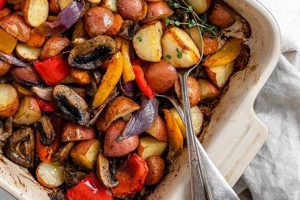
A plant-based alternative to traditional cream-based sauces, this savory topping utilizes mushrooms as a primary flavor component. The resulting product delivers a rich, umami taste profile, often achieving its creamy texture through the use of ingredients like cashews, coconut cream, or blended silken tofu. This sauce can be used to enhance a variety of dishes, such as pasta, vegetables, and even plant-based proteins.
It offers several advantages, appealing to individuals adhering to vegan diets or those seeking dairy-free alternatives. Its versatility allows it to be incorporated into various culinary applications, expanding menu options and dietary choices. Historically, the use of mushrooms to create savory and rich sauces has been prevalent across various cultures, and adapting these techniques to accommodate vegan dietary needs offers a contemporary evolution of classic flavors.
This article will explore various methods for creating a luscious, dairy-free mushroom topping, delving into the selection of mushrooms, the techniques for achieving optimal creaminess, and the potential uses for this versatile culinary creation.
Tips for Achieving Optimal Results
Achieving a desirable consistency and flavor profile requires attention to specific techniques. These guidelines are designed to optimize the preparation process.
Tip 1: Selection of Mushrooms: Opt for a variety of mushroom types, such as cremini, shiitake, and oyster mushrooms. The combination provides a more complex and nuanced flavor. Ensure the mushrooms are fresh and free from blemishes.
Tip 2: Proper Sauting: Saut the mushrooms over medium-high heat to encourage browning and the release of moisture. Avoid overcrowding the pan, as this will steam the mushrooms rather than allowing them to brown. Work in batches if necessary.
Tip 3: Utilizing a Deglazing Agent: After sauting, deglaze the pan with vegetable broth, white wine, or sherry. This process lifts the flavorful browned bits from the bottom of the pan, adding depth to the finished product.
Tip 4: Creaminess Considerations: Employ cashews soaked in hot water and blended into a smooth cream for a neutral flavor base. Coconut cream offers a richer flavor profile but may impart a slight coconut taste. Blended silken tofu can also be used to achieve a creamy texture.
Tip 5: Seasoning Balance: Ensure a balanced seasoning profile by incorporating salt, pepper, garlic powder, onion powder, and herbs such as thyme or rosemary. Taste frequently and adjust seasonings accordingly.
Tip 6: Controlled Liquid Addition: Add vegetable broth or other liquids gradually to achieve the desired consistency. Too much liquid will result in a thin product; too little will make it excessively thick.
Tip 7: Achieving a Smooth Texture: A high-speed blender is recommended to create a smooth and consistent product, particularly when using cashews. Blend until completely smooth to avoid any grainy texture.
By adhering to these tips, one can consistently create a flavorful, creamy, and versatile sauce suitable for a variety of culinary applications.
The following sections will address specific variations and innovative uses for this plant-based condiment.
1. Mushroom type diversity

Mushroom type diversity significantly influences the final flavor profile of a creamy, plant-based sauce. The use of a single mushroom variety, while simpler, results in a less complex and nuanced taste. Different mushroom species contribute unique textures, aromas, and flavor compounds. For example, shiitake mushrooms offer a rich, umami depth, while oyster mushrooms provide a delicate, almost seafood-like note. Cremini mushrooms contribute an earthy base, and maitake (hen-of-the-woods) mushrooms bring a subtly peppery element. The combination of these distinct flavors creates a more sophisticated and appealing culinary experience. The selection of mushrooms directly impacts the taste of the finished sauce. A sauce made solely with button mushrooms will lack the depth and complexity of one using a blend of several varieties.
Practical applications demonstrate the value of mushroom diversity. In restaurant settings, chefs often use a mix of foraged and cultivated mushrooms to create signature sauces that differentiate their dishes. For example, a sauce might include chanterelles for their fruity aroma, porcini for their nutty flavor, and black trumpets for their smoky notes. This approach elevates the dining experience and adds perceived value. Moreover, the use of a variety of mushrooms also improves the nutritional profile of the sauce. Different mushrooms contain different vitamins, minerals, and antioxidants, offering a more comprehensive range of health benefits.
In summary, mushroom diversity is not merely a stylistic choice but a crucial factor in determining the overall quality and complexity of a dairy-free sauce. A thoughtfully selected blend of mushrooms transforms a simple sauce into a sophisticated culinary creation, providing a richer flavor, improved nutritional value, and a more engaging sensory experience. Understanding and applying this principle allows for more refined and flavorful plant-based cooking. Furthermore, the success of this culinary technique depends on choosing the best mushroom depending the result. A careful choice of species and ratio is needed to obtain a desired flavor profile
2. Dairy-free creaminess source

The “Dairy-free creaminess source” represents a fundamental element in the creation of a plant-based mushroom sauce that emulates the texture and richness of its dairy-containing counterpart. The selection of the dairy alternative directly impacts the overall flavor profile, consistency, and nutritional value. Without an effective substitute, the sauce would lack the characteristic velvety texture and mouthfeel expected of a “creamy vegan mushroom sauce.” Common alternatives include cashew cream, coconut cream, blended silken tofu, and plant-based milks thickened with starches. The cause-and-effect relationship is evident: the choice of creaminess source determines the sauce’s final properties. For example, cashew cream contributes a neutral flavor, allowing the mushroom’s earthiness to dominate, while coconut cream introduces a subtle sweetness and distinct aroma.
Practical applications highlight the significance of this component. In recipe development, understanding the properties of each dairy-free alternative is crucial for achieving the desired outcome. Restaurants specializing in vegan cuisine carefully consider the creaminess source to cater to customer preferences and dietary restrictions. Some establishments opt for cashew cream in savory applications to maintain a neutral flavor profile, while others use coconut cream in desserts or dishes where a hint of sweetness is desired. The selection process also involves considerations such as allergen information, cost, and availability of ingredients. Furthermore, the stability of the creaminess source under heat and its ability to emulsify with other ingredients are critical factors in ensuring a smooth and consistent sauce.
In conclusion, the “Dairy-free creaminess source” is an indispensable component of a successful “creamy vegan mushroom sauce,” dictating its flavor, texture, and nutritional properties. Challenges arise in selecting the optimal source due to varying flavor profiles and processing characteristics. The choice reflects a balance between culinary artistry, dietary considerations, and practical constraints. A comprehensive understanding of these factors is essential for producing a high-quality, plant-based alternative that satisfies both culinary expectations and dietary needs. The development of novel dairy-free options contributes to the growth and innovation of the vegan food industry.
3. Umami depth

Umami depth is a critical component of a successful creamy vegan mushroom sauce. It provides the savory, mouthwatering flavor often associated with meat or aged cheese, essential for satisfying the palate in the absence of animal products. The absence of sufficient umami results in a bland or underwhelming sauce, regardless of its creaminess or texture. The mushrooms themselves are a primary source of this umami, deriving from naturally occurring glutamates and other amino acids that are released during cooking. Therefore, the selection and preparation of mushrooms directly impact the intensity of the umami flavor. Certain mushroom varieties, such as shiitake and porcini, are known to contain higher levels of glutamates than others, and proper sauting techniques, including browning, further enhance the release and concentration of these compounds.
Several practical techniques can amplify umami depth in a creamy vegan mushroom sauce. The addition of ingredients rich in glutamates, such as dried seaweed (kombu) or sun-dried tomatoes, can significantly boost the overall savory flavor. Soy sauce, miso paste, and nutritional yeast are also commonly employed for this purpose. Furthermore, the Maillard reaction, a chemical process that occurs during browning, contributes significantly to umami development. Ensuring that the mushrooms are properly browned during the initial sauting stage is crucial. Deglazing the pan with a flavorful liquid, such as dry sherry or vegetable broth enriched with mushroom trimmings, also concentrates and intensifies the umami notes. The sauce can also be allowed to simmer for an extended period, allowing the flavors to meld and deepen over time.
In summary, umami depth is not merely an optional attribute but a fundamental requirement for a compelling creamy vegan mushroom sauce. The umami taste makes the vegan mushroom sauce enjoyable for the user. Achieving this depth requires careful selection of mushroom varieties, proper cooking techniques to maximize glutamate release, and the strategic incorporation of umami-rich ingredients. Addressing the challenge of replicating the complex savory flavors of traditional cream sauces is essential for creating satisfying and palatable plant-based alternatives. The careful consideration of umami guarantees the customer satisfaction.
4. Herbaceous undertones
Herbaceous undertones represent a nuanced but essential component in the creation of a well-balanced dairy-free mushroom sauce. These subtle aromatic notes contribute complexity and depth to the overall flavor profile, preventing the sauce from becoming overly rich or monotonous. The strategic incorporation of herbs enhances the earthy notes of the mushrooms and provides a counterpoint to the creaminess of the base, resulting in a more engaging sensory experience.
- Role of Fresh Herbs
Fresh herbs, such as thyme, rosemary, and parsley, are frequently employed to introduce herbaceous elements. These herbs contribute volatile aromatic compounds that complement the savory flavor of the mushrooms. For example, thyme provides a subtle earthiness that enhances the mushroom’s natural umami, while rosemary offers a more pungent and resinous note. Parsley, added at the end of cooking, provides a fresh, clean finish. In professional kitchens, chefs carefully select herb pairings based on the specific types of mushrooms used in the sauce. The freshness and quality of the herbs directly influence the final taste. In the creamy vegan mushroom sauce, the fresh herbs cut through the richness of the cream providing balance.
- Dried Herb Considerations
Dried herbs can serve as an alternative to fresh herbs, particularly when fresh options are unavailable. However, dried herbs possess a more concentrated flavor and should be used sparingly. The flavor profiles also vary; dried thyme, for instance, tends to be more intense and slightly bitter compared to its fresh counterpart. Prior to incorporating dried herbs, blooming them in a small amount of warm oil or broth can help to release their aromatic compounds and prevent a gritty texture. The herb profile will change when dried and fresh. A great deal of thought needs to be put in, to have the appropriate balance.
- Balancing Herb Intensity
Achieving a harmonious balance between the herbaceous notes and the other flavor components of the sauce is crucial. Overpowering the sauce with too many herbs, or using herbs with strong flavors without proper consideration, can detract from the overall experience. A subtle approach is often more effective, allowing the herbaceous undertones to complement, rather than dominate, the mushroom flavor. The process of tasting and adjusting seasoning throughout the cooking process is essential for achieving this balance. The user needs to take the time to get the balance. A quick meal will not give the same balance.
- Infusion Techniques
Beyond directly adding herbs, infusion techniques can be employed to impart herbaceous undertones to the creamy base. Warming the dairy-free cream with herbs such as bay leaves or sage allows the flavors to gently permeate the liquid. This method is particularly useful for creating a more subtle and nuanced flavor profile. For instance, gently heating coconut cream with a bay leaf for several minutes can infuse the cream with a subtle savory note without overpowering the coconut flavor. After infusion, the herbs are removed, leaving behind a delicately flavored base ready to incorporate into the sauce. Infusion works well, when time is available to let the process occur.
The strategic use of herbaceous undertones elevates the flavor profile of a dairy-free mushroom sauce, adding complexity and preventing the sauce from becoming overly rich or one-dimensional. The choice of herbs, the form in which they are used (fresh or dried), and the techniques employed for their incorporation all contribute to the final sensory experience. A thoughtfully balanced herbaceous component enhances the overall palatability and appeal of the creamy vegan mushroom sauce.
5. Viscosity control
Viscosity control is paramount in achieving the desired texture and functionality of a creamy vegan mushroom sauce. The appropriate viscosity dictates its suitability for various culinary applications, impacting mouthfeel, coating ability, and overall palatability. An improperly controlled viscosity can result in a sauce that is either too thin and watery or too thick and pasty, rendering it unappetizing and unsuitable for its intended use.
- Starch-based Thickeners
Starches, such as cornstarch, tapioca starch, and arrowroot powder, are common thickening agents in vegan sauces. These starches function by absorbing liquid and gelatinizing when heated, thereby increasing the viscosity. The type and amount of starch used must be carefully controlled to avoid an overly starchy or gummy texture. The appropriate ratio of starch to liquid depends on the specific starch used and the desired final viscosity. An example of starch is creating a light sauce. Starch is mixed with cool water before being added to the hot sauce. This prevents the starch from clumping.
- Reduction Technique
Reduction involves simmering the sauce over low heat to evaporate excess liquid, thereby concentrating the remaining solids and increasing the viscosity. This method imparts a richer flavor and a smoother texture compared to starch-based thickening. However, reduction requires careful monitoring to prevent scorching or excessive thickening, which can lead to a dry or gluey sauce. Simmering time and temperature directly influence the degree of thickening achieved through reduction. Example of reduction technique is the sauce starts with a large volume of liquid. Prolonged simmering reduces the sauce, thereby thickening it.
- Creamy Component Adjustment
The type and quantity of the dairy-free creamy component, such as cashew cream, coconut cream, or blended silken tofu, directly influence the viscosity of the sauce. These ingredients contribute solids and fats that thicken the sauce and impart a creamy texture. Adjusting the ratio of creamy component to liquid is essential for achieving the desired consistency. For example, increasing the amount of cashew cream will result in a thicker, richer sauce, while adding more vegetable broth will thin it out. The creamy component adjusts the sauce. This component allows the user to change it, depending on needs. The sauce is not one type or the other.
- Emulsification Stability
Proper emulsification of fats and liquids is essential for maintaining a smooth and stable viscosity. Instability leads to separation and a grainy or oily texture. Techniques such as using a high-speed blender and incorporating emulsifiers like lecithin can improve stability. The order in which ingredients are added also impacts emulsification; gradually adding oil to a liquid base, while blending continuously, promotes the formation of a stable emulsion. If emulsification is not proper, the sauce may become uneven.
The careful manipulation of these factors starch selection, reduction techniques, creamy component adjustment, and emulsification stability allows for precise viscosity control in a creamy vegan mushroom sauce. Achieving the optimal viscosity is essential for maximizing its culinary versatility and ensuring a satisfying sensory experience. Without proper balance, the sauce fails.
6. Seasoning balance
Seasoning balance is a critical determinant of a successful creamy vegan mushroom sauce, influencing its palatability and overall culinary appeal. It encompasses the harmonious interplay of salt, acidity, sweetness, and umami, each contributing to a complex and satisfying flavor profile. Imbalances in any of these elements can result in a sauce that is either bland, overly acidic, excessively sweet, or lacking in depth and complexity.
- Salt Enhancement
Salt serves not only as a flavor enhancer but also as a facilitator, accentuating the inherent flavors of the mushrooms and other ingredients. It balances sweetness and acidity, preventing the sauce from becoming cloying or tart. The type of salt used can also influence the final flavor; sea salt or kosher salt, for example, offer a cleaner taste compared to iodized table salt. Under-salting results in a bland flavor. Too much salt may not be suitable for end user. A delicate balance is called for to have the creamy vegan mushroom sauce work.
- Acidic Counterpoint
Acidity provides a crucial counterpoint to the richness of the cream and the earthiness of the mushrooms. It brightens the flavor and prevents the sauce from becoming heavy or greasy on the palate. Ingredients such as lemon juice, vinegar (white wine, apple cider), or dry sherry can be used to introduce acidity. The choice of acidulating agent influences the final flavor; lemon juice imparts a citrusy note, while vinegar provides a more pungent tang. The acid must work with the salt and other components for it to work. A careful eye must be used. The wrong amount may ruin the dish.
- Sweetness Modulation
A touch of sweetness, often derived from caramelized onions or a small amount of maple syrup, can enhance the savory components of the sauce and provide a pleasing contrast to the earthy mushrooms. The sweetness must be subtle, serving only to round out the flavor and prevent the sauce from becoming too savory. Overly sweet sauces can be unappetizing and detract from the mushroom flavor. The touch of sweetness is necessary, but not an over abundance. This can be a mistake in creating the creamy vegan mushroom sauce.
- Umami Amplification
Amplifying the umami notes of the mushrooms is essential for creating a satisfying and savory sauce. Ingredients rich in glutamates, such as soy sauce, miso paste, nutritional yeast, or dried seaweed (kombu), can be used to enhance the umami flavor. Proper browning of the mushrooms during sauting also contributes to umami development. Umami creates and explosion of taste. It needs to work in cohesion with other parts of the taste palette.
The careful calibration of salt, acidity, sweetness, and umami is paramount for achieving a balanced and flavorful creamy vegan mushroom sauce. Mastering this balance elevates the sauce from a simple topping to a sophisticated culinary creation. Attention is required to get this result. Understanding the nuances of each element is key.
7. Versatile applications
The utility of creamy vegan mushroom sauce extends beyond a single culinary application. Its adaptable flavor profile and texture render it suitable for a range of dishes, enhancing the versatility of plant-based meals and broadening its appeal to diverse palates.
- Pasta Enhancement
As a pasta sauce, it adheres well to various noodle types, from spaghetti and fettuccine to penne and rigatoni. Its creamy consistency provides a satisfying mouthfeel, while the umami-rich mushroom flavor complements both simple and complex pasta dishes. The use of diverse pasta shapes ensures that the creamy vegan mushroom sauce adheres well. Additionally, this dish appeals to a wide audience.
- Vegetable Accompaniment
When served over steamed, roasted, or grilled vegetables, the sauce adds moisture and flavor, transforming otherwise plain dishes into more substantial and appealing meals. Its richness complements vegetables such as broccoli, asparagus, and green beans, adding a savory element that enhances their natural sweetness. This makes vegan dishes a more viable option. It also will increase the users intake of vegetables.
- Protein Enrichment
The creamy vegan mushroom sauce acts as an enhancement to plant-based proteins, such as tofu, tempeh, and seitan. The sauce adds moisture and flavor, improving the overall texture and palatability of these protein sources. Pan-seared tofu benefits greatly. Moreover, this will have a profound effect on the experience of a vegan meal.
- Base for Plant-Based Dishes
Beyond direct applications, the creamy vegan mushroom sauce functions as a base for other plant-based dishes, such as gratins, pot pies, and casseroles. Its savory flavor and creamy texture contribute to the overall richness and complexity of these dishes. This addition works as a building block for the whole dish. It will tie all elements together and provide the user a unique experience.
The capacity of creamy vegan mushroom sauce to adapt to a wide spectrum of dishes solidifies its position as a valuable component in both home cooking and professional kitchens. Its ease of incorporation and flavor-enhancing properties make it an ideal choice for increasing the appeal of vegan meals. The versatile applications makes it a viable choice to the consumer.
Frequently Asked Questions
The following addresses common inquiries concerning the preparation, storage, and culinary applications of this plant-based sauce.
Question 1: What mushroom varieties are best suited for this type of sauce?
While versatility is a key attribute, certain mushrooms offer superior flavor profiles. Cremini, shiitake, and oyster mushrooms are frequently recommended due to their rich umami and textural qualities. A combination of these varieties often yields the most complex and satisfying results. Button mushrooms, while readily available, tend to offer a less pronounced flavor.
Question 2: What are the most effective dairy-free alternatives for achieving a creamy texture?
Several plant-based ingredients serve as suitable substitutes for dairy cream. Cashew cream, made from soaked and blended cashews, provides a neutral flavor and a smooth, velvety texture. Coconut cream offers a richer flavor, though it may impart a slight coconut taste. Blended silken tofu is another option, yielding a lighter consistency with a relatively neutral flavor.
Question 3: How long can creamy vegan mushroom sauce be safely stored?
When stored properly, it typically maintains its quality for three to four days in a refrigerated, airtight container. The sauce should be allowed to cool completely before refrigeration. Visual or olfactory evidence of spoilage, such as discoloration or an off odor, indicates that the sauce is no longer safe for consumption.
Question 4: Can this sauce be frozen for longer storage?
Freezing is a viable option for extending shelf life. The sauce should be cooled completely and stored in an airtight, freezer-safe container. However, freezing may alter the texture slightly, potentially resulting in a less smooth consistency upon thawing. Thawing should occur gradually in the refrigerator.
Question 5: What are some effective methods for thickening the sauce if it is too thin?
If the desired consistency is not achieved, several thickening methods exist. A cornstarch slurry, made by mixing cornstarch with cold water, can be added gradually to the simmering sauce until the desired thickness is reached. Alternatively, simmering the sauce uncovered for an extended period will reduce the liquid and concentrate the flavors. Adding more of the dairy-free cream component will also thicken the sauce.
Question 6: How can one enhance the umami flavor in this sauce?
To intensify the umami, consider incorporating ingredients such as soy sauce, miso paste, nutritional yeast, or dried mushrooms (rehydrated). Allowing the mushrooms to brown properly during the initial sauting stage also contributes to umami development. A small amount of tomato paste can further enrich the savory notes.
Proper preparation and storage are essential for maximizing the quality and safety of this versatile condiment. Experimentation with various ingredients and techniques allows for customization to individual taste preferences.
The following section offers practical advice for incorporating the sauce into diverse culinary applications.
Conclusion
This article has detailed the multifaceted nature of creamy vegan mushroom sauce, exploring its components, preparation techniques, and versatile applications. From the selection of diverse mushroom varieties to the careful consideration of dairy-free creaminess sources and seasoning balance, each element plays a critical role in achieving a flavorful and texturally satisfying end product. Attention was also given to the importance of umami depth, herbaceous undertones, and viscosity control, all vital to the successful creation and deployment of this culinary element.
The information presented provides a foundational understanding of creamy vegan mushroom sauce, empowering cooks of all levels to confidently incorporate it into their culinary endeavors. Further research and experimentation with ingredient variations and flavor combinations are encouraged, expanding the boundaries of plant-based cuisine and offering a pathway to both culinary innovation and dietary inclusivity. The continued exploration of vegan cooking techniques remains essential for fostering sustainable and accessible culinary options.
![Best Vegan Yum Sauce: Recipes & More [Quick!] | Discover Delicious Vegan Food, Beauty Swaps, and Zero-Waste Tips for a Greener Life](https://thisvegangirl.com/wp-content/uploads/2026/03/th-838-300x200.jpg "Best Vegan Yum Sauce: Recipes & More [Quick!] Discover Delicious Vegan Food, Beauty Swaps, and Zero-Waste Tips for a Greener Life")