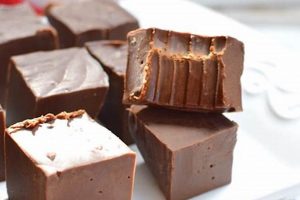
A rich, smooth, and decadent dessert topping or filling created without any animal products, typically using plant-based cream alternatives and high-quality dark chocolate, offering a satisfyingly intense cocoa flavor. The texture ranges from a soft, flowing sauce when freshly made to a firm, sliceable consistency upon chilling. The fundamental principle involves emulsifying melted chocolate with a heated liquid, often coconut cream, soy cream, or oat cream to achieve the desired luxurious mouthfeel.
Its significance lies in providing a delectable alternative for individuals adhering to vegan diets or those with dairy intolerances. This creation replicates the classic experience without compromising taste or texture. Historically, traditional versions relied heavily on dairy-based cream, making this adaptation a relatively recent innovation driven by the increasing demand for inclusive culinary options and heightened awareness of dietary restrictions and ethical considerations. Benefits extend beyond dietary needs, offering a lower cholesterol option while still delivering a deeply satisfying dessert experience.
The following sections will delve into specific techniques for achieving optimal results, explore various plant-based cream alternatives and their impact on the final product, and discuss flavor pairings and applications in diverse dessert preparations. Further, the article will cover troubleshooting common challenges, such as separation or grainy texture, and provide guidance on storage and shelf life.
Tips for Perfecting Chocolate Vegan Ganache
Achieving optimal results requires attention to specific details. These guidelines will help ensure a smooth, rich, and stable final product.
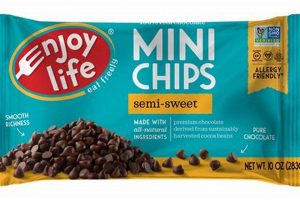
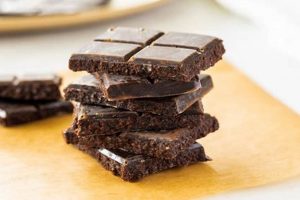
Tip 1: Select High-Quality Chocolate: The flavor of the final product is directly correlated with the quality of the chocolate used. Opt for dark chocolate with a cocoa content of 70% or higher for a more intense and complex flavor profile.
Tip 2: Use a Reliable Plant-Based Cream: Coconut cream (from a can, refrigerated overnight and only using the solid cream), oat cream, or cashew cream are popular choices. Ensure the plant-based cream is free from stabilizers or thickeners that could affect the texture.
Tip 3: Heat the Cream Gently: Avoid boiling the plant-based cream, as this can cause separation or a grainy texture. Heat the cream over low heat until it is simmering gently.
Tip 4: Emulsify Gradually: Pour the heated plant-based cream over the chopped chocolate in a heat-safe bowl. Let it sit for a minute to soften the chocolate before stirring gently from the center outwards. This gradual emulsification helps create a stable and homogeneous mixture.
Tip 5: Use an Immersion Blender (Optional): For an exceptionally smooth texture, an immersion blender can be used to further emulsify the mixture. Blend in short bursts to avoid overheating.
Tip 6: Control Temperature for Consistency: The consistency of the final product varies depending on the temperature. For a pourable sauce, use immediately. For a firmer filling, chill in the refrigerator for several hours.
Tip 7: Store Properly: Store the finished product in an airtight container in the refrigerator for up to one week. It can also be frozen for longer storage, although the texture may change slightly upon thawing.
By following these tips, a delicious and versatile dessert component can be reliably produced. It offers a satisfying, dairy-free option suitable for various culinary applications.
The next section will explore common challenges and troubleshooting techniques to ensure success in even the most demanding culinary environments.
1. Ingredients Selection

The quality and characteristics of ingredients directly determine the success and properties of the finished product. Selecting superior ingredients is paramount in crafting a high-quality version. For example, using dark chocolate with a cocoa content below 70% will yield a sweeter, less intense flavor, deviating from the desired profile. Similarly, opting for a lower-fat plant-based cream, such as some brands of almond or rice cream, may result in a thinner, less luxurious texture due to the reduced emulsifying capabilities and lower fat content crucial for richness. The choice of sweetener, such as agave or maple syrup versus granulated sugar, also impacts both the flavor profile and the texture; liquid sweeteners can introduce more moisture, affecting the final consistency.
Beyond the fundamental ingredients of chocolate and plant-based cream, other components, such as vanilla extract or salt, play a supportive yet critical role. High-quality vanilla extract enhances the overall flavor complexity, while a pinch of salt balances the sweetness and accentuates the cocoa notes. Additives like stabilizers or emulsifiers present in some plant-based creams, while intended to improve texture, may introduce unwanted flavors or alter the smoothness of the final product. Therefore, examining the ingredients list of all components is crucial to control the overall effect.
In conclusion, deliberate ingredients selection is not merely a preliminary step but an integral determinant of the end result. Prioritizing high-quality chocolate, plant-based creams with optimal fat content, and carefully considering auxiliary components ensures that the final product achieves the desired flavor, texture, and overall quality. Understanding the interplay between each ingredient and its contribution to the final outcome is essential for producing a reliably superior dairy-free ganache.
2. Emulsification Process
The emulsification process is fundamental to the creation of a stable and homogenous mixture in chocolate vegan ganache, serving as the key to achieving its characteristic smooth texture and preventing separation. The process involves dispersing two immiscible liquids melted chocolate (containing cocoa butter, a fat) and plant-based cream (primarily water) into a stable emulsion. The success of this process dictates the ganache’s overall quality. Insufficient emulsification results in a grainy texture and oil separation, rendering the product unpalatable and aesthetically unappealing. For example, if the heated plant-based cream is added too quickly to the melted chocolate without proper agitation, the cocoa butter will not fully integrate with the water-based liquid, leading to visible oil slicks and a coarse mouthfeel.
Effective emulsification is achieved through a combination of mechanical energy (stirring or blending) and the presence of emulsifiers, which, in the case of chocolate, are naturally occurring lecithin and other phospholipids. These compounds reduce the surface tension between the two liquids, allowing them to mix more readily and remain stable over time. In practical application, this understanding emphasizes the necessity of slowly incorporating the heated plant-based cream into the melted chocolate, whisking continuously and vigorously to facilitate the formation of small, dispersed droplets of one liquid within the other. Some recipes recommend the addition of a small amount of plant-based lecithin to further enhance the emulsification, particularly when using lower-fat plant-based creams. Additionally, maintaining appropriate temperatures throughout the process is crucial; excessively high temperatures can destabilize the emulsion, while low temperatures can cause the chocolate to seize.
In summary, the emulsification process is not merely a step in the creation, but rather a critical determinant of its texture, stability, and overall success. Understanding the principles of emulsification and applying appropriate techniques, such as gradual incorporation, consistent agitation, and temperature control, are essential for producing a consistently smooth and homogenous dessert topping or filling. Challenges related to emulsification, such as separation or grainy texture, can be mitigated through careful attention to these details. Effective management of the emulsification process leads to a visually appealing and texturally pleasing confection.
3. Temperature Control
Temperature control is a critical determinant in the creation of stable and high-quality dairy-free dessert toppings or fillings. Variations can significantly impact the texture, stability, and overall success of the final product. Maintaining precise temperatures throughout the melting, mixing, and cooling stages is therefore essential.
- Melting Chocolate
The temperature during the melting process directly influences the texture of the chocolate. Overheating can cause the cocoa butter to separate, resulting in a grainy or seized consistency. Ideally, chocolate should be melted gently, either in a double boiler or in short bursts in a microwave, ensuring the temperature does not exceed 115F (46C). Exceeding this temperature can lead to irreversible changes in the chocolate’s structure, affecting its ability to emulsify properly with the plant-based cream.
- Heating Plant-Based Cream
The temperature of the plant-based cream when combined with the chocolate is also significant. The cream should be heated to a simmer, typically around 180F (82C), but not boiled. Boiling can cause the cream to separate or develop an undesirable skin, which can affect the smoothness. The heat of the cream facilitates the melting of the chocolate and aids in the emulsification process, allowing the fat particles from the chocolate to disperse evenly within the water-based cream.
- Emulsification Temperature
Maintaining a consistent temperature during emulsification is crucial for stability. The mixture should remain warm enough to keep the chocolate melted and the fat particles dispersed, but not so hot that it causes separation or curdling. A temperature range of 85-90F (29-32C) is generally ideal during mixing. If the mixture cools too quickly, the chocolate can solidify unevenly, resulting in a lumpy texture. Gentle warming over a double boiler may be necessary if the mixture begins to cool excessively during the emulsification process.
- Cooling and Setting
The rate at which the ganache cools affects its final texture. Rapid cooling can lead to the formation of large cocoa butter crystals, resulting in a grainy texture. Slow, controlled cooling in the refrigerator allows for the formation of smaller, more uniform crystals, contributing to a smoother, more desirable consistency. The final texture, whether pourable, spreadable, or firm, is directly influenced by the temperature during the cooling and setting stages.
In conclusion, temperature control is not merely a procedural aspect, but a fundamental principle in crafting high-quality dairy-free dessert toppings or fillings. From melting the chocolate to cooling and setting the finished product, careful attention to temperature at each stage is essential for achieving optimal texture, stability, and overall quality. Mastering these temperature-related techniques empowers the confectioner to create a reliably smooth and delectable dessert component.
4. Texture Consistency

The textural qualities of dairy-free toppings and fillings are fundamental to its overall appeal and success. Achieving a consistently smooth, homogenous, and desirable texture is paramount. Inconsistencies in texture manifest as graininess, lumpiness, or separation, significantly detracting from the sensory experience. For example, a batch exhibiting a grainy texture due to improper emulsification or crystallization of cocoa butter during cooling is often deemed unsatisfactory, regardless of flavor. The importance of texture consistency lies in its contribution to the perceived quality and luxuriousness of the final product. A silken, even texture elevates the sensory experience, conveying a sense of indulgence and craftsmanship.
Several factors contribute to textural outcomes. Ingredient selection, as detailed previously, plays a crucial role; however, processing techniques also significantly impact consistency. Overheating during melting or emulsification can cause protein denaturation in the plant-based cream, leading to a grainy or curdled texture. Insufficient mixing during emulsification results in the incomplete dispersion of fat particles, producing a lumpy or oily consistency. The cooling process also affects texture; rapid cooling promotes the formation of large cocoa butter crystals, leading to graininess, while slow, controlled cooling encourages the development of smaller, more uniform crystals and a smoother mouthfeel. Adjustments to the formulation, such as adding a small amount of glucose syrup or invert sugar, can also improve the texture by inhibiting cocoa butter crystallization.
Maintaining texture consistency is a practical challenge requiring meticulous attention to detail throughout the creation process. Successful confectioners emphasize precise temperature control, gradual and thorough emulsification, and controlled cooling to ensure a consistently smooth and appealing final product. Variations in texture, while sometimes unavoidable, can be minimized through rigorous adherence to established protocols. The pursuit of consistent texture underscores its position as a critical attribute of high-quality dairy-free dessert toppings and fillings, impacting consumer perception and overall culinary satisfaction.
5. Flavor Profile

The flavor profile represents a key attribute, profoundly shaping the consumers perception and enjoyment of this dairy-free confection. Achieving a balanced and appealing flavor profile requires a nuanced understanding of ingredient interactions and the impact of processing techniques.
- Chocolate Selection Impact
The type and quality of the chocolate exert a dominant influence on the flavor. Dark chocolate with a high cocoa percentage (70% or greater) contributes intense bitterness and complex aromatic notes, while lower cocoa percentages result in a sweeter and less nuanced flavor. The origin of the cocoa beans also imparts distinct characteristics; for example, Venezuelan beans often exhibit notes of caramel and nuts, while Ecuadorian beans may present floral and fruity undertones. The confectioner’s choice directly determines the overall flavor direction.
- Plant-Based Cream Influence
The selection of plant-based cream introduces subtle but significant variations in flavor. Coconut cream lends a faint coconut flavor and creamy texture, while oat cream offers a milder, slightly sweet flavor. Cashew cream contributes a neutral flavor and a rich, velvety texture. The fat content of the plant-based cream also affects the perceived intensity of the chocolate flavor; higher fat content enhances the richness and mouthfeel, intensifying the overall flavor experience. The plant-based cream serves as a canvas upon which the chocolate flavor is expressed.
- Sweetener Modulation
The type and amount of sweetener employed influence the overall sweetness level and contribute subtle flavor nuances. Granulated sugar provides a clean sweetness, while liquid sweeteners such as agave or maple syrup introduce distinct flavor notes. Agave offers a neutral sweetness, while maple syrup imparts a characteristic caramel flavor. The amount of sweetener used must be carefully calibrated to balance the bitterness of the dark chocolate and complement the flavor of the plant-based cream. An imbalance can lead to a product that is either overly sweet or unpleasantly bitter.
- Flavor Enhancements and Extracts
Flavor enhancers such as vanilla extract, espresso powder, or sea salt can augment the flavor profile. Vanilla extract adds warmth and complexity, espresso powder intensifies the chocolate flavor, and sea salt balances the sweetness and enhances the overall perception of flavor. Extracts, such as peppermint or orange, can introduce complementary flavor dimensions, creating complex and layered flavor profiles. The judicious use of flavor enhancers allows the confectioner to refine and personalize the flavor of the finished product.
The flavor profile is a multifaceted aspect. The strategic selection and blending of ingredients, from the base chocolate to the finishing touches of flavor enhancers, allows for the creation of a wide spectrum of flavor experiences. Understanding the nuanced interplay of these elements empowers confectioners to craft appealing dairy-free offerings. The development of a desirable flavor profile remains central to success.
6. Stability Maintenance
Stability maintenance is crucial for ensuring the longevity, texture, and overall quality of chocolate vegan ganache. Due to the absence of dairy, which contributes inherent stability in traditional recipes, careful attention to specific factors is essential to prevent separation, crystallization, or spoilage.
- Emulsion Stability and Lecithin
Maintaining a stable emulsion is paramount in preventing separation. The use of lecithin, either naturally occurring in the chocolate or added as a supplement (such as soy or sunflower lecithin), is vital. Lecithin acts as an emulsifier, reducing surface tension between the fat and water phases. Insufficient lecithin can lead to the separation of cocoa butter, resulting in an oily surface layer and a compromised texture. Proper emulsification techniques, including slow addition of the liquid phase and vigorous mixing, are critical for long-term stability.
- Temperature Control During Processing
Temperature fluctuations during the ganache-making process can significantly impact stability. Overheating can cause the plant-based cream to separate or curdle, while inadequate heating can hinder proper emulsification. Precise temperature control during melting, mixing, and cooling is necessary to maintain the integrity of the emulsion. Cooling the ganache too rapidly can also lead to the formation of large cocoa butter crystals, resulting in a grainy texture and reduced stability. Gradual cooling in a refrigerator is recommended.
- Water Activity Management
Water activity, the amount of unbound water available for microbial growth, influences the shelf life and stability. High water activity can promote the growth of bacteria and mold, leading to spoilage. The addition of humectants like glucose syrup or invert sugar can help bind water and lower water activity, thereby extending the shelf life. Proper storage in airtight containers also minimizes moisture absorption and preserves stability.
- Antioxidant Protection
Cocoa butter is susceptible to oxidation, which can lead to rancidity and off-flavors. Incorporating antioxidants, such as vitamin E or rosemary extract, can help protect the cocoa butter from oxidation and maintain flavor stability over time. Storing the product in a cool, dark place also minimizes exposure to light and heat, further reducing the risk of oxidation.
These stability maintenance strategies are not merely isolated techniques, but rather interconnected factors crucial for the production of a high-quality, long-lasting dairy-free dessert topping or filling. Addressing each facet ensures that the final product retains its desired texture, flavor, and appearance over its intended shelf life. Effective stability maintenance strategies leads to a product that maintains quality for consumption.
7. Storage Implications
Proper storage profoundly impacts the quality and longevity of dairy-free confection. The stability of the emulsion, texture, and flavor are all susceptible to degradation if storage protocols are inadequate. Understanding the specific storage requirements is therefore critical for preserving the desired attributes of this dairy-free product.
- Temperature Sensitivity
Dairy-free confections are susceptible to temperature fluctuations during storage. Elevated temperatures can promote cocoa butter bloom, resulting in a grayish or white film on the surface and a grainy texture. Conversely, repeated freezing and thawing cycles can destabilize the emulsion, leading to separation. Storage at a consistent, cool temperature, typically between 60-70F (15-21C), is recommended to minimize these effects. Refrigeration, while extending shelf life, can also cause the product to become excessively firm, requiring a period of warming before use.
- Air Exposure and Oxidation
Exposure to air promotes oxidation of cocoa butter, leading to rancidity and off-flavors. The product should be stored in airtight containers to minimize air exposure. Additionally, the use of oxygen absorbers within the container can further reduce oxidation and preserve freshness. Packaging materials that provide a barrier against oxygen and moisture are also beneficial.
- Moisture Absorption and Texture Changes
Dairy-free confections are hygroscopic, meaning they readily absorb moisture from the environment. Excessive moisture absorption can cause the surface to become sticky or the texture to become grainy. Storage in a low-humidity environment is therefore recommended. Desiccants, such as silica gel packets, can be used within the storage container to maintain a dry atmosphere. Avoiding storage near strong-smelling foods is also important, as the product can absorb odors.
- Shelf Life and Microbial Stability
Due to the absence of dairy, dairy-free confections may exhibit a shorter shelf life compared to traditional versions. While the high sugar content and low water activity inhibit microbial growth, mold and yeast can still proliferate under certain conditions. Proper storage in a clean, dry environment is crucial for minimizing microbial contamination. The product should be consumed within a reasonable timeframe, typically several weeks, to ensure optimal quality. Visual inspection for signs of spoilage, such as mold growth or off-odors, is essential before consumption.
Storage strategies, encompassing temperature control, air exposure mitigation, moisture regulation, and awareness of shelf-life limitations, are inextricably linked to the sustained quality and consumer satisfaction. Adhering to these storage guidelines ensures the maintenance of the desirable textural, flavorful, and aesthetic qualities, thereby safeguarding the integrity and appealing nature of the dairy-free confection.
Frequently Asked Questions about Chocolate Vegan Ganache
The following addresses common inquiries regarding the preparation, properties, and potential issues associated with this specialized dessert component.
Question 1: What is the expected shelf life of chocolate vegan ganache?
When stored properly in an airtight container in the refrigerator, the finished product typically maintains optimal quality for up to one week. Freezing extends the shelf life, although textural changes may occur upon thawing. Visual inspection for signs of spoilage is advised before consumption.
Question 2: Can different types of plant-based cream be substituted?
Yes, but different plant-based creams yield varying results. Coconut cream (the solid portion from refrigerated cans) provides richness and a subtle coconut flavor. Oat cream offers a neutral flavor and creamy texture. Lower-fat options may result in a less decadent consistency. Experimentation is encouraged to determine the preferred option, while accounting for potential textural and flavor variations.
Question 3: Why did my ganache separate or become oily?
Separation typically indicates an unstable emulsion. Potential causes include overheating, insufficient emulsification during mixing, or using plant-based cream with a low fat content. Ensuring precise temperature control and thorough mixing are crucial. Adding a small amount of plant-based lecithin may improve emulsion stability.
Question 4: How can a grainy texture be avoided?
A grainy texture often results from cocoa butter crystallization. Slow, controlled cooling in the refrigerator promotes the formation of smaller, more uniform crystals. Avoid rapid cooling and temperature fluctuations. Selecting high-quality chocolate with a stable cocoa butter content also minimizes the risk of graininess.
Question 5: Is it possible to adjust the sweetness level?
Yes, the sweetness can be adjusted by altering the amount of sweetener used. Dark chocolate with a higher cocoa percentage requires more sweetener to achieve a balanced flavor. Liquid sweeteners such as agave or maple syrup impart distinct flavor notes. Careful calibration is essential to avoid a product that is either overly sweet or unpleasantly bitter.
Question 6: Can flavor extracts be added to enhance the flavor?
Yes, flavor extracts can enhance and complement the fundamental chocolate flavor. Vanilla extract adds warmth, while peppermint or orange extract introduces complementary dimensions. Judicious use of high-quality extracts is advised to avoid overpowering the overall flavor profile.
These frequently asked questions represent common areas of inquiry related to this formulation. Addressing these concerns contributes to more successful and consistent culinary outcomes.
The next section provides detailed troubleshooting strategies for addressing a range of potential challenges.
Chocolate Vegan Ganache
The preceding analysis has explored the key aspects of chocolate vegan ganache, from ingredient selection and emulsification to stability maintenance and storage implications. Attention to temperature control, texture consistency, and flavor profile are critical for achieving a high-quality, dairy-free alternative to traditional ganache. Understanding the nuances of plant-based ingredients and their interaction with chocolate is essential for consistent and successful outcomes.
Mastery of these techniques empowers culinary professionals and enthusiasts alike to produce a reliably decadent and ethically conscious dessert component. Continued refinement of these methods, alongside ongoing exploration of novel plant-based ingredients, will further enhance the potential of chocolate vegan ganache in the evolving landscape of culinary arts. Its significance lies in its capacity to deliver uncompromised indulgence while catering to diverse dietary needs and ethical considerations, solidifying its position as a relevant and enduring culinary creation.
![Delicious Vegan Chocolate Loaf Cake Recipe [+Tips] | Discover Delicious Vegan Food, Beauty Swaps, and Zero-Waste Tips for a Greener Life](https://thisvegangirl.com/wp-content/uploads/2026/03/th-597-300x200.jpg "Delicious Vegan Chocolate Loaf Cake Recipe [+Tips] Discover Delicious Vegan Food, Beauty Swaps, and Zero-Waste Tips for a Greener Life")