These represent a breakfast or brunch option that excludes all animal products, relying instead on plant-based ingredients such as non-dairy milk, flaxseed “eggs,” and oil in place of butter. The inclusion of small pieces of sweetened cocoa adds a familiar flavor profile, appealing to a wide range of palates.
Adopting this dietary choice can contribute to reduced cholesterol intake and environmental impact compared to traditional versions. Historically, adapting recipes to exclude animal products reflects growing awareness of ethical and health considerations in food consumption. The widespread availability of alternative ingredients has made such modifications increasingly accessible.
The following sections will delve into ingredient selection, preparation techniques, and variations on the standard recipe, providing a detailed guide to creating this popular dish.
Tips for Superior Results
Achieving optimal results requires attention to detail throughout the preparation process. These guidelines outline key considerations for creating high-quality products.
Tip 1: Batter Consistency. The batter should exhibit a pourable, yet slightly thick consistency. Overmixing will result in a tough texture. A lumpy batter is generally acceptable; avoid excessive smoothing.
Tip 2: Griddle Temperature. Maintain a medium heat setting on the griddle. Excessive heat can lead to burning on the exterior before the interior is fully cooked, whereas insufficient heat will result in a pale and potentially undercooked final product. A small amount of water flicked onto the griddle should sizzle and evaporate quickly.
Tip 3: Chocolate Chip Distribution. Gently fold the specified quantity of chocolate chips into the batter immediately before cooking. Avoid over-stirring, as this can cause the chocolate chips to melt and discolor the batter. For even distribution, consider adding a small number of chips directly onto the griddle after pouring the batter.
Tip 4: Cooking Time. Allow adequate cooking time on each side. Observe for the formation of bubbles on the surface and a slight firming around the edges before flipping. Avoid pressing down on the product while cooking, as this can result in a flat and dense texture.
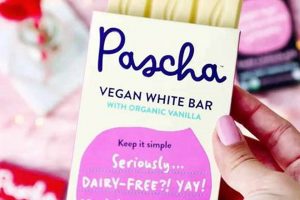
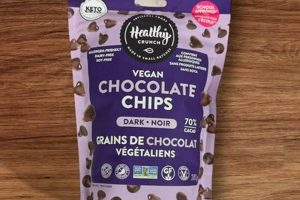
Tip 5: Vegan Chocolate Chip Selection. It is critical to verify that the chocolate chips used are indeed vegan. Many commercial varieties contain milk solids. Read ingredient labels carefully to ensure compliance with dietary restrictions. Dark chocolate varieties are often a safer choice.
Tip 6: Egg Replacers. Flaxseed meal, chia seeds, or commercial egg replacers can be successfully used. When utilizing flaxseed or chia seeds, combine with water and allow the mixture to sit for approximately five minutes to thicken. This helps to bind the ingredients effectively.
Tip 7: Non-Dairy Milk Alternatives. Experiment with different non-dairy milk alternatives, such as almond, soy, or oat milk, to achieve the desired flavor and texture. The protein content and fat content can impact the overall results.
These recommendations, when implemented effectively, contribute to a final product with desirable flavor, texture, and appearance. Proper execution minimizes potential issues associated with ingredient substitutions and cooking techniques.
The subsequent sections will explore variations on this fundamental recipe, addressing diverse dietary needs and flavor preferences.
1. Plant-based Ingredients
The structural integrity and flavor profile of chocolate chip vegan pancakes are fundamentally determined by the selection and interaction of plant-based ingredients. These components serve as direct replacements for animal-derived constituents found in traditional recipes, necessitating careful consideration of their individual properties and combined effects.
- Flour Alternatives
Wheat flour, a common ingredient, provides structure and texture. However, various gluten-free options such as almond flour, oat flour, or a blend of these can be utilized. The substitution affects the final product’s density, moisture content, and binding capacity. Adjustments to liquid quantities may be required to achieve the desired batter consistency.
- Non-Dairy Milk
Plant-based milks, including soy, almond, oat, and coconut, replace cow’s milk. Each alternative possesses a distinct flavor and fat content, which impacts the pancake’s taste, richness, and browning characteristics. The protein content also influences the batter’s binding properties.
- Egg Replacers
Flaxseed meal combined with water, chia seeds, or commercial vegan egg replacers provide binding and moisture, replicating the function of eggs. These substitutes create a gel-like consistency that helps hold the batter together. Different replacers can affect the final texture, ranging from slightly chewy to more tender.
- Vegan Chocolate Chips
The chocolate chips themselves must be free of dairy. Dark chocolate varieties are frequently vegan, but ingredient labels must be scrutinized to ensure the absence of milk solids. The type of chocolate (e.g., dark, semi-sweet) directly influences the overall sweetness and bitterness of the product.
The success of chocolate chip vegan pancakes hinges on understanding how these plant-derived components interact to mimic the properties of traditional ingredients. While offering health and ethical advantages, mastering their use requires awareness of their individual contributions to the final outcome. Recipe adjustments may be necessary to compensate for the unique characteristics of each ingredient.
2. Sweetened cocoa inclusion

The incorporation of sweetened cocoa, typically in the form of chocolate chips, represents a pivotal component in establishing the appeal and palatability of chocolate chip vegan pancakes. The primary effect of this inclusion is the introduction of sweetness and a familiar chocolate flavor, effectively masking any potentially undesirable tastes associated with plant-based ingredient substitutions. For example, certain non-dairy milks may possess a distinct flavor profile that is mitigated by the presence of chocolate. The importance of this aspect lies in its ability to broaden consumer acceptance and enhance the overall sensory experience.
The presence of sweetened cocoa further contributes to the textural complexity of the final product. The semi-solid nature of the chips introduces pockets of concentrated sweetness and a slightly chewy or melty consistency that contrasts with the soft, porous texture of the pancake itself. A practical application of this understanding involves careful selection of the type and quantity of chocolate chips. For instance, opting for dark chocolate chips with a higher cocoa content can provide a less sweet and more nuanced flavor profile, catering to different taste preferences. Conversely, using a larger quantity of sweeter milk chocolate-style vegan chips can enhance the perceived sweetness and create a more indulgent experience.
In conclusion, the strategic addition of sweetened cocoa is instrumental in rendering chocolate chip vegan pancakes a desirable and widely accepted breakfast or brunch option. This inclusion not only provides a familiar and appealing flavor but also contributes to the overall textural experience and can be tailored to meet specific dietary needs and taste preferences. The key challenge lies in balancing the sweetness and flavor intensity to complement, rather than overwhelm, the other plant-based ingredients, contributing to a harmonious and satisfying culinary outcome.
3. Recipe Adaptability

The inherent nature of chocolate chip vegan pancakes lies in its potential for modification. The absence of core animal-derived components eggs and dairy necessitates ingredient substitution. This substitution immediately opens the door to a wider range of possibilities, driving the adaptability of the core recipe. The effect is a significant departure from the constraints of conventional pancake recipes. For example, the replacement of cow’s milk with almond, soy, or oat milk alters not only the flavor profile but also the batter’s consistency, requiring adjustment of dry-to-wet ingredient ratios. The use of flaxseed “eggs” introduces a different binding mechanism, impacting texture and potentially necessitating modifications to cooking time and temperature.
Furthermore, dietary restrictions beyond veganism often intersect with this dish. Individuals with gluten sensitivities necessitate the substitution of wheat flour with gluten-free alternatives like rice flour or a specialized gluten-free blend. This substitution introduces a distinct set of challenges, as gluten-free flours often lack the binding properties of wheat flour, requiring the addition of gums or other stabilizers. In practical application, this means that a standardized “chocolate chip vegan pancake” recipe serves merely as a starting point, requiring individual adjustments based on available ingredients, specific dietary needs, and desired textural outcomes. The prevalence of online recipe repositories and food blogs dedicated to vegan and allergy-friendly cooking further underscores the demand for and acceptance of recipe adaptability in this context.
In conclusion, the recipe’s success hinges on its adaptable nature, allowing for tailored solutions to meet diverse needs and preferences. This adaptability, while empowering, also presents challenges. Mastery requires an understanding of the underlying principles of baking and the individual properties of various ingredients. The interplay between substitutions and adjustments is paramount in achieving a palatable and aesthetically pleasing final product, ensuring that the essence of a chocolate chip pancake is maintained while adhering to vegan principles and catering to individual dietary requirements.
4. Dietary considerations

The formulation of chocolate chip vegan pancakes directly addresses several dietary considerations, most notably the exclusion of animal products. This is a central tenet for individuals adhering to a vegan lifestyle, making the dish a suitable option where traditional pancakes, containing eggs and dairy, are not. The rise in plant-based diets and awareness of ethical and environmental implications associated with animal agriculture has fueled demand for vegan alternatives, creating a market for recipes and products like this.
Beyond veganism, the customizable nature of the recipe allows for further dietary adjustments. Gluten intolerance, for example, can be accommodated through the substitution of wheat flour with gluten-free alternatives, like rice flour, tapioca starch, or almond flour. Individuals with nut allergies require careful ingredient selection, avoiding nut-based milk or flours. The prevalence of food allergies and intolerances necessitates transparency and accurate labeling of ingredients in commercially produced versions. Homemade versions offer the advantage of complete control over ingredient selection, minimizing the risk of allergic reactions or adverse effects.
Consequently, chocolate chip vegan pancakes embody a proactive approach to catering to specific dietary needs. Its significance extends beyond a simple breakfast item; it represents an inclusive food option that acknowledges diverse dietary restrictions and preferences. Effective implementation requires careful attention to ingredient sourcing and preparation techniques to ensure the final product aligns with intended dietary guidelines. The overall nutritional profile, including sugar content and macro-nutrient ratios, should also be considered for a balanced diet.
5. Preparation techniques
The successful creation of chocolate chip vegan pancakes hinges critically on employing precise preparation techniques. The absence of traditional binding agents, such as eggs, necessitates careful manipulation of ingredient ratios and mixing methods to achieve a desirable texture. Improper techniques can lead to flat, dense, or crumbly pancakes, undermining the intended result. For instance, overmixing the batter, a common error, develops gluten (if wheat flour is used) excessively, resulting in a tough, rather than light and airy, final product. Conversely, undermixing may leave pockets of dry flour, compromising the overall texture. The correct technique involves gently folding wet and dry ingredients until just combined, leaving some lumps.
The griddle temperature also plays a crucial role. An excessively hot griddle will burn the exterior before the interior is cooked through, while an insufficiently heated griddle will result in a pale, undercooked pancake. A practical example involves testing the griddle with a small amount of water; the water should sizzle and evaporate within a few seconds. Furthermore, the method of adding the chocolate chips influences their distribution. Folding them in gently at the end of mixing prevents them from sinking to the bottom of the batter and ensures even dispersion throughout the pancakes. These examples highlight that each step, from batter preparation to cooking, necessitates a specific technique to compensate for the absence of traditional ingredients and achieve optimal results.
In conclusion, mastering preparation techniques is paramount to realizing the full potential of chocolate chip vegan pancakes. Attentive ingredient handling, precise mixing, and proper temperature control are essential for achieving a desirable texture and flavor profile. While the recipe itself provides a framework, the execution, guided by appropriate techniques, ultimately determines the outcome. The challenges lie in understanding the interplay between plant-based ingredients and adapting methods accordingly. Successfully navigating these challenges yields a palatable and aesthetically pleasing vegan alternative to a classic breakfast item.
Frequently Asked Questions About Chocolate Chip Vegan Pancakes
The following questions address common inquiries and misconceptions regarding the preparation, ingredients, and properties of this food item.
Question 1: Are all chocolate chips vegan?
No. Many commercially available chocolate chips contain milk solids. It is imperative to scrutinize ingredient labels to verify the absence of dairy components. Dark chocolate varieties are often, but not always, a safer option.
Question 2: What is the best substitute for eggs in this recipe?
Flaxseed meal combined with water (1 tablespoon flaxseed meal + 3 tablespoons water, allowed to sit for 5 minutes) provides adequate binding. Commercial vegan egg replacers are also viable alternatives, following package instructions.
Question 3: Can gluten-free flour be used?
Yes. However, gluten-free flours lack the binding properties of wheat flour. A blend of gluten-free flours, or the addition of xanthan gum, is generally recommended to improve texture and prevent crumbling.
Question 4: How does the type of non-dairy milk affect the pancakes?
Different non-dairy milks possess varying fat and protein contents, which influence the pancake’s richness and browning characteristics. Oat milk tends to produce a softer texture, while almond milk offers a lower-calorie option.
Question 5: How can sticking to the griddle be prevented?
Ensure the griddle is adequately heated and lightly oiled with a plant-based oil. Non-stick griddles offer an advantage. Avoid flipping the pancakes prematurely, as this can cause tearing and sticking.
Question 6: What is the optimal batter consistency?
The batter should be pourable, but not too thin. A slightly thick consistency, similar to cream, is desirable. Overmixing leads to a tough texture; lumps are acceptable.
Understanding these points contributes to consistent and successful preparation of this food item.
The subsequent section will explore recipe variations and flavor enhancements.
Concluding Observations
The preceding exploration of chocolate chip vegan pancakes has illuminated several key aspects, ranging from ingredient selection and preparation techniques to dietary considerations and recipe adaptability. The significance of plant-based ingredients, sweetened cocoa, and modifications for dietary restrictions has been thoroughly examined. Emphasis has been placed on understanding the unique properties of ingredient substitutions and the critical role of precise preparation techniques in achieving desirable outcomes.
The information provided serves as a foundation for informed decision-making and further experimentation within the realm of vegan baking. Continued exploration of ingredient combinations and refined techniques will undoubtedly contribute to the ongoing evolution and refinement of this culinary adaptation. Further investigation into optimized nutritional profiles and sustainable sourcing of ingredients remains a crucial avenue for future development.