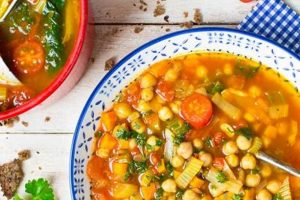
The concept involves a plant-based adaptation of a traditional comfort food. It replicates the flavor profile and textural elements associated with a broth-based dish typically containing poultry, egg noodles, and vegetables. Instead of animal-derived ingredients, it utilizes plant-based alternatives such as vegetable broth, plant-based protein sources (e.g., tofu or tempeh), and egg-free noodles.
This culinary innovation caters to individuals adhering to vegan diets or those seeking to reduce their consumption of animal products. Benefits include a reduced environmental impact, elimination of cholesterol, and increased fiber intake depending on the specific ingredients used. The rise in popularity reflects a growing awareness of ethical and health considerations surrounding food choices, leading to creative substitutions in classic recipes.
The following sections will delve into specific techniques for creating this dish, exploring optimal ingredient choices, nutritional considerations, and common variations. This includes a discussion of different vegetable broth bases, plant-based protein options, and methods for achieving a rich and satisfying flavor profile.
Crafting Superior Plant-Based Broth
Achieving a depth of flavor reminiscent of traditional poultry-based versions requires careful attention to ingredient selection and preparation methods. The following tips offer guidance on maximizing the savory characteristics of plant-based alternatives.
Tip 1: Build a Robust Broth Base: Utilize a combination of vegetables such as onions, carrots, celery, and mushrooms simmered for an extended period. Roasting these vegetables beforehand can enhance their umami notes.
Tip 2: Incorporate Umami-Rich Ingredients: Introduce ingredients like dried shiitake mushrooms, seaweed (kombu), or nutritional yeast to elevate the broth’s savory profile. A small amount of miso paste can also contribute depth.
Tip 3: Consider Adding Legumes: Introduce legumes. Beans or lentils, particularly white beans, provide body and subtle earthy notes to the broth.
Tip 4: Strategically Season the Broth: Use herbs and spices such as thyme, bay leaf, parsley, and a pinch of smoked paprika. Seasoning at multiple stages of the cooking process allows the flavors to meld effectively.
Tip 5: Replicate Textural Elements: To mimic the shredded texture of poultry, consider using shredded tofu, tempeh, or plant-based chicken alternatives. Marinate these ingredients in a flavorful sauce before adding them to the broth.
Tip 6: Select Appropriate Noodles: Opt for egg-free noodles that maintain their integrity during cooking. Brown rice noodles, soba noodles, or gluten-free pasta shapes are viable options.
Tip 7: Temper Plant-Based Proteins: Plant based proteins like tofu or tempeh are often lacking in fat, add fat to the recipe using ingredients like olive oil or coconut milk.
By implementing these techniques, a nuanced and satisfying flavor profile can be achieved. This ensures that the end result is a flavorful and comforting dish.
The following section presents a summary of nutritional considerations relevant to this dietary adaptation.
1. Plant-based Broth Base

The foundation of any successful “chicken noodle soup vegan” iteration lies in its broth. Absent the traditional poultry carcass, the broth must deliver the depth of flavor and savory character essential to the dish’s identity. The construction of a robust plant-based broth base is therefore a critical determinant of the final product’s overall quality and appeal.
- Vegetable Composition and Roasting Technique
The selection of vegetables, such as onions, carrots, celery, and parsnips, and their preparation method, including roasting prior to simmering, directly impacts the broth’s complexity. Roasting enhances the natural sugars in the vegetables, contributing to a richer, more caramelized flavor profile. A broth that lacks these foundational vegetables or proper roasting will result in a thinner, less satisfying base.
- Umami Enhancement through Non-Animal Sources
To replicate the savory depth typically derived from animal products, incorporating umami-rich ingredients is crucial. Dried shiitake mushrooms, kombu (seaweed), or nutritional yeast provide glutamate, a key component of umami flavor. The absence or inadequate use of these ingredients will result in a broth that lacks the desired depth and savoriness, failing to mimic the complexities of a traditional poultry-based version.
- Herbal Infusion and Aromatic Compounds
The strategic addition of herbs and spices, such as thyme, bay leaf, parsley, and peppercorns, introduces layers of aroma and flavor complexity. These ingredients release volatile aromatic compounds during the simmering process, contributing to the overall sensory experience. Insufficient use of these herbs and spices will produce a broth that is bland and one-dimensional.
- Simmering Duration and Liquid Reduction
The simmering duration significantly influences the extraction of flavor from the vegetables and other ingredients. A longer simmering time allows for greater flavor extraction and liquid reduction, resulting in a more concentrated and intensely flavored broth. Too short a simmering period will yield a weak and watery broth, lacking the depth and richness required for an authentic experience.
The careful consideration of vegetable selection, umami enhancement, herbal infusion, and simmering duration, all contribute significantly to the construction of a successful plant-based broth base. This base, in turn, is essential for creating a plant-based dish. It is a foundational element to delivering the comforting and satisfying characteristics associated with the traditional version.
2. Egg-free noodle selection

The selection of egg-free noodles is a foundational component in the creation of a credible iteration of “chicken noodle soup vegan.” Traditional recipes rely on egg noodles for their characteristic texture and flavor. However, to align with vegan dietary principles, these must be replaced with plant-based alternatives. This substitution directly impacts the dish’s authenticity and overall sensory experience. For example, using standard wheat pasta provides a familiar texture, while options like rice noodles offer a gluten-free alternative, expanding the dish’s accessibility. The correct choice is essential because the noodles contribute substantially to the mouthfeel and heartiness of the soup.
The practical significance extends beyond mere substitution. Specific egg-free noodle varieties, such as soba noodles or certain gluten-free pastas, possess unique textures that can enhance the overall eating experience. Soba noodles, made from buckwheat, offer a subtle nutty flavor that complements the savory broth and vegetables. Conversely, overcooked or poorly chosen noodles can negatively impact the soup’s consistency, resulting in a mushy or undesirable texture. Therefore, careful consideration of cooking time and noodle type is crucial to maintaining the dish’s integrity. Understanding these subtleties can enable cooks to tailor recipes to specific tastes and dietary requirements without compromising the integrity of the overall dish.
In summary, egg-free noodle selection is not merely a minor detail but a critical consideration in veganizing a traditional comfort food. Successfully adapting this element significantly contributes to replicating the sensory experience of the original, broadening its appeal to those adhering to plant-based diets or seeking dietary alternatives. The challenges involve finding suitable textures and flavors and understanding the different ingredient compositions of alternative noodles and the cooking times required to make perfect plant-based chicken soup.
3. Vegan protein sources
The incorporation of vegan protein sources is a central and defining characteristic of “chicken noodle soup vegan.” It directly addresses the absence of traditional poultry, necessitating the strategic introduction of plant-based alternatives to replicate the protein content and textural elements of the original dish. The selection of an appropriate protein source has a cascading effect, influencing not only the nutritional profile of the soup but also its flavor, consistency, and overall appeal. Tofu, tempeh, lentils, and chickpeas represent viable options, each possessing unique characteristics that contribute distinct qualities to the final product. The addition of vegan proteins transforms traditional chicken noodle soup to a plant-based dish.
For example, tofu, particularly firm or extra-firm varieties, can be pressed to remove excess moisture and then cubed or shredded to mimic the texture of cooked poultry. Alternatively, tempeh, a fermented soybean product, offers a denser, chewier texture and a subtly nutty flavor, providing a more substantial protein component. Lentils, on the other hand, readily absorb the flavors of the broth, contributing to a creamy consistency and increased fiber content. The practical significance of understanding these nuances lies in the ability to tailor the soup’s composition to specific dietary needs and preferences while maintaining its nutritional value and culinary appeal. Improper protein selection can lead to a nutritionally deficient soup and one that does not provide sufficient protein content.
In conclusion, the effective integration of vegan protein sources is not merely a matter of substitution but a critical element in creating a balanced and satisfying plant-based adaptation of a classic dish. The successful navigation of this element hinges on a comprehensive understanding of the characteristics and culinary applications of various plant-based proteins. In doing so, it ensures “chicken noodle soup vegan” provides the nutritional value and sensorial satisfaction. There are challenges to replicating traditional poultry dishes, but the goal is to enhance the plant-based flavor and add plant-based protein content.
4. Vegetable diversity
Vegetable diversity is a pivotal element in the formulation of a robust and nutritionally complete “chicken noodle soup vegan.” The strategic incorporation of a wide array of vegetables not only contributes to the complexity of the flavor profile but also enhances the soup’s nutritional value, providing essential vitamins, minerals, and dietary fiber. This element has the effect of improving the plant-based dish both from a culinary and nutritional perspective.
- Flavor Depth and Complexity
The use of diverse vegetables expands the range of flavors present in the soup. Root vegetables like carrots and parsnips contribute sweetness, while alliums such as onions and garlic provide savory depth. Leafy greens like spinach or kale add subtle bitterness and earthy notes. A broth made with a homogenous mix of vegetables is limited in its flavor expression, compared to a more diverse blend. The blend creates an enhanced flavor.
- Nutritional Completeness
Different vegetables offer varying nutritional profiles. Carrots are rich in beta-carotene, a precursor to Vitamin A, while leafy greens are excellent sources of Vitamin K and folate. Bell peppers contribute Vitamin C, and mushrooms provide Vitamin D. Incorporating a broad spectrum of vegetables ensures a more comprehensive intake of essential nutrients, contributing to the dish’s health benefits.
- Textural Variation
Employing a range of vegetables introduces diverse textures to the soup. Diced carrots offer a firm bite, while cooked celery provides a softer, slightly yielding texture. Mushrooms can contribute a meaty, umami-rich texture, and leafy greens provide a delicate, tender mouthfeel. This textural diversity prevents the soup from becoming monotonous and enhances the overall sensory experience.
- Visual Appeal
A visually appealing dish is often more enticing. Colorful vegetables, such as orange carrots, green spinach, red bell peppers, and brown mushrooms, contribute to a vibrant and appetizing appearance. This visual appeal can enhance the perceived quality of the soup and encourage consumption.
In summary, vegetable diversity is not merely an aesthetic consideration but a functional and nutritional imperative in the creation of “chicken noodle soup vegan.” The strategic selection and combination of various vegetables directly influence the flavor, nutritional value, texture, and visual appeal of the soup, contributing to a more satisfying and wholesome dining experience. A carefully assembled array of vegetables transforms the soup into a nutritional powerhouse, surpassing the capabilities of simpler, less diverse preparations.
5. Umami flavor enhancement

In the context of plant-based culinary adaptations, specifically chicken noodle soup vegan, umami flavor enhancement plays a crucial role in replicating the savory depth typically associated with animal-derived ingredients. Because traditional chicken noodle soup derives its umami from the poultry itself, a vegan version necessitates the strategic incorporation of plant-based sources of this flavor. The absence of effective umami enhancement can result in a soup that lacks depth, richness, and the satisfying savory character of its non-vegan counterpart.
Ingredients such as dried shiitake mushrooms, nori seaweed, nutritional yeast, and miso paste serve as potent sources of glutamates, the amino acids responsible for umami perception. For example, simmering dried shiitake mushrooms in the vegetable broth base extracts their glutamates, infusing the broth with a savory depth reminiscent of chicken stock. Similarly, a small amount of miso paste can contribute a subtle but significant umami boost. The practical application of this understanding involves carefully balancing these ingredients to achieve a harmonious flavor profile that approximates the umami intensity of traditional chicken noodle soup. The careful management of sodium in the soup is an important factor in this scenario.
Effective umami flavor enhancement is therefore not merely a matter of adding specific ingredients but a deliberate effort to recreate a complex sensory experience in the absence of animal products. The challenges involved include avoiding excessive saltiness or overpowering flavors while ensuring that the umami notes are sufficiently pronounced to provide a satisfying and authentic taste. By strategically utilizing plant-based umami sources, a “chicken noodle soup vegan” can successfully replicate the comforting and savory qualities of the classic dish, appealing to both vegan and non-vegan consumers alike. The enhancement creates a savory broth, replicating the qualities and flavor of traditional chicken noodle soup.
6. Nutritional fortification

Nutritional fortification in “chicken noodle soup vegan” is a deliberate strategy to enhance the micronutrient profile of the dish, compensating for the absence of animal-derived nutrients. This is a cause-and-effect relationship: the removal of meat necessitates a proactive approach to ensure that the resulting meal remains a nutritionally complete and balanced option. For example, the inclusion of nutritional yeast provides Vitamin B12, a nutrient typically found in animal products and often lacking in vegan diets. The importance of this lies in preventing deficiencies and promoting overall health, particularly for individuals relying on plant-based diets as their primary food source.
Further fortification can involve the addition of iron-rich ingredients such as spinach or lentils, or the inclusion of Vitamin D-enhanced mushrooms. Commercially available vegan broths may also be fortified with calcium or other essential minerals. This tailored approach allows for targeted nutrient delivery, addressing common nutritional gaps in vegan diets. A lack of awareness regarding these potential deficiencies and a failure to proactively fortify the dish can result in a nutritionally inadequate meal, undermining the health benefits associated with plant-based eating. The practical significance of this understanding is the need for informed recipe development and ingredient selection to maximize the nutritional value of “chicken noodle soup vegan”.
In summary, nutritional fortification is not merely an optional add-on but a fundamental aspect of creating a truly healthful and balanced plant-based version. It mitigates the risk of nutrient deficiencies and ensures that the dish serves as a valuable source of essential vitamins and minerals. Addressing this element effectively connects the dietary adaptation to broader health goals, reinforcing the nutritional value of plant-based food.
7. Texture replication

Texture replication is a critical success factor in plant-based culinary adaptations, particularly in the creation of “chicken noodle soup vegan.” The absence of animal-derived components necessitates a strategic approach to mimic the textural elements of the original dish, ensuring a familiar and satisfying sensory experience. Without effective texture replication, the soup may lack the heartiness and comforting qualities associated with traditional recipes, potentially limiting its appeal to both vegan and non-vegan consumers.
The practical application of texture replication involves the careful selection and preparation of plant-based ingredients. Tofu, for example, can be pressed and cubed to mimic the texture of cooked chicken. Similarly, shredded carrots or parsnips can replicate the fibrous texture of poultry. Noodles, too, contribute to the overall textural profile, with options like soba or brown rice noodles offering a chewier alternative to traditional egg noodles. Successful texture replication also requires attention to cooking techniques. Overcooked vegetables can become mushy, while undercooked noodles can be unpleasantly firm. The importance is to use the correct process, with precision and timing being key factors.
In conclusion, texture replication is not merely an aesthetic consideration but a fundamental component of creating a believable and enjoyable “chicken noodle soup vegan.” By strategically manipulating plant-based ingredients and employing appropriate cooking techniques, chefs and home cooks can effectively recreate the textural complexities of the original dish, ensuring a satisfying and authentic culinary experience. Mastering this element strengthens the connection between dietary adaptation and culinary satisfaction, fostering broader acceptance of plant-based options. This is because of the close sensory relationship with the original texture of chicken noodle soup.
Frequently Asked Questions About Chicken Noodle Soup Vegan
The following questions address common inquiries and misconceptions surrounding the plant-based adaptation of a classic comfort food.
Question 1: Is “chicken noodle soup vegan” nutritionally complete without meat?
The nutritional completeness depends on ingredient selection. Strategic inclusion of diverse vegetables, legumes, and fortified plant-based ingredients can ensure a balanced micronutrient profile.
Question 2: How can the umami flavor, traditionally derived from poultry, be replicated in a vegan version?
Umami notes can be enhanced using ingredients such as dried shiitake mushrooms, kombu seaweed, miso paste, or nutritional yeast. Careful balancing of these elements is crucial to avoid overpowering flavors.
Question 3: What are suitable egg-free noodle alternatives for this dish?
Acceptable options include soba noodles, rice noodles, gluten-free pasta, or other egg-free pasta varieties. Cooking times may vary depending on the specific noodle type.
Question 4: How is the characteristic texture of chicken replicated using plant-based ingredients?
Shredded or cubed tofu, tempeh, or commercially available plant-based chicken substitutes can effectively mimic the texture of cooked poultry. Marinating these ingredients beforehand enhances flavor.
Question 5: What are some common pitfalls to avoid when preparing “chicken noodle soup vegan”?
Pitfalls include a bland broth due to insufficient seasoning or vegetable selection, mushy noodles from overcooking, and a lack of textural diversity. Careful attention to detail is crucial to avoid these issues.
Question 6: Can this dish be adapted for gluten-free diets?
Adapting is possible through the selection of gluten-free noodles, such as rice noodles or specific gluten-free pasta blends. Verify that all other ingredients, including broth and any plant-based protein sources, are also gluten-free.
Key takeaways include the importance of strategic ingredient selection, flavor enhancement, and attention to texture when creating a satisfying and nutritionally complete plant-based adaptation of chicken noodle soup.
The next section will discuss recipe variations and regional adaptations of this dish.
Concluding Insights on Plant-Based Adaptation
The preceding exploration of “chicken noodle soup vegan” has highlighted the multifaceted considerations involved in replicating a classic comfort food using entirely plant-based ingredients. Successful execution necessitates careful attention to broth construction, protein source selection, texture replication, and nutritional fortification. Effective implementation of these elements allows for the creation of a dish that mirrors the sensory characteristics of its traditional counterpart while adhering to ethical and dietary principles.
The increasing prevalence of plant-based diets underscores the continued relevance of culinary adaptations. Further innovation in ingredient technology and recipe development will undoubtedly enhance the accessibility and appeal of “chicken noodle soup vegan” and similar dishes, contributing to a more sustainable and inclusive food landscape. Ongoing exploration and refinement remain essential to fully realize the potential of plant-based cuisine.