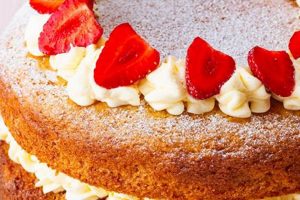
A plant-based adaptation of a classic dessert, this confection replicates the flavors and appearance of the traditional Black Forest cake while excluding all animal products. It typically features layers of chocolate sponge cake, a non-dairy whipped topping, cherry filling, and chocolate shavings. This version caters to individuals adhering to vegan dietary restrictions or those seeking alternatives to traditional baking ingredients.
This dessert offers a guilt-free indulgence for vegan consumers, allowing them to enjoy a familiar and beloved treat without compromising their ethical principles. Its rise in popularity reflects the growing demand for plant-based options within the culinary world and demonstrates the increasing accessibility of vegan desserts. Furthermore, it presents an opportunity for bakers to showcase their creativity and technical skills in adapting traditional recipes for a contemporary audience.
The following sections will delve into the specific ingredients, techniques, and variations involved in creating a superior plant-based version of this cherished confection, providing a detailed understanding of its construction and potential modifications.
Tips for Creating a Superior Plant-Based Adaptation
Achieving excellence in crafting a plant-based version requires careful attention to ingredient selection and baking techniques. The following tips will enhance the final product, ensuring a delectable and satisfying experience.
Tip 1: Optimize Chocolate Sponge Cake Texture: Employ a combination of plant-based milk (such as almond or soy) and apple cider vinegar to create a buttermilk substitute. This promotes a light and airy crumb structure, mimicking the texture of a traditional sponge cake.
Tip 2: Enhance Cherry Filling Flavor: Use high-quality frozen or fresh cherries. Consider adding a small amount of kirsch or cherry liqueur (ensure it is vegan-friendly) to intensify the cherry flavor profile. Reduce the filling to the desired consistency for optimal spreadability and taste.
Tip 3: Stabilize Non-Dairy Whipped Topping: Incorporate a vegan-friendly stabilizer, such as agar-agar or xanthan gum, into the non-dairy whipped topping. This will help maintain its structure and prevent it from collapsing, especially in warmer environments.
Tip 4: Select High-Quality Chocolate: Choose dark chocolate with a high cocoa content (70% or higher) to provide a rich and intense chocolate flavor. Ensure the chocolate is certified vegan, as some brands may contain milk derivatives.
Tip 5: Prevent Soggy Layers: Brush the cake layers with a simple syrup infused with a complementary flavor, such as cherry or chocolate liqueur. This will add moisture without causing the cake to become overly saturated.
Tip 6: Temper Chocolate Shavings Properly: Temper the chocolate before creating the shavings to achieve a glossy finish and prevent it from melting too quickly at room temperature. This enhances the visual appeal and ensures a pleasant mouthfeel.
Tip 7: Prioritize Ingredient Temperatures: Ensure all ingredients are at room temperature before mixing the batter. This promotes even emulsification and contributes to a uniform cake texture. Cold ingredients can hinder proper incorporation and result in a dense or uneven bake.
Following these guidelines will contribute to a more flavorful, texturally pleasing, and visually appealing version of this cherished plant-based dessert.
The succeeding section will explore variations of this recipe and offer insights into advanced baking techniques for further refinement.
1. Ingredient substitution
Ingredient substitution is the cornerstone of crafting a plant-based version of the Black Forest cake. The traditional recipe relies heavily on dairy products and eggs, which necessitate careful replacement with vegan-friendly alternatives to maintain the desired flavor, texture, and structural integrity.
- Egg Replacers and Cake Structure
Eggs provide binding, leavening, and moisture in traditional baking. In a plant-based version, substitutes like flaxseed meal, applesauce, or commercial egg replacers are employed. Flaxseed meal, for example, when mixed with water, creates a gelatinous substance that acts as a binder. The choice of egg replacer significantly impacts the cake’s crumb structure and overall texture. Incorrect substitution can lead to a dense or crumbly result, underscoring the importance of careful experimentation and precise measurements.
- Dairy-Free Milk Alternatives and Flavor Profile
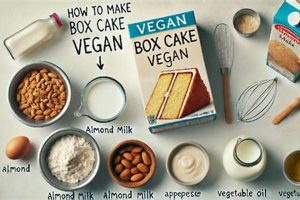
Cow’s milk contributes moisture and fat, influencing the cake’s flavor and richness. Plant-based milks, such as almond, soy, or oat milk, are commonly used as substitutes. Each milk alternative imparts a unique flavor profile. For instance, almond milk offers a slightly nutty taste, while oat milk provides a creamy texture. The selection of the milk alternative should complement the other ingredients to achieve a balanced and harmonious flavor profile.
- Non-Dairy Whipped Topping Stability and Texture
Traditional whipped cream is a key component. Vegan whipped toppings, often derived from coconut cream or aquafaba (chickpea brine), require stabilization to maintain their structure. Ingredients like agar-agar or xanthan gum are used to prevent the topping from collapsing. The stability of the whipped topping is crucial for the cake’s visual appeal and overall eating experience.
- Vegan Chocolate and Ethical Considerations
While many dark chocolates are naturally dairy-free, it is essential to verify that the chocolate used in the recipe is certified vegan to ensure no milk derivatives are present. Furthermore, ethical sourcing of cocoa beans should be considered. This ensures that the recipe not only adheres to vegan dietary restrictions but also aligns with broader ethical concerns regarding sustainable and responsible food production.
The successful execution of a plant-based Black Forest cake hinges on the informed and strategic replacement of traditional ingredients. Each substitution requires careful consideration of its impact on flavor, texture, and structural integrity. Mastering these substitutions allows for the creation of a dessert that is both delicious and aligned with vegan dietary principles.
2. Texture Optimization and the Black Forest Vegan Cake
Texture optimization is a pivotal factor in the successful creation of a palatable plant-based Black Forest cake. The absence of traditional binding agents, such as eggs and dairy, presents significant challenges in replicating the characteristic light and airy crumb of the sponge cake and the smooth, stable consistency of the whipped topping. Inadequate attention to texture can result in a dense, crumbly cake or a watery, unstable frosting, detracting from the overall sensory experience.
One crucial aspect involves the selection and utilization of appropriate egg substitutes. For instance, flaxseed meal or aquafaba can be employed to provide binding properties. However, the quantity used and the method of incorporation must be carefully controlled to avoid a gummy or overly dense texture. Similarly, plant-based milk alternatives, such as oat or soy milk, can impact the cake’s moisture content and crumb structure. The choice of plant-based milk should be aligned with the desired flavor profile and texture goals. Furthermore, the stabilization of the non-dairy whipped topping is critical. Ingredients like agar-agar or xanthan gum must be used in precise proportions to prevent the topping from collapsing or becoming overly firm. The practical significance of texture optimization is evident in the final product’s mouthfeel and overall palatability. A well-optimized cake will exhibit a delicate crumb, a moist interior, and a creamy, stable frosting, mimicking the qualities of a traditional Black Forest cake.
In summary, texture optimization represents a fundamental challenge in plant-based baking, particularly in recreating complex desserts like the Black Forest cake. Careful ingredient selection, precise measurement, and meticulous technique are essential to achieving a satisfying and authentic textural experience. Overcoming these challenges is paramount for producing a version that appeals to both vegan and non-vegan consumers, expanding the accessibility and enjoyment of this classic confection.
3. Cherry component

The cherry component constitutes a defining element within a plant-based version of the Black Forest cake, influencing both the flavor profile and structural integrity of the dessert. Its role extends beyond mere flavoring, acting as a critical source of moisture and contributing to the overall sensory experience. The omission or inadequate execution of the cherry filling directly diminishes the authenticity of the resulting confection. Real-world examples demonstrate that substituting the traditional cherry element with alternative fruit fillings invariably leads to a deviation from the established flavor expectations, resulting in a product perceived as less representative of the Black Forest cake archetype.
Various approaches exist for incorporating cherries. Whole cherries, macerated in a vegan-friendly liqueur, offer a robust, intensely flavored filling. Alternatively, a cherry compote, thickened with cornstarch or tapioca starch, provides a smoother, more integrated textural element. The selection of cherry variety impacts the final flavor; tart cherries lend a balanced acidity, while sweet cherries contribute a richer, sweeter profile. The liquid released by the cherries during baking, if not properly managed, can compromise the structure of the cake layers, leading to sogginess. Therefore, techniques such as partially reducing the cherry liquid prior to assembly are employed to mitigate this risk.
In summary, the cherry component is not merely an addendum but a crucial and interactive element, central to the taste and construction of a vegan Black Forest cake. Attention to the quality, preparation, and integration of the cherries is necessary to achieve a result consistent with the established characteristics of the classic dessert. The challenges associated with maintaining structural integrity underscore the importance of careful execution and a thorough understanding of ingredient interactions.
4. Chocolate intensity
Chocolate intensity is a critical determinant of quality in a plant-based Black Forest cake. It influences the depth of flavor and contrasts with the sweetness of the cherries and the lightness of the whipped topping. Inadequate chocolate intensity results in a flavor profile that is unbalanced and fails to capture the essence of the traditional dessert. For example, using low-quality cocoa powder or a chocolate with a low cocoa percentage yields a cake that tastes bland and lacks the characteristic richness. Conversely, a balanced chocolate flavor creates a harmonious interplay of sweet, tart, and bitter notes that elevates the overall sensory experience. This balance is achieved through selection of appropriate chocolate and skillful technique.
Practical significance arises from the influence of different elements of the dessert. A high-quality dark chocolate, with a cocoa content of 70% or higher, is generally recommended. Moreover, the form of the chocolate whether it is cocoa powder, melted chocolate, or chocolate shavings impacts its perceived intensity. Using a combination of these forms can create layers of chocolate flavor. Moreover, techniques for blooming cocoa powder enhances its flavor and impact. The careful management of chocolate intensity contributes directly to the consumer’s satisfaction.
In summary, chocolate intensity is a key consideration in the creation of plant-based Black Forest cake. Its accurate execution demands the selection of high-quality ingredients and skillful application of baking techniques. Challenges in achieving the desired depth of chocolate flavor underscore the value of careful attention to detail, ensuring that the finished cake reflects the rich and satisfying character of the classic dessert.
5. Stabilization method

The stabilization method represents a critical aspect of crafting a palatable and visually appealing plant-based Black Forest cake. The inherent instability of vegan whipped toppings, typically derived from coconut cream or aquafaba, necessitates the incorporation of stabilizing agents to prevent collapse and maintain structural integrity over time.
- Role of Stabilizers in Vegan Whipped Topping
Stabilizers function by creating a network that supports the air bubbles incorporated during whipping, preventing them from coalescing and deflating. Common vegan stabilizers include agar-agar, a seaweed-derived gelatin substitute, xanthan gum, a polysaccharide produced by bacterial fermentation, and cornstarch. The choice of stabilizer affects the texture and mouthfeel of the final product. For instance, agar-agar can yield a slightly firmer texture compared to xanthan gum.
- Impact on Cake Structure and Aesthetics
The stability of the whipped topping directly influences the overall structure and aesthetics of the cake. A well-stabilized topping maintains its shape, preventing the cake layers from sliding or the frosting from weeping. This is particularly important for Black Forest cakes, which often feature intricate decorations and multiple layers of frosting. An unstable topping can detract from the visual appeal and result in a less satisfying eating experience.
- Considerations for Different Stabilizers
Each stabilizer possesses unique characteristics that must be considered during recipe formulation. Agar-agar requires heating to activate its gelling properties, while xanthan gum can be added directly to the whipped topping. The appropriate dosage of stabilizer is also crucial; excessive amounts can result in a gummy or overly firm texture, while insufficient amounts will fail to provide adequate stabilization. Furthermore, the presence of acidic ingredients can affect the performance of certain stabilizers.
- Influence on Shelf Life and Storage
Proper stabilization extends the shelf life of the plant-based Black Forest cake by preventing the whipped topping from breaking down and releasing moisture. This is particularly important for cakes that are intended for sale or consumption over several days. Storing the cake in a cool, airtight container further enhances its stability and prevents the absorption of undesirable flavors or odors.
In summary, the stabilization method plays a pivotal role in ensuring the success of a plant-based Black Forest cake. It directly impacts the texture, structure, aesthetics, shelf life, and overall consumer satisfaction. The careful selection and precise application of appropriate stabilizing agents are essential for creating a dessert that meets the expectations associated with the classic Black Forest cake while adhering to vegan dietary principles.
6. Aesthetic presentation
Aesthetic presentation is integral to the perceived quality and market appeal of a plant-based Black Forest cake. Visual cues, such as neat layering, symmetrical arrangement of components, and artful garnishing, trigger expectations of taste and texture. A poorly presented cake, even with impeccable flavor, is often perceived as less desirable. Cause and effect are directly linked: careful execution of visual elements results in heightened consumer interest, while neglect leads to reduced appeal and potential purchase discouragement. The importance of presentation aligns with the sensory nature of food consumption, where visual stimuli initiate the eating experience.
The practical significance of aesthetic presentation is evident in commercial bakeries and patisseries. A Black Forest cake, whether plant-based or traditional, typically features a dark chocolate sponge base, a contrasting white or off-white whipped topping, and vibrant red cherries. These elements must be arranged precisely to create a visually striking contrast. Chocolate shavings, strategically placed, add texture and depth. Real-world examples demonstrate that cakes displayed with clean lines, even topping distribution, and artful cherry placement command higher prices and faster sales. Furthermore, digital platforms rely heavily on visual appeal, where high-quality images of aesthetically pleasing cakes drive online orders and social media engagement.
In summary, aesthetic presentation is not merely a cosmetic addition but an essential component of a successful Black Forest vegan cake. It directly influences consumer perception, purchasing decisions, and overall satisfaction. Mastering the visual elements, from layering to garnishing, is paramount for creating a product that not only tastes exceptional but also captivates the eye and elevates the overall culinary experience. This is one key component of a cake that can be enjoyed by everyone.
7. Shelf-life extension

Shelf-life extension is a crucial consideration in the production and distribution of plant-based Black Forest cake. Traditional versions benefit from the preservative qualities of dairy fats and eggs. Plant-based formulations, however, often lack these natural stabilizers, which can lead to accelerated spoilage. Understanding the factors that contribute to shelf-life limitations in this specific application is therefore essential for ensuring product quality and minimizing waste. For example, the moisture content of the cherry filling, the type of plant-based milk used in the sponge cake, and the stability of the vegan whipped topping all directly impact the cake’s longevity.
Practical methods for extending the shelf-life of the cake include incorporating preservatives such as potassium sorbate or sodium benzoate, adjusting the recipe to reduce water activity, and employing proper packaging techniques. Modified atmosphere packaging, for instance, can help to inhibit microbial growth and oxidation. Furthermore, the selection of specific plant-based ingredients with inherent preservative properties, such as certain types of oils or flours, can contribute to a longer shelf-life. In commercial bakeries, careful attention to these factors is paramount to maintaining consistent product quality and minimizing the risk of foodborne illness. Similar consideration goes into at-home versions as well.
In summary, shelf-life extension presents a significant challenge in the context of plant-based Black Forest cake. Addressing this challenge requires a multifaceted approach, encompassing careful ingredient selection, the use of appropriate preservatives, and the implementation of effective packaging strategies. Overcoming these hurdles is essential for ensuring that plant-based versions of this classic dessert can be enjoyed safely and retain their desired quality over an extended period.
Frequently Asked Questions
The following section addresses common inquiries and misconceptions surrounding the creation, characteristics, and storage of a plant-based rendition of the classic Black Forest cake.
Question 1: Does a plant-based version truly replicate the flavor of a traditional Black Forest cake?
While subtle differences may exist, a skillfully crafted plant-based iteration can closely mimic the flavor profile of its traditional counterpart through the strategic use of high-quality vegan chocolate, cherry fillings, and plant-based whipped toppings. Attention to ingredient sourcing and balanced flavor profiles are necessary.
Question 2: What are the primary substitutions in a plant-based Black Forest cake recipe?
The key substitutions involve replacing dairy milk with plant-based alternatives (e.g., almond, soy, oat), eggs with binding agents like flaxseed meal or applesauce, and dairy-based whipped cream with coconut cream or aquafaba-based toppings. Certified vegan chocolate is also essential.
Question 3: Is the texture of a plant-based cake comparable to a traditional sponge cake?
Achieving a similar texture requires careful attention to ingredient ratios and mixing techniques. Egg replacers such as flaxseed meal, coupled with the correct ratio of plant-based milk and a gentle mixing method, can result in a light and airy crumb structure.
Question 4: How is the vegan whipped topping stabilized to prevent it from collapsing?
Stabilizing agents, such as agar-agar or xanthan gum, are commonly used to maintain the structure of plant-based whipped toppings. These agents create a network within the topping that prevents air bubbles from collapsing, ensuring a stable and visually appealing frosting.
Question 5: What are the optimal storage conditions for a plant-based cake?
Like traditional cakes, plant-based versions benefit from being stored in a cool, airtight container. Refrigeration is recommended to extend shelf life, particularly for cakes containing perishable fillings or toppings. Proper storage will prevent drying out and preserve the flavor.
Question 6: Is plant-based chocolate inherently dairy-free?
While many dark chocolates are naturally dairy-free, it is crucial to verify that the chocolate is certified vegan to ensure no milk derivatives are present. Some chocolates may contain trace amounts of dairy due to manufacturing processes or shared equipment.
The development of plant-based versions necessitates consideration, with formulation adjustments to deliver equivalent taste with modified ingredients. Recipes require precise balancing to achieve consumer expectations.
The next article section will conclude this exploration and provide comprehensive analysis.
Conclusion
This exploration of the plant-based Black Forest cake has illuminated the intricate considerations involved in replicating a classic dessert while adhering to vegan dietary principles. Key challenges include ingredient substitution to maintain structural integrity, optimization of texture in the absence of traditional binding agents, achieving balanced flavor profiles, and implementing effective stabilization and preservation techniques. Successful creation of a plant-based version requires a thorough understanding of ingredient interactions and careful attention to detail throughout the baking process.
The increasing demand for plant-based alternatives suggests a growing market for expertly crafted vegan desserts. Continued innovation in ingredient development and refinement of baking techniques will further enhance the quality and accessibility of plant-based options. Embracing these advancements will not only cater to the evolving needs of consumers but also contribute to a more sustainable and inclusive culinary landscape, allowing a wider audience to enjoy the cherished flavors of the Black Forest cake without compromising dietary or ethical principles.