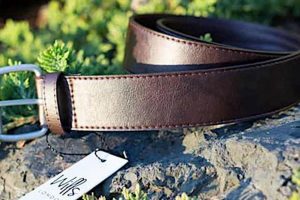
Items crafted from materials that mimic the look and feel of animal hide, yet are entirely free of animal products, offer an alternative to conventional leather goods. These items often utilize polyurethane (PU), polyvinyl chloride (PVC), or innovative plant-based materials such as pineapple leaf fiber (Piatex), mushroom leather (Mylo), or apple leather. These materials are fashioned into various styles, from everyday totes to sophisticated evening clutches.
The adoption of animal-free alternatives signifies a growing awareness of ethical and environmental concerns associated with the traditional leather industry. These alternatives can provide a lower environmental impact due to reduced water consumption and the elimination of harmful tanning processes. Historically, consumers had limited options, but technological advancements have led to more durable and aesthetically pleasing alternatives. The rise in demand reflects a broader shift towards conscious consumerism.
The subsequent discussion will delve into various aspects, including material composition, durability, aesthetic appeal, price points, and brand considerations. The intention is to provide a well-rounded understanding, enabling informed decision-making for prospective purchasers and enthusiasts alike.
The following recommendations are designed to guide the discerning consumer in selecting an appropriate and enduring animal-free handbag. Careful consideration of these factors will contribute to a satisfactory purchase and long-term product enjoyment.
Tip 1: Material Composition Assessment: Scrutinize the material composition. Polyurethane (PU) is a common and generally durable choice. However, prioritize bags utilizing plant-based alternatives like Pinatex or mushroom leather where available, as these often represent a more sustainable selection.
Tip 2: Construction Quality Inspection: Examine the stitching, hardware, and lining. Reinforce stitching at stress points such as handles and straps. Evaluate the quality of zippers and clasps for smooth operation and durability. Inadequate construction undermines even the finest materials.
Tip 3: Consider Intended Usage: Align the bag’s design and features with its intended application. A large tote for daily use demands robust construction and ample storage, whereas an evening clutch necessitates a more refined aesthetic and smaller profile.
Tip 4: Evaluate Ethical Brand Practices: Research the brand’s commitment to ethical sourcing and fair labor practices. Certifications such as B Corp or partnerships with reputable environmental organizations can provide assurance of responsible manufacturing.
Tip 5: Assess Durability and Cleanability: Inquire about the material’s resistance to wear and tear, including scratching, staining, and water damage. Understand the recommended cleaning procedures for maintaining the bag’s appearance and longevity.
Tip 6: Evaluate Texture and Aesthetic Appeal: Evaluate texture and color fastness. Ensure that the finish is uniform and resilient to everyday wear. Some materials mimic leather better than others; observe closely.
Tip 7: Pay Attention to Weight and Comfort: Evaluate the weight of the bag. A bag that is excessively heavy, even when empty, will quickly become uncomfortable during prolonged use.
These recommendations aim to provide a framework for making informed decisions when selecting an alternative to conventional leather accessories. By considering these factors, a purchase will likely yield a practical and ethically sound item.
The subsequent sections will explore specific brands and models that exemplify quality, style, and ethical production within the animal-free market.
1. Material Composition

The term, when applied to alternatives to animal hide accessories, denotes the specific ingredients and construction methods employed in crafting a product that simulates the properties of traditional leather. This composition is paramount, directly influencing the items durability, texture, environmental impact, and overall aesthetic appeal. The suitability for a given application is heavily reliant on the precise materials utilized.
For example, a handbag labeled as constructed from polyurethane (PU) offers a certain level of water resistance and flexibility, making it suitable for everyday use. However, PU is a petroleum-based material and presents concerns regarding its long-term sustainability and biodegradability. Conversely, a handbag constructed from Pinatex, a textile derived from pineapple leaf fibers, may offer a more environmentally sound alternative, but its durability and water resistance may require careful consideration. Similarly, mushroom-based materials present a promising, renewable option, yet their adoption remains relatively nascent, and long-term performance data are still emerging. The material makeup directly affects the weight of the bag as well; heavier materials may lead to discomfort over extended use. The selection process must include an evaluation of the specific polymers, coatings, and backing materials involved, as these directly correlate to the longevity and performance of the final product.
Ultimately, awareness of the material composition enables informed consumer choices. Recognizing the cause-and-effect relationship between material choices and product performance allows for alignment with individual needs and sustainability goals. The practical significance lies in the ability to differentiate between marketing claims and actual product value, facilitating the selection of durable and ethically responsible alternatives to animal-derived goods. The rise in alternative materials also provides a wider range of texture and feel; some consumers may prefer the lighter, more breathable feel of microfiber while others may seek materials with a distinct, “leathery” aesthetic. These choices become more deliberate when materials are transparently listed.
2. Durability & Longevity

The properties of resilience and extended usable life are paramount considerations in assessing the overall value proposition. Unlike genuine hide, which derives its durability from its organic structure, alternative materials depend entirely on synthetic or plant-based formulations and manufacturing processes. The link between material composition and lifespan is direct; lower-quality polymers are demonstrably more prone to cracking, peeling, and tearing under normal conditions. For example, a bag constructed from thin, single-layer PU will typically exhibit wear much sooner than one made from a thicker, reinforced composite material. The longevity of the bag also hinges on the quality of construction, specifically the stitching, hardware, and lining materials. Weak stitching or substandard hardware will inevitably lead to premature failure, irrespective of the inherent robustness of the primary exterior.
Several factors exacerbate wear and tear. Exposure to ultraviolet radiation, extreme temperature fluctuations, and repeated abrasion can degrade the structural integrity. Regular cleaning and conditioning are often essential to maintaining the appearance and prolonging lifespan. The durability of handles and straps, given their continuous use and exposure to weight, is a critical factor. Reinforced stitching, robust hardware, and ergonomically designed straps are indicators of a well-constructed and long-lasting product. Consider, for instance, a bag with reinforced handles constructed from a multilayer microfiber material versus one with single-stitched PU handles; the former is substantially more likely to withstand prolonged use without failure.
In summation, evaluating resilience and lifespan necessitates a comprehensive analysis of material quality, construction techniques, and user care practices. While innovative materials hold promise, the consumer should exercise due diligence to determine whether the product offers an acceptable trade-off between ethical considerations, aesthetic appeal, and long-term durability. The optimal selection necessitates a balance between immediate appeal and lasting performance, ensuring a purchase aligns with both ethical values and practical needs.
3. Ethical Sourcing

Ethical sourcing, in the context of alternatives to traditional animal hide accessories, concerns the responsible and sustainable procurement of raw materials and the adherence to fair labor practices throughout the production process. Its importance stems from increasing consumer awareness of the environmental and social impact of conventional manufacturing, driving a demand for transparency and accountability within the supply chain.
- Raw Material Acquisition
This facet addresses the origin and processing of the base materials. For instance, if a bag utilizes recycled materials, it is necessary to verify the source of those materials and the energy consumption associated with their reprocessing. If the bag employs plant-based alternatives like Pinatex, consideration must be given to the agricultural practices involved in pineapple cultivation, ensuring minimal environmental disruption and fair treatment of farmers. Traceability is essential to validate claims of sustainability.
- Manufacturing Labor Practices
Ethical sourcing mandates fair wages, safe working conditions, and the absence of child labor in all stages of production. Independent audits and certifications from organizations such as Fairtrade International provide assurance that factories adhere to internationally recognized labor standards. Transparency in the supply chain allows consumers to make informed decisions based on the ethical treatment of workers involved in the production of alternative material goods.
- Environmental Impact Minimization
The sourcing process should minimize negative environmental consequences. This includes reducing water consumption, minimizing waste generation, and avoiding the use of harmful chemicals in the production process. Certifications such as OEKO-TEX can verify that textiles are free from harmful substances. Life cycle assessments, which evaluate the environmental impact of a product from raw material extraction to disposal, provide a comprehensive understanding of its ecological footprint.
- Supply Chain Transparency
This aspect encompasses the ability to trace the origin of all materials and the various stages of production. Consumers and businesses increasingly expect clear and accessible information regarding the sourcing and manufacturing processes. Brands committed to ethical sourcing often publish detailed information about their suppliers, manufacturing facilities, and environmental policies, fostering trust and accountability.
The selection of an alternative material handbag based on ethical sourcing principles requires a comprehensive evaluation of the brand’s commitment to social and environmental responsibility. Products that demonstrably prioritize ethical practices not only minimize harm but also contribute to a more sustainable and equitable global economy. The consideration of ethical sourcing is integral to assessing the true value and quality of these accessories.
4. Design Aesthetics

The visual appeal constitutes a significant factor in the selection and valuation of accessories utilizing non-animal materials. Design encompasses a spectrum of elements, from overall form and silhouette to subtle details such as hardware finishes and stitching patterns. The successful execution of design principles directly influences consumer perception and desirability.
- Silhouette and Form
The overall shape and structure define its aesthetic identity. Classic silhouettes, such as totes, satchels, and crossbody bags, offer timeless appeal, while more avant-garde forms cater to individuals seeking distinctive styles. The choice of silhouette must balance aesthetic preference with functional requirements, ensuring the item complements the user’s lifestyle. A structured, minimalist silhouette projects sophistication and professionalism, whereas a more fluid, unstructured form conveys a relaxed, bohemian aesthetic.
- Material Texture and Finish
The surface characteristics significantly influence its tactile and visual appeal. Materials may be crafted to emulate the grain and texture of conventional leather, or they may showcase unique patterns and finishes that distinguish them from animal-derived counterparts. Matte finishes typically project understated elegance, while glossy finishes offer a bolder, more contemporary statement. The choice of material texture and finish impacts the perceived quality and value.
- Hardware and Embellishments
Buckles, zippers, clasps, and decorative elements contribute to the item’s overall aesthetic. The material, finish, and design of hardware should complement the primary material. Polished metal hardware exudes a sense of luxury, while matte or antique finishes offer a more understated or vintage aesthetic. The strategic placement and design of embellishments, such as studs, embroidery, or appliques, can enhance visual interest and personalize the item.
- Color Palette and Detailing
The selection of colors and the application of decorative details play a pivotal role in defining the item’s style. Neutral colors, such as black, brown, and beige, offer versatility and timeless appeal, while bolder colors and patterns allow for greater self-expression. Contrast stitching, embossed logos, and subtle textural variations contribute to visual interest and brand identity. The thoughtful integration of color and detailing elevates the design and enhances its overall aesthetic impact.
The integration of design aesthetics with ethical considerations presents a unique challenge. A successful design balances visual appeal with responsible material sourcing and production practices, resulting in accessories that are not only aesthetically pleasing but also ethically sound. The most compelling items demonstrate a commitment to both style and sustainability, offering consumers a guilt-free indulgence in fashion.
5. Price Point

The expense associated with acquiring a non-animal hide accessory is a crucial determinant in consumer purchase decisions and directly influences market accessibility. This factor encompasses not merely the initial purchase cost but also the perceived value derived from material quality, craftsmanship, brand reputation, and expected longevity. The correlation between expense and perceived value often dictates consumer acceptance and shapes the landscape of accessible alternatives to conventional leather goods.
- Material Composition and Expense
The constituent materials exert a considerable influence on the item’s cost. Accessories crafted from innovative, plant-based materials, such as Pinatex or mushroom-derived textiles, frequently command a premium owing to specialized processing techniques and limited production scales. Conversely, items fashioned from polyurethane (PU) or polyvinyl chloride (PVC) may offer a more economical alternative due to their widespread availability and lower manufacturing costs. The selection of materials fundamentally impacts both the price point and the perceived environmental impact.
- Brand Reputation and Markup
Established brands with a recognized commitment to ethical production and sustainable practices often command higher prices. This premium reflects investments in responsible sourcing, fair labor practices, and marketing initiatives that communicate brand values. Consumers are frequently willing to pay more for accessories from brands that align with their personal values, perceiving the higher price as an investment in both product quality and ethical consumption. The expense, therefore, incorporates a premium for intangible attributes beyond the intrinsic material value.
- Production Scale and Economies of Scale
Production volume directly impacts manufacturing costs and subsequently, retail pricing. Mass-produced alternatives, typically utilizing PU or PVC, benefit from economies of scale, resulting in lower unit costs and more competitive price points. In contrast, accessories crafted in smaller batches, particularly those utilizing niche or artisanal techniques, often incur higher production costs, necessitating a higher retail price to maintain profitability. The scale of production, therefore, directly impacts market accessibility.
- Durability and Long-Term Value
The expected lifespan significantly influences the perceived value. While a lower initial price may seem appealing, an item with limited durability may prove more costly in the long term due to frequent replacements. Accessories constructed from higher-quality materials and employing superior craftsmanship typically offer greater longevity, justifying a higher initial investment. The price, therefore, should be evaluated in relation to the anticipated lifespan and overall cost of ownership.
In conclusion, the price point of a non-animal hide accessory represents a complex interplay of material costs, brand values, production scale, and expected longevity. Consumers must carefully evaluate these factors to determine the optimal balance between affordability, ethical considerations, and long-term value. The assessment of value requires a comprehensive understanding of the entire product lifecycle, from material sourcing to eventual disposal.
Frequently Asked Questions
The following section addresses common inquiries regarding animal-free alternatives to traditional leather accessories. The aim is to provide clarity on pertinent issues and dispel prevalent misconceptions.
Question 1: What constitutes a “best vegan leather bag”?
The designation applies to accessories that replicate the appearance and functionality of genuine leather while being entirely devoid of animal-derived materials. Optimal examples exhibit durability, aesthetic appeal, and ethical sourcing.
Question 2: Are alternatives truly as durable as conventional leather?
Durability varies significantly depending on the materials and construction techniques employed. High-quality alternatives can achieve comparable levels of resilience, while lower-grade options may exhibit premature wear.
Question 3: What are the primary materials used in these alternatives?
Common materials include polyurethane (PU), polyvinyl chloride (PVC), and innovative plant-based textiles such as Pinatex (pineapple leaf fiber), mushroom leather, and apple leather. Each material possesses distinct properties affecting durability and environmental impact.
Question 4: How does the environmental impact compare to that of genuine leather?
Alternatives generally have a lower environmental footprint due to the elimination of animal husbandry and the reduction of harmful tanning processes. However, the specific environmental impact depends on the sourcing and manufacturing processes of the alternative material itself.
Question 5: How is it maintained?
Maintenance requirements vary based on the material composition. Generally, gentle cleaning with a damp cloth and mild soap is recommended. Specific care instructions should be consulted to avoid damage.
Question 6: Are these alternatives significantly more expensive?
Price points range widely, influenced by brand reputation, material quality, and production scale. Some alternatives may be more affordable than genuine leather, while others, particularly those utilizing innovative materials, may command a premium.
In summation, informed purchasing decisions necessitate careful consideration of material composition, durability, ethical sourcing, and pricing. A comprehensive assessment ensures alignment with individual needs and values.
The subsequent discussion will delve into specific brand comparisons and product reviews to further guide prospective purchasers.
Conclusion
The foregoing analysis has presented a comprehensive examination of animal-free alternatives to traditional leather accessories. From material composition and durability considerations to ethical sourcing imperatives and design aesthetics, a multitude of factors influence the selection of optimal products. The market offers a diverse range of options, each with unique strengths and limitations that must be carefully evaluated.
Ultimately, the conscientious consumer is encouraged to prioritize informed decision-making, weighing the ethical and environmental implications alongside practical considerations of cost and longevity. Continued advancements in material science and manufacturing processes promise further innovations in this sector, potentially leading to more sustainable and aesthetically compelling choices. A discerning approach ensures that purchases align with both individual values and the broader pursuit of responsible consumption.