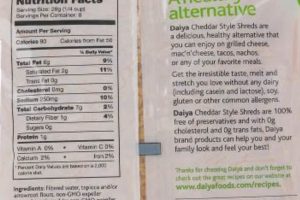
The selection of a plant-based cream cheese alternative profoundly impacts the texture and flavor profile of a vegan cheesecake. Factors such as the base ingredient (cashew, almond, soy), manufacturing process, and added stabilizers influence the final outcome. For example, a cashew-based product generally yields a richer, creamier result due to its naturally high fat content, closely mimicking the texture of traditional dairy cream cheese.
Using a suitable non-dairy cream cheese not only caters to dietary restrictions and ethical considerations but also opens up opportunities for innovative flavor combinations. Historically, developing palatable vegan cheesecake recipes presented challenges. Early attempts often resulted in undesirable textures or compromised flavor. Advances in food science and the availability of higher-quality ingredients have revolutionized vegan baking, enabling the creation of cheesecakes that rival their dairy-based counterparts. The ability to replicate a creamy, tangy texture without animal products expands the dessert options for a significant and growing portion of the population.
The following discussion will delve into specific brands and varieties that consistently deliver optimal results in vegan cheesecake applications. It will also cover key considerations for achieving the desired texture, flavor, and overall success when preparing this increasingly popular dessert.
Tips for Optimal Results
Achieving a superior vegan cheesecake hinges on carefully considering several key aspects of the preparation process. Proper handling of ingredients and attention to detail during baking are paramount.
Tip 1: Select the Appropriate Product: Not all plant-based cream cheese alternatives are created equal. Products designed specifically for baking, or those with a higher fat content (often cashew-based), tend to yield a smoother, creamier texture in the final cheesecake.
Tip 2: Ensure Ingredients are at Room Temperature: Allowing all ingredients, particularly the plant-based cream cheese, to reach room temperature is critical for creating a homogeneous batter. This promotes even mixing and prevents lumps.
Tip 3: Avoid Overmixing: Overmixing can incorporate excessive air into the batter, which can lead to cracking during baking. Mix until just combined, ensuring all ingredients are properly incorporated.
Tip 4: Employ a Water Bath: Baking the cheesecake in a water bath (bain-marie) helps to regulate the oven temperature and maintain moisture, preventing cracking and ensuring even cooking.
Tip 5: Cool Gradually: After baking, turn off the oven and allow the cheesecake to cool inside for an hour with the door slightly ajar. This gradual cooling process minimizes the risk of cracking.
Tip 6: Chill Thoroughly: Vegan cheesecakes typically require a longer chilling time than their dairy-based counterparts. A minimum of six hours, or preferably overnight, is recommended for optimal flavor development and texture setting.
Tip 7: Consider Flavor Enhancements: Plant-based cream cheese alternatives may benefit from additional flavorings to enhance the overall taste profile. Lemon juice, vanilla extract, or other complementary flavors can elevate the final product.
Adhering to these guidelines enhances the probability of achieving a vegan cheesecake with a desirable texture, flavor, and appearance, demonstrating that a plant-based dessert can be indistinguishable from its traditional counterpart.
The next section will discuss common challenges encountered during vegan cheesecake preparation and provide troubleshooting advice.
1. Base Ingredient

The base ingredient is a primary determinant of the success of a plant-based cream cheese alternative in a cheesecake application. Different bases impart distinct characteristics that affect the texture, flavor, and overall stability of the dessert. For example, cashew-based alternatives, due to their naturally high fat content, tend to produce a richer, creamier cheesecake that closely resembles the texture of its dairy counterpart. This is because the fat content contributes significantly to the smooth, velvety mouthfeel. In contrast, soy-based alternatives, while often more readily available and economical, may yield a less creamy result, potentially requiring adjustments to the recipe to compensate for the lower fat content. This adjustment may involve adding coconut cream or other plant-based fats to achieve the desired texture.
Almond-based alternatives offer a different set of considerations. While they can contribute a subtle nutty flavor that complements certain cheesecake variations, they often require careful processing to avoid a grainy texture. Some brands utilize specialized techniques to finely grind the almonds and blend them with other ingredients, resulting in a smoother product suitable for cheesecake. The use of stabilizers and emulsifiers can also play a crucial role in achieving a desirable consistency, particularly with almond-based cream cheese alternatives. Furthermore, the processing method can impact the overall flavor profile, with some almond-based products exhibiting a more pronounced almond flavor than others.
Ultimately, the selection of the base ingredient is a critical decision that influences the final outcome of the vegan cheesecake. Understanding the properties and characteristics of different bases allows bakers to make informed choices and adjust their recipes accordingly. Challenges associated with achieving a perfect texture and flavor can be overcome through careful ingredient selection and recipe optimization. The relationship between base ingredient and final product quality underscores the importance of experimentation and a discerning approach to vegan baking. This understanding is vital for consistently producing high-quality, plant-based cheesecakes that satisfy both dietary requirements and culinary expectations.
2. Tang and Flavor
The inherent tang and flavor profile of a plant-based cream cheese significantly influence the taste of a vegan cheesecake. A suitable alternative emulates the characteristic lactic acid fermentation notes present in traditional dairy cream cheese, providing a necessary counterpoint to the sweetness of the dessert. The absence of this tang often results in a cheesecake that lacks depth and complexity, potentially tasting bland or overly sweet. This effect is directly related to the base ingredients and fermentation processes (if any) utilized in creating the non-dairy cream cheese. Some manufacturers add ingredients such as lemon juice or cultures to mimic the characteristic tang.
However, the ideal level of tang is subjective and depends on the specific recipe and desired flavor outcome. Some vegan cheesecake recipes call for subtle tang, allowing other ingredients, such as fruit purees or chocolate, to take center stage. In contrast, recipes aiming for a classic cheesecake flavor often require a more pronounced tang to replicate the traditional taste. The “best” vegan cream cheese, therefore, balances inherent flavor notes with the ability to complement and enhance other ingredients. For example, some cashew-based cream cheeses possess a natural sweetness that necessitates the addition of acidic components to achieve the desired tangy flavor profile.
Ultimately, the tang and flavor characteristics of a plant-based cream cheese are pivotal in determining the success of a vegan cheesecake. Choosing an alternative with an appropriate flavor profile, or understanding how to modify the flavor through additional ingredients, is critical to creating a well-balanced and satisfying dessert. Discerning palates will often detect the difference between a cheesecake made with a carefully selected and properly flavored plant-based cream cheese versus one that lacks the essential tangy notes. Therefore, selection should be approached with careful consideration of the intended final flavor and overall balance.
3. Texture and Consistency

Texture and consistency are paramount considerations in the quest for a suitable plant-based cream cheese for cheesecake applications. The success of a vegan cheesecake hinges on replicating the smooth, creamy mouthfeel of its dairy-based counterpart. Deviation from this expected texture can significantly impact the overall perception and enjoyment of the dessert.
- Smoothness and Graininess
An ideal plant-based cream cheese should exhibit a completely smooth texture, free from any graininess or grittiness. Graininess, often a result of inadequately processed nuts or seeds, detracts from the desired velvety mouthfeel. The manufacturing process should involve fine milling and homogenization techniques to ensure a uniformly smooth product. A grainy texture is particularly noticeable in the finished cheesecake, significantly diminishing its appeal.
- Spreadability and Body
The spreadability and body of the plant-based cream cheese directly influence its ability to blend seamlessly into the cheesecake batter. A product that is too firm or stiff will be difficult to incorporate evenly, potentially leading to lumps or inconsistencies in the final texture. Conversely, a product that is too thin or watery may not provide adequate structure, resulting in a cheesecake that lacks firmness and stability. Optimal spreadability allows for effortless mixing and a homogenous batter.
- Moisture Content and Water Activity
The moisture content and water activity of the cream cheese alternative are critical factors affecting the overall texture and stability of the cheesecake. Excess moisture can lead to a soggy or waterlogged texture, while insufficient moisture can result in a dry or crumbly dessert. Precise control of moisture levels during the manufacturing process is essential for achieving the desired balance. Plant-based cream cheeses with optimized moisture content contribute to a creamy, moist, and stable cheesecake texture.
- Mouthfeel and Density
The final mouthfeel and density of the cheesecake are ultimately determined by the textural properties of the chosen plant-based cream cheese. A desirable vegan cheesecake should possess a rich, dense, and creamy mouthfeel, closely mirroring the sensory experience of a traditional cheesecake. Lightweight or airy textures are generally undesirable, as they fail to deliver the expected level of satisfaction. The selection of a cream cheese alternative with appropriate density and a smooth, luxurious mouthfeel is essential for achieving a truly exceptional vegan cheesecake.
The interplay between these textural elements ultimately dictates the success of a plant-based cream cheese alternative in a cheesecake application. Careful evaluation of smoothness, spreadability, moisture content, and mouthfeel is crucial for identifying the most suitable product, ultimately ensuring a delectable and texturally satisfying vegan cheesecake experience.
4. Stabilizers and Additives
The inclusion of stabilizers and additives significantly influences the performance of a plant-based cream cheese alternative in a cheesecake recipe. These components, such as gums (xanthan, guar), starches (tapioca, corn), and preservatives (potassium sorbate), address various functional challenges inherent in plant-based formulations. Stabilizers primarily contribute to the texture and consistency of the product, preventing separation, maintaining a smooth mouthfeel, and enhancing overall structural integrity, all critical factors in achieving the desired cheesecake texture. Additives, conversely, extend shelf life and inhibit microbial growth, safeguarding product quality and preventing spoilage.
The presence and type of stabilizers directly impact the baking characteristics of the non-dairy cream cheese. Gums, for example, help to bind water and create a gel-like structure that mimics the behavior of dairy proteins during baking. This is crucial for preventing cracking and maintaining a uniform texture in the finished cheesecake. Starches act as thickeners, contributing to the overall density and creaminess. However, excessive use of stabilizers can lead to a gummy or artificial texture, highlighting the need for careful formulation. Certain preservatives, while extending shelf life, may impart undesirable flavors that detract from the final product. For instance, some individuals exhibit sensitivity to certain preservatives, thus impacting their selection of product. A plant-based cream cheese formulated with minimal and carefully selected stabilizers and additives generally yields a superior result.
Therefore, the selection of a “best vegan cream cheese for cheesecake” necessitates a thorough evaluation of its stabilizer and additive composition. Manufacturers must balance functionality with ingredient integrity, opting for clean-label alternatives whenever possible. Consumers, in turn, should scrutinize ingredient lists, prioritizing products with minimal artificial additives and carefully chosen stabilizers. This understanding allows for informed decision-making, increasing the probability of a successful and palatable vegan cheesecake. The effective use and selection of stabilizers and additives are a deciding factor in high-quality plant-based cream cheese products.
5. Fat Content
Fat content is a critical determinant of the suitability of a plant-based cream cheese alternative for cheesecake preparation. The presence of fat directly influences the texture, mouthfeel, and overall richness of the finished dessert. A higher fat percentage typically translates to a creamier, more decadent cheesecake, closely mimicking the sensory properties of its dairy-based counterpart. Plant-based cream cheeses with inadequate fat levels often produce a dry, crumbly, or otherwise unsatisfactory texture. The type of fat is also a contributing factor; saturated fats, such as those found in coconut oil, contribute to a firmer structure at room temperature, while unsaturated fats may result in a softer, less stable cheesecake.
For example, a cashew-based cream cheese alternative, often boasting a fat content comparable to traditional cream cheese, generally yields superior results in a vegan cheesecake recipe. The inherent fats in cashews contribute to a smooth, luxurious texture and a rich, satisfying flavor profile. Conversely, lower-fat alternatives, such as those based on soy or certain almond formulations, may necessitate the addition of other fats, such as coconut cream or vegan butter, to compensate for the lack of inherent richness. Without such supplementation, the resulting cheesecake can lack the desired creaminess and mouthfeel. Recipes often need adjusting to achieve desired outcomes.
In conclusion, understanding the critical role of fat content is essential for achieving a successful vegan cheesecake. Selecting a plant-based cream cheese alternative with a sufficient fat level is paramount. Adjustments to recipes using lower-fat options need strategic supplementation with other fats to compensate for the lack of inherent richness. A strategic selection and precise adjustments guarantee the characteristics of conventional cheesecake texture and flavor are mirrored, ensuring a delectable result.
Frequently Asked Questions
This section addresses common inquiries related to the selection and utilization of plant-based cream cheese alternatives in cheesecake preparation. Understanding these details aids in achieving optimal results.
Question 1: What constitutes the primary difference between dairy and plant-based cream cheese in cheesecake applications?
The fundamental difference lies in the protein and fat composition. Dairy cream cheese derives its structure and texture from milk proteins and animal fats. Plant-based alternatives rely on plant-derived fats and stabilizers to emulate these characteristics. This difference necessitates adjustments in recipes and techniques to achieve comparable results.
Question 2: Can any plant-based cream cheese be substituted directly for dairy cream cheese in a standard cheesecake recipe?
While substitution is possible, direct replacement without modification is often inadvisable. Many plant-based cream cheeses possess differing moisture content, fat profiles, and textural properties compared to dairy cream cheese. Failure to adjust the recipe may result in undesirable textures, such as gumminess, dryness, or a lack of structural integrity.
Question 3: What role do stabilizers play in plant-based cream cheese used for cheesecakes?
Stabilizers, such as gums and starches, perform a crucial function in maintaining the texture and preventing separation in plant-based cream cheeses. They help to bind water, create a smooth consistency, and provide structural support during baking. The type and quantity of stabilizers significantly impact the final product’s quality.
Question 4: How does the base ingredient (e.g., cashew, almond, soy) of a plant-based cream cheese influence the final cheesecake?
The base ingredient significantly impacts flavor, texture, and fat content. Cashew-based alternatives generally provide the richest and creamiest texture due to their high fat content. Almond and soy-based options may require additional adjustments to compensate for their lower fat levels and potentially different flavor profiles.
Question 5: Is a water bath necessary when baking a vegan cheesecake?
Employing a water bath is strongly recommended. This technique helps to regulate the oven temperature and maintain moisture, minimizing the risk of cracking and ensuring even cooking. Water baths are particularly beneficial for vegan cheesecakes, as they tend to be more prone to cracking due to the absence of dairy proteins.
Question 6: What is the optimal chilling time for a vegan cheesecake?
Vegan cheesecakes typically require an extended chilling period compared to their dairy counterparts. A minimum of six hours, and preferably overnight, is recommended to allow the cheesecake to fully set and for flavors to meld. This extended chilling time is crucial for achieving the desired texture and stability.
In conclusion, a comprehensive understanding of the unique properties of plant-based cream cheese alternatives is essential for successful vegan cheesecake preparation. Careful ingredient selection, recipe adjustments, and proper baking techniques are key to achieving optimal results.
The subsequent section will explore potential brand recommendations.
Concluding Observations
The preceding exploration has underscored the multifaceted considerations inherent in selecting the “best vegan cream cheese for cheesecake.” It is evident that replicating the nuanced characteristics of traditional dairy cream cheese in a plant-based alternative demands meticulous attention to ingredient composition, processing techniques, and recipe adaptation. Factors such as base ingredient, fat content, stabilizer selection, and flavor profile collectively determine the ultimate success of the vegan cheesecake. Achieving a desirable texture, mouthfeel, and overall taste requires a discerning approach and a commitment to quality.
As the demand for plant-based desserts continues to rise, ongoing innovation and refinement within the vegan cream cheese sector are anticipated. Informed choices based on a thorough understanding of product attributes will empower both home bakers and professional chefs to create exceptional vegan cheesecakes that cater to diverse dietary needs and preferences. The pursuit of the “best vegan cream cheese for cheesecake” remains an ongoing endeavor, driven by a commitment to both culinary excellence and ethical consumption.