![Guide: Best Vegan Cheese for Charcuterie Boards [Top Picks!]](data:image/svg+xml;base64,PHN2ZyB4bWxucz0iaHR0cDovL3d3dy53My5vcmcvMjAwMC9zdmciIHdpZHRoPSI0NzQiIGhlaWdodD0iMTAwIiB2aWV3Qm94PSIwIDAgNDc0IDEwMCI+PHJlY3Qgd2lkdGg9IjEwMCUiIGhlaWdodD0iMTAwJSIgc3R5bGU9ImZpbGw6I2NmZDRkYjtmaWxsLW9wYWNpdHk6IDAuMTsiLz48L3N2Zz4= "Guide: Best Vegan Cheese for Charcuterie Boards [Top Picks!] Discover Delicious Vegan Food, Beauty Swaps, and Zero-Waste Tips for a Greener Life")
Plant-based alternatives to traditional dairy products have expanded significantly, now encompassing a diverse range of cheeses suitable for inclusion on curated boards featuring an assortment of delicacies. These dairy-free options aim to replicate the textures and flavors of conventional cheeses, providing a compelling substitution for individuals adhering to vegan diets or managing dairy sensitivities. For example, cashew-based cheeses can mimic the creamy consistency of brie, while almond-based cheeses can offer a firm, cheddar-like profile.
The emergence of quality substitutes addresses a growing demand for inclusive culinary experiences. These plant-based offerings enable individuals with dietary restrictions to partake in shared meals and social gatherings without compromising their preferences. The historical context of cheese-making, traditionally reliant on animal products, has shifted with the advent of innovative techniques and ingredients, leading to the creation of viable alternatives. Consequently, the perceived exclusivity of certain culinary experiences has diminished, fostering greater inclusivity within the food industry.
The subsequent sections will delve into the specific characteristics of various plant-based cheeses ideal for curated platters, exploring the key factors to consider when selecting these alternatives. Aspects such as flavor profiles, textures, and pairing suggestions will be discussed to guide readers in assembling an exceptional dairy-free selection.
Considerations for Selecting Superior Dairy-Free Cheese Alternatives
The selection of appropriate plant-based cheeses for curated platters requires careful consideration of several factors to ensure a cohesive and enjoyable culinary experience.
Tip 1: Flavor Profile Assessment: Analyze the inherent flavor characteristics of each cheese alternative. Some may possess a naturally nutty or tangy profile, while others offer a more subtle, neutral taste. Opt for a variety of flavor intensities to complement other components.
Tip 2: Texture Variation: Incorporate a diverse range of textures. Creamy, spreadable options contrast well with firmer, sliceable varieties. This enhances the overall sensory experience for the consumer.
Tip 3: Ingredient List Scrutiny: Examine the ingredient list for any potential allergens or undesirable additives. Prioritize options with minimal processing and recognizable ingredients.
Tip 4: Pairing Potential Evaluation: Consider how each cheese alternative will interact with other elements. Sweet fruits, savory olives, and crusty breads all offer opportunities for synergistic pairings.
Tip 5: Source and Production Method Awareness: Understand the origin and production methods of each cheese. This can provide insights into the quality and ethical considerations surrounding the product.
Tip 6: Shelf Life Consideration: Plant-based cheeses may exhibit varying shelf lives compared to their dairy counterparts. Pay attention to expiration dates and storage instructions to maintain optimal freshness.
Tip 7: Temperature Sensitivity: Be mindful of temperature variations. Some plant-based cheeses may soften or melt at room temperature, affecting their presentation and texture.
These considerations contribute to the selection of dairy-free cheeses that not only cater to dietary requirements but also elevate the overall quality and appeal of a curated platter.
The subsequent section will provide specific cheese suggestions based on popular flavor profiles and textures.
1. Flavor Profile Diversity
The inclusion of diverse flavors is paramount in the composition of a curated board featuring plant-based cheese alternatives. The absence of such diversity can lead to a monotonous tasting experience, thereby diminishing the overall appeal. A well-constructed dairy-free selection should ideally encompass a range of flavor intensities, from mild and creamy to sharp and tangy, thereby mirroring the complexity offered by traditional dairy boards. For example, a platter featuring only mild cashew-based cheeses, regardless of their texture, lacks the contrast and depth found in selections that also incorporate aged almond cheeses or tangy fermented options.
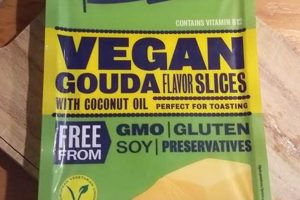
Flavor variations can be achieved through different base ingredients (cashews, almonds, soy, etc.), fermentation techniques, and the incorporation of herbs, spices, or fruits. Certain plant-based cheeses mimic the flavor profiles of conventional cheeses. Smoked vegan gouda can provide a smoky richness, while cultured cashew cheese can emulate the tanginess of goat cheese. The pairing of such cheeses with complementary accompanimentsolives, fruits, nuts, and crackersfurther enhances the overall flavor experience, creating a more nuanced and sophisticated presentation.
Achieving flavor profile diversity in plant-based selections presents a challenge due to the inherent limitations of available ingredients and production methods. Many commercially available options focus on milder, more approachable flavors, potentially overlooking the demand for more complex and assertive profiles. However, ongoing advancements in plant-based cheese-making are gradually expanding the range of flavor options available, contributing to the increasing viability of dairy-free curated boards as a compelling alternative to traditional offerings. This careful consideration of flavor directly influences the ultimate success and satisfaction derived from the presentation.
2. Textural Contrast

Textural contrast is a critical component in constructing a successful curated board featuring dairy-free cheeses. The absence of varying textures within the selection can render the experience monotonous and less appealing to the palate. A well-designed board incorporates a range of textures, from soft and spreadable to firm and sliceable, mirroring the textural complexity found in traditional dairy selections. The inclusion of diverse textures enhances the sensory experience, creating a more dynamic and satisfying presentation. Without adequate consideration of texture, a board may lack the necessary tactile interest to maintain engagement. For instance, a board composed solely of soft, cashew-based cheeses lacks the bite and mouthfeel that a firmer, aged almond cheese or a crumbly, cultured soy cheese would provide.
Achieving textural contrast requires careful consideration of the ingredients and production methods employed in crafting plant-based cheeses. Different base ingredients, such as nuts, seeds, and legumes, yield varying textures. Processing techniques, such as fermentation, aging, and the addition of texturizing agents, further influence the final product’s consistency. Practical application of this understanding involves selecting cheeses with distinct tactile properties. A creamy cashew-based brie can be paired with a firm, smoked almond cheddar and a crumbly, herbed tofu feta to create a balanced textural profile. This variety in texture ensures that each bite offers a unique sensory experience, preventing palate fatigue and encouraging continued exploration of the board.
In summary, textural contrast is not merely an aesthetic consideration but an essential element in elevating the quality and appeal of plant-based curated boards. The deliberate selection of cheeses with diverse textures contributes to a more engaging and satisfying culinary experience. While challenges remain in replicating the full range of textures found in traditional dairy cheeses, ongoing innovation in plant-based cheesemaking continues to expand the possibilities. The understanding and application of textural contrast principles are crucial for crafting dairy-free selections that rival their dairy counterparts in terms of complexity, appeal, and overall enjoyment.
3. Ingredient Composition

Ingredient composition is a paramount determinant in the suitability of a plant-based cheese for inclusion on a curated board. The specific ingredients not only dictate the flavor and texture profile but also influence the overall nutritional value and potential allergenicity of the product. A careful examination of the ingredient list is therefore crucial when selecting dairy-free cheeses to ensure a compelling and inclusive offering.
- Base Ingredients and Their Implications
The base ingredient, typically nuts (cashews, almonds), seeds (sunflower, pumpkin), legumes (soybeans), or a combination thereof, forms the foundation of the cheese. The choice of base ingredient directly impacts the flavor, texture, and nutritional content. Cashew-based cheeses often exhibit a creamy, mild flavor, whereas almond-based options tend to be firmer and possess a more distinct nutty taste. Soy-based cheeses may offer a higher protein content, while seed-based cheeses can provide a source of essential fatty acids. The origin and processing of these base ingredients also play a role in the final product’s quality and sustainability.
- Fats and Oils: Influencing Texture and Stability
The inclusion of fats and oils, such as coconut oil, olive oil, or cocoa butter, significantly affects the texture and stability of the plant-based cheese. Coconut oil, commonly used for its solidifying properties, can contribute a creamy texture but may also result in a distinct coconut flavor. Olive oil, on the other hand, imparts a smoother texture and a more subtle flavor profile. The type and proportion of fats and oils employed influence the cheese’s melting properties, spreadability, and overall mouthfeel. Additionally, the source and quality of these fats impact the nutritional value of the final product.
- Thickeners and Stabilizers: Structuring and Maintaining Form
Thickeners and stabilizers, such as tapioca starch, agar-agar, or carrageenan, are often incorporated to provide structure and maintain the cheese’s form. These ingredients prevent separation and ensure a cohesive texture. While generally considered safe, some individuals may experience digestive sensitivities to certain thickeners, such as carrageenan. The choice of thickener can also affect the cheese’s melting behavior and overall mouthfeel. Understanding the role and potential impact of these additives is essential for informed selection.
- Flavor Enhancers and Seasonings: Shaping the Taste Profile
Flavor enhancers and seasonings, including salt, herbs, spices, nutritional yeast, and fermented ingredients (such as miso or kombucha), contribute to the overall taste profile of the plant-based cheese. Nutritional yeast, a deactivated yeast with a savory, umami flavor, is often used to mimic the cheesy taste. Herbs and spices can add complexity and depth, while fermented ingredients introduce tangy or funky notes. The careful selection and balance of these flavor components are crucial for creating a compelling and authentic taste experience.
In conclusion, the ingredient composition of a plant-based cheese directly determines its suitability for a curated board. By carefully considering the base ingredients, fats and oils, thickeners and stabilizers, and flavor enhancers, it becomes possible to select options that offer a diverse range of flavors, textures, and nutritional profiles, ultimately enhancing the overall quality and appeal of the presentation. The selection should prioritize options that not only meet dietary requirements but also provide a satisfying and nuanced culinary experience.
4. Pairing Compatibility
The success of any curated platter featuring plant-based alternatives hinges significantly on pairing compatibility. The selection of dairy-free cheeses must extend beyond individual flavor profiles; it necessitates a comprehensive understanding of how those flavors interact with accompanying elements such as fruits, nuts, breads, and condiments. A cheese that excels in isolation may prove discordant when combined with other components, thereby undermining the overall dining experience. For instance, a cashew-based brie, characterized by its creamy texture and mild flavor, pairs harmoniously with fig jam and crusty bread, the sweetness of the jam accentuating the cheese’s subtle notes. Conversely, the same cheese may clash with strongly flavored olives or spicy charcuterie, the intensity of these elements overpowering its delicate flavor profile.
The art of pairing lies in identifying complementary and contrasting flavor combinations that enhance rather than detract from the individual components. A sharp, aged almond cheese, reminiscent of cheddar, often pairs well with crisp apples and walnuts, the fruit’s sweetness balancing the cheese’s sharpness, while the nuts contribute a textural counterpoint. Smoked plant-based cheeses, with their robust flavor profiles, benefit from pairings with sweet and tangy chutneys or grilled vegetables, the smoke notes complementing the sweetness and acidity of these accompaniments. Careful attention should be given to textural considerations as well, such as the contrast between a creamy cheese and a crunchy cracker or the interplay between a soft fruit and a firm cheese. Understanding how different flavors and textures interact allows for the creation of a balanced and harmonious platter.
Achieving optimal pairing compatibility in dairy-free cheese platters requires experimentation and a willingness to explore unconventional combinations. Challenges arise from the relatively limited range of flavor profiles available in commercially produced plant-based cheeses, making it essential to leverage complementary ingredients to create complexity and interest. By considering the interplay of flavors, textures, and aromas, a curated board can transcend mere dietary accommodation, becoming a showcase of culinary artistry. Pairing compatibility, therefore, emerges as a critical component in elevating plant-based cheese platters from simple alternatives to compelling culinary experiences.
5. Visual Appeal

The visual presentation significantly influences the perceived quality and desirability of any curated board, including those featuring plant-based cheeses. Sight is often the initial sense engaged, thereby establishing a critical first impression. A visually appealing platter suggests attention to detail, quality ingredients, and a thoughtful arrangement. Conversely, a poorly presented platter, regardless of the inherent quality of its components, may be perceived negatively. For instance, a selection of plant-based cheeses displayed haphazardly, lacking variety in color and shape, diminishes the perceived value of the offering, even if the cheeses are of exceptional flavor and texture. The visual dimension, therefore, operates as a vital component of the overall experience.
The integration of visual appeal necessitates a careful consideration of color palettes, shapes, and textures. Varied hues, ranging from the creamy white of a cashew-based brie to the vibrant orange of a paprika-infused almond cheese, create visual interest and depth. The incorporation of different shapes, such as rounds, wedges, and crumbled cheeses, adds another layer of complexity. Furthermore, the strategic placement of accompaniments, such as brightly colored fruits, glossy olives, and rustic crackers, enhances the visual narrative. One effective strategy involves using contrasting colors to highlight specific elements; for example, placing a dark-hued olive tapenade next to a pale plant-based cheese creates a striking visual juxtaposition that draws the eye. The inclusion of edible flowers or fresh herbs also elevates the visual presentation, adding a touch of elegance and sophistication.
In summation, visual appeal is not merely an aesthetic consideration but a fundamental element in the overall success of plant-based curated boards. A thoughtfully designed presentation enhances the perceived quality of the cheeses, encourages exploration, and contributes to a more satisfying culinary experience. Challenges associated with achieving visual appeal in plant-based presentations often stem from the limited range of colors and textures available in commercially produced cheeses; however, strategic use of accompaniments and creative plating techniques can effectively address these limitations, transforming a simple assortment of cheeses into a visually stunning and engaging culinary display.
Frequently Asked Questions
This section addresses common inquiries regarding the selection and utilization of plant-based cheeses in curated platters, providing clarity on essential aspects of this culinary practice.
Question 1: Is it possible to create a vegan charcuterie board that is as satisfying as a traditional one?
A well-planned vegan charcuterie board can offer a highly satisfying culinary experience. Careful selection of cheeses based on flavor, texture, and pairing compatibility, combined with complementary accompaniments, yields a sophisticated and flavorful alternative.
Question 2: What are the most common ingredients used in making vegan cheese?
Common base ingredients include nuts (cashews, almonds), seeds (sunflower, pumpkin), and legumes (soybeans). Other ingredients include plant-based oils, thickeners (tapioca starch, agar-agar), and flavor enhancers (nutritional yeast, herbs, spices).
Question 3: How does the taste of vegan cheese compare to dairy cheese?
The taste of plant-based cheese varies depending on the ingredients and production methods used. Some plant-based cheeses closely mimic the flavor profiles of traditional dairy cheeses, while others offer distinct and unique flavor characteristics. Expectations should be managed; a direct one-to-one flavor replication is not always achievable.
Question 4: What should be considered when pairing vegan cheese with other items on a charcuterie board?
Pairing considerations include flavor compatibility, textural contrast, and overall balance. Complementary elements, such as fruits, nuts, olives, crackers, and condiments, should be selected to enhance the flavors and textures of the cheeses.
Question 5: What are the storage requirements for vegan cheese?
Storage requirements vary depending on the specific type of plant-based cheese. Adherence to the manufacturer’s instructions, typically involving refrigeration and proper sealing, ensures optimal freshness and longevity.
Question 6: Are there any common allergens to be aware of in vegan cheese?
Common allergens include nuts (cashews, almonds), soy, and coconut. Careful review of the ingredient list is essential to identify and avoid potential allergens.
The selection of appropriate components, including both plant-based cheeses and their accompaniments, contributes significantly to the overall success of a curated platter. Paying attention to these details ensures a satisfying culinary experience for all participants.
The following section provides insights on recipes utilizing plant-based alternatives.
Concluding Remarks
This exploration has illuminated the complexities inherent in selecting suitable plant-based cheeses for curated platters. Emphasis has been placed on the critical evaluation of flavor profiles, textural diversity, ingredient composition, pairing compatibility, and visual presentation. The successful assembly of a dairy-free selection demands a nuanced understanding of these factors to ensure a cohesive and satisfying culinary experience.
The continued innovation within plant-based cheesemaking signifies a promising trajectory for the future of inclusive dining. Further development of complex flavor profiles and enhanced textural replication will be crucial in elevating these alternatives. The discerning application of the principles outlined herein will empower culinary professionals and enthusiasts alike to craft plant-based offerings that rival their traditional counterparts in both quality and appeal. The onus remains on consumers and producers to drive demand for ethically sourced, high-quality ingredients, thereby fostering a sustainable and inclusive food landscape.