The question of whether this popular appetizer aligns with vegan dietary principles centers on the composition of both the wrapper and the filling. Rice paper, typically used for the outer layer, is generally plant-based. However, the ingredients within can vary significantly; some common fillings include vegetables, while others incorporate meat, shrimp, or other animal-derived products. For instance, a version containing pork and shrimp would obviously not adhere to a vegan lifestyle.
Understanding the contents is crucial for individuals following a plant-based diet. Determining ingredient sourcing is key when consuming this food item outside of the home. Historically, the dish has evolved with regional variations, each with its own specific blend of ingredients. Recognizing this history allows for informed choices when navigating different versions of the dish.
The following sections will explore common non-vegan ingredients often found inside, offer guidance on identifying plant-based variations, and provide options for preparing a guaranteed plant-based version at home. These sections aim to give the reader the tools to confidently determine if a given dish aligns with their dietary preferences.
Guidance on Plant-Based Spring Roll Consumption
This section outlines essential guidelines for verifying the suitability of spring rolls for vegan consumption.
Tip 1: Inquire About Ingredients: Always directly ask about the specific components, particularly concerning sauces and fillings. Ingredient lists, when available, should be scrutinized for animal-derived products such as fish sauce, shrimp paste, or egg.
Tip 2: Scrutinize Sauces: Dipping sauces frequently contain non-vegan ingredients. Hoisin sauce may include fish-based components, and peanut sauce might be prepared with honey. Verify the composition of all accompanying sauces.
Tip 3: Examine Wrapper Composition: While rice paper is generally vegan, some wrappers might contain trace amounts of non-vegan additives. Review the ingredients list if possible, or inquire with the establishment regarding the brand they use.
Tip 4: Identify Hidden Ingredients: Some preparations include seemingly innocuous components that are not plant-based. For example, vegetable broths used for cooking fillings may contain animal products.
Tip 5: Opt for Transparency: Patronize establishments that clearly label their menu items with dietary information. This greatly reduces the risk of unintentional consumption of non-vegan ingredients.
Tip 6: Prepare at Home: The most reliable method for ensuring adherence to vegan principles is to prepare the dish oneself. This provides complete control over all ingredients and preparation methods.
Adhering to these guidelines allows for the informed and confident enjoyment of spring rolls within the parameters of a vegan lifestyle.
The subsequent section will explore recipes and resources for creating plant-based spring roll alternatives.
1. Wrapper Composition

The composition of the wrapper plays a pivotal role in determining the vegan suitability. While traditionally crafted from rice paper, variations exist that may incorporate non-vegan ingredients, thus impacting its overall compatibility with plant-based diets. Understanding the nuances of wrapper ingredients is essential for informed decision-making.
- Rice Paper Base
The standard rice paper wrapper is typically vegan, consisting of rice flour, tapioca flour, water, and salt. This combination provides a translucent, pliable sheet ideal for encasing fillings. However, sourcing verification is necessary to confirm the absence of undisclosed additives.
- Potential Additives
Certain manufacturers may introduce additives to enhance texture, appearance, or shelf life. While uncommon, these additives could include animal-derived ingredients. Careful scrutiny of ingredient lists is paramount, particularly for pre-packaged or commercially produced wrappers.
- Glutinous Rice Flour Blends
Wrappers utilizing a blend of rice flour and glutinous rice flour are generally vegan. Glutinous rice flour contributes to a chewier texture without compromising the plant-based nature of the product. The proportion of each flour can influence the final texture.
- Cross-Contamination Risks
Even if the wrapper ingredients are inherently vegan, cross-contamination during manufacturing or storage remains a concern. Facilities that also process non-vegan items may inadvertently introduce trace amounts of animal products. Prioritizing wrappers from dedicated vegan facilities mitigates this risk.
These facets highlight the importance of due diligence when assessing the wrapper component. By understanding the typical composition, potential additives, and risks of contamination, individuals can more confidently determine whether a particular product aligns with vegan dietary principles. The choice of wrapper directly influences whether the final product qualifies as vegan.
2. Filling Ingredients

The composition of the filling is the most critical determinant of vegan status. While the wrapper often adheres to vegan principles, the diverse range of ingredients incorporated within the roll significantly impacts its suitability for plant-based diets. Discerning these ingredients is therefore paramount.
- Fresh Vegetables
Fresh vegetables such as carrots, cucumbers, lettuce, and bean sprouts form the foundation of many plant-based fillings. The utilization of fresh, unprocessed vegetables ensures a naturally vegan base. However, the preparation method must be verified to exclude non-vegan additions such as animal-based cooking oils or seasonings.
- Tofu and Plant-Based Proteins
Tofu, tempeh, and other plant-based protein sources serve as substantial and protein-rich alternatives to meat or seafood. These ingredients contribute a satisfying texture and nutritional value to the filling. The source of the protein and any accompanying marinades or sauces must be assessed for vegan compliance.
- Noodles and Starches
Rice noodles or vermicelli are commonly incorporated to add texture and substance. These are generally vegan, but it’s important to confirm that they have not been cooked in a broth or seasoned with non-vegan ingredients. Sweet potato noodles or other starches can also be used, providing different textures and nutritional profiles.
- Prohibited Animal Products
The presence of meat (pork, chicken, beef), seafood (shrimp, crab, fish), or eggs within the filling immediately renders the spring roll non-vegan. Fish sauce, often used as a seasoning in Southeast Asian cuisine, is a common hidden ingredient. Meticulous scrutiny of ingredient lists or direct communication with food vendors is necessary to avoid these prohibited items.
The aforementioned facets collectively underscore the critical role of filling ingredients in determining whether a spring roll aligns with vegan principles. The inherent variability in fillings necessitates diligent inquiry and careful ingredient assessment to ensure compliance with plant-based dietary requirements. Ultimately, the conscious selection and verification of filling ingredients are crucial for individuals seeking to consume vegan spring rolls.
3. Sauce Components

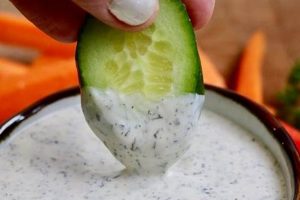
The dipping sauce served alongside often dictates whether spring rolls maintain vegan integrity. The ingredients commonly found in such sauces present significant areas of concern for plant-based diets. Many traditional Asian dipping sauces rely on animal-derived products for flavoring, creating a potential source of non-vegan contamination. Understanding the composition of these sauces is, therefore, crucial in determining the compatibility with vegan dietary restrictions. For instance, hoisin sauce frequently contains fish sauce or oyster sauce, both of which are derived from marine animals. Peanut sauce, while often plant-based in its primary ingredients, might incorporate honey as a sweetener, thereby rendering it unsuitable for strict vegans.
Examining the ingredient list or inquiring directly about the sauce’s components are necessary steps. Soy sauce, a common alternative, is typically vegan, but its production methods can sometimes involve non-vegan clarifying agents. Sweet chili sauce may contain fish sauce as well. A thorough assessment of each sauce is essential. A practical approach involves requesting sauces served separately to allow for individual evaluation and selection. Real-life examples abound where seemingly safe sauces contain hidden non-vegan ingredients, underscoring the need for vigilance.
In summary, the composition of dipping sauces presents a key challenge to maintaining a vegan diet when consuming spring rolls. The presence of fish sauce, honey, or other animal-derived products in these sauces negates the vegan status of the entire dish. Careful scrutiny of ingredients, direct inquiry, and a preference for transparent labeling are essential strategies for mitigating this risk and ensuring adherence to plant-based principles. The seemingly minor component of the sauce can have a major impact on whether a spring roll truly meets vegan criteria.
4. Preparation Method

The preparation method is a significant factor in determining whether spring rolls are vegan. Even with inherently vegan ingredients, improper handling or cooking techniques can introduce non-vegan elements, thereby compromising the dish’s adherence to plant-based principles.
- Cooking Oil Selection
The choice of cooking oil is crucial. If the filling ingredients are stir-fried or otherwise cooked, the oil must be plant-based. Animal fats, such as lard, or butter would render the spring rolls non-vegan. Furthermore, if the same oil is used to cook non-vegan items, cross-contamination becomes a concern.
- Utensil and Surface Cross-Contamination
Using the same cutting boards, knives, or pans to prepare both vegan and non-vegan ingredients introduces a risk of cross-contamination. Minute traces of meat, seafood, or eggs can transfer to the vegan components. Dedicated utensils and surfaces should be used for vegan food preparation.
- Broth Utilization
Some recipes call for lightly cooking vegetables in broth before incorporating them into the filling. The broth must be carefully scrutinized. Many commercially available broths contain animal products, such as chicken or beef. Using a vegetable broth prepared separately with clearly vegan ingredients is essential.
- Deep-Frying Considerations
While less common, if the spring rolls are deep-fried, the frying oil becomes a significant point of concern. The same principles regarding oil selection apply, but the risk of cross-contamination increases in a shared fryer. Spring rolls prepared in a fryer previously used for animal products are not suitable for vegans.
These facets of the preparation method underscore the importance of detailed understanding and control over the cooking process. Even with a comprehensive knowledge of individual ingredients, lack of attention to cooking techniques can inadvertently introduce non-vegan elements. The integrity of vegan spring rolls hinges on meticulous adherence to plant-based practices throughout the entire preparation process.
5. Cross-Contamination

The potential for cross-contamination is a significant consideration when assessing whether spring rolls align with vegan dietary requirements. This issue arises primarily during preparation in environments where both vegan and non-vegan foods are handled. Cross-contamination occurs when animal products inadvertently come into contact with plant-based ingredients or surfaces, thereby introducing trace amounts of non-vegan substances into the dish. The effect is to render the spring roll unsuitable for individuals adhering to strict vegan principles. A prime example is the use of a cutting board or cooking utensil previously used for meat preparation, without thorough cleaning, before preparing vegetables for the spring roll filling.
The importance of preventing cross-contamination stems from the ethical and dietary motivations of veganism. Even minute quantities of animal products can be objectionable to those following a plant-based lifestyle. In commercial kitchens, shared fryers used for both vegetable spring rolls and breaded shrimp pose a notable risk. Similarly, a wok or pan used for cooking meat and subsequently used to stir-fry vegetable fillings without adequate cleaning can lead to unacceptable contamination. The practical significance of understanding this issue lies in empowering consumers to make informed choices when dining out or purchasing pre-made spring rolls, necessitating direct inquiry about kitchen practices.
In conclusion, the risk of cross-contamination presents a critical challenge to maintaining the vegan status of spring rolls. This challenge necessitates vigilance and careful evaluation of food preparation practices. Addressing this issue requires both transparency from food establishments and heightened awareness among consumers. By recognizing the potential for cross-contamination and taking proactive steps to mitigate it, individuals can more confidently navigate the complexities of vegan dining and ensure that their food choices align with their dietary commitments.
Frequently Asked Questions
The following addresses common inquiries regarding the compatibility of spring rolls with vegan dietary principles. These questions seek to clarify ambiguities and provide concise, informative answers.
Question 1: Is the rice paper wrapper inherently vegan?
Generally, yes. Traditional rice paper wrappers consist of rice flour, tapioca flour, water, and salt, all of which are plant-based. However, scrutiny of ingredient lists is advised to rule out any undisclosed additives.
Question 2: What are the most common non-vegan filling ingredients?
Meat (pork, chicken, beef), seafood (shrimp, crab, fish), and egg products are the most frequently encountered non-vegan filling components. Fish sauce, often used as a seasoning, is another common hidden ingredient.
Question 3: Can dipping sauces compromise the vegan status?
Absolutely. Many traditional Asian dipping sauces contain fish sauce, oyster sauce, or honey, rendering them unsuitable for vegans. Inquiry about the ingredients of all sauces is essential.
Question 4: How significant is the risk of cross-contamination?
Cross-contamination poses a tangible risk in establishments handling both vegan and non-vegan foods. Shared cooking surfaces, utensils, and fryers can transfer trace amounts of animal products, compromising the dish’s vegan integrity.
Question 5: What specific questions should be asked when ordering spring rolls in a restaurant?
Inquire about all ingredients in the filling, wrapper, and dipping sauce. Specifically ask whether any animal products are used, including fish sauce or animal-based broths. Confirm whether dedicated cooking equipment is used for vegan items.
Question 6: Are there reliable ways to ensure spring rolls are vegan?
The most reliable method is to prepare them at home, ensuring complete control over all ingredients and preparation methods. Patronizing restaurants with clear vegan labeling and transparent ingredient lists can also provide reassurance.
In summation, determining the vegan status of spring rolls necessitates careful consideration of each component, from the wrapper to the dipping sauce, and an awareness of potential cross-contamination issues. Diligence and informed inquiry are key to making appropriate dietary choices.
The following section provides resources for finding or preparing reliably plant-based spring roll options.
Concluding Remarks
The preceding analysis clarifies the multifaceted nature of determining whether this dish adheres to vegan principles. The vegan status is contingent upon the composition of the wrapper, the filling ingredients, the components of the dipping sauce, the preparation method, and the potential for cross-contamination. Rigorous scrutiny of each aspect is essential for individuals following a plant-based diet.
The complexity inherent in this assessment underscores the importance of informed consumer choices and transparent food labeling practices. Whether purchasing from a restaurant or preparing at home, diligent attention to detail is necessary to ensure compliance with vegan dietary commitments. The informed consumer can therefore navigate these complexities and confidently enjoy spring rolls within their chosen dietary framework.