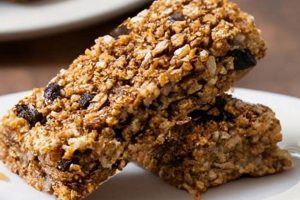
The confections at hand represent a fusion of plant-based dietary principles and the comforting indulgence of a classic dessert. These baked goods utilize sweet potatoes as a primary ingredient, replacing traditional components like butter and eggs with vegan-compatible alternatives to achieve a similar texture and flavor profile. For instance, a recipe might incorporate flaxseed meal as an egg substitute and coconut oil in lieu of butter.
These items hold significance due to their capacity to cater to individuals adhering to vegan lifestyles while still offering a satisfying treat. Furthermore, the incorporation of sweet potatoes contributes nutritional value, introducing vitamins, fiber, and antioxidants not typically found in conventional brownies. Historically, vegan baking has evolved to replicate familiar desserts using innovative ingredient substitutions, reflecting a growing awareness of dietary choices and ethical consumption.
The following sections will explore aspects such as ingredient selection, preparation techniques, nutritional considerations, and variations within the scope of this particular kind of plant-based baked good. Each element contributes to the overall characteristics and appeal of this confection.
Preparation Guidance
The subsequent guidelines offer insights into optimizing the creation of this specific baked item, emphasizing techniques for achieving desired texture and flavor profiles.
Tip 1: Ingredient Quality: Select high-quality sweet potatoes. Roasting the sweet potatoes prior to incorporation intensifies their natural sweetness and enhances overall flavor depth.
Tip 2: Binding Agent Selection: When replacing eggs, consider a flaxseed meal slurry (flaxseed meal mixed with water). This provides binding and moisture crucial for the correct brownie consistency. Chia seeds can also be used but yield slightly different results.
Tip 3: Fat Source Consideration: Coconut oil or other plant-based oils influence texture. Coconut oil, in particular, imparts a subtle flavor and a denser texture. Adjust the amount based on desired outcome.
Tip 4: Chocolate Incorporation: Opt for high-quality cocoa powder or vegan chocolate chips. Dark chocolate contributes a richer flavor that complements the sweet potato’s inherent sweetness. Verify the absence of dairy derivatives in chocolate products.
Tip 5: Sweetness Control: Adjust the sweetener quantity based on the sweet potato’s natural sugar content. Maple syrup or agave nectar are commonly used vegan sweeteners. Sample the sweet potato puree for its inherent sweetness before adding additional sweeteners.
Tip 6: Mixing Technique: Avoid overmixing the batter. Overmixing develops gluten, resulting in a tougher brownie. Gently fold wet and dry ingredients together until just combined.
Tip 7: Baking Time Precision: Monitor baking time carefully. Overbaking results in dry brownies. A toothpick inserted into the center should come out with moist crumbs attached.
Tip 8: Cooling Process: Allow the brownies to cool completely before cutting. This allows the structure to set, preventing crumbling. Refrigeration further enhances firmness.
Adherence to these recommendations can contribute to a successful outcome, characterized by desired texture, flavor, and visual appeal.
The next segment will cover potential ingredient variations and their effects on the final product.
1. Texture and Moisture

Texture and moisture are critical attributes of palatable baked goods. In the context of these plant-based brownies, the challenge lies in replicating the expected mouthfeel without the inclusion of conventional binding agents such as eggs and dairy fats. The selection and application of ingredients directly influences the attainment of a desirable internal structure and moistness.
- Sweet Potato Composition
The specific starch composition and water content of sweet potatoes play a vital role. When pureed, sweet potato introduces both moisture and natural sugars, contributing to a softer crumb. The ratio of sweet potato to other dry ingredients necessitates careful calibration to prevent a gummy or overly dense final product.
- Plant-Based Fat Integration
Fats contribute significantly to both texture and moisture retention. Coconut oil, for example, solidifies at cooler temperatures, potentially leading to a firmer texture if used in excess. Conversely, liquid plant-based oils, such as canola or sunflower oil, contribute to a more tender crumb. The type and quantity of fat must be carefully considered to achieve the desired balance.
- Flour Selection and Hydration
The choice of flour influences moisture absorption and gluten development. All-purpose flour results in a chewier texture due to its gluten content. Gluten-free flour blends, often incorporating ingredients like rice flour and tapioca starch, necessitate increased hydration to compensate for reduced gluten development, ensuring adequate moisture retention.
- Moisture Retention Strategies
Beyond ingredient selection, certain techniques enhance moisture retention. Adding a small amount of applesauce or other fruit purees can increase the overall moisture content without significantly altering flavor. Moreover, careful monitoring of baking time prevents over-drying, preserving the internal moistness of the brownies.
Achieving optimal texture and moisture within these plant-based brownies necessitates a nuanced understanding of ingredient interactions and their impact on the final product. Careful manipulation of these parameters allows for the creation of a satisfying and texturally appealing confection that aligns with vegan dietary principles.
2. Nutritional Profile

The nutritional profile represents a critical consideration when evaluating the merits of this confection. By leveraging the inherent nutritional attributes of sweet potatoes and plant-based alternatives, this variation aims to offer a dessert option that transcends mere indulgence.
- Vitamin A Contribution
Sweet potatoes are a significant source of Vitamin A, present as beta-carotene. In this baked item, the sweet potato component enhances the Vitamin A content compared to traditional brownies, which typically lack this nutrient. Vitamin A plays a role in vision, immune function, and cell growth, contributing to the overall nutritional value.
- Fiber Content Augmentation
The inclusion of sweet potatoes introduces dietary fiber, a component often deficient in processed desserts. Fiber contributes to satiety, regulates blood sugar levels, and supports digestive health. While the specific fiber content varies based on recipe formulation and sweet potato quantity, it represents a notable nutritional advantage.
- Plant-Based Fat Sources and Implications
Traditional brownies often rely on butter for fat content. This variation uses plant-based fats, such as coconut oil or avocado oil. The selection of fat source impacts the overall fatty acid profile. Coconut oil, for example, is high in saturated fat, whereas avocado oil provides monounsaturated fats. Awareness of these differences allows for informed dietary choices.
- Reduced Refined Sugar Potential
Sweet potatoes possess inherent sweetness, potentially reducing the need for large quantities of refined sugar. While sugar remains a component of most dessert recipes, the natural sweetness of the sweet potato offers an opportunity to decrease the reliance on added sugars, contributing to a healthier nutritional profile. Substituting refined sugar with maple syrup or agave nectar introduces trace minerals that are absent in processed white sugar.
In summary, the nutritional profile of this baked item is significantly influenced by the presence of sweet potatoes and the substitution of animal-derived ingredients with plant-based alternatives. The resulting confection offers a distinct nutritional composition compared to traditional brownies, particularly regarding Vitamin A, fiber content, and fat source. While it remains a dessert and should be consumed in moderation, it presents a nutritionally enhanced alternative.
3. Ingredient Substitutions

Ingredient substitutions represent a foundational aspect of creating the plant-based version of this particular confection. Successfully replacing animal-derived ingredients with suitable vegan alternatives is essential for replicating the texture, flavor, and structural integrity of traditional brownies.
- Egg Replacement
In traditional baking, eggs serve as a binding agent, adding moisture and contributing to the overall structure. In this context, flaxseed meal or chia seed “eggs” are commonly employed. These are created by mixing ground flaxseed or chia seeds with water, forming a gelatinous substance that mimics the binding properties of eggs. The use of applesauce or mashed banana can also provide moisture and binding capabilities, influencing the final brownie texture.
- Dairy Fat Replacement
Butter, a key component in conventional brownie recipes, is replaced by plant-based fats. Coconut oil, vegan butter alternatives (often composed of plant oils like palm or soybean oil), or even olive oil can be utilized. The choice of fat impacts both flavor and texture; coconut oil, for instance, yields a slightly denser brownie, while other oils may result in a more cake-like consistency.
- Dairy Milk Replacement
Cow’s milk is typically replaced with plant-based milks such as almond milk, soy milk, oat milk, or cashew milk. Each plant-based milk offers a unique flavor profile and varying fat content, which can subtly influence the brownie’s taste and moistness. Unsweetened varieties are often preferred to avoid adding excess sugar to the recipe.
- Refined Sugar Alternatives
While not always necessary, refined sugar can be replaced with less processed alternatives. Maple syrup, agave nectar, or coconut sugar are commonly used vegan sweeteners. These sweeteners may contribute slightly different flavor nuances and impact the brownie’s overall sweetness level. Additionally, the liquid nature of maple syrup or agave nectar may necessitate slight adjustments to the overall liquid content of the recipe.
The successful execution of ingredient substitutions is paramount in achieving a palatable and structurally sound result. Careful consideration must be given to the specific characteristics of each ingredient alternative and its impact on the final baked product. By thoughtfully selecting and incorporating these substitutions, a plant-based brownie can effectively mimic the qualities of its traditional counterpart.
4. Flavor Complementarity

The concept of flavor complementarity is crucial in the development of successful recipes, particularly when modifying established culinary creations to accommodate specific dietary restrictions. In the context of plant-based sweet potato brownies, flavor complementarity refers to the strategic selection and combination of ingredients that enhance the inherent sweetness and earthy notes of the sweet potato, creating a balanced and appealing sensory experience. Without careful consideration of flavor profiles, the resulting brownie may lack depth, complexity, or even palatability.
The inherent sweetness of sweet potato pairs well with ingredients possessing bitter or warm spice characteristics. For example, the addition of dark cocoa powder provides a counterpoint to the sweet potato’s sugar content, introducing a subtle bitterness that prevents the brownie from becoming cloying. Spices like cinnamon, nutmeg, or ginger further enhance flavor complexity, adding warmth and aromatic notes that complement both the sweet potato and the cocoa. Vanilla extract serves as a bridge, harmonizing disparate flavors into a cohesive whole. Real-world examples demonstrate this principle: a plant-based brownie recipe using only sweet potato and sweetener might be perceived as one-dimensional, while the addition of cocoa and spices elevates it to a more sophisticated and satisfying dessert.
Understanding the principles of flavor complementarity is therefore vital for individuals seeking to create appealing plant-based brownies. This understanding allows for the creation of recipes that balance sweetness, bitterness, and spice elements effectively, resulting in a more complex and delicious dessert experience. Challenges exist in achieving the correct balance, as individual preferences vary. By focusing on tested flavor combinations and understanding how different ingredients interact, a successful result is far more achievable and delicious.
5. Dietary Adaptability

The creation of plant-based sweet potato brownies is directly linked to the concept of dietary adaptability, reflecting an increasing consumer demand for food options that cater to diverse dietary requirements and ethical considerations. The central cause lies in the growing prevalence of veganism, vegetarianism, and sensitivities to common allergens such as dairy and eggs. Consequently, food producers and home bakers alike have sought to modify traditional recipes to align with these dietary restrictions. Without this focus on dietary adaptability, the creation of plant-based variations of classic desserts such as brownies would not exist.
Dietary adaptability, as a core component of plant-based sweet potato brownies, manifests in the careful substitution of traditional ingredients with vegan-compatible alternatives. Eggs are replaced with flaxseed meal or applesauce, dairy butter is substituted with plant-based oils or vegan butter alternatives, and conventional milk is exchanged for almond, soy, or oat milk. The practical significance of this lies in providing individuals with dietary restrictions access to a dessert experience that they would otherwise be excluded from. This adaptability extends beyond strict veganism, as sweet potatoes themselves can be beneficial for individuals with certain dietary needs, such as those managing blood sugar levels or seeking increased fiber intake. For instance, individuals with lactose intolerance can enjoy a brownie prepared with plant-based milk, mitigating digestive distress associated with conventional dairy products. The very existence of these items caters to an array of ethical and health considerations.
In summary, plant-based sweet potato brownies are a direct result of the emphasis on dietary adaptability within the food industry and culinary practices. Challenges persist in replicating the exact texture and flavor of traditional brownies using solely plant-based ingredients; however, ongoing innovation and experimentation continue to refine recipes. The increasing availability and consumer acceptance of these items underscore the growing importance of catering to diverse dietary needs and preferences in the broader context of food production and consumption.
Frequently Asked Questions
The following questions address common inquiries and misconceptions regarding vegan sweet potato brownies, providing clarity and factual information.
Question 1: Are these brownies truly vegan, given the complexities of ingredient sourcing?
These brownies are formulated to exclude all animal-derived ingredients. Careful scrutiny of ingredient labels is necessary to ensure that components such as chocolate chips and sugar are processed without the use of animal byproducts, such as bone char.
Question 2: Does the inclusion of sweet potato significantly alter the overall flavor profile compared to traditional brownies?
While the sweet potato contributes a subtle sweetness and earthy undertone, the overall flavor is predominantly chocolate. The selection of high-quality cocoa powder and other flavorings, such as vanilla extract, masks the sweet potato flavor to an extent.
Question 3: What are the primary textural differences between vegan sweet potato brownies and conventional brownies?
Vegan sweet potato brownies may exhibit a slightly denser and chewier texture due to the absence of eggs and the use of plant-based binding agents. The moisture content may also differ, potentially resulting in a slightly softer or more fudgy consistency.
Question 4: How does the nutritional content of vegan sweet potato brownies compare to that of standard brownies?
Vegan sweet potato brownies generally offer a higher vitamin A and fiber content due to the sweet potato component. The fat content and type can vary depending on the chosen plant-based oil. Sugar content remains a factor to consider.
Question 5: Can vegan sweet potato brownies be successfully frozen and thawed without compromising their texture or flavor?
Yes, these brownies can be frozen for extended storage. Proper wrapping to prevent freezer burn is crucial. Thawing at room temperature is recommended to preserve texture; microwaving may alter consistency.
Question 6: What are common challenges encountered when baking vegan sweet potato brownies, and how can they be avoided?
Common challenges include achieving the correct moisture balance, avoiding a gummy texture, and ensuring adequate binding. Careful measurement of ingredients, proper mixing techniques, and precise baking times are essential for successful results.
The vegan sweet potato brownie represents a plant-based dessert option with unique compositional and nutritional characteristics. Adherence to established baking principles ensures optimal results.
The next section will address potential variations and recipe modifications.
Conclusion
This exposition has presented a detailed analysis of vegan sweet potato brownies, exploring aspects ranging from ingredient substitutions and preparation techniques to nutritional considerations and dietary adaptability. The item represents a convergence of culinary innovation and dietary awareness, offering a plant-based alternative to a classic confection.
The pursuit of palatable and nutritionally sound plant-based desserts signifies a continuing trend within the food industry. Future developments may include the incorporation of novel ingredients, refinement of existing recipes, and a greater emphasis on sustainability within the production and distribution chains. The significance of the subject matter extends beyond mere culinary interest, reflecting broader societal shifts towards ethical consumption and dietary inclusivity.