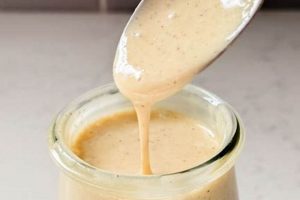
A plant-based confection, this item replicates the texture and sweetness of traditional marshmallow cream. It is typically produced using ingredients such as aquafaba (chickpea brine), sugar, and vanilla extract to achieve a similar light and fluffy consistency. Recipes often incorporate stabilizers like cream of tartar or xanthan gum to maintain its structure. It can be used as a topping for desserts, a filling for baked goods, or an ingredient in other sweet treats.
This alternative offers a solution for individuals adhering to vegan diets or those with sensitivities to gelatin, a common animal-derived ingredient in conventional marshmallow products. Its emergence reflects a growing demand for plant-based alternatives across various food categories. The historical development of vegan substitutes highlights a shift toward more inclusive and sustainable food production practices.
The following sections will delve into the specific ingredients used in its production, its applications in various recipes, and a comparison of different commercially available brands. Further examination will include its nutritional profile and potential impact on dietary choices. Understanding these aspects can help consumers make informed decisions about incorporating it into their culinary endeavors.
Tips for Working with Vegan Marshmallow Cream
Optimal results when using this product require consideration of its unique characteristics. The following tips provide guidance for successful integration into recipes and culinary applications.
Tip 1: Stabilize Aquafaba Properly: The success of recipes utilizing aquafaba as a base hinges on proper stabilization. Ensure aquafaba is whipped to stiff peaks before incorporating other ingredients. Insufficient stabilization may result in a liquid or collapsing final product.
Tip 2: Adjust Sweetness Levels: Plant-based alternatives to conventional sweeteners can affect the final sweetness. Evaluate the sweetness profile of the specific sweetener used and adjust quantities accordingly. This helps prevent an overly sweet or under-sweetened outcome.
Tip 3: Manage Moisture Content: Due to the absence of gelatin, moisture control is crucial. Excessive moisture can lead to a softer, less stable consistency. Consider reducing liquid ingredients slightly to compensate.
Tip 4: Consider Xanthan Gum or Other Stabilizers: Xanthan gum or other stabilizers can improve the texture and stability. These ingredients enhance the viscosity, preventing separation and maintaining the product’s form, particularly in baking applications.
Tip 5: Use Immediately or Store Properly: Homemade batches are often best used immediately after preparation. If storage is necessary, ensure proper refrigeration in an airtight container to maintain quality and prevent spoilage.
Tip 6: Incorporate Flavorings Thoughtfully: Flavorings should be added judiciously. Extracts, such as vanilla or almond, can enhance the flavor profile. However, excessive use may alter the texture or create an overpowering taste.
Adhering to these guidelines can maximize the potential of this ingredient in various culinary endeavors, leading to satisfactory and consistent results. By understanding its properties and adapting techniques accordingly, users can effectively leverage its versatility.
The subsequent sections will explore its uses in specific recipes, allowing for a practical demonstration of the preceding tips.
1. Plant-Based Origins

The concept of plant-based origins is fundamental to understanding this type of dessert topping. It dictates the sourcing and nature of ingredients, directly influencing its suitability for specific dietary requirements and ethical considerations. This element distinguishes it from traditional marshmallow cream, which relies on animal-derived components.
- Sourcing of Ingredients
Plant-based production necessitates the acquisition of ingredients from non-animal sources. This includes substituting gelatin, typically derived from animal collagen, with plant-derived alternatives such as agar-agar (from seaweed) or pectin (from fruits). The origin of sugar, oils, and flavorings must also be verified to ensure they align with plant-based standards. This rigorous sourcing requirement adds complexity to its manufacturing process.
- Replacement of Gelatin
Gelatin serves as a crucial gelling agent in conventional marshmallow cream, providing its characteristic texture. Replacing it with plant-based alternatives requires careful experimentation to achieve a comparable consistency and stability. Aquafaba, a byproduct of chickpea cooking, has emerged as a prominent substitute due to its whipping properties. This replacement necessitates adjustments to traditional recipes and processing techniques.
- Ethical Considerations
Plant-based origins directly address ethical concerns associated with animal product consumption. By eliminating animal-derived ingredients, it aligns with vegan principles and reduces the demand for animal agriculture. This ethical dimension appeals to consumers seeking products that minimize their environmental and animal welfare impact.
- Environmental Impact
Plant-based agriculture generally has a lower environmental footprint compared to animal agriculture. The production of plant-based ingredients often requires less land, water, and energy, contributing to a more sustainable food system. Choosing these type of dessert toppings can therefore represent a conscious effort to reduce one’s environmental impact. It is important to investigate each company that manufactures this product, and learn more about each company that is doing its part to save and preserve the enviroment.
The reliance on plant-based origins fundamentally reshapes the production and consumption of marshmallow cream. By prioritizing ethical sourcing, gelatin replacement, and environmental considerations, this plant-based alternative offers a compelling option for consumers seeking sustainable and animal-friendly choices. Its emergence illustrates the increasing demand for plant-based products and the ongoing innovation in the food industry to meet these demands.
2. Gelatin-Free Formulation

Gelatin-free formulation is a defining characteristic of vegan marshmallow cream, arising from the exclusion of animal-derived ingredients. The absence of gelatin, traditionally used for its gelling and stabilizing properties in conventional marshmallow products, necessitates alternative ingredients and processes. This requirement is not merely a substitution; it fundamentally alters the chemical and textural properties of the final product. For example, where a standard marshmallow cream would rely on gelatin’s peptide chains to create a stable foam, a vegan formulation must achieve similar results using plant-based hydrocolloids such as agar-agar, carrageenan, or modified starches. The success of a gelatin-free formulation is therefore critical in replicating the expected sensory experience.
The importance of a gelatin-free formulation extends beyond the technical challenge of ingredient substitution. It addresses a core ethical consideration for vegan consumers and individuals with specific dietary restrictions, such as those observing Kosher or Halal practices. The explicit labeling of a product as gelatin-free provides assurance that no animal by-products are present. This is particularly important given the potential for “hidden” animal ingredients in processed foods. Furthermore, the development and adoption of gelatin-free formulations promote innovation in food technology, leading to the exploration of new plant-based ingredients and processing methods. This can have broader implications for the food industry, encouraging more sustainable and ethical practices.
In conclusion, gelatin-free formulation is intrinsically linked to the definition and practicality of vegan marshmallow cream. It represents not only a compositional difference but also an ethical commitment and a driver of technological innovation. While the challenge of replicating the functional properties of gelatin requires careful consideration of ingredient selection and processing, the result is a product that meets the needs and values of a growing segment of consumers. The ongoing refinement of gelatin-free formulations promises to further expand the availability and quality of plant-based alternatives in the food market.
3. Aquafaba Substitution

The utilization of aquafaba represents a pivotal development in the formulation of vegan marshmallow cream. It serves as a plant-based alternative to egg whites, traditionally employed for their foaming and stabilizing properties, thereby enabling the creation of a similar aerated texture without animal-derived ingredients.
- Foaming Capacity
Aquafaba, the liquid derived from cooked chickpeas, possesses a notable foaming capacity attributed to its composition of starches, proteins, and soluble plant solids. When whipped, aquafaba entraps air, forming a stable foam structure akin to that of egg whites. This characteristic is fundamental to achieving the light and fluffy texture characteristic of marshmallow cream, which is commonly used as topping to desserts or filling to baked goods.
- Stabilization Mechanisms
While aquafaba exhibits effective foaming capabilities, its stability can be variable depending on factors such as chickpea variety, cooking method, and concentration. In vegan marshmallow cream formulations, stabilizers such as cream of tartar or xanthan gum are often incorporated to enhance the foam’s structural integrity and prevent collapse over time. These stabilizers interact with aquafaba proteins, promoting cross-linking and reinforcing the foam network.
- Flavor Profile Considerations
Aquafaba possesses a subtle bean-like flavor that can potentially influence the final taste profile of the marshmallow cream. To mitigate this, careful selection of aquafaba with a neutral flavor is crucial. Additionally, the incorporation of flavor-masking agents, such as vanilla extract or other aromatic compounds, can effectively neutralize any residual off-flavors, resulting in a product with a pleasant and palatable taste.
- Impact on Texture and Mouthfeel
The substitution of egg whites with aquafaba significantly influences the texture and mouthfeel. Aquafaba-based marshmallow cream may exhibit a slightly different texture compared to its conventional counterpart, potentially being less firm or more delicate. However, strategic adjustments to the formulation, including modifications to sugar content and the addition of texture modifiers, can effectively replicate the desired mouthfeel and sensory attributes of traditional marshmallow cream.
The successful integration of aquafaba as a functional ingredient in vegan marshmallow cream demonstrates the ongoing innovation in plant-based food technology. The ability to replicate the texture and functionality of egg whites using a readily available and sustainable byproduct represents a significant advancement in the creation of animal-free confectionery products.
4. Texture Mimicry

Texture mimicry constitutes a critical attribute of successful vegan marshmallow cream formulations. The objective is to replicate the sensory experience of conventional marshmallow cream, specifically its light, airy, and slightly sticky consistency. This replication necessitates the precise control of ingredients and processes to achieve a product that is organoleptically similar, thereby satisfying consumer expectations. Inadequate texture mimicry can lead to product rejection, even if the flavor profile is comparable. The cause and effect relationship is direct: inaccurate ingredient ratios or improper processing methods result in a suboptimal texture, negatively impacting consumer satisfaction.
Achieving effective texture mimicry in vegan marshmallow cream involves several key considerations. The substitution of gelatin, a crucial structural component in traditional marshmallow cream, requires the use of alternative hydrocolloids such as aquafaba, carrageenan, or modified starches. These ingredients must be carefully balanced to provide the necessary viscosity, air incorporation, and stability. For example, using excessive aquafaba without sufficient stabilizing agents can result in a product that is too liquid and lacks the desired stiffness. Conversely, an overabundance of starch can lead to a gummy or dense texture, deviating significantly from the expected light and fluffy mouthfeel. Real-life examples of commercially available vegan marshmallow creams demonstrate a wide range of success in texture mimicry, with some brands achieving a close approximation of the traditional product and others exhibiting noticeable differences in consistency and mouthfeel.
The practical significance of understanding texture mimicry lies in its direct impact on product acceptance and market viability. Vegan consumers, while prioritizing ethical considerations, still expect a palatable and enjoyable sensory experience. Products that fail to adequately replicate the texture of familiar foods often struggle to gain widespread adoption. The ability to create vegan marshmallow cream that closely mimics the texture of its conventional counterpart enhances its appeal and encourages greater consumption. Continuous research and development in ingredient selection and processing techniques are essential to further refine texture mimicry and improve the overall quality of vegan marshmallow cream products, thereby contributing to the broader adoption of plant-based alternatives in the confectionery market.
5. Sweetness Profile

The sweetness profile of vegan marshmallow cream is a critical determinant of its consumer acceptability and its utility in various culinary applications. Achieving a comparable sweetness level to traditional marshmallow cream, while utilizing plant-based sweeteners, presents specific formulation challenges and requires careful consideration of ingredient properties. The goal is to replicate the sensory experience of conventional marshmallow cream without relying on refined sugars or animal-derived products.
- Type of Sweetener
The selection of the sweetener is paramount. Common options include granulated sugar (if vegan-certified, ensuring no bone char filtration), corn syrup alternatives (e.g., tapioca syrup), agave nectar, maple syrup, and stevia. Each sweetener imparts a unique sweetness intensity and flavor profile. Granulated sugar provides a clean, neutral sweetness, whereas agave nectar and maple syrup contribute distinct flavor notes that may alter the overall taste of the final product. Stevia, a high-intensity sweetener, requires careful calibration to avoid a bitter aftertaste. The chosen sweetener influences not only the sweetness level but also the texture and stability of the marshmallow cream.
- Sweetness Intensity
Sweetness intensity refers to the perceived sweetness level relative to sucrose. Different sweeteners possess varying sweetness intensities; for example, high-fructose corn syrup is sweeter than sucrose, while some sugar alcohols are less sweet. Accurately matching the sweetness intensity of traditional marshmallow cream is essential for consumer acceptance. Under-sweetening can result in a bland product, whereas over-sweetening can be cloying and unpalatable. Formulators typically use sweetness scales and sensory evaluation to determine the optimal sweetness level for vegan marshmallow cream.
- Flavor Masking
Plant-based sweeteners can sometimes impart off-flavors that detract from the overall taste of the marshmallow cream. Agave nectar, for instance, can possess a slightly bitter aftertaste. To mitigate these undesirable flavors, flavor masking agents such as vanilla extract, almond extract, or fruit essences are often incorporated into the formulation. These masking agents help to create a more balanced and palatable flavor profile, enhancing the overall sensory experience of the product. The selection and concentration of flavor masking agents require careful optimization to avoid overpowering the desired marshmallow flavor.
- Impact on Texture
The type and amount of sweetener used can significantly impact the texture of vegan marshmallow cream. High concentrations of certain sweeteners, such as corn syrup, can contribute to a smoother, more viscous texture. Conversely, the use of dry sweeteners like granulated sugar can affect the moisture content and stability of the foam structure. Formulators must carefully balance the sweetener type and concentration to achieve the desired texture, ensuring that the vegan marshmallow cream maintains its light, airy, and slightly sticky consistency. Stabilizers, such as xanthan gum or cream of tartar, are often used in conjunction with sweeteners to enhance texture and prevent separation.
The successful manipulation of the sweetness profile is integral to producing a high-quality vegan marshmallow cream that satisfies consumer expectations and maintains its utility in various applications. The interplay between sweetener selection, sweetness intensity, flavor masking, and texture modification requires a nuanced understanding of ingredient properties and sensory perception. Vegan Marshmallow Cream brands have achieved varying degrees of success, demonstrating the complex and iterative process of balancing these factors to achieve optimal results. The continued refinement of vegan sweetener technology promises to further enhance the quality and appeal of vegan marshmallow cream.
6. Culinary Versatility

The culinary versatility of vegan marshmallow cream stems from its ability to function as a direct substitute for traditional marshmallow cream across a spectrum of recipes. This adaptability is crucial for enabling vegan or gelatin-averse individuals to partake in familiar dishes and desserts. The extent to which the plant-based alternative can mimic the behavior of conventional marshmallow cream in various preparations directly determines its culinary value. Cause and effect is clear: successful substitution widens its range of applications, while shortcomings in performance restrict its culinary usage. The importance of this characteristic cannot be overstated, as it defines the product’s utility beyond a niche ingredient.
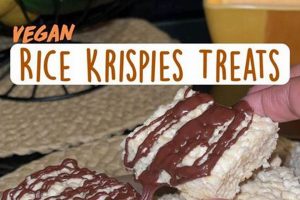
Examples abound in baking, confectionery, and dessert applications. It can be employed as a frosting for cakes and cupcakes, a component in vegan fudge, a binding agent in rice crispy treats, or a topping for hot chocolate. Its ability to toast similarly to regular marshmallow adds another layer of versatility, allowing its inclusion in vegan s’mores. The successful integration hinges on its textural properties, sweetness profile, and stability under varying temperatures. Real-life examples showcase instances where vegan marshmallow cream performs admirably, replicating the texture and taste of conventional versions. Conversely, instances exist where the plant-based alternative exhibits textural or melting characteristics that deviate from expectations, potentially affecting the final product’s quality. This practical significance underlines the need for refined formulations that ensure consistent results across diverse recipes. Testing different commercial brands to determine the best fit for each type of recipe is key.
In conclusion, the culinary versatility of vegan marshmallow cream is fundamentally tied to its ability to seamlessly integrate into established recipes, replacing its traditional counterpart without compromising the final outcome. While challenges remain in achieving perfect mimicry across all applications, the ongoing refinement of plant-based formulations continues to expand its range of uses. This adaptability is crucial for furthering the adoption of vegan alternatives in the culinary world, providing consumers with plant-based options without sacrificing familiar tastes and textures. The key takeaway is that focusing on improvements that can expand the usefulness of the product is a necessity.
7. Dietary Adaptation

Dietary adaptation, in the context of vegan marshmallow cream, pertains to the modifications individuals make to their eating habits to accommodate specific dietary restrictions, ethical considerations, or health-related needs. This adaptation involves the conscious selection of food items that align with these requirements, necessitating the substitution of conventional ingredients with plant-based alternatives. This section elucidates how vegan marshmallow cream facilitates dietary adaptation for various populations.
- Veganism and Vegetarianism
Vegan and vegetarian diets exclude animal products, rendering traditional marshmallow cream, which contains gelatin (derived from animal collagen), unsuitable. Vegan marshmallow cream provides a direct substitute, enabling individuals adhering to these dietary philosophies to enjoy marshmallow-based desserts and recipes without compromising their ethical principles. This substitution represents a practical application of dietary adaptation, allowing for inclusivity in culinary experiences. For example, using it to make vegan s’mores or as frosting on vegan cupcakes provides plant-based alternatives that align with vegan practices.
- Allergies and Intolerances
While not directly related to animal products, vegan marshmallow cream formulations may also be adapted to address common allergies or intolerances. For example, some commercial brands are formulated without common allergens such as gluten, soy, or nuts. This adaptation widens the product’s appeal to individuals with specific dietary restrictions beyond veganism, expanding its market reach and accessibility. The absence of these allergens allows individuals with sensitivities to safely consume marshmallow-based treats, ensuring greater dietary inclusivity.
- Religious Dietary Laws
Certain religious dietary laws, such as Kosher and Halal, impose restrictions on the consumption of specific animal products or require specific processing methods. Traditional marshmallow cream, due to its gelatin content, may not comply with these regulations. Vegan marshmallow cream, if produced under appropriate Kosher or Halal certification, can provide a compliant alternative, allowing individuals observing these religious laws to enjoy marshmallow-based desserts within the bounds of their dietary guidelines. This adaptation ensures adherence to religious principles while offering a wider range of food choices.
- Health-Conscious Consumers
Vegan marshmallow cream can also appeal to health-conscious consumers seeking lower-fat, lower-sugar, or more natural alternatives to conventional marshmallow cream. Some formulations utilize natural sweeteners, such as maple syrup or agave nectar, and may have a lower overall sugar content. These adaptations align with health-focused dietary choices, providing a permissible indulgence for individuals seeking to reduce their intake of processed sugars or animal fats. The increased availability of such options caters to growing trends toward healthier eating habits.
In summary, vegan marshmallow cream serves as a tangible tool for dietary adaptation across a spectrum of needs, ranging from ethical veganism to allergen management, religious compliance, and health-conscious eating. Its versatility lies in its ability to replace traditional marshmallow cream without compromising taste or texture, facilitating dietary adjustments while maintaining culinary enjoyment. The ongoing refinement of vegan marshmallow cream formulations promises to further enhance its suitability for diverse dietary requirements, promoting greater inclusivity in the food industry.
Frequently Asked Questions Regarding Vegan Marshmallow Cream
This section addresses common inquiries and concerns surrounding the nature, composition, and usage of this plant-based confection.
Question 1: What distinguishes vegan marshmallow cream from traditional marshmallow cream?
The primary distinction lies in the absence of gelatin, an animal-derived protein, in the vegan variant. Traditional marshmallow cream utilizes gelatin as a gelling agent, while vegan alternatives employ plant-based substitutes such as aquafaba, carrageenan, or modified starches to achieve a similar texture.
Question 2: What are the typical ingredients found in vegan marshmallow cream?
Common ingredients include aquafaba (chickpea brine), sugar (or a vegan-certified alternative), vanilla extract, cream of tartar (as a stabilizer), and xanthan gum (for texture enhancement). Specific formulations may vary across different commercial brands.
Question 3: Is vegan marshmallow cream suitable for individuals with allergies?
Suitability for individuals with allergies depends on the specific formulation. Some vegan marshmallow cream products are manufactured without common allergens such as gluten, soy, or nuts. Consumers with allergies should meticulously review the ingredient list and allergen statements provided by the manufacturer before consumption.
Question 4: How does vegan marshmallow cream compare to traditional marshmallow cream in terms of taste and texture?
While the goal is to replicate the taste and texture of traditional marshmallow cream, subtle differences may exist. The taste profile can be influenced by the type of plant-based sweetener used, and the texture may vary depending on the specific hydrocolloids employed as gelatin substitutes. Many find the differences negligible.
Question 5: What are the common applications of vegan marshmallow cream in culinary preparations?
Its uses mirror those of traditional marshmallow cream. It can be used as a frosting for cakes and cupcakes, a component in vegan fudge, a binding agent in rice crispy treats, a topping for hot chocolate, or as a spread. Its heat stability allows for use in toasted applications, such as vegan s’mores.
Question 6: Where can vegan marshmallow cream be purchased?
It is available at specialty food stores, health food stores, and select mainstream supermarkets. Online retailers also offer a variety of brands and formulations. Availability may vary depending on geographical location.
Vegan marshmallow cream provides a viable alternative to its traditional counterpart, accommodating dietary restrictions and ethical preferences. Consumers should carefully consider ingredient lists and product specifications to ensure suitability for their individual needs.
The next section will explore potential health considerations associated with its consumption.
Conclusion
This exploration of vegan marshmallow cream has illuminated its composition, applications, and significance as a plant-based alternative. From its gelatin-free formulation to the utilization of aquafaba and other plant-derived ingredients, it represents a conscious effort to cater to specific dietary needs and ethical considerations. Its culinary versatility allows for seamless integration into established recipes, expanding the options available to vegan consumers and those with dietary restrictions.
The continued refinement of vegan marshmallow cream formulations is essential for further enhancing its texture, taste, and overall appeal. As the demand for plant-based alternatives continues to grow, this product will undoubtedly play an increasingly important role in promoting dietary inclusivity and sustainable food choices. Further investigation into the long-term health effects of these products and innovative means of production is warranted to ensure the future of food production is safe, ethical, and accessible for all.