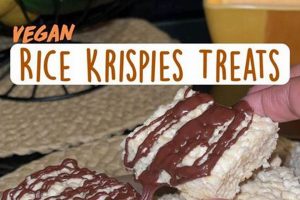
This popular confection typically comprises toasted rice cereal bound together by a sweet, sticky matrix. The conventional version relies on marshmallows and butter as key ingredients. However, adaptations exist that exclude all animal products, rendering them suitable for individuals adhering to a plant-based diet. These variations substitute traditional marshmallows with plant-derived alternatives and butter with vegan-friendly margarine or coconut oil.
The creation of this adapted dessert broadens accessibility for those with dietary restrictions or ethical concerns related to animal welfare. It allows individuals following vegan lifestyles to partake in a familiar and comforting treat. The rise in availability reflects a growing awareness and demand for plant-based options across various sectors of the food industry. These desserts offer a comparable taste and texture to the original, ensuring a satisfying experience.
The following sections will explore different recipes and ingredient substitutions used to prepare this specific type of dessert, analyze the nutritional profile compared to its non-vegan counterpart, and examine the environmental implications associated with its production and consumption.
Preparation Guidance
Achieving optimal results requires careful attention to ingredient selection and preparation techniques. The following guidelines are designed to enhance the quality and consistency of the final product.
Tip 1: Marshmallow Selection: Plant-based marshmallows vary significantly in texture and melting properties. Opt for a brand known for its smooth, even melting behavior to ensure uniform binding.
Tip 2: Binding Agent Quantity: The ratio of melted marshmallows or alternative binding agent to cereal is critical. Insufficient binder results in a crumbly consistency; excessive binder yields an overly sweet and dense product. Adhere precisely to the recipe’s specified proportions.
Tip 3: Vegan Butter Alternative: The choice of vegan butter significantly impacts flavor. Experiment with different brands to find one that complements the overall profile. Consider the sodium content, as some vegan butters contain high levels, potentially affecting the final taste.
Tip 4: Cereal Freshness: Stale cereal compromises texture. Ensure the rice cereal is fresh for optimal crispness. Storing the cereal in an airtight container is recommended prior to use.
Tip 5: Gentle Mixing: Vigorous mixing can crush the cereal, resulting in a less appealing texture. Fold the melted binder gently into the cereal until evenly coated. Avoid over-mixing.
Tip 6: Cooling and Cutting: Allow the mixture to cool completely before cutting. This prevents sticking and ensures clean, even slices. A lightly oiled knife facilitates the cutting process.
Adhering to these guidelines promotes a more palatable and visually appealing result. Consistency in execution ensures predictable and replicable outcomes.
In the following section, we will explore variations on this classic treat.
1. Ingredient Substitutions

The creation of a plant-based version of this confectionery necessitates strategic ingredient substitutions to replicate the texture and flavor profile of the traditional recipe, which typically contains animal-derived components. The primary challenge lies in replacing marshmallows, traditionally gelatin-based, and butter, a dairy product, with plant-based alternatives that provide comparable binding and richness.
Vegan marshmallows, often formulated with ingredients such as tapioca syrup, cornstarch, and carrageenan or other plant-based stabilizers, serve as the direct replacement for conventional marshmallows. However, these substitutes exhibit varying melting behaviors and sugar content, which directly affect the final product’s consistency and sweetness. Similarly, the substitution of dairy butter with plant-based alternatives, such as vegan margarine, coconut oil, or other vegetable oil spreads, impacts the flavor and contributes to the overall binding properties. These alternatives offer different fat profiles, which influence the treats’ texture and mouthfeel. Careful consideration of these variables is crucial to achieving a desirable outcome. For example, using a vegan butter with a high water content may result in a softer, less stable product, while using coconut oil may impart a distinct coconut flavor.
The success of this vegan adaptation hinges on understanding the functional properties of both the original and substitute ingredients. The selection of appropriate plant-based alternatives and the adjustment of recipe ratios are essential for replicating the texture, flavor, and structural integrity of the classic treat. The ongoing development and availability of improved vegan ingredients are continually refining the process and expanding the accessibility of this plant-based dessert option.
2. Texture Optimization

Achieving the desired textural qualities in this plant-based confection requires careful manipulation of ingredients and processes. The inherent differences between animal-derived and plant-based binders necessitate specific techniques to replicate the characteristic crispness and chewiness of the original treat.
- Marshmallow Substitute Consistency
Vegan marshmallows often possess a different melting profile than their gelatin-based counterparts. Some varieties may melt too quickly, resulting in a sticky, dense product, while others may not melt sufficiently, leading to a grainy or hard texture. Careful selection of marshmallow brand and precise control of melting temperature are crucial for achieving a uniformly smooth and chewy binder.
- Cereal Crispness Preservation
The toasted rice cereal must retain its inherent crispness throughout the preparation process. Over-mixing the cereal with the melted binder can crush the individual grains, resulting in a mushy texture. Gentle folding techniques are essential to minimize cereal breakage and maintain the desired structural integrity.
- Binding Agent Distribution
Uniform distribution of the melted marshmallow substitute is paramount for achieving a cohesive and consistent texture. Inadequate mixing can lead to pockets of dry cereal or areas with excessive binder, creating an uneven mouthfeel. Ensuring thorough and even coating of the cereal grains is necessary for optimal textural quality.
- Cooling and Setting Time
The cooling and setting process significantly impacts the final texture. Allowing the mixture to cool completely before cutting prevents the treats from sticking and ensures clean, even slices. Insufficient cooling time can result in a soft, gummy texture, while excessive cooling may lead to a hard, brittle product. Precise control of cooling time is essential for achieving the desired chewiness and firmness.
These facets highlight the critical interplay between ingredient selection, processing techniques, and environmental factors in determining the textural attributes of the final product. Mastering these aspects is paramount for producing a plant-based dessert that replicates the familiar and satisfying texture of the conventional treat.
3. Sweetness Balance
Sweetness balance represents a critical factor in the palatability and overall success of confectionery items. In the context of plant-based rice cereal squares, achieving this equilibrium necessitates careful consideration of the sugar contributions from various ingredients, including the marshmallow substitute and any additional sweeteners, to create a pleasing taste profile without overwhelming the other flavor components.
- Marshmallow Substitute Sweetness Levels
Vegan marshmallows exhibit a range of sweetness levels that can significantly impact the final product. Some brands contain high concentrations of corn syrup or other sugars, leading to an overly sweet dessert. Selecting a marshmallow substitute with a moderate sweetness level allows for greater control over the overall flavor profile and prevents the finished confection from becoming cloying.
- Impact of Added Sweeteners
Many recipes call for the addition of sweeteners like agave nectar, maple syrup, or vegan honey to enhance the binding properties or contribute to the flavor. However, excessive addition can disrupt the sweetness balance, masking the subtle flavors of the cereal and other ingredients. Judicious use and careful measurement of added sweeteners are essential for maintaining a harmonious flavor profile.
- Offsetting Sweetness with Other Flavors
Strategic incorporation of other flavor elements can effectively offset excessive sweetness. A small amount of salt can enhance the perception of sweetness while simultaneously balancing the overall flavor. The addition of unsweetened cocoa powder, chopped nuts, or a hint of citrus zest can introduce complexity and prevent the dessert from becoming monotonous.
- Sweetness Perception and Ingredient Ratios
The perceived sweetness of a food item is directly related to the ratio of sweet to non-sweet ingredients. Adjusting the proportion of cereal to marshmallow substitute, or incorporating ingredients with bitter or savory notes, can significantly alter the perceived sweetness. A well-balanced recipe prioritizes ingredient ratios that contribute to a harmonious and pleasing taste experience.
In conclusion, achieving sweetness balance in these plant-based treats involves a holistic approach that considers the inherent sweetness of the marshmallow substitute, the judicious use of added sweeteners, the strategic incorporation of complementary flavors, and the careful manipulation of ingredient ratios. Mastering these elements results in a dessert that is both satisfying and nuanced, appealing to a broader range of palates.
4. Binding Integrity

Binding integrity, in the context of plant-based rice cereal squares, directly refers to the structural cohesion of the final product, ensuring that the individual cereal pieces remain firmly adhered together. It is primarily influenced by the properties of the vegan marshmallow substitute and its interaction with the cereal. Insufficient binding integrity results in a crumbly dessert that lacks structural stability and is prone to falling apart. Conversely, excessive binding can create a dense, overly chewy texture that deviates from the intended characteristic.
The selection of vegan marshmallow substitutes plays a crucial role in determining binding integrity. Different brands exhibit varying melting behaviors and sugar contents, which significantly impact their ability to effectively coat and bind the cereal. Products with a lower melting point may create a softer bond, while those with a higher sugar content could lead to a stickier, denser result. The accurate measurement of the marshmallow substitute is also essential; deviations from the recipe’s specified proportions can disrupt the balance, leading to either insufficient or excessive binding. Proper stirring techniques, specifically gentle folding rather than vigorous mixing, help prevent the crushing of the cereal, which would otherwise compromise the structural integrity of the dessert. For example, one might find that using Brand X vegan marshmallows results in noticeably superior binding compared to Brand Y, due to differences in their formulation.
Maintaining appropriate binding integrity is paramount for both the aesthetic appeal and the practical handling of this plant-based treat. The ability to cut and serve the confection without it disintegrating enhances the consumer experience. Furthermore, a well-bound product is more likely to maintain its shape and texture during storage. Challenges arise from the variability in available vegan ingredients, necessitating careful experimentation and adjustments to recipe parameters. Ultimately, a thorough understanding of the factors influencing binding integrity contributes significantly to the successful creation of a palatable and structurally sound vegan rice cereal square.
5. Storage Conditions
The preservation of optimal texture and flavor in these plant-based confections is directly contingent upon specific storage conditions. Improper storage can lead to degradation of the product’s qualities, resulting in undesirable changes in both taste and structural integrity. Elevated humidity levels, for instance, promote moisture absorption, causing the cereal to lose its characteristic crispness and become soft or even soggy. Conversely, excessively dry environments may contribute to the confection becoming overly hard or brittle. Exposure to elevated temperatures can accelerate the melting of the marshmallow substitute, leading to a sticky or misshapen final product. Direct sunlight is also detrimental, as it can cause fading of the color and potentially alter the flavor profile through oxidation processes. A practical example is observed when these treats are left uncovered in a humid kitchen, resulting in a noticeable softening within hours, rendering them less appealing. Therefore, appropriate storage is not merely a matter of convenience, but a crucial factor in maintaining product quality.
To mitigate these adverse effects, airtight containers provide the most effective barrier against moisture and environmental contaminants. Storing the confections at room temperature, away from direct sunlight and heat sources, further minimizes the risk of degradation. Layering the treats between sheets of parchment paper within the container prevents them from sticking together, which can compromise their shape and texture. Refrigeration is generally not recommended, as it can cause the cereal to become excessively hard and alter the consistency of the binding agent, unless the room is excessively warm, in which case the decision to refrigerate should be weighted against the potential textural impact. Similarly, freezing is not advisable due to potential alterations in the cellular structure of the cereal, leading to a less desirable texture upon thawing. The duration of storage also plays a role; even under optimal conditions, the texture and flavor will gradually diminish over time, suggesting that consumption within a reasonable timeframe, typically within a few days, is preferable.
In summary, the maintenance of these desserts’ intended qualities hinges on strict adherence to appropriate storage protocols. Airtight containment, avoidance of extreme temperatures and direct sunlight, and timely consumption are all essential elements in preserving the product’s desired texture and flavor. Recognizing and mitigating the detrimental effects of improper storage conditions enhances the overall enjoyment and minimizes potential waste. This understanding connects directly to the broader themes of food preservation and conscious consumption, highlighting the importance of informed practices in maintaining product quality and reducing spoilage.
6. Dietary Adaptations

Dietary adaptations represent modifications to standard recipes to accommodate specific nutritional needs, allergies, or ethical considerations. Their application to plant-based rice cereal squares extends the accessibility of this treat to individuals with diverse dietary requirements, thereby increasing its potential consumer base.
- Gluten-Free Modifications
Individuals with celiac disease or gluten sensitivity require adaptations to exclude gluten-containing ingredients. Standard rice cereal may contain malt flavoring derived from barley, a gluten-containing grain. Substitution with certified gluten-free rice cereal, such as puffed rice made exclusively from rice, is essential. Careful label review is necessary to verify the absence of cross-contamination during manufacturing. These modifications ensure that those with gluten restrictions can safely consume the confection.
- Sugar-Reduced Variants
For individuals managing diabetes or seeking to reduce sugar intake, adaptations to lower the sugar content are beneficial. Reducing the quantity of vegan marshmallows or substituting a portion with sugar-free alternatives, such as erythritol or stevia-based sweeteners, can lower the overall glycemic load. The potential impact on binding integrity from these substitutions must be considered, and recipe adjustments may be necessary to maintain a cohesive structure. These adaptations address specific health concerns while maintaining palatability.
- Nut-Free Formulations
Individuals with nut allergies require formulations devoid of nuts and nut-derived ingredients. Certain vegan butter alternatives may contain nut oils, and some commercially produced vegan marshmallows are processed in facilities that also handle nuts, increasing the risk of cross-contamination. Substituting with nut-free vegan butter and ensuring the marshmallow substitute is manufactured in a dedicated nut-free facility mitigates the risk of allergic reactions. These adaptations prioritize safety for those with potentially life-threatening allergies.
- Fortification with Nutrients
The nutritional profile of plant-based rice cereal squares can be enhanced through the addition of nutrient-rich ingredients. Incorporating flax seeds or chia seeds provides a source of omega-3 fatty acids and fiber. Adding protein powder, such as pea protein or brown rice protein, increases the protein content, making it a more satiating snack. These modifications transform a simple treat into a more nutritionally balanced option.
These dietary adaptations underscore the versatility of plant-based rice cereal squares and their potential to cater to a wide array of dietary needs and preferences. By carefully considering ingredient substitutions and potential cross-contamination risks, it is possible to create a dessert that is both inclusive and enjoyable. These adaptations reflect a broader trend towards personalized nutrition and the increased availability of modified food products that meet the diverse needs of consumers.
Frequently Asked Questions about Plant-Based Rice Cereal Confections
This section addresses common inquiries regarding the preparation, ingredients, and nutritional aspects of these plant-based desserts.
Question 1: What distinguishes a plant-based rice cereal confection from a traditional version?
The primary distinction lies in the absence of animal-derived ingredients. Conventional recipes typically utilize gelatin-based marshmallows and dairy butter. Plant-based versions substitute these with vegan marshmallows (often using plant-based stabilizers) and vegan butter alternatives, such as coconut oil or plant-based margarine.
Question 2: Are plant-based marshmallows universally suitable for those with strict dietary restrictions?
Not necessarily. While they exclude gelatin, some vegan marshmallows may contain allergens such as soy or corn. Individuals with specific allergies should carefully review the ingredient list before consumption.
Question 3: Does the substitution of dairy butter impact the flavor or texture of the final product?
Yes, the type of vegan butter alternative used can significantly influence both flavor and texture. Coconut oil imparts a distinct coconut flavor, while some vegan margarines may have a higher water content, leading to a softer texture. Experimentation with different brands is recommended to find a suitable alternative.
Question 4: What are the recommended storage practices for plant-based rice cereal confections?
Storage in an airtight container at room temperature is advised. Exposure to humidity can cause the cereal to become soft, while refrigeration may lead to excessive hardness. Direct sunlight should be avoided to prevent color fading and potential flavor alterations.
Question 5: Can the nutritional profile of plant-based rice cereal confections be enhanced?
Yes. The addition of ingredients such as flax seeds, chia seeds, or plant-based protein powder can improve the nutritional value. This allows for increased omega-3 fatty acids, fiber, or protein content.
Question 6: Is there a risk of cross-contamination with animal products in commercially produced plant-based rice cereal confections?
While products are formulated without animal products, cross-contamination is possible if the manufacturing facility also processes products containing animal-derived ingredients. Individuals with strict dietary restrictions should seek out products that are certified vegan and produced in dedicated facilities.
Understanding these distinctions and potential considerations contributes to a more informed approach to preparing and consuming this plant-based treat.
The subsequent section will delve into the potential environmental implications associated with the production of these confections.
Conclusion
The preceding exploration has detailed various aspects of plant-based rice cereal squares, encompassing ingredient substitutions, texture optimization, sweetness balance, binding integrity, storage conditions, and dietary adaptations. This investigation reveals the complexities involved in replicating a conventional confection using solely plant-derived components, and demonstrates how mindful application of these considerations facilitates the production of a palatable and structurally sound dessert.
The increasing availability and refinement of such vegan alternatives reflect a broader shift towards dietary inclusivity and ethical consumption. Further research and development in plant-based ingredient technology will likely enhance the sensory qualities and nutritional profiles of vegan rice crispy treats and similar products, contributing to more sustainable and accessible food choices. Continued diligence in sourcing and preparation, based on thorough understanding of ingredient properties, is essential to achieve consistent and satisfactory results.