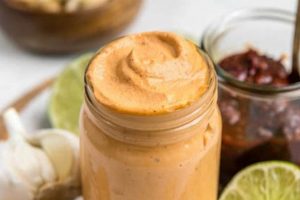
Plant-based emulsions designed to mimic the richness and texture of dairy-based creamers are increasingly prevalent. These products, formulated without any animal-derived ingredients, are used to enhance beverages and foods, providing a creamy consistency and often, a sweet or flavored profile. A common application involves adding a tablespoon to coffee as an alternative to traditional dairy creamer.
The significance of these alternatives lies in their appeal to individuals adhering to vegan diets, those with lactose intolerance, and consumers seeking more sustainable food choices. The reduced environmental impact compared to dairy production, coupled with the absence of cholesterol, presents notable advantages. Furthermore, the development and availability of diverse formulations, including those based on soy, almond, oat, and coconut, reflects a growing consumer demand and a broadening market.
The subsequent sections will delve into the specific ingredients used in manufacturing these alternatives, a comparison of their nutritional profiles, an examination of market trends and consumer preferences, and a guide to selecting the most appropriate option based on individual dietary needs and flavor preferences.
Enhancing Beverages and Foods with Plant-Based Emulsions
This section offers practical advice for selecting and utilizing plant-based emulsions to optimize flavor, texture, and nutritional value.
Tip 1: Consider the Base Ingredient. Different base ingredients, such as soy, almond, oat, or coconut, impart distinct flavors and textures. Evaluate the ingredient list based on flavor preferences and potential allergens.
Tip 2: Evaluate the Sweetener Content. Many formulations contain added sugars. Examine the nutrition label to ascertain the amount of sugar and opt for unsweetened varieties or those sweetened with natural alternatives like stevia or monk fruit if sugar intake is a concern.
Tip 3: Assess the Fat Content. The fat content significantly impacts the resulting creaminess. Higher fat content generally translates to a richer, more decadent texture. Compare fat percentages across brands to achieve the desired consistency.
Tip 4: Check for Carrageenan or Gums. Some formulations contain carrageenan or other gums as thickening agents. Individuals with sensitivities to these ingredients should carefully review the ingredient list.
Tip 5: Observe the Product’s Reaction to Heat. Certain formulations may curdle or separate when exposed to high temperatures. Test a small amount in a hot beverage before adding a larger quantity.
Tip 6: Experiment with Flavor Pairings. Explore how different flavors complement various beverages and foods. Vanilla or hazelnut flavors pair well with coffee, while unsweetened options offer versatility in savory dishes.
Tip 7: Note the Shelf Life After Opening. Plant-based options may have a shorter shelf life than traditional dairy creamers after opening. Adhere to the manufacturer’s instructions regarding storage and consumption within the recommended timeframe.
Careful consideration of these factors allows for informed selection and optimal utilization, catering to individual dietary needs and desired sensory experiences.
The concluding section will provide a comprehensive summary and offer insights into future trends in the evolving market for plant-based food products.
1. Ingredients

The composition of plant-based creamers is fundamental to their functionality and appeal. The following details outline key categories of ingredients that define these alternatives.
- Base Liquids
The foundational element consists of plant-derived liquids such as oat milk, almond milk, soy milk, coconut milk, or cashew milk. The base liquid directly influences the overall flavor and texture of the final product. For example, coconut milk imparts a distinct tropical flavor, while oat milk provides a naturally sweet and creamy consistency.
- Emulsifiers
Emulsifiers, like sunflower lecithin or gellan gum, are critical for stabilizing the mixture of water and fat-based components. These ingredients prevent separation and maintain a smooth, homogenous texture. Without effective emulsifiers, the plant-based emulsion may separate during storage or when added to hot beverages.
- Fats
Plant-based fats, often derived from sunflower oil, coconut oil, or canola oil, contribute to the richness and mouthfeel of the creamer. The type and proportion of fat significantly affect the overall sensory experience. For instance, a higher concentration of coconut oil can create a more saturated and decadent texture.
- Sweeteners
Sweeteners enhance the palatability and overall flavor profile. Common options include cane sugar, beet sugar, stevia, monk fruit extract, or agave syrup. The choice of sweetener impacts the perceived sweetness level and calorie content. Reduced-sugar or sugar-free formulations are often preferred by health-conscious consumers.
These ingredients collectively contribute to the characteristics of plant-based creamer, affecting its taste, texture, stability, and nutritional profile. Ingredient selection is a key factor influencing both consumer acceptance and the overall performance of the product as a dairy alternative.
2. Flavor Profile

The flavor profile is a critical determinant of consumer acceptance for plant-based creamer. The inherent characteristics of the base ingredient, whether soy, almond, oat, or coconut, directly influence the final taste. For instance, almond-based creamers often exhibit a subtle nutty note, while coconut-based varieties impart a distinct tropical flavor. This underlying flavor acts as a foundation upon which additional flavorings are layered.
Furthermore, the choice of sweetener significantly modulates the perceived flavor. Refined sugars deliver a straightforward sweetness, while alternatives like stevia or monk fruit contribute unique nuances. The presence of stabilizers and emulsifiers, though functionally important, can subtly affect the taste. Manufacturers often employ natural or artificial flavorings to mask any off-notes and enhance the overall palatability. The success of a given product hinges on a careful balance of these elements to achieve a pleasant and appealing taste that closely mimics traditional dairy creamer.
Ultimately, the flavor profile is a key differentiator in the market for plant-based alternatives. Challenges remain in replicating the specific richness and mouthfeel of dairy, necessitating ongoing refinement of ingredient combinations and processing techniques. Understanding consumer preferences for specific flavors and textures is crucial for driving innovation and expanding the adoption of plant-based creamer within a broader consumer base.
3. Texture Qualities

The texture qualities of plant-based creamers are paramount in determining their success as dairy alternatives. The desired texture mimics the smooth, creamy mouthfeel of traditional dairy creamer. Achieving this requires careful manipulation of ingredients and processing techniques. Insufficient fat content or inadequate emulsification can result in a watery or thin consistency, failing to satisfy consumer expectations. For instance, early iterations of soy-based creamers often suffered from a slightly grainy texture, which detracted from their appeal. This prompted manufacturers to refine their formulations, incorporating more sophisticated emulsifiers and homogenization processes.
The type of plant-based fat used also significantly influences texture. Coconut oil, with its higher saturated fat content, tends to produce a richer, denser texture compared to sunflower oil. Stabilizers, such as gellan gum or carrageenan (though its use is becoming less common due to consumer concerns), play a critical role in maintaining a stable emulsion and preventing separation, thus ensuring a consistent texture throughout the product’s shelf life. Many brands now highlight the use of “natural” stabilizers, further contributing to positive consumer perception.
Ultimately, the successful replication of dairy-like texture in plant-based creamers is an ongoing area of innovation. Precise control over ingredient ratios, fat composition, and emulsification processes is crucial. Consumers increasingly demand that plant-based options deliver not only the ethical and health benefits associated with vegan products but also the sensory satisfaction previously limited to dairy. Meeting these demands is key to continued growth and market acceptance of plant-based creamers.
4. Nutritional Content

The nutritional content of plant-based creamer is a crucial consideration for consumers seeking dairy alternatives. Understanding the composition of these products is essential for making informed dietary choices, particularly for individuals with specific health needs or preferences.
- Caloric Density
Plant-based creamers exhibit a wide range of caloric densities, varying significantly based on the base ingredient and added components. Almond-based options tend to be lower in calories compared to coconut-based varieties, owing to differing fat content. Added sweeteners also contribute to the overall caloric load. Consideration of caloric density is critical for those monitoring their energy intake.
- Fat Composition
The type and quantity of fat in plant-based creamers influence their nutritional profile. Coconut-based options are typically higher in saturated fats, while almond, soy, and oat-based choices often contain predominantly unsaturated fats. Saturated fat intake should be moderated as part of a balanced diet. The presence of trans fats, though rare, should be avoided entirely.
- Sugar Content
Many plant-based creamers contain added sugars to enhance palatability. The type and amount of sugar vary considerably among brands. Excessive sugar intake is linked to adverse health outcomes. Unsweetened varieties or those sweetened with low-calorie alternatives provide a healthier option for those seeking to minimize sugar consumption.
- Vitamin and Mineral Fortification
Some plant-based creamers are fortified with vitamins and minerals to enhance their nutritional value. Common additions include vitamin D, vitamin B12, and calcium. Fortification can help bridge nutritional gaps for individuals following vegan diets or those with limited intake of certain nutrients from other food sources. However, the bioavailability of added nutrients should also be considered.
In summary, the nutritional content of plant-based creamer is highly variable and dependent on formulation. Careful examination of nutrition labels is essential for consumers to make informed choices aligning with their individual dietary needs and health goals. Comparison of different products based on caloric density, fat composition, sugar content, and vitamin/mineral fortification enables a more discerning selection process.
5. Applications

The utility of plant-based creamer extends beyond a simple dairy substitute, encompassing a range of culinary and beverage applications that cater to diverse dietary preferences and needs. Its versatility makes it a relevant ingredient in both home kitchens and commercial food service settings.
- Beverage Enhancement
The primary application of plant-based creamer is in hot and cold beverages such as coffee and tea. It provides a creamy texture and subtle flavor that enhances the overall sensory experience. Different formulations, such as oat or almond-based varieties, offer distinct flavor profiles that complement various beverage types. The ability to create a richer mouthfeel without dairy aligns with consumer demand for plant-based options.
- Baking and Pastry
Plant-based creamer serves as a viable substitute for dairy cream in baking and pastry recipes. It contributes to the moisture content and overall texture of cakes, cookies, and other baked goods. Adjustments to the recipe may be necessary to achieve optimal results, considering the differing fat content and protein structure compared to dairy. Its use allows for the creation of vegan-friendly baked goods without sacrificing palatability.
- Sauces and Soups
Plant-based creamer can be incorporated into sauces and soups to add richness and creaminess. It provides a dairy-free alternative for thickening sauces and achieving a velvety texture in soups. Depending on the flavor profile of the creamer, it can impart a subtle sweetness or nuttiness to the dish. It offers a practical solution for creating vegan versions of traditionally dairy-based recipes.
- Frozen Desserts
Plant-based creamer forms the base for vegan ice creams and other frozen desserts. It contributes to the smooth, creamy texture that is essential for these products. Its use allows for the creation of dairy-free frozen treats that cater to individuals with lactose intolerance or those following a vegan lifestyle. The availability of diverse plant-based creamers expands the possibilities for flavor experimentation in frozen desserts.
The diverse applications of plant-based creamer highlight its adaptability and versatility. From enhancing everyday beverages to expanding the possibilities for vegan-friendly cooking and baking, it serves as a valuable ingredient in modern culinary practices. Its ongoing development and refinement promise to further broaden its applications and acceptance within the food industry.
6. Sustainability

The consumption of plant-based creamer presents a notable intersection with environmental sustainability. The production of dairy milk, a conventional creamer ingredient, involves substantial resource utilization. This includes land for grazing and feed production, water for irrigation and animal consumption, and energy for processing and transportation. Dairy farming also contributes significantly to greenhouse gas emissions, particularly methane, and can result in water pollution from manure runoff.
Plant-based creamer, conversely, typically exhibits a lower environmental footprint. The cultivation of plants like almonds, oats, soy, and coconuts, while not without environmental considerations, generally requires less land and water than dairy farming. The lifecycle assessment of plant-based milk alternatives, which closely mirrors creamer production, often demonstrates reduced greenhouse gas emissions and decreased water usage compared to dairy milk. For example, oat milk production has been shown to require significantly less water per liter than dairy milk. The sourcing of ingredients also plays a critical role. Companies prioritizing sustainable farming practices, such as reduced pesticide use and soil conservation, further minimize the environmental impact of their plant-based creamer products.
The adoption of plant-based creamer, therefore, represents a tangible step toward more sustainable consumption patterns. While challenges remain, such as ensuring responsible sourcing of plant-based ingredients and minimizing packaging waste, the overall environmental benefits associated with plant-based creamer consumption are considerable. The continued development of sustainable agricultural practices and eco-friendly packaging solutions will further enhance the environmental profile of these products, solidifying their position as a more sustainable alternative to traditional dairy creamer.
7. Market Trends

The market for plant-based creamer is experiencing substantial growth, driven by evolving consumer preferences and increasing awareness of dietary and environmental considerations. Understanding the underlying market trends is crucial for manufacturers, retailers, and consumers alike.
- Increasing Consumer Demand for Plant-Based Alternatives
The primary driver of market growth is the expanding consumer base seeking plant-based alternatives to traditional dairy products. This trend is fueled by factors such as growing vegan and vegetarian populations, rising lactose intolerance rates, and increasing health consciousness. Examples include the proliferation of plant-based milk options in cafes and grocery stores, as well as the expansion of vegan-friendly menu items in restaurants. The implication for plant-based creamer is a rising demand and an increasing availability of diverse formulations catering to various taste preferences and dietary needs.
- Expansion of Distribution Channels
Plant-based creamer is becoming increasingly accessible to consumers through various distribution channels. Beyond traditional grocery stores, these products are now widely available in specialty health food stores, online retailers, and even mainstream coffee shops. The expansion of distribution networks allows for broader consumer reach and contributes to market growth. Examples include the integration of plant-based creamer options into the standard offerings of major coffee chains and the establishment of dedicated online marketplaces for vegan products. The implication is greater convenience for consumers and increased visibility for plant-based creamer brands.
- Product Innovation and Diversification
The market is characterized by ongoing product innovation and diversification. Manufacturers are constantly developing new formulations using different plant-based ingredients, such as oat, cashew, and pea protein, to cater to specific consumer preferences. Additionally, flavored varieties, such as vanilla, hazelnut, and mocha, are gaining popularity. Examples include the introduction of barista-style plant-based creamers designed to froth like dairy milk and the development of organic and non-GMO options to appeal to health-conscious consumers. The implication is a wider range of choices for consumers and increased competition among brands, driving further innovation.
- Focus on Sustainability and Ethical Sourcing
Sustainability and ethical sourcing are increasingly important considerations for consumers. Plant-based creamer brands are responding by emphasizing their commitment to environmentally friendly production practices and responsible sourcing of ingredients. Examples include the use of recyclable packaging, the adoption of fair-trade practices, and the reduction of water consumption in the production process. The implication is a growing demand for plant-based creamer brands that align with consumer values and a shift towards more sustainable and ethical production practices within the industry.
These market trends collectively contribute to the ongoing growth and evolution of the plant-based creamer market. The increasing consumer demand, expanding distribution channels, product innovation, and focus on sustainability are shaping the industry landscape and driving the development of new and improved plant-based alternatives to traditional dairy creamer. The confluence of these trends suggests a continued trajectory of growth and increasing prominence for plant-based creamer in the food and beverage sector.
Frequently Asked Questions about Vegan Creamer
This section addresses common inquiries regarding vegan creamer, providing concise and informative answers to clarify its nature, uses, and benefits.
Question 1: What exactly constitutes “vegan creamer”?
Vegan creamer is a plant-based emulsion designed to replicate the texture and function of traditional dairy creamer. It contains no animal-derived ingredients and is typically formulated using plant-based milks, oils, emulsifiers, and sweeteners.
Question 2: What are the primary ingredients used in vegan creamer formulations?
Common ingredients include base liquids such as oat milk, almond milk, coconut milk, or soy milk; plant-based oils like sunflower or coconut oil; emulsifiers such as sunflower lecithin or gellan gum; and sweeteners like cane sugar, stevia, or monk fruit extract. The specific ingredients vary among brands and formulations.
Question 3: How does the nutritional content of vegan creamer compare to that of dairy creamer?
Nutritional profiles vary significantly. Vegan creamer generally contains less saturated fat and cholesterol than dairy creamer. Caloric content and sugar levels can also differ considerably. Some vegan creamers are fortified with vitamins and minerals not naturally present, offering enhanced nutritional value.
Question 4: Can vegan creamer be used in the same applications as dairy creamer?
Yes, vegan creamer is a versatile substitute for dairy creamer in a wide range of applications, including coffee, tea, baking, and cooking. It can be used to add creaminess and flavor to beverages and dishes, providing a dairy-free alternative.
Question 5: Is vegan creamer environmentally sustainable?
Generally, vegan creamer production has a lower environmental impact than dairy production, requiring less land and water and generating fewer greenhouse gas emissions. However, the sustainability of individual products depends on the specific sourcing and production practices employed.
Question 6: What are the key considerations when selecting a vegan creamer?
Key considerations include the base ingredient (oat, almond, coconut, etc.), sweetener content, fat composition, presence of additives or allergens, and intended application. Personal taste preferences and dietary needs should also inform the selection process.
In summary, vegan creamer offers a plant-based alternative to traditional dairy creamer, providing a range of nutritional and environmental benefits. Informed selection based on ingredient composition and individual needs is crucial for optimizing satisfaction.
The concluding section will provide a comprehensive summary and offer insights into future trends in the evolving market for plant-based food products.
Conclusion
This exposition has elucidated the multifaceted aspects of vegan creamer, ranging from its compositional elements and nutritional profile to its diverse applications and environmental implications. The analysis has underscored the significant market growth driven by increasing consumer demand for plant-based alternatives and the ongoing product innovation shaping the industry. The transition to such alternatives offers consumers a way to align purchasing decisions with dietary needs or ethical considerations.
The continued refinement of vegan creamer formulations, coupled with enhanced transparency in sourcing and production, will likely foster further market penetration. The information presented herein serves as a resource for informed decision-making and a basis for understanding the evolving landscape of plant-based food options.